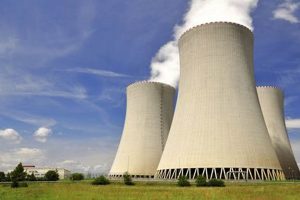
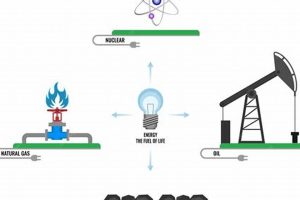
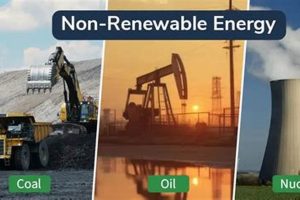
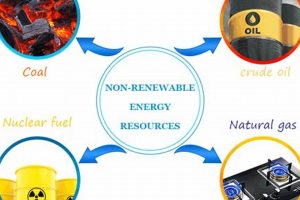
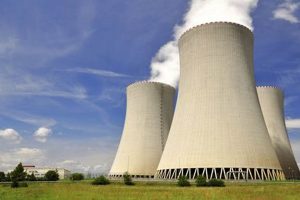
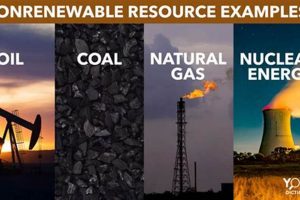
The combustion of fossil fuelscoal, oil, and natural gasfor energy production releases numerous detrimental substances into the environment. These include greenhouse gases like carbon dioxide, methane, and nitrous oxide, which contribute to climate change. Furthermore, the burning of these fuels emits particulate matter, sulfur dioxide, and nitrogen oxides, leading to air pollution and respiratory problems. Extraction and transportation processes associated with these resources also pose environmental risks, such as oil spills and habitat destruction. For instance, coal mining can lead to water contamination and land degradation.
Understanding the environmental consequences of conventional energy generation is critical for developing sustainable energy solutions. Historically, reliance on these resources fueled industrialization and economic growth, but the associated environmental costs are becoming increasingly evident. Mitigating these impacts is crucial for preserving ecosystems, protecting public health, and ensuring a sustainable future. This necessitates a transition towards cleaner energy alternatives and improved efficiency in existing systems.
This discussion will delve further into the specific pollutants associated with each non-renewable energy source, explore their environmental and health impacts in detail, and examine potential mitigation strategies and the role of transitioning to renewable energy sources.
Reducing the Impact of Conventional Energy Use
Minimizing the environmental footprint of non-renewable energy consumption requires a multifaceted approach encompassing both individual actions and broader societal shifts.
Tip 1: Improve Energy Efficiency: Investing in energy-efficient appliances, vehicles, and building insulation reduces overall energy demand, thereby lessening the need for fossil fuel combustion. For example, switching to LED lighting and properly insulating homes can significantly decrease electricity consumption.
Tip 2: Support Renewable Energy Sources: Advocating for and transitioning to renewable energy sources like solar, wind, and geothermal power helps displace fossil fuel dependence and mitigate pollution. This can involve installing solar panels on homes or supporting policies that incentivize renewable energy development.
Tip 3: Advocate for Policy Changes: Supporting policies that promote clean energy, energy efficiency, and stricter emission standards can drive systemic change and accelerate the transition away from fossil fuels. Examples include carbon pricing mechanisms and regulations on power plant emissions.
Tip 4: Reduce, Reuse, and Recycle: Reducing consumption, reusing materials, and recycling products minimizes the energy required for manufacturing and waste disposal, indirectly reducing reliance on fossil fuels. Recycling aluminum, for instance, requires significantly less energy than producing new aluminum from raw materials.
Tip 5: Choose Sustainable Transportation: Opting for public transportation, cycling, walking, or electric vehicles reduces reliance on gasoline-powered cars, minimizing air pollution and greenhouse gas emissions.
Tip 6: Support Research and Development: Encouraging investment in research and development of cleaner energy technologies and carbon capture methods is crucial for long-term sustainability and mitigating the environmental impact of fossil fuels.
By adopting these strategies, individuals and communities can contribute to reducing the adverse effects of conventional energy use and promoting a cleaner, more sustainable energy future.
These individual and collective actions are essential steps toward mitigating the environmental challenges posed by reliance on non-renewable energy and paving the way for a sustainable energy future. The following section will further explore the long-term implications of these actions.
1. Air Pollution

A significant portion of air pollution stems directly from the combustion of non-renewable energy sources. Burning fossil fuelsprimarily coal, oil, and natural gasreleases a complex mixture of pollutants into the atmosphere. These include particulate matter (PM), sulfur dioxide (SO), nitrogen oxides (NOx), carbon monoxide (CO), and volatile organic compounds (VOCs). The combustion process also generates ozone, a secondary pollutant formed from reactions involving NOx and VOCs in the presence of sunlight. For instance, coal-fired power plants are major sources of SO, NOx, and particulate matter, contributing significantly to regional haze and acid rain. Similarly, vehicle emissions from gasoline and diesel combustion are primary sources of NOx and CO in urban areas. These pollutants have detrimental impacts on human health, causing respiratory problems, cardiovascular disease, and other health issues.
The consequences of air pollution from non-renewable energy sources extend beyond human health. Elevated levels of SO and NOx contribute to acid rain, damaging ecosystems, forests, and aquatic life. Particulate matter reduces visibility and can impact regional climate patterns. Ozone, while beneficial in the stratosphere, is a harmful pollutant at ground level, damaging vegetation and impacting crop yields. These environmental consequences highlight the complex interplay between energy production, air quality, and ecosystem health. The geographic distribution of these impacts can vary significantly, often disproportionately affecting communities located near power plants and industrial facilities.
Understanding the connection between air pollution and non-renewable energy sources is crucial for developing effective mitigation strategies. Transitioning to cleaner energy sources, such as solar, wind, and hydroelectric power, is essential for reducing air pollution and its associated health and environmental impacts. Furthermore, implementing stricter emission standards for power plants and vehicles can help minimize the release of harmful pollutants. Investing in technologies like carbon capture and storage may also play a role in reducing emissions from fossil fuel combustion. Ultimately, addressing air pollution from non-renewable sources requires a multifaceted approach encompassing technological advancements, policy changes, and a societal shift towards sustainable energy practices.
2. Water Contamination
Water contamination represents a significant environmental consequence of utilizing non-renewable energy sources. From extraction and processing to combustion and waste disposal, each stage of the non-renewable energy lifecycle presents potential risks to water quality. Understanding these risks is crucial for developing effective mitigation strategies and transitioning towards more sustainable energy practices.
- Hydraulic Fracturing (Fracking)
Fracking, a technique used to extract natural gas from shale formations, involves injecting large volumes of water, sand, and chemicals underground at high pressure. This process can contaminate groundwater with these injected chemicals, as well as naturally occurring substances like methane and heavy metals released from the shale. Such contamination poses risks to drinking water supplies and aquatic ecosystems. For instance, documented cases of methane migration into drinking water wells near fracking sites illustrate the potential for widespread contamination.
- Coal Mining
Coal mining operations, particularly surface mining, can generate acid mine drainage. This occurs when sulfide minerals exposed during mining react with water and air, producing acidic runoff containing heavy metals like iron, manganese, and aluminum. This acidic runoff contaminates surface water bodies, harming aquatic life and rendering water unsuitable for human consumption. The Appalachian region of the United States provides numerous examples of streams and rivers impacted by acid mine drainage.
- Oil Spills
Oil spills from tankers, pipelines, and offshore drilling platforms release large quantities of crude oil into marine environments. Oil spills devastate marine ecosystems, coating shorelines, harming wildlife, and disrupting fishing industries. The Deepwater Horizon oil spill in the Gulf of Mexico serves as a stark reminder of the catastrophic consequences of oil spills on water quality and marine life.
- Power Plant Cooling Water Discharge
Power plants, particularly those using fossil fuels, require large volumes of water for cooling purposes. Discharging this heated water back into rivers and lakes can cause thermal pollution, reducing dissolved oxygen levels and harming aquatic organisms. This thermal stress can disrupt aquatic ecosystems and lead to fish kills. Furthermore, power plant wastewater can contain heavy metals and other pollutants, further contributing to water contamination.
These various forms of water contamination stemming from non-renewable energy sources underscore the interconnectedness of energy production and water resource management. Addressing these challenges requires a comprehensive approach that includes stricter regulations on industrial wastewater discharge, improved spill prevention and response measures, and a transition to cleaner energy alternatives that minimize water usage and pollution. The long-term sustainability of both water resources and energy production hinges on adopting such integrated strategies.
3. Land Degradation
Land degradation represents a significant environmental consequence of non-renewable energy extraction and utilization. Fossil fuel extraction processes, including mining and drilling, along with the disposal of associated waste products, disrupt landscapes, alter soil composition, and impact biodiversity. Understanding the diverse ways in which land degradation manifests is crucial for mitigating these impacts and transitioning toward more sustainable energy practices.
- Mining Operations
Mining for coal, oil sands, and uranium transforms landscapes, often leaving behind large open pits, waste rock piles, and tailing ponds. These altered landscapes disrupt natural drainage patterns, increase erosion, and contaminate soil with heavy metals and other toxic substances. Mountaintop removal mining, for instance, drastically alters topography, burying streams and valleys under mining debris, leading to severe habitat loss and water pollution. Reclamation efforts, while sometimes employed, often fail to fully restore the ecological integrity of the impacted lands.
- Drilling and Well Pad Construction
Drilling for oil and natural gas requires constructing well pads and access roads, fragmenting habitats and disrupting wildlife migration patterns. The construction process removes vegetation, compacts soil, and increases erosion. Spills and leaks of drilling fluids and produced water can further contaminate soil and groundwater, impacting local ecosystems. In densely drilled areas, the cumulative impact of well pads and associated infrastructure can lead to significant habitat loss and fragmentation.
- Pipeline Construction and Operation
Constructing and operating pipelines to transport oil and natural gas requires clearing land for pipeline right-of-ways, disrupting ecosystems and fragmenting habitats. Pipeline leaks and spills can contaminate soil and groundwater with hydrocarbons, posing risks to human health and the environment. The construction of large-scale pipelines, such as the Keystone XL pipeline, has generated significant controversy due to its potential impacts on sensitive ecosystems and water resources.
- Waste Disposal
The disposal of waste materials generated during non-renewable energy production, including coal ash and oil refinery sludge, poses significant risks to land quality. Coal ash, for example, contains heavy metals like arsenic, mercury, and lead, which can leach into soil and groundwater, contaminating surrounding areas. Improperly managed disposal sites can lead to widespread contamination, impacting human health and the environment. For instance, the Kingston Fossil Plant coal ash spill in Tennessee highlighted the devastating consequences of inadequate waste disposal practices in the energy sector.
These various forms of land degradation stemming from non-renewable energy activities highlight the significant environmental footprint of conventional energy production. Mitigating these impacts requires a comprehensive approach that includes stricter regulations on mining and drilling operations, improved waste management practices, and a fundamental shift toward renewable energy sources that minimize land disturbance and pollution. The long-term sustainability of land resources and ecosystems hinges on transitioning to a more sustainable energy future.
4. Greenhouse Gas Emissions

Combustion of non-renewable energy sourcesprimarily fossil fuels (coal, oil, and natural gas)represents a dominant driver of anthropogenic greenhouse gas emissions. This combustion process releases substantial quantities of carbon dioxide (CO2), methane (CH4), and nitrous oxide (N2O) into the atmosphere. These gases trap heat, contributing to the greenhouse effect and driving climate change. Coal combustion, for example, is a particularly intensive source of CO2 emissions, while natural gas extraction and distribution can lead to significant CH4 leaks. The magnitude of these emissions is directly linked to the scale of fossil fuel consumption for electricity generation, transportation, industrial processes, and heating. Quantifying these emissions involves analyzing fuel consumption data and applying emission factors specific to each fuel type.
The environmental consequences of greenhouse gas emissions from non-renewable energy sources are profound and far-reaching. Elevated atmospheric concentrations of greenhouse gases lead to increased global average temperatures, altered precipitation patterns, and more frequent extreme weather events. These changes have cascading impacts on ecosystems, agriculture, water resources, and human health. For instance, rising sea levels threaten coastal communities and infrastructure, while changes in precipitation patterns can exacerbate droughts and floods. Ocean acidification, driven by increased CO2 absorption, poses a significant threat to marine ecosystems. Understanding the causal relationship between fossil fuel combustion, greenhouse gas emissions, and subsequent climate change impacts is crucial for formulating effective mitigation and adaptation strategies.
Addressing greenhouse gas emissions from non-renewable energy sources requires a multi-pronged approach. Transitioning to renewable energy sources like solar, wind, and hydropower significantly reduces reliance on fossil fuels and their associated emissions. Improving energy efficiency in buildings, transportation, and industrial processes decreases overall energy demand, further limiting emissions. Carbon capture and storage technologies, while still under development, offer the potential to capture CO2 emissions from power plants and industrial facilities before they enter the atmosphere. Policy interventions, such as carbon pricing mechanisms and emissions trading schemes, can incentivize emissions reductions and drive investments in clean energy technologies. International cooperation and agreements, like the Paris Agreement, play a crucial role in establishing global frameworks for emissions reduction targets and climate action. The long-term sustainability of the planet hinges on effectively addressing greenhouse gas emissions from non-renewable energy sources and transitioning toward a cleaner, decarbonized energy future.
5. Habitat Destruction

Habitat destruction emerges as a significant consequence of utilizing non-renewable energy sources. The extraction, processing, and transportation of these resources often entail extensive land-use changes, pollution, and disruption of natural ecosystems, leading to habitat loss and fragmentation for numerous species. Fossil fuel extraction, particularly coal mining and oil and gas drilling, directly transforms landscapes. Mountaintop removal mining, for instance, obliterates entire mountain ecosystems, while oil sands extraction in Alberta, Canada, has cleared vast tracts of boreal forest. These practices not only remove vegetation and alter topography but also introduce pollutants into the surrounding environment, further degrading remaining habitats. Offshore oil drilling, while less visibly disruptive on land, presents substantial risks to marine ecosystems, as evidenced by the devastating impacts of oil spills on marine life and coastal habitats. The construction of pipelines and other infrastructure to transport these resources further fragments habitats, creating barriers to movement and gene flow for wildlife populations. For example, pipeline construction through sensitive ecosystems can disrupt migration routes for caribou and other species.
The impact of habitat destruction extends beyond the immediate area of resource extraction. Air and water pollution from power plants and refineries can degrade habitats far from the source of the pollution. Acid rain, resulting from sulfur dioxide and nitrogen oxide emissions from coal-fired power plants, damages forests and acidifies lakes and streams, harming aquatic life. Oil spills can contaminate vast stretches of coastline, impacting intertidal zones, salt marshes, and other critical habitats. These indirect impacts further exacerbate the habitat loss directly caused by resource extraction activities. Moreover, climate change, driven largely by greenhouse gas emissions from burning fossil fuels, poses a significant threat to habitats worldwide. Rising sea levels inundate coastal wetlands and low-lying islands, while changes in temperature and precipitation patterns disrupt established ecosystems and force species to migrate or adapt. The synergistic effects of habitat destruction and climate change present unprecedented challenges for biodiversity conservation.
Addressing the habitat destruction linked to non-renewable energy sources requires a multifaceted approach. Transitioning to renewable energy sources, such as solar and wind power, minimizes the need for environmentally damaging extraction activities. Implementing stricter environmental regulations on existing fossil fuel operations can reduce their impact on surrounding ecosystems. Habitat restoration efforts, though often challenging and expensive, can help reclaim degraded lands and restore some ecosystem function. Protecting and conserving existing intact ecosystems is crucial for mitigating the impacts of habitat destruction and maintaining biodiversity. Ultimately, a fundamental shift towards sustainable energy practices, coupled with robust conservation efforts, is essential for preserving the planet’s biodiversity in the face of ongoing environmental pressures.
6. Public Health Impacts
A direct causal link exists between pollution from non-renewable energy sources and adverse public health outcomes. Combustion of fossil fuels releases a complex mixture of air pollutants, including particulate matter, sulfur dioxide, nitrogen oxides, ozone, and volatile organic compounds. Exposure to these pollutants contributes to a range of respiratory illnesses, such as asthma, bronchitis, and emphysema, as well as cardiovascular diseases, including heart attacks and strokes. Children, the elderly, and individuals with pre-existing respiratory conditions are particularly vulnerable to these health impacts. Studies have demonstrated a clear correlation between elevated levels of air pollution and increased hospital admissions for respiratory and cardiovascular problems, particularly in urban areas with high traffic density and industrial activity. For example, research has shown a significant increase in respiratory illnesses and premature deaths in communities located near coal-fired power plants.
Beyond respiratory and cardiovascular effects, exposure to pollutants from non-renewable energy sources poses additional health risks. Heavy metals, such as mercury and lead, released from coal combustion can bioaccumulate in the food chain, posing neurological risks, especially to developing fetuses and young children. Some volatile organic compounds are known carcinogens, increasing the risk of certain cancers. Water contamination from fracking and mining operations can expose communities to harmful chemicals and heavy metals through drinking water sources, posing a range of health risks. The extraction and transportation of fossil fuels also present risks of accidental releases and spills, which can have acute and long-term health consequences for exposed populations. The Deepwater Horizon oil spill, for instance, resulted in a range of health problems, including respiratory issues, skin irritations, and mental health impacts, among cleanup workers and residents of affected coastal communities.
Understanding the comprehensive health impacts of pollution from non-renewable energy sources is crucial for informing public health policy and promoting sustainable energy practices. Transitioning to cleaner energy alternatives, improving air and water quality standards, and implementing stricter regulations on industrial emissions are essential steps for mitigating these health risks. Investing in public health infrastructure and research to further investigate the long-term health consequences of pollution is equally vital. Addressing the public health challenges posed by non-renewable energy sources necessitates a comprehensive and integrated approach that prioritizes both environmental protection and human well-being. Failure to address these issues will result in continued and potentially escalating health burdens on communities, particularly those located near sources of pollution. The economic costs associated with healthcare for pollution-related illnesses further underscore the importance of transitioning to a cleaner, more sustainable energy future.
7. Climate Change Acceleration

Combustion of non-renewable energy sources, predominantly fossil fuels (coal, oil, and natural gas), stands as a primary driver of accelerated climate change. This combustion process releases substantial quantities of greenhouse gases, notably carbon dioxide (CO2), methane (CH4), and nitrous oxide (N2O), into the atmosphere. These gases trap heat, intensifying the greenhouse effect and leading to a rapid increase in global average temperatures. The link between fossil fuel combustion and rising global temperatures is unequivocally established through extensive scientific research and climate modeling. For instance, analyses of ice core data reveal a strong correlation between atmospheric CO2 concentrations and temperature fluctuations over millennia, with a dramatic spike in CO2 levels coinciding with the Industrial Revolution and the widespread adoption of fossil fuels. The current rate of warming significantly exceeds natural climate variability observed in the past, underscoring the influence of human activities, particularly fossil fuel combustion, on accelerating climate change.
The consequences of this accelerated warming trend are multifaceted and pose significant challenges to both natural ecosystems and human societies. Rising global temperatures contribute to more frequent and intense heatwaves, altered precipitation patterns, increased sea levels, and ocean acidification. These changes have cascading effects on agriculture, water resources, human health, and biodiversity. For example, shifting precipitation patterns can exacerbate droughts and floods, impacting crop yields and water availability. Rising sea levels threaten coastal communities and infrastructure, while ocean acidification disrupts marine ecosystems. The melting of glaciers and ice sheets contributes to further sea-level rise and disrupts ocean currents, with far-reaching consequences for global climate patterns. The observed increase in the frequency and intensity of extreme weather events, such as hurricanes, droughts, and wildfires, further underscores the escalating impacts of accelerated climate change.
Mitigating the acceleration of climate change requires a fundamental shift away from reliance on non-renewable energy sources and a rapid transition to a decarbonized energy system. This transition necessitates substantial investments in renewable energy technologies, such as solar, wind, and geothermal power, along with improvements in energy efficiency across all sectors. Policy interventions, including carbon pricing mechanisms and emissions trading schemes, can incentivize emissions reductions and drive investments in clean energy solutions. International cooperation and agreements, like the Paris Agreement, are crucial for establishing global frameworks for emissions reduction targets and fostering collaborative climate action. Addressing the complex challenge of climate change acceleration requires a concerted global effort to reduce greenhouse gas emissions, adapt to the unavoidable impacts of a changing climate, and build a more sustainable and resilient future.
Frequently Asked Questions about Pollution from Non-Renewable Energy Sources
This section addresses common inquiries regarding the environmental and health impacts of pollution stemming from non-renewable energy sources.
Question 1: How does air pollution from non-renewable energy sources affect human health?
Combustion of fossil fuels releases pollutants like particulate matter, sulfur dioxide, and nitrogen oxides, contributing to respiratory illnesses (asthma, bronchitis), cardiovascular diseases, and other health problems. Vulnerable populations, including children, the elderly, and individuals with pre-existing conditions, face heightened risks.
Question 2: What are the primary greenhouse gases emitted from the use of non-renewable energy?
The primary greenhouse gases emitted are carbon dioxide (CO2), methane (CH4), and nitrous oxide (N2O). These gases trap heat in the atmosphere, contributing to global warming and climate change.
Question 3: How does non-renewable energy use contribute to water contamination?
Several processes contribute to water contamination. Fracking can introduce chemicals and methane into groundwater. Coal mining generates acid mine drainage containing heavy metals. Oil spills pollute marine and coastal ecosystems. Power plant cooling water discharge elevates water temperatures and introduces pollutants.
Question 4: What are the long-term environmental consequences of land degradation caused by non-renewable energy extraction?
Land degradation from mining, drilling, and waste disposal disrupts ecosystems, alters soil composition, and impacts biodiversity. Consequences include habitat loss, erosion, and contamination with heavy metals, affecting long-term ecological health and land productivity.
Question 5: How does habitat destruction associated with non-renewable energy use affect wildlife?
Habitat destruction from mining, drilling, and infrastructure development fragments ecosystems, reducing biodiversity. This fragmentation disrupts migration patterns, reduces breeding success, and increases species vulnerability to extinction.
Question 6: Beyond transitioning to renewable energy, what other strategies can mitigate the impacts of non-renewable energy pollution?
Improving energy efficiency reduces overall energy demand and associated pollution. Implementing stricter emission standards for power plants and vehicles limits pollutant release. Investing in carbon capture and storage technologies offers a potential pathway to capture emissions before they enter the atmosphere. Promoting sustainable land management practices and habitat restoration can help mitigate land degradation and habitat loss.
Understanding the multifaceted impacts of pollution from non-renewable energy sources underscores the urgency of transitioning to cleaner, more sustainable energy alternatives. This transition requires a comprehensive approach encompassing technological advancements, policy changes, and individual actions.
The subsequent section delves into specific case studies illustrating the real-world impacts of pollution from non-renewable energy sources.
Conclusion
Exploration of pollution stemming from non-renewable energy sources reveals a pervasive and multifaceted threat to environmental integrity and human well-being. From air and water contamination to land degradation, habitat destruction, and greenhouse gas emissions driving accelerated climate change, the consequences are far-reaching and demand immediate attention. Public health impacts, ranging from respiratory illnesses to heavy metal exposure, underscore the direct link between these energy sources and human health risks. The examination of these interconnected environmental and health challenges reveals the unsustainable nature of continued reliance on non-renewable energy.
Transitioning to a sustainable energy future necessitates a decisive shift away from non-renewable sources. Embracing renewable energy alternatives, coupled with enhanced energy efficiency measures and robust environmental regulations, represents not merely a prudent course of action but an imperative for planetary health and human prosperity. The magnitude of the challenge demands collective action, encompassing policy changes, technological innovation, and societal shifts in energy consumption patterns. The future of the planet hinges on the collective capacity to confront this challenge with the urgency and resolve it demands. Delaying action will only exacerbate the environmental and human health consequences, jeopardizing the prospects for a sustainable future.