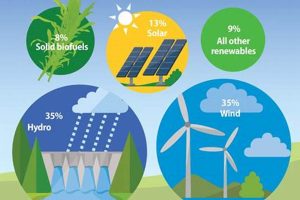
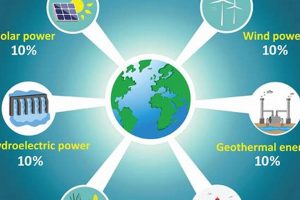
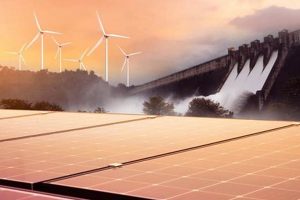
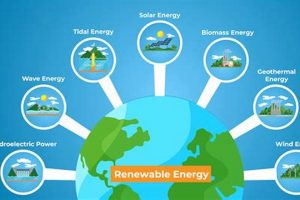
On-site power generation, heating, and cooling methods utilizing naturally replenishing resources represent a significant shift in building design and operation. Examples encompass solar photovoltaic (PV) systems integrated into roofs or facades, geothermal heat pumps extracting energy from the earth, and wind turbines generating electricity. These approaches contrast with reliance on centralized fossil fuel power plants and aim to reduce the environmental impact of the built environment.
Employing these strategies offers multiple advantages. Buildings can achieve greater energy independence, reducing vulnerability to fluctuating energy prices and supply disruptions. Environmental benefits include lowered greenhouse gas emissions and reduced reliance on finite resources. Historically, the adoption of these technologies has been driven by growing awareness of climate change and advancements in renewable energy technology, along with governmental incentives and policies.
The subsequent sections will examine specific technological implementations, discuss their economic viability, and consider the challenges and opportunities associated with widespread integration of these resource-efficient solutions into both new construction and existing building stock. Furthermore, this analysis will explore relevant policy frameworks and address the crucial role of energy storage in optimizing performance.
Implementation Strategies for Resource-Efficient Structures
The following guidelines offer practical recommendations for incorporating ecologically sound power, heating, and cooling solutions into building design and retrofits.
Tip 1: Conduct a Comprehensive Energy Audit: Before implementing any changes, a thorough energy audit is essential. This assessment identifies areas of energy waste and provides a baseline for measuring the effectiveness of implemented upgrades. The audit should analyze building envelope performance, HVAC system efficiency, and lighting usage.
Tip 2: Prioritize Passive Design Strategies: Passive design maximizes natural resources to minimize energy consumption. Consider building orientation to optimize solar gain in winter and minimize it in summer. Incorporate natural ventilation strategies, daylighting techniques, and high-performance insulation.
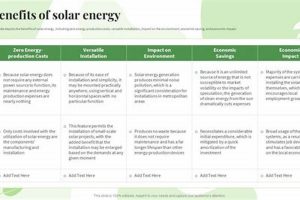
Tip 3: Integrate Solar Photovoltaic (PV) Systems: Solar PV systems convert sunlight into electricity. Roof-mounted or building-integrated PV (BIPV) systems can generate a significant portion of a building’s energy needs. System sizing should be determined by building energy consumption and available roof space.
Tip 4: Utilize Geothermal Heat Pumps: Geothermal heat pumps leverage the stable temperature of the earth to provide efficient heating and cooling. These systems offer significantly higher efficiency than conventional HVAC systems but require a substantial initial investment.
Tip 5: Explore Wind Energy Potential: Small-scale wind turbines can be appropriate for certain locations with consistent wind resources. Consider factors such as zoning regulations, noise levels, and visual impact before installing a wind turbine.
Tip 6: Implement Smart Building Controls: Smart building control systems optimize energy use by automatically adjusting lighting, HVAC, and other systems based on occupancy and environmental conditions. These systems can also provide valuable data for monitoring and improving energy performance.
Tip 7: Consider Energy Storage Solutions: Energy storage systems, such as batteries, can store excess energy generated by renewable resources for later use. This can improve the reliability and resilience of energy infrastructure, especially when combined with solar or wind energy.
By implementing these strategies, building owners and developers can significantly reduce their environmental footprint and realize long-term cost savings. The integrated approach ensures a comprehensive solution for environmentally responsible construction.
The subsequent discussion will examine case studies demonstrating successful applications of resource-efficient building designs and technologies.
1. Solar photovoltaics

Solar photovoltaic (PV) technology represents a fundamental component of resource-efficient building strategies. The direct conversion of sunlight into electricity, through the photovoltaic effect in semiconductor materials, offers a means of on-site power generation that significantly reduces reliance on fossil fuel-based power grids. Consequently, the integration of solar PV systems into buildings directly lowers their carbon footprint and contributes to a more sustainable energy ecosystem. For instance, a commercial building equipped with a roof-mounted solar PV array can generate a substantial portion of its electricity needs, mitigating its environmental impact.
The importance of solar PV stems from its scalability and versatility. Systems can be designed to meet varying energy demands, from small residential applications to large-scale commercial installations. Building-integrated photovoltaics (BIPV) further enhance architectural design by seamlessly incorporating solar cells into building facades and roofing materials. Real-world examples include solar tiles, which replace conventional roofing materials while generating electricity, and solar shading devices that provide both shading and energy production. This adaptability makes solar PV a viable solution for both new construction and retrofitting existing buildings.
In summary, solar photovoltaic technology is an indispensable tool in promoting sustainability within the built environment. Its effectiveness in reducing carbon emissions, coupled with its adaptability and increasing cost-competitiveness, positions it as a cornerstone of resource-efficient building practices. The continued advancement of solar PV technology, alongside supportive government policies, is essential for achieving widespread adoption and realizing its full potential in transforming the energy landscape of buildings.
2. Geothermal Heating

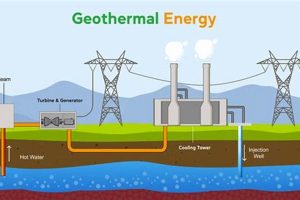
Geothermal heating represents a significant application of earth’s thermal energy within the framework of resource-efficient building strategies. This method utilizes the relatively constant temperature of the subsurface to provide heating and cooling for buildings, significantly reducing reliance on conventional, often fossil fuel-dependent, systems.
- Geothermal Heat Pump (GHP) Systems
GHP systems circulate a fluid through underground pipes, transferring heat to or from the building depending on the season. In winter, the fluid absorbs heat from the earth and transfers it to the building’s heating system. In summer, the process is reversed, drawing heat from the building and dissipating it into the ground. A residential GHP system can reduce heating and cooling costs by 30-60% compared to conventional systems, lowering energy consumption and emissions.
- Direct-Use Geothermal Systems
In regions with readily accessible geothermal resources, direct-use systems extract hot water from underground reservoirs and use it directly for heating, industrial processes, or other applications. This eliminates the need for a heat pump, resulting in higher energy efficiency. An example is district heating systems in Iceland that utilize geothermal hot water to heat entire towns, significantly reducing their carbon footprint.
- Environmental Benefits
The utilization of geothermal resources for heating reduces greenhouse gas emissions and air pollution compared to fossil fuel-based heating systems. Geothermal systems produce minimal air pollutants and have a smaller land footprint than conventional power plants. The reduced reliance on fossil fuels also enhances energy security and reduces vulnerability to price fluctuations.
- Geological Considerations and Site Suitability
The feasibility of implementing geothermal heating depends on local geological conditions. Geothermal resources are not evenly distributed, and site-specific assessments are necessary to determine the viability of geothermal systems. Factors such as soil type, groundwater levels, and proximity to geothermal reservoirs influence the design and performance of geothermal heating systems. Careful geological evaluation is essential for successful project implementation.
These facets underscore the importance of geothermal heating as an integral part of resource-efficient building practices. The application of GHP systems and direct-use geothermal technologies, combined with environmental advantages and geological considerations, highlights the potential of geothermal energy to transform building heating and cooling systems. The continued development and implementation of geothermal heating technologies are vital for achieving sustainable and environmentally responsible building solutions.
3. Wind power integration

Wind power integration, as a component of on-site alternative power sources, offers a direct route to diminishing reliance on conventional power grids, thus contributing to sustainable architectural practices. The installation of small-scale wind turbines directly at or near building sites enables localized electricity generation, supplementing or replacing grid-supplied power. This integration reduces the environmental impact of buildings by minimizing the carbon footprint associated with conventional power production and transmission losses.
The viability of wind power integration hinges upon several factors, including the consistency and intensity of wind resources at the site, zoning regulations, and the physical characteristics of the building and its surroundings. For example, commercial structures in rural areas with favorable wind conditions may install appropriately sized turbines to provide a significant portion of their electricity needs. Additionally, advancements in turbine design are leading to quieter and more aesthetically pleasing models, addressing concerns about noise pollution and visual impact. Energy storage solutions, such as batteries, can further enhance the effectiveness of wind power integration by storing excess electricity for use during periods of low wind. This improves energy reliability and reduces the need to draw power from the grid.
Ultimately, integrating wind energy into buildings represents a tangible step toward energy independence and environmental responsibility. The practical significance of this approach lies in its potential to reduce operating costs, enhance building resilience, and contribute to a broader transition toward a low-carbon economy. The challenges associated with wind power integration, such as variability of wind resources and regulatory hurdles, can be mitigated through careful planning, technological innovation, and supportive policies, thus fostering the widespread adoption of this on-site power alternative.
4. Biomass combustion

Biomass combustion, the controlled burning of organic matter, represents a potential avenue for integrating alternative energy into building systems. This process directly converts the chemical energy stored in biological materials into thermal energy, which can then be utilized for heating, cooling (via absorption chillers), or electricity generation. While categorized as a component of alternative energy resources, biomass’s sustainability and environmental impact are subject to considerable debate and depend heavily on sourcing practices and combustion technology.
The effective use of biomass necessitates careful consideration of feedstock. Sustainably sourced biomass, such as forestry residues, agricultural byproducts, or dedicated energy crops grown on marginal lands, minimizes competition with food production and avoids deforestation. Advanced combustion technologies, including gasification and pyrolysis, improve energy conversion efficiency and reduce emissions of particulate matter and greenhouse gases. For instance, a building employing a biomass boiler fueled by sustainably harvested wood chips can reduce its reliance on fossil fuels for heating, but it must incorporate advanced filtration systems to mitigate air pollution. Similarly, combined heat and power (CHP) systems utilizing biomass can simultaneously generate electricity and heat, maximizing energy efficiency and reducing overall emissions compared to separate heat and power generation.
Despite its potential, the implementation of biomass combustion requires careful evaluation of environmental impacts and economic feasibility. Air pollution, particularly particulate matter emissions, remains a concern, necessitating stringent emission controls. Life-cycle assessments are essential to determine the overall carbon footprint of biomass energy, accounting for emissions from harvesting, transportation, and combustion. Regulatory frameworks that promote sustainable biomass sourcing and mandate the use of advanced combustion technologies are crucial for ensuring that biomass combustion contributes positively to the transition toward alternative building energy systems and minimizes its negative environmental consequences.
5. Hydroelectric microgeneration

Hydroelectric microgeneration represents a niche yet potentially valuable component of on-site alternative power generation for buildings, particularly in regions with suitable hydrological resources. The harnessing of kinetic energy from flowing water to produce electricity offers a localized and sustainable energy source, reducing reliance on centralized power grids and mitigating the environmental impact of building operations.
- Technology and Scale
Micro-hydro systems typically involve small-scale turbines installed in streams, rivers, or artificial water channels to generate electricity. These systems have a capacity of up to 100 kilowatts (kW), making them suitable for powering individual buildings or small communities. An example is the use of a small turbine in a mountain stream to provide electricity for a remote cabin, demonstrating the potential for off-grid power generation.
- Environmental Impact and Sustainability
Micro-hydro generation has a relatively low environmental impact compared to larger hydroelectric dams. Minimal disruption of river flow and aquatic ecosystems is crucial. Responsible design and operation are essential to mitigate potential impacts on fish migration and water quality. Sustainable practices, such as maintaining minimum flow rates and implementing fish passage measures, are necessary for environmentally responsible implementation.
- Integration with Building Systems
Electricity generated by micro-hydro systems can be directly integrated into a building’s electrical grid or stored in batteries for later use. Smart grid integration allows buildings to draw power from the micro-hydro system when available and switch to the grid when necessary. An example is a building with a micro-hydro system that uses excess electricity to charge electric vehicle batteries, maximizing the utilization of power generation.
- Economic Feasibility and Incentives
The economic viability of micro-hydro projects depends on factors such as water resource availability, installation costs, and government incentives. Grant programs and tax credits can improve the economic attractiveness of micro-hydro systems. A thorough cost-benefit analysis, including long-term energy savings and environmental benefits, is essential for assessing the feasibility of micro-hydro projects.
In summary, hydroelectric microgeneration offers a specialized solution for alternative on-site power generation, particularly in areas with accessible water resources. Responsible implementation, guided by environmental sustainability and economic feasibility, is crucial for ensuring that micro-hydro systems contribute effectively to the broader objective of reducing the environmental footprint of buildings and promoting alternative energy sources.
6. Smart grid connection
Effective integration of on-site renewable energy generation with the existing electrical grid infrastructure necessitates intelligent management and control systems. A smart grid connection facilitates bidirectional energy flow and advanced communication, enabling buildings equipped with systems to both consume and supply electricity to the grid, optimizing energy usage and enhancing grid stability.
- Enhanced Grid Stability and Reliability
A smart grid connection enables real-time monitoring and management of energy flows, allowing grid operators to respond dynamically to fluctuations in renewable energy production. This reduces the risk of grid instability and outages. An example includes grid operators using data from smart meters to predict and manage the intermittent nature of solar and wind energy, ensuring a consistent power supply.
- Optimized Energy Consumption and Cost Savings
Smart grid connectivity allows building owners to optimize energy consumption based on real-time pricing signals and demand response programs. Buildings can reduce energy costs by shifting their energy usage to off-peak hours or selling excess renewable energy back to the grid. For example, a commercial building can automatically reduce its energy consumption during peak demand periods to lower its electricity bill.
- Support for Distributed Generation
Smart grid connections provide the infrastructure necessary to support the proliferation of distributed generation from sources, such as solar PV and wind turbines. The ability to seamlessly integrate and manage numerous small-scale generators improves grid resilience and reduces reliance on centralized power plants. An example includes a neighborhood with multiple homes equipped with solar panels that collectively contribute to the grid’s energy supply.
- Advanced Metering and Control Systems
Smart meters and advanced control systems enable real-time monitoring of energy consumption and production, providing building owners with valuable data for optimizing energy efficiency. This data can be used to identify areas of energy waste and implement targeted energy-saving measures. For example, a smart meter can alert a building owner to unusually high energy consumption, prompting them to investigate and address the issue.
In summary, smart grid connection is integral to maximizing the benefits of on-site alternative energy. The integration of these advanced technologies promotes grid stability, optimizes energy consumption, supports distributed generation, and provides valuable data for energy management. The convergence of these elements enables the widespread adoption of resource-efficient building strategies and facilitates the transition toward a more sustainable and resilient energy infrastructure.
7. Energy storage

The effective utilization of intermittent on-site power sources depends heavily on energy storage technologies. Fluctuations in solar irradiance and wind speed necessitate systems capable of capturing surplus energy and releasing it when generation lags demand. Without such capabilities, the reliability and cost-effectiveness of many alternative energy installations are compromised.
- Battery Systems
Battery systems, including lithium-ion, lead-acid, and flow batteries, offer a direct method of storing electrical energy. These systems are deployed to accumulate excess electricity generated during peak production periods and provide power during periods of low generation or high demand. For instance, a building equipped with solar panels and a battery system can store daytime solar energy for use during evening hours, reducing reliance on the grid. The choice of battery chemistry depends on factors such as cost, energy density, lifespan, and safety requirements.
- Thermal Energy Storage
Thermal energy storage (TES) systems store energy in the form of heat or cold. These systems can be used to store surplus heat generated by solar thermal collectors or waste heat from industrial processes for later use in space heating or domestic hot water production. TES can also store cold energy, produced by chillers during off-peak hours, for use in air conditioning during peak demand periods. An example includes storing chilled water in underground tanks for use in cooling a building during the day, reducing peak electricity demand and associated costs.
- Mechanical Energy Storage
Mechanical energy storage methods, such as pumped hydro storage and compressed air energy storage (CAES), store energy by raising water to a higher elevation or compressing air into underground reservoirs. Pumped hydro is typically used for large-scale grid storage, while CAES is suitable for smaller-scale applications. A building could use CAES to store excess electricity generated by wind turbines, releasing the compressed air to drive a generator when wind speeds are low. While less common in building-scale applications, these methods represent viable options for certain contexts.
- Hydrogen Storage
Hydrogen storage involves converting electricity into hydrogen through electrolysis, storing the hydrogen, and then reconverting it back into electricity using a fuel cell. This method offers long-duration energy storage capabilities, making it suitable for applications requiring multi-day or seasonal storage. Buildings can use hydrogen storage to store surplus solar energy generated during the summer months for use during the winter months when solar irradiance is low. Although hydrogen storage is currently more expensive and less efficient than other energy storage methods, ongoing research and development are focused on improving its performance and reducing its cost.
The selection and integration of appropriate energy storage depend on building-specific factors, including energy demand profiles, resource availability, and economic constraints. These considerations underscore the interconnectedness of reliable resource infrastructure.
Frequently Asked Questions
The following elucidates common inquiries and misconceptions surrounding the integration of resource-efficient technologies within the built environment.
Question 1: Are these sustainable technologies financially viable for widespread adoption?
The economic viability varies significantly depending on the specific technology, geographic location, and government incentives. Initial capital costs are often higher compared to conventional systems. However, long-term operational savings, reduced reliance on fluctuating energy prices, and potential revenue from selling excess energy back to the grid can yield substantial financial benefits over the lifespan of the system.
Question 2: What are the primary obstacles to integrating solar power into existing building stock?
Structural limitations, roof orientation and shading, and aesthetic concerns pose challenges for retrofitting existing buildings with solar power. Moreover, navigating permitting processes and ensuring compliance with building codes can add complexity and cost to installation projects.
Question 3: How does the geographic location impact the effectiveness of geothermal systems?
Geothermal systems are most effective in areas with stable subsurface temperatures. While ground temperatures are relatively constant year-round, variations in soil composition, groundwater levels, and proximity to geothermal resources can influence system performance and efficiency. Detailed geological assessments are essential to determine the suitability of geothermal technology for a specific site.
Question 4: What are the environmental consequences associated with biomass combustion?
Biomass combustion can contribute to air pollution, particularly particulate matter emissions, if not properly managed. Sustainable sourcing of biomass feedstocks and the implementation of advanced combustion technologies with emission controls are critical to minimizing environmental impacts. Life-cycle assessments are necessary to evaluate the overall carbon footprint of biomass energy compared to alternative energy sources.
Question 5: How does a smart grid connection improve the overall performance of buildings with integrated sources?
A smart grid connection enables bidirectional energy flow, allowing building owners to both consume and supply electricity to the grid. Real-time monitoring and management of energy flows improve grid stability and reliability, optimize energy consumption and reduce costs, and facilitate the integration of distributed generation resources.
Question 6: What are the primary types of energy storage technologies suitable for integration with buildings?
Battery systems, thermal energy storage, mechanical energy storage, and hydrogen storage offer varying capabilities for capturing and releasing energy. Battery systems provide direct electrical energy storage, while thermal energy storage stores energy in the form of heat or cold. Mechanical energy storage involves methods such as pumped hydro and compressed air storage. Hydrogen storage converts electricity into hydrogen for long-duration storage. The choice of technology depends on specific building requirements and resource availability.
The presented information provides a foundational understanding of key considerations and challenges in adopting these environmentally conscious strategies.
The subsequent section will present potential future directions in the pursuit of environmentally conscious energy solutions within the built environment.
Conclusion
The preceding analysis underscores the crucial role of renewable energy sources for buildings in mitigating environmental impact and enhancing energy resilience. The transition toward sustainable construction and retrofitting demands a comprehensive approach encompassing solar, geothermal, wind, biomass, micro-hydro, smart grid integration, and energy storage. Each technology presents unique advantages and challenges, requiring careful evaluation of site-specific conditions, economic feasibility, and environmental consequences.
The widespread adoption of renewable energy sources for buildings necessitates continued technological innovation, supportive government policies, and a commitment from building owners and developers to prioritize sustainability. The convergence of these elements will pave the way for a built environment that minimizes resource consumption, reduces carbon emissions, and contributes to a more sustainable and equitable future for all. Further investment, responsible deployment, and thoughtful management of these elements will be crucial to our future.