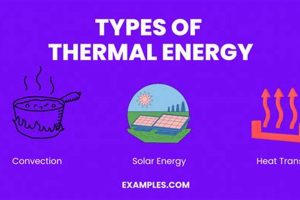
Harnessing power from naturally replenishing sources like sunlight, wind, and geothermal heat offers homeowners an opportunity to generate electricity and thermal energy on-site. For example, photovoltaic panels convert sunlight directly into electricity, while geothermal heat pumps utilize the stable temperature of the earth to provide heating and cooling.
Decentralized power generation reduces reliance on traditional fossil fuels, contributing to lower greenhouse gas emissions and a smaller carbon footprint. This shift towards sustainable practices promotes energy independence and can potentially lower long-term energy costs. Historically, domestic energy production was limited to rudimentary methods like windmills and water wheels. Advances in technology have now made it practical and efficient for households to generate significant portions of their own energy needs from clean, sustainable resources.
This article will explore the various technologies available for residential renewable energy generation, delve into the economic and environmental considerations, and discuss the practical steps involved in transitioning to a more sustainable home energy system. It will also examine the integration of these technologies with existing grid infrastructure and explore future trends in the field.
Tips for Implementing Residential Renewable Energy
Careful planning and consideration are essential for successful integration of renewable energy systems within a residential setting. The following tips offer guidance for homeowners exploring this transition.
Tip 1: Conduct a Thorough Energy Assessment: A professional energy audit helps identify areas of high energy consumption and pinpoint potential savings opportunities before investing in renewable energy technologies. This assessment should evaluate insulation levels, window efficiency, and existing appliance energy usage.
Tip 2: Evaluate Local Resources and Climate Conditions: The effectiveness of different renewable energy systems varies based on geographical location. Solar panels require ample sunlight, while wind turbines necessitate consistent wind speeds. Geothermal systems are influenced by ground temperature and soil composition.
Tip 3: Research Available Incentives and Rebates: Many governments and utility companies offer financial incentives, such as tax credits and rebates, to encourage the adoption of renewable energy. Exploring these options can significantly reduce the initial investment costs.
Tip 4: Consider System Scalability and Future Needs: Anticipating future energy demands, such as the addition of electric vehicles or appliances, is crucial when sizing a renewable energy system. A scalable system allows for expansion as needs evolve.
Tip 5: Prioritize Energy Efficiency Measures: Implementing energy-saving practices, such as using energy-efficient appliances and lighting, reduces overall energy consumption, maximizing the impact of renewable energy generation.
Tip 6: Consult with Qualified Professionals: Engaging experienced contractors and installers ensures proper system design, installation, and maintenance. Professional expertise is essential for optimizing system performance and safety.
Tip 7: Explore Battery Storage Options: Integrating battery storage allows homeowners to store excess generated energy for use during periods of low renewable energy production or grid outages, enhancing energy independence.
By following these guidelines, homeowners can make informed decisions about integrating renewable energy systems into their homes, contributing to a more sustainable future while potentially realizing long-term cost savings.
In conclusion, the transition to residential renewable energy presents a significant opportunity to reduce environmental impact and promote energy independence. By carefully considering these factors and implementing appropriate technologies, homeowners can contribute to a cleaner, more sustainable energy future.
1. Solar Power

Solar power represents a cornerstone of residential renewable energy strategies. Photovoltaic (PV) panels, the most common implementation, directly convert sunlight into electricity via the photovoltaic effect. This process allows homeowners to generate electricity on-site, reducing reliance on grid-supplied power derived from fossil fuels. The resulting decrease in carbon emissions contributes significantly to a smaller household carbon footprint and supports broader efforts to mitigate climate change. For instance, a typical residential solar array can offset several tons of carbon dioxide emissions annually, equivalent to the emissions from thousands of miles driven by a gasoline-powered vehicle.
Practical applications of solar power in homes extend beyond simple electricity generation. Solar thermal systems can heat water for domestic use, further reducing reliance on conventional energy sources. Moreover, advancements in building-integrated photovoltaics (BIPV) allow for seamless integration of solar panels into roofing materials and building facades, enhancing both aesthetics and functionality. The modularity of solar PV systems allows for scalability, catering to various energy needs and budgets. Homeowners can start with a small system and expand as required, making solar power a flexible and adaptable solution.
Despite the numerous advantages, solar power implementation requires careful consideration. Factors such as roof orientation, shading, and local climate conditions influence system efficiency. Initial costs, while decreasing steadily, remain a barrier for some homeowners. However, various financial incentives, including tax credits and rebates, can significantly offset these upfront expenses. Proper system design and installation by qualified professionals are crucial for maximizing performance and ensuring long-term reliability. Ultimately, integrating solar power into a residential energy strategy represents a tangible step towards a sustainable future, empowering homeowners to actively participate in the global transition to clean energy.
2. Wind Energy

Wind energy presents a compelling option for residential renewable energy generation, particularly in locations with consistent wind resources. Harnessing wind power typically involves installing small-scale wind turbines, either on rooftops or freestanding poles. These turbines convert the kinetic energy of wind into electricity, reducing reliance on grid-supplied power and lowering carbon emissions. The decentralized nature of wind energy generation empowers homeowners to actively participate in the transition to sustainable energy practices. For example, a homeowner in a coastal region with average wind speeds of 15 mph could potentially generate a significant portion of their household electricity needs with a suitably sized wind turbine. This reduces their dependence on fossil fuel-based electricity and lowers their overall energy costs.
Practical considerations for residential wind energy implementation include assessing local wind resources, ensuring adequate space and tower height, and addressing potential noise concerns. Unlike solar panels, which require sunlight, wind turbines can generate electricity day and night, provided sufficient wind speeds are available. This characteristic complements solar power, creating a more resilient and consistent renewable energy system. Furthermore, advancements in small wind turbine technology have led to quieter and more efficient designs, making them increasingly suitable for residential environments. For instance, vertical-axis wind turbines (VAWTs) offer quieter operation and can capture wind from any direction, making them advantageous in urban or suburban settings.
Integrating wind energy into a residential energy strategy requires careful planning and adherence to local regulations. Consulting with experienced installers and conducting thorough site assessments are essential steps. While wind energy might not be suitable for all locations, it offers a valuable complement to other renewable energy technologies, enhancing energy independence and contributing to a more sustainable future. The overall effectiveness depends on careful site selection and appropriate turbine sizing based on individual energy needs and local wind conditions. Despite the challenges, harnessing wind power represents a significant step towards decentralized, clean energy generation within residential settings.
3. Geothermal Systems

Geothermal systems offer a consistent, reliable source of renewable energy for residential applications, leveraging the stable temperature of the earth. These systems utilize a network of underground pipes, known as a ground loop, to exchange thermal energy with the earth. During winter, the system extracts heat from the earth and transfers it indoors for heating. Conversely, during summer, the system absorbs heat from the home and dissipates it into the cooler ground, providing efficient cooling. This process reduces reliance on conventional heating and cooling systems powered by fossil fuels, lowering both operating costs and carbon emissions. For instance, a geothermal heat pump can reduce energy consumption for heating and cooling by up to 70% compared to traditional systems. This translates to substantial savings on utility bills and a significant reduction in a household’s environmental impact.
The practical significance of geothermal systems within the context of residential renewable energy stems from their ability to provide both heating and cooling, unlike solar or wind power which primarily focus on electricity generation. Geothermal systems offer a comprehensive solution for managing a home’s thermal energy needs, significantly reducing reliance on fossil fuel-based systems. Moreover, geothermal systems require minimal maintenance and have a long lifespan, typically exceeding 20 years for the ground loop and 50 years for the heat pump unit. This longevity contributes to the long-term cost-effectiveness of these systems. Furthermore, advancements in geothermal technology, such as direct-use geothermal systems for heating water, offer additional opportunities for energy efficiency and cost savings. For example, a direct-use system can provide hot water for domestic use by directly tapping into geothermal resources, reducing the need for separate water heaters.
While geothermal systems offer significant advantages, certain challenges require consideration. Initial installation costs can be higher compared to conventional HVAC systems due to the ground loop installation. However, various financial incentives, including tax credits and rebates, can help offset these upfront expenses. Furthermore, site-specific factors such as soil type and available land area can influence the design and feasibility of a geothermal system. Despite these challenges, the long-term benefits of geothermal systems, including reduced energy consumption, lower operating costs, and a smaller carbon footprint, make them a compelling option for homeowners seeking sustainable and efficient thermal energy solutions. Integrating geothermal systems into a comprehensive residential renewable energy strategy contributes significantly to both environmental sustainability and long-term economic benefits.
4. Energy Efficiency

Maximizing energy efficiency is crucial for optimizing the effectiveness of renewable energy systems in residential settings. Reducing overall energy consumption minimizes the required capacity of renewable energy installations, lowering upfront costs and enhancing the return on investment. Furthermore, prioritizing energy efficiency reduces reliance on grid-supplied electricity, further diminishing a household’s carbon footprint. A comprehensive approach to residential renewable energy must integrate both generation from sustainable sources and a commitment to minimizing energy waste.
- Building Envelope Improvements
Improving the thermal performance of a building’s envelopewalls, roof, and windowssignificantly reduces energy loss for heating and cooling. Examples include adding insulation, upgrading windows to double or triple-paned models, and sealing air leaks. These improvements minimize the workload on renewable energy systems, allowing smaller systems to meet household energy needs effectively. For instance, a well-insulated home requires less energy to maintain a comfortable temperature, reducing the demand on a solar photovoltaic system for powering heating and cooling equipment.
- Efficient Appliances and Lighting
Utilizing energy-efficient appliances and lighting significantly reduces electricity consumption. Switching to Energy Star-certified appliances, using LED lighting, and implementing smart home energy management systems can substantially lower energy usage. This decreased demand allows renewable energy systems to provide a greater proportion of a household’s energy needs. For example, replacing incandescent light bulbs with LEDs can reduce lighting energy consumption by up to 80%, freeing up capacity from a renewable energy source for other uses.
- Behavioral Changes
Adopting energy-conscious habits plays a crucial role in maximizing energy efficiency. Simple practices like turning off lights when leaving a room, unplugging electronics when not in use, and using appliances during off-peak hours can cumulatively reduce energy consumption. These behavioral changes complement technological improvements, further minimizing the demand placed on renewable energy systems. For instance, utilizing a programmable thermostat to optimize heating and cooling schedules can significantly reduce energy waste, maximizing the impact of renewable energy generation.
- Smart Home Energy Management
Integrating smart home technology allows for automated control and optimization of energy usage. Smart thermostats, lighting controls, and energy monitoring systems provide real-time feedback on energy consumption and enable automated adjustments to minimize waste. This intelligent management further enhances the effectiveness of renewable energy systems by ensuring that generated energy is used efficiently. For example, a smart home system can automatically adjust lighting levels based on occupancy and ambient light conditions, optimizing energy usage and reducing reliance on renewable energy generation for lighting.
By prioritizing energy efficiency alongside renewable energy generation, homeowners can create a synergistic approach to sustainable living. These combined efforts not only reduce environmental impact but also contribute to long-term cost savings by minimizing reliance on grid-supplied energy. A holistic approach that incorporates both energy generation from renewable sources and a commitment to reducing energy consumption is essential for maximizing the benefits of residential renewable energy and achieving true energy independence.
5. Battery Storage

Battery storage systems play a crucial role in maximizing the effectiveness and self-sufficiency of residential renewable energy installations. Intermittent renewable energy sources, such as solar and wind power, generate electricity only when sunlight or wind is available. Battery storage addresses this intermittency by storing excess energy generated during peak production periods for later use during times of low or no generation. This capability allows homeowners to utilize clean energy even when the sun isn’t shining or the wind isn’t blowing, increasing energy independence and reducing reliance on the grid. For example, a homeowner with a solar panel system can store excess energy generated during the day in a battery system and then use that stored energy to power their home in the evening or during a power outage. This reduces reliance on grid-supplied electricity, which may be generated from fossil fuels, and provides backup power during grid disruptions. Without battery storage, excess solar energy might be fed back into the grid, often with minimal compensation to the homeowner.
The practical implications of integrating battery storage with residential renewable energy systems are multifaceted. Increased energy independence translates to greater control over household energy costs and enhanced resilience against grid outages. Moreover, battery storage enables homeowners to maximize self-consumption of generated renewable energy, reducing reliance on grid-supplied electricity and minimizing their carbon footprint. Advancements in battery technology, particularly lithium-ion batteries, have led to increased energy density, longer lifespans, and decreased costs, making battery storage an increasingly viable and attractive option for homeowners. For instance, a homeowner with a rooftop solar array and battery storage can effectively become energy self-sufficient, relying minimally on the grid and significantly reducing their monthly electricity bills. Furthermore, battery storage can enhance the overall stability of the electricity grid by providing ancillary services such as frequency regulation and peak shaving, contributing to a more reliable and efficient energy system.
Despite the substantial benefits, challenges remain in widespread adoption of residential battery storage. Initial costs, while decreasing, can still represent a significant investment. Furthermore, the environmental impact of battery manufacturing and disposal requires consideration. However, as technology continues to advance and costs decline, battery storage will likely play an increasingly essential role in enabling the transition to a decentralized, sustainable energy future. Addressing these challenges through research, development, and supportive policies will be crucial for unlocking the full potential of battery storage in enabling a cleaner, more resilient, and decentralized energy system within residential settings.
6. Cost Considerations

Financial factors play a significant role in the adoption of residential renewable energy systems. Analyzing both upfront investment costs and long-term operational savings is crucial for making informed decisions. Initial expenses encompass equipment purchase, installation, and permitting. While these costs can be substantial, various financial incentives, such as tax credits, rebates, and government grants, can significantly offset the initial burden. For example, the federal Investment Tax Credit in the United States offers a substantial tax credit for homeowners who install solar energy systems. Similarly, many states and local municipalities offer additional rebates and incentives, further reducing the upfront investment. Considering these available financial resources is crucial when evaluating the overall cost-effectiveness of a renewable energy project.
Long-term operational savings represent a key driver for transitioning to renewable energy. Reduced or eliminated electricity bills, lower heating and cooling costs, and decreased maintenance expenses contribute to significant long-term financial benefits. For instance, a homeowner who installs a solar photovoltaic system can significantly reduce their monthly electricity bills, potentially even achieving net-zero energy consumption. Similarly, geothermal heat pumps offer substantial savings on heating and cooling costs compared to traditional HVAC systems. These long-term savings can often offset the initial investment over time, making renewable energy a financially sound decision. Furthermore, incorporating energy efficiency measures can further amplify these savings by minimizing overall energy consumption. Calculating the payback period, the time it takes for the cumulative savings to equal the initial investment, provides a valuable metric for assessing the financial viability of a renewable energy project.
Understanding the financial implications of adopting residential renewable energy is essential for homeowners. Careful consideration of upfront costs, available incentives, and projected long-term savings enables informed decision-making. While initial investments can be significant, the potential for long-term cost savings, coupled with environmental benefits, makes renewable energy an increasingly attractive and financially viable option for homeowners seeking sustainable and cost-effective energy solutions. Accurately assessing the financial landscape is crucial for navigating the transition to a cleaner, more sustainable, and financially sound energy future.
7. Environmental Impact

Residential renewable energy adoption significantly mitigates environmental impact compared to conventional fossil fuel-based energy generation. The principal benefit stems from reduced greenhouse gas emissions, primarily carbon dioxide, a leading contributor to climate change. Utilizing solar, wind, or geothermal energy for household needs minimizes reliance on power plants burning fossil fuels, decreasing the release of harmful pollutants into the atmosphere. For example, replacing a coal-fired power plant with residential solar panels eliminates the emissions associated with coal extraction, transportation, and combustion, resulting in cleaner air and a smaller carbon footprint. This shift towards decentralized, clean energy generation is crucial for mitigating the effects of climate change and promoting environmental sustainability.
Beyond greenhouse gas reductions, residential renewable energy minimizes other environmental impacts associated with conventional energy production. Fossil fuel extraction, processing, and transportation can disrupt ecosystems, pollute water sources, and generate hazardous waste. Renewable energy sources, in contrast, generally have a lower environmental footprint. While manufacturing solar panels or wind turbines requires resources and energy, their lifecycle emissions are significantly lower than those of fossil fuel-based energy production. Furthermore, renewable energy systems are typically installed on existing structures, minimizing land use impacts compared to large-scale power plants. For instance, rooftop solar installations utilize existing roof space, avoiding the need for dedicated land clearing and minimizing habitat disruption. This localized, distributed approach to energy generation fosters environmental stewardship and minimizes ecosystem disruption.
Understanding the environmental impact of energy choices is fundamental to promoting sustainable practices within the residential sector. Transitioning to renewable energy sources represents a tangible step towards mitigating climate change, improving air quality, and preserving natural resources. While challenges remain in terms of initial costs and technological advancements, the long-term environmental benefits of residential renewable energy are undeniable. Embracing these sustainable practices is essential for creating a healthier, more resilient environment for future generations. This commitment to reducing environmental impact through residential renewable energy adoption represents a crucial step towards a more sustainable and environmentally responsible future.
Frequently Asked Questions
This section addresses common inquiries regarding the implementation and benefits of residential renewable energy systems. Understanding these key aspects can assist homeowners in making informed decisions about transitioning to sustainable energy solutions.
Question 1: What are the primary types of renewable energy suitable for residential use?
The most common renewable energy sources for homes include solar power (photovoltaic and thermal), wind energy (small wind turbines), and geothermal energy (ground-source heat pumps). The suitability of each technology depends on factors such as geographic location, climate conditions, and available space.
Question 2: What is the typical return on investment for residential renewable energy systems?
The return on investment varies depending on factors like system size, energy prices, available incentives, and local climate conditions. Generally, payback periods range from several years to over a decade. Long-term operational savings and potential increases in property value contribute to the overall return.
Question 3: Do renewable energy systems require significant maintenance?
Maintenance requirements are generally minimal. Solar panels require occasional cleaning, while wind turbines and geothermal systems necessitate periodic inspections and occasional component replacement. Proper installation and adherence to manufacturer guidelines ensure optimal system longevity and performance.
Question 4: How do renewable energy systems integrate with existing home electrical systems?
Renewable energy systems can be integrated seamlessly with existing electrical systems. Grid-tied systems allow for net metering, where excess generated electricity is fed back into the grid. Battery storage solutions enable greater energy independence and provide backup power during outages. Professional installation is essential for safe and efficient integration.
Question 5: Are there any environmental downsides to renewable energy technologies?
While renewable energy sources have a significantly lower environmental impact than fossil fuels, some considerations remain. Manufacturing processes for renewable energy components require resources and energy. Responsible sourcing of materials and proper end-of-life disposal are important factors to minimize environmental impact.
Question 6: What are the key steps involved in transitioning to residential renewable energy?
The process typically involves conducting an energy audit, assessing local resource availability, researching suitable technologies, obtaining necessary permits, selecting qualified installers, and exploring financing options. Careful planning and professional guidance are essential for successful implementation.
Transitioning to renewable energy requires careful consideration of various factors, including available resources, costs, and environmental impact. This FAQ section provides a starting point for homeowners seeking to explore sustainable energy options.
The next section will delve into specific case studies of successful residential renewable energy implementations, providing real-world examples of the benefits and challenges involved in adopting these technologies.
Renewable Energy at Home
This exploration of renewable energy at home has highlighted the diverse technological options available, ranging from solar photovoltaic systems and wind turbines to geothermal heat pumps and advanced battery storage solutions. The analysis encompassed crucial considerations such as cost-effectiveness, environmental impact, and practical implementation strategies. Emphasis was placed on the importance of energy efficiency as a foundational element in maximizing the benefits of renewable energy generation. Financial aspects, including upfront investments and long-term operational savings, were also addressed, along with the available incentives and support mechanisms that can facilitate the transition to sustainable energy.
The transition to renewable energy at home represents a pivotal step towards a more sustainable future. Widespread adoption of these technologies holds the potential to significantly reduce reliance on fossil fuels, mitigate the impacts of climate change, and foster greater energy independence. As technology continues to advance and costs decline, the accessibility and feasibility of residential renewable energy will only continue to improve. The collective effort to embrace these sustainable practices will shape a cleaner, more resilient, and environmentally responsible energy landscape for generations to come.