Harnessing power from the sun offers a compelling alternative to traditional fossil fuels. This approach presents a spectrum of considerations, encompassing both beneficial aspects and inherent limitations. These include factors relating to environmental impact, economic viability, and technological maturity.
The appeal of utilizing sunlight as a primary energy source stems from its abundance and widespread availability. Historically, the concept of leveraging solar radiation has evolved from simple heating applications to sophisticated electricity generation techniques. This transition signifies a growing recognition of its potential to contribute to a more sustainable energy future, potentially mitigating greenhouse gas emissions and reducing reliance on finite resources. Furthermore, distributed generation models can enhance energy security and resilience at the local level.
A detailed examination of the pros and cons reveals a nuanced understanding of its role within the broader energy landscape. Factors such as cost-effectiveness, resource dependency, environmental effects, and infrastructural requirements warrant careful assessment to optimize deployment and maximize its overall positive impact.
Optimizing Solar Energy Investments
Strategic deployment and management are crucial for maximizing the benefits and mitigating the drawbacks associated with harnessing solar power.
Tip 1: Conduct a Thorough Site Assessment: Evaluate irradiance levels, shading patterns, and roof orientation to determine optimal panel placement and system sizing. Accurate data ensures efficient energy capture.
Tip 2: Prioritize High-Efficiency Technology: Invest in solar panels with demonstrated high conversion rates. While initial costs may be higher, long-term energy production and return on investment are generally improved.
Tip 3: Explore Energy Storage Solutions: Incorporate battery storage to address intermittency challenges. Stored energy can be utilized during periods of low sunlight or peak demand, enhancing grid stability and reducing reliance on backup power sources.
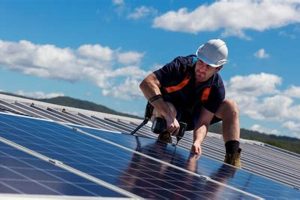
Tip 4: Implement Regular Maintenance Schedules: Establish a routine cleaning and inspection plan to ensure optimal system performance. Dust, debris, and component degradation can significantly reduce energy output.
Tip 5: Monitor System Performance Continuously: Utilize monitoring systems to track energy production and identify potential issues promptly. Data analysis enables proactive maintenance and optimization efforts.
Tip 6: Investigate Available Incentives and Rebates: Research and leverage available government incentives, tax credits, and rebates to reduce initial investment costs and improve project financial viability.
Tip 7: Consider Grid-Tied vs. Off-Grid Systems Carefully: Evaluate energy needs and grid infrastructure to determine the most appropriate system configuration. Grid-tied systems offer cost advantages in many areas, while off-grid systems provide energy independence in remote locations.
Implementing these recommendations can enhance the economic and environmental performance of solar energy investments. Proactive planning and diligent management are essential for realizing its full potential.
By considering these actionable points, stakeholders can make informed decisions regarding the integration of solar power within diverse energy portfolios.
1. Intermittency

The intermittent nature of solar radiation is a fundamental factor influencing the overall feasibility and integration of solar energy into existing power grids. This variability, stemming from diurnal cycles, weather patterns, and seasonal changes, directly affects the reliability and predictability of solar power generation. As a result, it is a significant disadvantage that must be addressed to fully realize its potential. For instance, a solar farm operating at peak capacity during midday can experience a drastic reduction in output during cloudy conditions or at night, necessitating alternative energy sources or storage solutions to maintain a consistent power supply.
The challenges posed by intermittency have spurred innovation in energy storage technologies, such as battery systems and pumped hydro storage. These solutions aim to decouple energy generation from consumption, allowing excess solar energy produced during peak hours to be stored and released when demand exceeds supply or when solar irradiation is low. The economic viability of these storage solutions, however, remains a critical consideration, as the cost of storage can significantly impact the overall cost-effectiveness of solar energy. Furthermore, accurate forecasting models are essential for managing intermittency and coordinating solar power output with other grid resources.
Ultimately, effectively mitigating the challenges of intermittency is crucial for maximizing the advantages of solar power, such as its environmental benefits and long-term sustainability. Addressing this limitation through technological advancements, grid integration strategies, and robust forecasting methods is essential for unlocking its full potential and ensuring a reliable and affordable energy supply. Understanding and adapting to solar energys inherent variability is therefore paramount to its successful integration into future energy systems.
2. High Initial Costs

The substantial upfront investment associated with solar energy systems presents a significant economic hurdle, directly impacting its widespread adoption and influencing the overall assessment of benefits and drawbacks.
- Manufacturing and Procurement Expenses
The production of photovoltaic (PV) panels involves energy-intensive processes and the utilization of specialized materials, contributing to elevated manufacturing costs. The subsequent procurement and transportation of these panels to installation sites further add to the overall financial burden. These expenses can render solar energy systems less competitive compared to conventional energy sources with lower initial capital requirements.
- Installation and Infrastructure Development
The installation process, including site preparation, mounting structures, electrical wiring, and grid interconnection, constitutes a considerable portion of the total project cost. Furthermore, the development of necessary infrastructure, such as substations and transmission lines, to accommodate large-scale solar farms can significantly increase the initial financial outlay.
- Financing and Investment Considerations
Securing financing for solar energy projects often requires demonstrating long-term economic viability and a favorable return on investment. The high initial capital expenditure can increase the perceived risk for investors, potentially leading to higher interest rates or difficulty in obtaining funding. This can create a barrier to entry for smaller-scale projects or those in regions with less-established solar markets.
- Technological Obsolescence and Component Lifespan
The rapid pace of technological advancements in solar energy can lead to concerns about potential obsolescence. While solar panels typically have a lifespan of 25-30 years, newer, more efficient technologies may emerge, potentially diminishing the economic value of older systems. Additionally, the replacement of components, such as inverters, during the system’s operational life represents an additional cost consideration.
Addressing the challenge of high initial costs is crucial for promoting the broader adoption of solar energy. Government incentives, technological advancements, and innovative financing models can play a vital role in reducing the financial barriers and enhancing its competitiveness within the evolving energy landscape. Over time, a reduction in initial capital will play a crucial part in any evaluation of solar power.
3. Land Use

The allocation of land resources constitutes a critical consideration in the deployment of solar energy infrastructure. Its spatial requirements necessitate careful evaluation of environmental impact, competing land uses, and overall sustainability, factors integral to any comprehensive assessment.
- Scale of Deployment
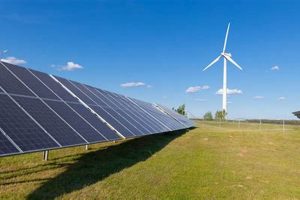
Large-scale solar photovoltaic (PV) farms require extensive land areas to generate substantial amounts of electricity. This can lead to habitat disruption, soil erosion, and visual impacts on landscapes. For example, the construction of a multi-megawatt solar facility may necessitate clearing vegetation and altering natural terrain, potentially impacting local biodiversity and ecosystem function. Conversely, distributed solar installations, such as rooftop panels, minimize land use conflicts but may have limited energy generation capacity.
- Competing Land Uses
Solar energy development often competes with other land uses, including agriculture, forestry, and urban development. The conversion of agricultural land for solar farms can reduce food production and affect local economies. Similarly, siting solar facilities in forested areas can result in deforestation and loss of valuable carbon sinks. Careful planning and zoning regulations are essential to balance energy needs with other land-use priorities.
- Site Selection and Environmental Impact
The selection of suitable sites for solar energy facilities requires thorough environmental impact assessments. Factors such as proximity to sensitive habitats, wetlands, and cultural resources must be considered. Mitigating measures, such as habitat restoration and stormwater management, can help minimize the environmental footprint of solar projects. Brownfields and degraded lands may offer alternative sites that reduce the need for pristine land conversion.
- Dual-Use Strategies
Innovative land-use strategies can enhance the sustainability of solar energy development. Agrivoltaics, for instance, involves integrating solar panels with agricultural practices, allowing for simultaneous food production and energy generation. Grazing livestock beneath solar panels can also provide vegetation management and enhance farm income. These dual-use approaches maximize land utilization and minimize conflicts between energy production and other land-based activities.
Effective land management practices are essential for realizing the full potential of solar energy while minimizing its environmental and social impacts. Careful site selection, strategic planning, and innovative land-use strategies can help balance the benefits of solar power with the need to protect valuable land resources and promote sustainable development.
4. Low Operating Costs

The characteristic of minimal operational expenditures is a significant factor when evaluating solar energy as a renewable resource. Once the initial capital investment is made, solar installations necessitate very little ongoing expense. This is primarily due to the absence of fuel costs, a considerable advantage compared to fossil fuel-based power plants. The absence of fuel procurement, transportation, and combustion processes significantly reduces operational complexity and vulnerability to price fluctuations in the global energy market. The primary operating costs associated with solar energy relate to maintenance, monitoring, and occasional component replacement. For instance, a large-scale solar farm may require periodic cleaning of solar panels to maintain optimal efficiency, as well as routine inspections of electrical infrastructure. However, these expenses are typically a fraction of the operating costs associated with traditional power generation methods. The practical significance of these low costs is that it can lead to predictable energy expenses over the lifespan of the system, allowing greater financial planning.
This advantage manifests in several ways. Public utilities utilizing solar energy sources can stabilize electricity prices for consumers, mitigating the impact of volatile fossil fuel prices. Businesses that invest in on-site solar generation can reduce their operational overhead and improve their bottom line. Furthermore, in developing nations, where access to affordable energy can be limited, solar energy provides an opportunity for energy independence and economic empowerment. Community-owned solar projects, for example, can generate revenue for local communities, foster job creation, and enhance energy security. However, the full realization of benefits is dependent on reliable weather patterns to maximize the production potential.
In conclusion, the low operating costs associated with solar energy constitute a substantial advantage that enhances its competitiveness and sustainability. While intermittency and initial capital investment present challenges, the minimal ongoing expenses contribute to long-term economic benefits and energy independence. This characteristic makes solar energy a potentially vital component of a diversified and sustainable energy portfolio. Understanding the economic dynamics can better inform energy policy and business investment in this sector.
5. Reduced Emissions

The capacity of solar energy systems to curtail atmospheric pollutants is a central consideration in assessing their overall benefits and limitations. This reduction in emissions has profound implications for environmental stewardship and public health, thereby influencing energy policy and investment decisions. It is a major incentive to adopt solar energy as a sustainable option.
- Displacement of Fossil Fuel Combustion
The generation of electricity via solar photovoltaic (PV) technology directly offsets the need for fossil fuel-based power plants, traditionally reliant on coal, natural gas, and oil. The combustion of these fuels releases substantial quantities of greenhouse gases, including carbon dioxide (CO2), methane (CH4), and nitrous oxide (N2O), as well as air pollutants such as sulfur dioxide (SO2) and nitrogen oxides (NOx). The utilization of solar energy directly mitigates these emissions, thereby reducing the environmental footprint of energy production. For instance, a 1 MW solar installation can displace hundreds of tons of CO2 emissions annually, depending on the regional grid’s energy mix.
- Minimization of Air Pollutants
In addition to greenhouse gases, fossil fuel combustion releases a range of air pollutants that contribute to respiratory illnesses, cardiovascular problems, and other adverse health effects. Solar energy generation, by contrast, produces no such pollutants during operation. This translates to improved air quality, especially in urban areas with high levels of traffic and industrial activity. The reduced exposure to pollutants can result in significant public health benefits, including lower healthcare costs and improved quality of life.
- Life Cycle Emissions Analysis
While solar energy systems produce no emissions during operation, their manufacturing, transportation, and disposal processes do involve some environmental impact. A comprehensive life cycle assessment (LCA) is essential to accurately quantify the net reduction in emissions achieved by solar energy. Studies have shown that even when accounting for the emissions associated with the entire life cycle, solar energy systems have a significantly lower carbon footprint than fossil fuel-based alternatives. Continued advancements in manufacturing processes and recycling technologies are further reducing the life cycle emissions of solar energy.
- Contribution to Climate Change Mitigation
The widespread adoption of solar energy plays a crucial role in mitigating climate change and meeting global emissions reduction targets. By displacing fossil fuels, solar energy contributes to decarbonizing the energy sector and reducing the accumulation of greenhouse gases in the atmosphere. This, in turn, helps to limit global warming and prevent the most severe impacts of climate change, such as rising sea levels, extreme weather events, and ecosystem disruption. The contribution of solar to these efforts requires ongoing investment to expand capacity.
The reduction in emissions achieved through solar energy is a multifaceted benefit that extends beyond environmental protection. The positive impacts on public health, climate change mitigation, and energy security underscore its importance as a key component of a sustainable energy future. However, these advantages must be weighed against the challenges associated with intermittency, land use, and initial capital costs to ensure the effective deployment and integration of solar energy into the global energy mix. A holistic perspective is therefore a necessity for any evaluation of solar power’s long-term prospects.
6. Energy Security
Energy security, defined as the uninterrupted availability of energy sources at an affordable price, is intrinsically linked to solar power. Harnessing sunlight reduces reliance on imported fossil fuels, thus diminishing vulnerability to geopolitical instability and price volatility. A nation’s dependence on a single or limited number of energy suppliers exposes it to supply disruptions caused by political conflicts, natural disasters, or infrastructure failures. Solar, as a domestically available resource, diversifies the energy mix and strengthens a nation’s energy independence.
The decentralized nature of solar installations further bolsters energy security. Distributed generation, such as rooftop solar panels on homes and businesses, diminishes the risk of large-scale outages affecting entire regions. In the event of a grid failure, homes with solar and battery storage systems can continue to operate, providing critical power for essential services. Germany, for example, has strategically invested in solar energy to reduce its dependence on Russian natural gas. This diversification enhances its energy resilience and strengthens its geopolitical leverage. Additionally, solar installations in remote areas, not connected to the main grid, provide access to electricity for communities that were previously energy-isolated, supporting local economic development and improving quality of life.
Despite its advantages, solar energy’s intermittency presents a challenge to energy security. The dependence on weather conditions necessitates investments in energy storage solutions or backup generation capacity to ensure a continuous power supply. Furthermore, the supply chains for solar panel components, such as silicon and rare earth minerals, require careful management to avoid potential disruptions. Nevertheless, the overall contribution of solar to energy security is substantial, as it reduces reliance on volatile global fossil fuel markets and promotes a more resilient and diversified energy system. Addressing intermittency through technological advancements and strategic grid planning can further enhance its role in ensuring a secure and affordable energy supply for the future.
Frequently Asked Questions
The following questions address common inquiries related to solar energy, offering clarity on its practical implications and strategic significance within the broader energy landscape.
Question 1: What are the primary environmental benefits associated with solar energy compared to fossil fuels?
Solar energy generation produces minimal greenhouse gas emissions during operation, contrasting sharply with fossil fuels that release substantial quantities of carbon dioxide and other pollutants. This contributes significantly to mitigating climate change and improving air quality.
Question 2: How does the intermittency of solar radiation impact grid reliability and stability?
Variations in sunlight availability due to weather patterns and diurnal cycles can affect the predictability of solar power output. Energy storage solutions and sophisticated grid management strategies are essential for addressing this intermittency and maintaining a consistent electricity supply.
Question 3: What factors contribute to the high initial costs of solar energy systems, and how can these costs be reduced?
Manufacturing processes, installation expenses, and infrastructure development contribute to the initial capital expenditure. Government incentives, technological advancements, and economies of scale can help to lower these costs and improve the economic viability of solar projects.
Question 4: How does the land use requirements of large-scale solar farms affect ecosystems and competing land uses?
Extensive land areas may be required for large solar installations, potentially leading to habitat disruption and competition with agriculture or forestry. Careful site selection, environmental impact assessments, and innovative land-use strategies are crucial for minimizing these impacts.
Question 5: How does distributed solar generation enhance energy security compared to centralized power plants?
Decentralized solar installations, such as rooftop panels, reduce reliance on a limited number of centralized power plants and transmission lines. This enhances resilience to grid failures and geopolitical disruptions, strengthening a nation’s energy independence.
Question 6: What are the long-term economic benefits of low operating costs associated with solar energy systems?
Reduced fuel expenses and minimal maintenance requirements translate to predictable energy costs over the lifespan of a solar installation. This can stabilize electricity prices, improve business profitability, and promote energy independence, particularly in developing regions.
In summary, addressing challenges such as intermittency and initial investment is pivotal to leveraging solar energy’s considerable environmental and economic advantages. Strategic planning and ongoing technological progress are essential for realizing its full potential within a sustainable energy future.
The subsequent section will delve into future trends and innovations that are likely to shape the role of solar energy in the evolving energy landscape.
Solar Renewable Energy
This exploration has illuminated the multifaceted nature of solar energy, acknowledging both its significant contributions to a sustainable energy future and the challenges that impede its seamless integration into the global energy infrastructure. Key considerations encompass the environmental benefits stemming from reduced emissions, the economic implications of fluctuating initial investment and sustained low operating costs, and the logistical hurdles presented by intermittency and land use considerations.
Ultimately, realizing the full potential of solar power demands a balanced and pragmatic approach. Ongoing technological advancements, coupled with strategic policy initiatives, are paramount to mitigating its inherent limitations and optimizing its deployment. The future trajectory of energy production and consumption hinges, in part, on a continued, critical evaluation of these advantages and disadvantages and a concerted effort to maximize the former while addressing the latter.