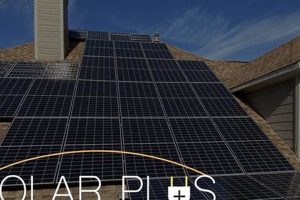
The continuous availability of energy derived from the sun designates it as a sustainable power source. Unlike finite resources that deplete with extraction and use, this energy form is replenished naturally and consistently over time. The sun’s radiant light and heat can be harnessed through various technologies, such as photovoltaic cells and concentrated solar power systems, to generate electricity or provide thermal energy for heating and cooling.
Utilizing this energy source reduces dependence on fossil fuels, mitigating greenhouse gas emissions and diminishing the environmental impact associated with traditional energy production. The sun’s inexhaustible nature ensures a long-term energy supply, promoting energy security and reducing price volatility linked to depleting resources. Historically, civilizations have benefited from the sun’s warmth and light, and modern technologies have amplified this potential, transforming it into a viable and scalable alternative to conventional power generation.
Consequently, examining the mechanisms of solar energy conversion, its integration into existing power grids, and the technological advancements driving its efficiency becomes crucial for understanding its role in a sustainable energy future. Furthermore, investigating the economic considerations, policy frameworks, and social implications of widespread solar energy adoption is essential for realizing its full potential as a cornerstone of a clean and resilient energy system.
Maximizing the Benefits of Solar Power
Harnessing energy from the sun presents numerous advantages for individuals, businesses, and the environment. To optimize its use and contribute to a sustainable future, consider the following strategies.
Tip 1: Conduct a Thorough Site Assessment: Evaluate solar irradiance levels, shading factors, and roof orientation to determine the optimal placement and size of a solar energy system. Professional assessments can ensure maximum energy capture.
Tip 2: Select High-Efficiency Solar Panels: Invest in panels with high conversion efficiencies to generate more electricity from the available sunlight. Research reputable manufacturers and compare performance ratings to make informed decisions.
Tip 3: Implement Energy Storage Solutions: Combine solar panel systems with battery storage to capture excess energy generated during peak sunlight hours. This stored energy can be used during periods of low sunlight or power outages, enhancing energy independence.
Tip 4: Prioritize Regular System Maintenance: Schedule routine inspections and cleaning to ensure optimal performance. Remove any debris, such as leaves or dust, that can obstruct sunlight and reduce energy generation.
Tip 5: Monitor Energy Production and Consumption: Utilize monitoring systems to track energy generation and consumption patterns. Analyze this data to identify opportunities for improving energy efficiency and optimizing system performance.
Tip 6: Explore Government Incentives and Rebates: Research and take advantage of available federal, state, and local incentives that can significantly reduce the upfront cost of installing solar energy systems. These incentives often include tax credits, rebates, and grants.
Implementing these strategies will maximize the potential of sunlight derived energy, fostering energy independence, reducing environmental impact, and promoting a sustainable energy future.
Adopting these practices facilitates a transition towards a more environmentally conscious and economically viable energy landscape, securing a cleaner and more sustainable future.
1. Inexhaustible solar radiation

Inexhaustible solar radiation is the fundamental attribute underpinning solar energy’s classification as a renewable resource. The constant and abundant supply of energy emitted by the sun, measured consistently over geological timescales, ensures a virtually unlimited energy source for human utilization. Solar radiation’s persistent delivery directly addresses the core principle of renewability: a resource’s capacity to replenish itself at a rate equal to or exceeding its rate of consumption. Without this continuous energy influx, the technical apparatus designed to capture and convert solar energy would quickly become obsolete, rendering solar power a finite rather than a renewable option. The persistent energy emission from the sun is the sine qua non of all forms of terrestrial life and provides energy for solar technologies.
The practical significance of inexhaustible solar radiation is evident in the widespread adoption of solar power technologies. Photovoltaic panels, for example, convert sunlight directly into electricity, capitalizing on the perpetual stream of photons emitted by the sun. Concentrated solar power plants utilize mirrors to focus solar radiation, generating heat that drives turbines and produces electricity. These applications rely entirely on the sun’s enduring radiant energy. Consider, for example, solar farms operating in arid regions; their feasibility hinges on the predictable and abundant sunlight characteristic of these areas. The longevity of these operations depends directly on the sustained provision of solar radiation.
In conclusion, the unwavering provision of solar radiation is both a necessary and sufficient condition for classifying solar energy as a renewable resource. Its persistence guarantees a continuous supply of energy, enabling the sustainable operation of solar technologies and contributing to a diversified and resilient energy portfolio. While atmospheric conditions and geographic location influence the amount of solar radiation available at any given point on Earth, the underlying principle of its inexhaustibility remains constant, solidifying solar energy’s status as a cornerstone of sustainable energy development.
2. Continuous energy replenishment

Continuous energy replenishment stands as a pivotal reason for categorizing solar energy as a renewable resource. Unlike finite energy sources that diminish upon extraction, solar energy is perpetually renewed by the suns ongoing nuclear fusion processes. This section will explore facets elucidating the replenishment mechanism and its implications.
- Solar Fusion Dynamics
The suns energy generation relies on nuclear fusion, a process converting hydrogen into helium within its core. This process releases immense energy in the form of electromagnetic radiation, including light and heat. The rate of fusion ensures a continuous output of solar radiation for billions of years, essentially negating the concept of resource depletion relevant to fossil fuels. This constant output is fundamental to the renewability.
- Atmospheric Insolation and Solar Flux
The Earth receives a consistent flux of solar energy known as insolation. While atmospheric conditions influence the amount of solar radiation reaching the surface, the overall energy influx remains predictable and consistent. This predictability allows for efficient energy harvesting through solar technologies. Weather patterns cause daily/seasonal variation, the total amount energy reaching Earth’s atmosphere stays largely the same.
- Operational Lifespan vs. Replenishment Rate
The lifespan of solar energy harvesting technologies, such as photovoltaic panels, is finite, typically ranging from 25 to 30 years. However, the energy these technologies capture over their lifespan significantly exceeds the energy required for their manufacture and deployment. Furthermore, the constant supply of solar radiation ensures continuous energy generation throughout their operational lifetime, aligning with the concept of sustainability.
- Scale of Solar Energy Potential
The total solar energy incident on Earth far surpasses current global energy demands. Even with technological constraints in capturing and converting solar radiation, the theoretical potential greatly exceeds global energy requirements. Utilizing a fraction of this available solar radiation could meet a significant portion of the world’s energy needs, demonstrating the viability of solar energy as a sustainable and long-term energy solution.
In summary, the continuous energy replenishment stemming from the sun’s fusion reactions, the constant flux of solar radiation reaching Earth, and the sustainable operation of solar technologies collectively affirm solar energy’s classification as a renewable resource. The scale of solar energy potential positions it as a viable and sustainable alternative to depleting fossil fuels, ensuring long-term energy security.
3. Minimal resource depletion

The attribute of minimal resource depletion is intrinsically linked to solar energy’s designation as a renewable resource. While the construction and deployment of solar energy technologies, such as photovoltaic panels and concentrated solar power plants, require resources like silicon, aluminum, and steel, the consumption of these materials is significantly less impactful compared to the extraction and combustion of fossil fuels. The fundamental difference lies in the nature of resource use: solar energy utilizes these materials to build infrastructure that, once established, harnesses a perpetually replenished energy source, whereas fossil fuel energy systems continually deplete finite reserves.
The environmental impact of resource extraction for solar energy systems is localized and, with responsible mining practices, can be mitigated. Furthermore, technological advancements are driving innovations in solar panel design and manufacturing, reducing the quantity of materials required and increasing the lifespan and efficiency of the panels. Recycling initiatives for end-of-life solar panels are also gaining momentum, further minimizing resource depletion and promoting a circular economy. In contrast, the extraction of fossil fuels involves extensive environmental damage, including habitat destruction, water pollution, and greenhouse gas emissions. The combustion of these fuels releases harmful pollutants into the atmosphere, contributing to climate change and negatively impacting public health. Therefore, when considering the entire life cycle of both solar and fossil fuel energy systems, the difference in resource depletion is substantial and favors solar energy.
In conclusion, the minimal resource depletion associated with solar energy contributes significantly to its sustainability and reinforces its classification as a renewable resource. While the construction of solar energy infrastructure does require resources, the relatively small quantity consumed compared to the continual extraction and combustion of fossil fuels makes solar energy a more environmentally responsible and sustainable energy solution. Further advancements in materials science, manufacturing processes, and recycling initiatives will continue to minimize resource depletion and enhance the long-term viability of solar energy as a key component of a clean energy future.
4. Reduced environmental impact

A reduced environmental impact is a fundamental reason for classifying solar energy as a renewable resource. The extraction, processing, and combustion of fossil fuels are associated with significant environmental consequences, including greenhouse gas emissions, air and water pollution, and habitat destruction. Solar energy, in contrast, relies on a perpetually replenished source, minimizing the direct environmental harm associated with fuel procurement and utilization. This reduction in environmental impact is not merely a byproduct of solar energy but a core characteristic contributing to its sustainability. A tangible example is the reduction in carbon dioxide emissions from electricity generation. Solar photovoltaic systems produce electricity without emitting greenhouse gases during operation, thereby mitigating climate change. In regions heavily reliant on coal-fired power plants, the transition to solar energy has demonstrably improved air quality and reduced respiratory illnesses. Understanding this connection is crucial for policymakers and energy planners seeking to transition to a cleaner energy future.
The lifecycle analysis of solar energy systems reveals further reductions in environmental impact compared to conventional energy sources. While the manufacturing of solar panels involves the use of energy and materials, advancements in manufacturing processes and material recycling are continually reducing the environmental footprint of solar panel production. Furthermore, the land use requirements for large-scale solar installations can be managed through careful planning and siting, minimizing habitat disruption. Integrating solar energy into the grid also reduces the need for long-distance transmission lines, which can have significant environmental impacts. For instance, rooftop solar installations can generate electricity directly at the point of consumption, reducing transmission losses and minimizing the need for new transmission infrastructure.
In summary, the reduced environmental impact is an intrinsic aspect of solar energy’s renewability. It results from the avoidance of fuel extraction and combustion, coupled with ongoing efforts to minimize the environmental footprint of solar technology manufacturing and deployment. Addressing remaining challenges, such as material recycling and land use planning, is crucial for fully realizing the environmental benefits of solar energy and solidifying its role as a cornerstone of a sustainable energy future. The nexus between a minimized environmental burden and renewable energy sources like solar represents a vital step in achieving global sustainability goals and mitigating the adverse effects of climate change.
5. Sustainable energy source

The designation of solar energy as a “sustainable energy source” is directly contingent upon it being a “renewable resource.” The renewable nature of solar energy, stemming from the virtually inexhaustible supply of solar radiation, ensures its long-term availability and reduces reliance on finite resources. This sustainability manifests in several key aspects. Firstly, the constant replenishment of solar energy mitigates the risk of resource depletion, a primary concern with fossil fuels. Secondly, utilizing sunlight minimizes environmental degradation associated with extraction, transportation, and combustion processes common to traditional energy sources. For instance, large-scale solar farms, once established, can generate electricity for decades with minimal ongoing resource input beyond maintenance, showcasing a sustainable operational model.
The practical significance of understanding solar energy as a sustainable source extends to energy policy and infrastructure development. Governments and private sector entities are increasingly investing in solar energy projects to diversify energy portfolios and enhance energy security. Solar energy’s distributed generation capabilities, exemplified by rooftop solar installations, promote energy independence and resilience at the individual and community levels. Furthermore, the scalability of solar energy, from small-scale residential systems to large-scale utility plants, allows for tailored implementation to meet varying energy demands. Consider Germany’s Energiewende policy, which prioritizes renewable energy sources, including solar, to achieve a sustainable energy system and reduce greenhouse gas emissions.
In conclusion, solar energy’s classification as a sustainable energy source is inseparable from its fundamental attribute as a renewable resource. The continuous replenishment of solar radiation, coupled with minimal environmental impact and versatile implementation options, positions solar energy as a critical component of a sustainable energy future. While challenges remain in optimizing solar energy efficiency and grid integration, its sustainability advantages solidify its role in transitioning towards a cleaner and more resilient energy system. Ongoing research and development efforts will further enhance solar energy’s sustainability credentials and facilitate its widespread adoption globally.
6. Long-term energy security

Long-term energy security, defined as the reliable and affordable supply of energy over an extended period, is intrinsically linked to the exploitation of renewable resources, most notably solar. A fundamental characteristic of solar energy that directly supports energy security is its status as a renewable resource. The following points outline the crucial aspects of this connection.
- Diversification of Energy Sources
Solar energy contributes to long-term energy security by diversifying energy sources, reducing dependence on fossil fuels which are subject to geopolitical instability and price volatility. Reliance on a mix of energy sources, including solar, enhances a nation’s resilience to disruptions in the supply of any single energy commodity. For example, countries with significant solar energy capacity experienced greater energy independence during periods of international conflict or economic sanctions affecting fossil fuel supplies.
- Decentralized Energy Production
Solar energy facilitates decentralized energy production through distributed generation technologies like rooftop solar panels and community solar projects. This decentralization reduces vulnerability to large-scale grid failures and provides energy access to remote areas where extending the central grid is economically unfeasible. The distributed nature of solar energy enhances energy security by creating a more resilient and adaptable energy infrastructure.
- Predictable Energy Availability
While solar energy generation fluctuates with weather patterns and seasonal variations, the overall availability of solar radiation is predictable. This predictability allows for accurate forecasting of solar energy output, enabling grid operators to effectively integrate solar energy into the electricity system and manage supply fluctuations. Energy storage technologies, such as batteries, further enhance the predictability and reliability of solar energy, contributing to long-term energy security.
- Reduced Exposure to Price Volatility
Unlike fossil fuels, which are subject to volatile global markets and geopolitical influences, solar energy costs are relatively stable once the initial investment in infrastructure is made. The marginal cost of generating electricity from solar energy is minimal, reducing exposure to price fluctuations and providing greater price stability for consumers and businesses. This price stability enhances energy affordability and predictability, contributing to long-term energy security.
In summation, the inherent attributes of solar energy as a renewable resource diversification, decentralization, predictable availability, and reduced price volatility collectively contribute to enhanced long-term energy security. Increased investment in solar energy and supporting technologies is crucial for nations seeking to achieve sustainable and secure energy systems, reducing dependence on finite fossil fuel resources and mitigating the risks associated with energy supply disruptions.
7. Sun's constant availability
The designation of solar energy as a renewable resource is predicated on the sun’s constant availability. The consistent emission of solar radiation, a product of continuous nuclear fusion within the sun’s core, provides a perpetual source of energy. This permanence distinguishes it from finite resources like fossil fuels, which are subject to depletion. The uninterrupted energy flux from the sun is the foundational element that permits the sustained operation of solar energy technologies. Without this constancy, solar energy would not meet the criteria for renewability.
The impact of the sun’s constant availability can be observed in the practical implementation of solar technologies. For example, solar farms, strategically located in regions with high solar irradiance, consistently generate electricity, contributing to grid stability and reducing reliance on conventional power plants. Similarly, rooftop solar installations offer homeowners a reliable source of energy, lowering electricity bills and decreasing their carbon footprint. The continuous operation of these systems hinges on the sun’s predictable and persistent energy output. Furthermore, the development of energy storage technologies, such as batteries, addresses the intermittency of solar energy, enabling continuous power supply even during periods of cloud cover or nighttime. This integration of storage solutions enhances the reliability and utility of solar energy, solidifying its position as a viable renewable resource.
In summary, the sun’s constant availability is the cornerstone of solar energy’s renewability. Its consistent energy emission enables the sustained operation of solar technologies, contributing to energy security, reducing environmental impact, and promoting a sustainable energy future. Recognizing the criticality of this continuous solar radiation is crucial for policymakers, energy planners, and individuals seeking to transition towards a cleaner and more resilient energy system. The challenge lies in optimizing solar energy capture and conversion to fully harness its potential and maximize its contribution to global energy needs.
Frequently Asked Questions
This section addresses common inquiries regarding solar energy’s classification as a renewable resource. The objective is to clarify misconceptions and provide accurate information supporting its sustainable nature.
Question 1: What fundamentally defines solar energy as a renewable resource?
The defining characteristic is the inexhaustible nature of solar radiation. The sun continuously emits energy as a byproduct of nuclear fusion. This energy is perpetually available for capture and conversion into usable forms, contrasting with finite resources that deplete upon extraction.
Question 2: How does solar energy compare to fossil fuels in terms of renewability?
Solar energy inherently replenishes itself as it comes from the suns energy. Solar radiation continuously is the primary differences. Fossil fuels are finite resources formed over geological timescales. Once extracted and consumed, they are not replenished, making them non-renewable.
Question 3: Is solar energy truly renewable, considering the manufacturing process of solar panels?
While the manufacturing of solar panels requires energy and resources, the energy generated over their operational lifespan significantly surpasses the energy invested in their production. This energy payback ratio, coupled with ongoing efforts to reduce material usage and improve recycling processes, supports its classification as a renewable energy source.
Question 4: Does the variability of sunlight affect solar energy’s renewable status?
Yes, Sunlight varies based on the time of day, seasons, and weather patterns. This intermittency does not negate its renewable nature. Energy storage technologies, grid integration strategies, and accurate forecasting mitigate the challenges associated with solar variability, ensuring a reliable energy supply.
Question 5: What role does technology play in maximizing solar energy’s potential as a renewable resource?
Advancements in solar panel efficiency, energy storage systems, and smart grid technologies enhance the performance and reliability of solar energy. These innovations improve energy capture, reduce energy losses, and facilitate seamless integration into existing power grids, maximizing its renewable energy potential.
Question 6: How does solar energy contribute to long-term energy security as a renewable resource?
Solar energy promotes long-term energy security by diversifying energy sources and reducing dependence on finite fossil fuels subject to geopolitical instability and price volatility. Distributed solar generation also enhances grid resilience and provides energy access to remote regions, strengthening overall energy security.
Solar energys renewable nature ensures continuous and perpetual, minimal environment impact, and energy security. Solar energy serves as reliable means for long term energy needs.
Understanding these considerations is crucial for assessing the potential of solar energy and supporting policies that promote its integration into a sustainable energy future.
Why is Solar Energy a Renewable Resource
The preceding discussion has illuminated the central reasons why solar energy is classified as a renewable resource. The unwavering and virtually inexhaustible nature of solar radiation, the continuous replenishment of solar energy through ongoing fusion processes, minimal resource depletion during operation, and the reduced environmental impact compared to fossil fuels all contribute to this designation. Long-term energy security is further enhanced by diversifying energy sources and reducing reliance on finite and geopolitically sensitive fuel reserves. The sun’s constant availability assures a perpetual energy supply.
Considering the imperative of mitigating climate change and securing a sustainable energy future, continued investment in solar energy technologies and supportive policies is essential. Solar energy’s potential to address global energy needs while minimizing environmental harm positions it as a cornerstone of a resilient and decarbonized energy system. Recognizing and capitalizing on its inherent renewability is paramount for ensuring a sustainable energy future for generations to come.

![Why Solar is a Renewable Source of Energy [Benefits] | Renewable Energy Solutions for a Sustainable Future | Clean & Green Power](https://pplrenewableenergy.com/wp-content/uploads/2026/04/th-454-300x200.jpg "Why Solar is a Renewable Source of Energy [Benefits] Renewable Energy Solutions for a Sustainable Future | Clean & Green Power")