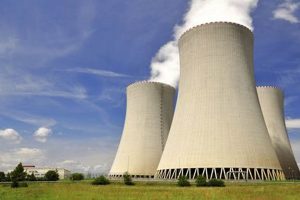
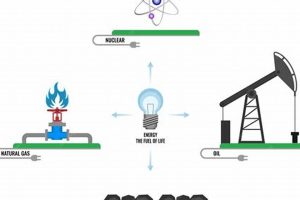
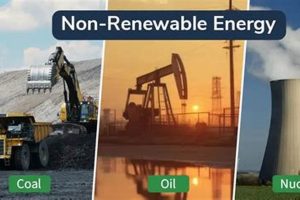
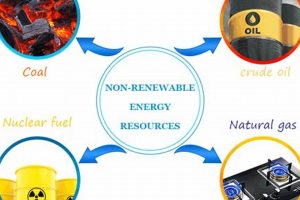
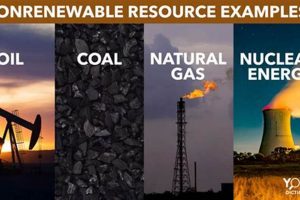
Uranium, the fuel for nuclear power generation, is a finite resource extracted from the Earth. While nuclear power plants offer a substantial energy output with minimal greenhouse gas emissions during operation, the fuel supply itself is not replenishable on a human timescale. This characteristic distinguishes it from renewable energy sources like solar, wind, and hydro, which are naturally replenished.
The finite nature of uranium reserves has significant implications for long-term energy planning. Although existing uranium resources can power nuclear plants for decades, perhaps centuries, depending on consumption rates and technological advancements like breeder reactors, its eventual depletion necessitates consideration of alternative energy strategies. Historically, nuclear power was developed as a response to increasing energy demands and concerns about fossil fuel dependence. Its role in a sustainable energy mix continues to be a topic of debate, balancing its advantages against the limitations of its fuel source.
This article will further explore the complexities of uranium supply, the potential of advanced reactor technologies, and the challenges associated with nuclear waste disposal. The implications of finite uranium reserves for future energy security and the transition to a sustainable energy landscape will also be examined.
Understanding the Implications of Finite Uranium Resources
The non-renewable nature of nuclear fuel necessitates careful consideration and proactive strategies for long-term energy security. The following tips offer insights into navigating the complexities of uranium-based power generation.
Tip 1: Support Research and Development: Continued investment in research and development is crucial for improving the efficiency of uranium utilization in existing reactors and exploring alternative reactor designs. This includes investigating advanced fuel cycles and breeding technologies that can extend the lifespan of uranium resources.
Tip 2: Diversify Energy Sources: Reliance on a single energy source, even one as powerful as nuclear fission, presents vulnerabilities. Diversifying the energy mix with renewable sources like solar, wind, and geothermal can mitigate the risks associated with finite uranium supplies.
Tip 3: Promote Responsible Uranium Mining: Uranium mining operations must adhere to stringent environmental regulations to minimize their impact on surrounding ecosystems. Supporting responsible mining practices is essential for sustainable uranium utilization.
Tip 4: Address Nuclear Waste Management: Safe and effective long-term storage solutions for nuclear waste are vital. Continued development and implementation of robust waste management strategies are crucial components of responsible nuclear energy utilization.
Tip 5: Engage in Informed Public Discourse: Open and transparent communication about the benefits, risks, and limitations of nuclear energy is essential. Informed public discourse can contribute to sound policy decisions regarding the role of nuclear power in a sustainable energy future.
Tip 6: International Collaboration: Global cooperation on research, development, and regulation related to nuclear energy is essential for ensuring its safe and sustainable utilization. Sharing best practices and collaborating on technological advancements can benefit all nations.
By understanding the limitations of finite uranium resources and actively engaging in the development of sustainable energy solutions, a secure energy future can be ensured.
This discussion on navigating the complexities of uranium-based power generation leads to the broader examination of sustainable energy strategies and the future of global power production.
1. Uranium
The non-renewable nature of nuclear energy stems directly from the finite nature of its primary fuel source: uranium. Uranium, a naturally occurring element found in the Earth’s crust, undergoes fission in nuclear reactors, releasing substantial energy. However, like all mined resources, uranium exists in finite quantities. This finite supply inherently limits the long-term potential of nuclear energy as a sustainable power source. The rate of uranium consumption in current reactor designs further underscores the importance of this limitation. For example, a typical 1,000-megawatt nuclear power plant consumes approximately 27 tonnes of enriched uranium annually. While current global uranium reserves are estimated to last for several decades at current consumption rates, increasing demand could significantly shorten this timeframe.
The finite nature of uranium resources necessitates several strategic considerations. Firstly, it emphasizes the importance of maximizing the efficiency of uranium utilization in existing reactors. Secondly, it drives research and development into alternative reactor designs and fuel cycles, including breeder reactors and thorium-based fuels. Breeder reactors, for instance, can convert non-fissile uranium-238 into fissile plutonium-239, effectively extending the lifespan of uranium resources. Additionally, exploring alternative fuel sources, such as thorium, offers the potential to diversify nuclear fuel supplies and reduce reliance on uranium. Finally, the limited nature of uranium highlights the crucial role of responsible uranium mining practices to minimize environmental impact and ensure sustainable resource management.
The finite supply of uranium presents a fundamental challenge to the long-term sustainability of nuclear energy. Addressing this challenge requires a multi-faceted approach encompassing technological advancements, responsible resource management, and diversification of energy sources. Ultimately, recognizing the finite nature of uranium is crucial for developing realistic long-term energy strategies and ensuring a secure energy future.
2. Extraction

Uranium extraction, a necessary process for nuclear energy production, carries significant environmental consequences, inextricably linking it to the non-renewable nature of this power source. The process, whether through conventional open-pit mining or in-situ leaching, disrupts ecosystems and generates waste. Open-pit mining involves large-scale excavation, leading to habitat destruction, soil erosion, and groundwater contamination. In-situ leaching, while less disruptive on the surface, introduces chemical solutions into the ground, potentially contaminating aquifers and impacting surrounding water quality. These environmental impacts must be weighed against the benefits of nuclear energy, particularly its low carbon emissions during operation.
The extraction process also generates tailings, radioactive waste material left after uranium ore processing. Tailings ponds, designed to contain these materials, pose long-term environmental risks, including potential leakage and radon emissions. Furthermore, transporting uranium ore and processed fuel also presents environmental hazards. Accidents or spills during transport can release radioactive materials into the environment, posing risks to human health and ecosystems. For example, the Church Rock uranium mill spill in 1979 contaminated the Puerco River in New Mexico with radioactive waste, highlighting the potential for environmental disasters associated with uranium extraction and transport.
Minimizing the environmental impact of uranium extraction requires stringent regulations, advanced technologies, and robust monitoring. Remediation efforts at former mining sites are essential for restoring ecosystems and mitigating long-term environmental risks. Furthermore, research into more efficient extraction methods and alternative nuclear fuel sources can contribute to a more sustainable approach to nuclear energy. Ultimately, understanding the environmental consequences of uranium extraction is critical for evaluating the full lifecycle impacts of nuclear energy and developing responsible strategies for its use.
3. Waste
The non-renewable nature of nuclear energy necessitates careful consideration of long-term waste storage, a significant challenge directly linked to the use of finite uranium resources. Spent nuclear fuel, containing highly radioactive byproducts, requires safe and secure storage for thousands of years to prevent environmental contamination and protect human health. This long-term management requirement adds another layer of complexity to the nuclear fuel cycle and underscores the importance of sustainable practices.
- Radiotoxicity: Decaying Over Millennia
Spent nuclear fuel contains a complex mixture of radioactive isotopes, some with half-lives spanning thousands of years. This extended period of radiotoxicity requires robust storage solutions capable of containing these materials and preventing their release into the environment for extended durations. For example, Plutonium-239, a major component of spent fuel, has a half-life of 24,100 years. The long-term nature of this hazard necessitates meticulous planning and robust engineering solutions for waste disposal.
- Storage Solutions: Geological Repositories and Beyond
Currently, spent nuclear fuel is primarily stored in interim facilities, such as spent fuel pools and dry cask storage. However, these solutions are not intended for long-term storage. Geological repositories, deep underground facilities designed to isolate nuclear waste from the biosphere for millennia, are considered the most viable long-term solution. Examples include the Onkalo spent nuclear fuel repository in Finland and the Waste Isolation Pilot Plant in the United States. These facilities require careful site selection, extensive engineering, and ongoing monitoring to ensure long-term safety and containment.
- Reprocessing and Advanced Fuel Cycles: Reducing Waste Volume and Radiotoxicity
Reprocessing spent nuclear fuel can separate reusable materials, such as uranium and plutonium, reducing the volume and long-term radiotoxicity of the remaining waste. Advanced fuel cycles, including breeder reactors, offer the potential to further minimize waste generation and extend the lifespan of nuclear fuel resources. While reprocessing offers advantages in terms of waste reduction, it also raises proliferation concerns related to the potential diversion of separated plutonium for weapons purposes.
- Intergenerational Equity: Responsibility for Future Generations
The long-term nature of nuclear waste storage raises ethical considerations related to intergenerational equity. Decisions made today regarding waste management will have profound impacts on future generations, who will bear the responsibility for monitoring and maintaining these storage facilities. This necessitates careful consideration of the long-term risks and benefits of nuclear energy and a commitment to developing sustainable solutions that minimize the burden on future generations.
The challenge of long-term waste storage reinforces the need for a comprehensive and sustainable approach to nuclear energy. Balancing the benefits of low-carbon electricity generation against the long-term responsibilities associated with waste management is crucial for informed decision-making about the role of nuclear power in a sustainable energy future. Developing robust storage solutions, exploring advanced fuel cycles, and fostering international collaboration are essential steps towards addressing this challenge and ensuring the responsible use of nuclear energy.
4. Energy
The high energy output and low operational carbon emissions of nuclear power plants represent a key aspect of the discussion surrounding non-renewable nuclear energy. While the finite nature of uranium raises concerns about long-term sustainability, the substantial energy generation capacity and minimal greenhouse gas emissions during operation position nuclear power as a complex element in the global energy landscape. Understanding this duality is crucial for evaluating its role in addressing climate change and ensuring energy security.
- Power Density: Land Use Efficiency
Nuclear power plants boast significantly higher power density compared to other energy sources, meaning they generate more electricity per unit of land area. This land use efficiency is particularly relevant considering the growing global energy demand and the increasing pressure on land resources. For example, a single nuclear power plant can generate the same amount of electricity as hundreds of wind turbines or a vast solar farm, requiring considerably less land. This efficient land use becomes a crucial factor when evaluating the environmental trade-offs associated with various energy sources.
- Operational Emissions: Climate Change Mitigation
Nuclear power plants emit virtually no greenhouse gases during operation, a critical advantage in mitigating climate change. Unlike fossil fuel-based power plants, which release substantial amounts of carbon dioxide and other greenhouse gases, nuclear plants primarily generate electricity through nuclear fission, a process that does not produce greenhouse gases. This low-carbon operational profile makes nuclear energy an attractive option for reducing greenhouse gas emissions and achieving climate goals, especially in regions with limited renewable energy resources or high energy demands.
- Baseload Power: Grid Stability
Nuclear power plants provide a consistent and reliable source of baseload power, essential for maintaining grid stability. Unlike intermittent renewable sources like solar and wind, nuclear plants operate continuously, providing a stable supply of electricity regardless of weather conditions. This reliability is crucial for ensuring a consistent power supply and preventing grid instability, especially as more intermittent renewable sources are integrated into the energy mix. Nuclear power’s capacity for continuous operation makes it a valuable asset for grid management and reliability.
- Lifecycle Emissions: Uranium Extraction and Waste Disposal
While nuclear power plants produce minimal operational emissions, the entire lifecycle of nuclear energy, from uranium mining to waste disposal, does generate some greenhouse gases. Uranium mining and processing, fuel fabrication, plant construction, and waste disposal all contribute to the overall lifecycle emissions of nuclear energy. While these emissions are typically lower than those associated with fossil fuel-based power generation, they must be considered when evaluating the overall environmental impact of nuclear energy. Furthermore, the long-term management of radioactive waste presents a significant challenge and requires robust solutions to minimize environmental risks and ensure long-term safety.
The high energy output and low operational carbon emissions of nuclear power offer significant advantages in the context of a non-renewable energy source. However, the finite nature of uranium, the environmental impacts of extraction, and the challenges of long-term waste storage necessitate a balanced perspective. Evaluating the role of nuclear energy in a sustainable energy future requires considering these factors alongside its potential contribution to climate change mitigation and energy security. The complexities surrounding nuclear energy underscore the need for ongoing research, technological advancements, and informed public discourse to ensure its responsible and sustainable utilization.
5. Geopolitics
The non-renewable nature of nuclear energy, specifically its reliance on finite uranium resources, adds a significant geopolitical dimension to supply chain security. Unlike renewable energy sources like solar and wind, which are geographically dispersed, uranium reserves are concentrated in a limited number of countries. This concentration creates potential vulnerabilities and dependencies within the nuclear fuel supply chain. Control over uranium resources, processing facilities, and enrichment technologies can become points of leverage in international relations, influencing energy security and potentially exacerbating geopolitical tensions. For instance, overreliance on a single supplier can leave a country vulnerable to price fluctuations, supply disruptions, or political pressure. The 2022 Russian invasion of Ukraine and subsequent disruptions to European gas supplies serve as a stark reminder of the geopolitical risks associated with energy dependence, even though it involved fossil fuels and not uranium. The potential for similar disruptions in the uranium market highlights the importance of supply chain diversification and security in the context of nuclear energy.
Furthermore, the highly sensitive nature of nuclear technology and materials introduces additional geopolitical considerations. The enrichment of uranium, a crucial step in the nuclear fuel cycle, also raises concerns about nuclear proliferation. Enrichment technologies can be used to produce weapons-grade uranium, posing a significant security risk. The international community closely monitors uranium enrichment activities to prevent the spread of nuclear weapons. The case of Iran’s nuclear program exemplifies the geopolitical complexities associated with uranium enrichment and the potential for its misuse. These concerns add another layer of complexity to the nuclear fuel supply chain and underscore the need for robust international safeguards and cooperation to ensure responsible use and prevent proliferation.
Ensuring secure and stable access to nuclear fuel requires a multi-faceted approach. Diversifying uranium supply sources, promoting international cooperation on nuclear fuel cycle technologies, and strengthening non-proliferation efforts are crucial for mitigating geopolitical risks. Developing advanced reactor technologies that utilize alternative fuel cycles, such as thorium-based reactors, could also reduce reliance on uranium and enhance energy independence. Addressing the geopolitical dimensions of nuclear energy is essential for ensuring its long-term viability and preventing it from becoming a source of international conflict. Ultimately, understanding the interplay between geopolitics and nuclear energy is crucial for navigating the complexities of global energy security in a world increasingly reliant on finite resources.
6. Future
The finite nature of uranium, the primary fuel for nuclear energy, necessitates continuous technological advancements to ensure its long-term viability. These advancements focus on improving efficiency, exploring alternative fuel cycles, and addressing the challenges associated with nuclear waste. For instance, advanced reactor designs, such as Generation IV reactors, offer significant improvements in safety, efficiency, and waste reduction compared to current light-water reactors. These designs incorporate features like passive safety systems, higher operating temperatures, and the potential to utilize alternative fuels like thorium, extending the lifespan of nuclear resources and reducing reliance on uranium. Molten salt reactors, a type of Generation IV reactor, can operate with a thorium fuel cycle, which produces less long-lived radioactive waste than uranium. Furthermore, research into closed fuel cycles, where spent nuclear fuel is reprocessed to recover usable materials, aims to minimize waste generation and extend the use of existing nuclear resources. These advancements are crucial for mitigating the constraints imposed by finite uranium reserves and ensuring the long-term sustainability of nuclear energy.
Beyond reactor design, advancements in nuclear fusion hold the potential to revolutionize energy production. Fusion, the process that powers the sun, involves combining light atomic nuclei to release vast amounts of energy. Unlike fission, fusion does not produce long-lived radioactive waste and utilizes readily available fuel sources, such as deuterium from seawater and tritium from lithium. While fusion power remains a long-term goal, significant progress has been made in recent years, with experimental reactors achieving significant milestones in energy output. For example, the ITER project, an international collaboration aimed at demonstrating the feasibility of fusion power, is expected to achieve net energy gain in the coming decades. The successful development of fusion power would represent a paradigm shift in energy production, offering a virtually limitless and environmentally friendly energy source. Further research and development in fusion technology are crucial for realizing its potential as a game-changing energy solution.
Technological advancements play a pivotal role in addressing the challenges associated with the non-renewable nature of nuclear energy. From enhancing the efficiency of existing reactors to exploring alternative fuel cycles and pursuing breakthrough technologies like nuclear fusion, innovation is crucial for ensuring the long-term viability and sustainability of nuclear power. While the finite nature of uranium presents a fundamental constraint, ongoing research and development offer pathways to mitigate these limitations and unlock the full potential of nuclear energy in a sustainable energy future. The continued pursuit of technological advancements remains essential for navigating the complexities of global energy demand and ensuring a secure and sustainable energy future.
Frequently Asked Questions
This section addresses common inquiries regarding the non-renewable nature of nuclear energy, focusing on uranium’s finite nature and its implications for long-term energy planning.
Question 1: How long will global uranium reserves last?
Estimates vary depending on consumption rates and exploration efforts. Current known reserves could last for several decades to a century, but increased demand and limited exploration could shorten this timeframe. Advanced reactor technologies and fuel cycles, such as breeder reactors, could extend the utilization period significantly.
Question 2: If uranium is finite, is nuclear energy truly sustainable?
The sustainability of nuclear energy is a complex issue. While not renewable in the traditional sense, nuclear power offers a low-carbon energy source with substantial energy output. Its long-term sustainability depends on factors like efficient resource utilization, technological advancements in reactor design and fuel cycles, and responsible waste management.
Question 3: What are the implications of uranium’s finite nature for energy security?
The finite nature of uranium necessitates diversification of energy sources to mitigate risks associated with supply disruptions and price volatility. Overreliance on a single fuel source can create geopolitical vulnerabilities. Investing in renewable energy sources and exploring alternative nuclear fuels, such as thorium, are crucial for long-term energy security.
Question 4: How does the non-renewable nature of uranium impact the cost of nuclear energy?
Uranium prices fluctuate based on market dynamics, including supply and demand. The finite nature of uranium can contribute to price increases as readily accessible reserves are depleted, potentially influencing the overall cost of nuclear energy. Technological advancements that improve uranium utilization efficiency can help mitigate cost increases.
Question 5: What are the alternatives to uranium-based nuclear energy?
Research into alternative nuclear fuels, notably thorium, offers potential advantages in terms of abundance, waste reduction, and proliferation resistance. Fusion power, while still under development, represents a potential game-changer with virtually limitless fuel sources. Continued research and development in these areas are crucial for long-term energy sustainability.
Question 6: How does the non-renewable aspect of nuclear energy influence public perception and policy decisions?
Public perception of nuclear energy is influenced by various factors, including concerns about safety, waste disposal, and the finite nature of uranium. These perceptions shape policy decisions regarding nuclear power plant construction, licensing, and waste management strategies. Transparent communication and public education are essential for fostering informed decision-making.
Understanding the implications of uraniums finite nature is crucial for developing responsible long-term energy strategies. A balanced approach that considers both the benefits and limitations of nuclear energy is essential for navigating the complexities of future energy needs.
This FAQ section serves as a foundation for further exploration of the challenges and opportunities associated with non-renewable nuclear energy in the broader context of global energy sustainability.
Nuclear Energy
This exploration of nuclear energy’s non-renewable nature has highlighted the complexities and considerations surrounding its role in the global energy landscape. From the finite nature of uranium reserves and the environmental impact of extraction to the challenges of long-term waste storage and the geopolitical implications of supply chain security, the analysis has underscored the multifaceted nature of this power source. While nuclear energy offers a low-carbon alternative to fossil fuels and contributes significantly to energy security in many regions, its reliance on finite uranium necessitates a balanced perspective. The potential of advanced reactor technologies, alternative fuel cycles, and ongoing research offer pathways to mitigate some of these challenges, but they do not eliminate the fundamental constraint of a finite fuel supply. The discussion also emphasized the importance of responsible resource management, stringent safety regulations, and ongoing international collaboration to ensure the safe and sustainable utilization of nuclear power.
The future of nuclear energy in a sustainable energy landscape requires careful consideration of its non-renewable nature. Continued investment in research and development, diversification of energy sources, and robust waste management strategies are essential for navigating the long-term implications of uranium’s finite supply. The transition to a sustainable energy future demands a comprehensive approach that balances the benefits and limitations of all available energy sources. Open dialogue, informed decision-making, and a commitment to technological innovation are crucial for charting a responsible course towards a secure and sustainable energy future for all.