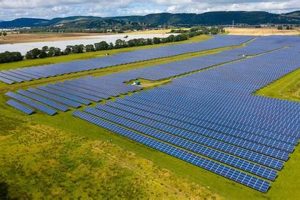
Splitting water into hydrogen and oxygen using electricity, powered by renewable sources like solar or wind, offers a pathway to store and utilize clean energy. This process effectively transforms intermittent renewable electricity into a storable and versatile fuel source, hydrogen. For instance, excess solar power generated during peak sunlight hours can be used to produce hydrogen, which can then be stored and used later to generate electricity when sunlight is unavailable, or for transportation fuel.
This approach presents a significant advantage in decarbonizing sectors reliant on fossil fuels, such as transportation and heavy industry. Hydrogen produced through this method offers a clean alternative to conventional fuels, reducing greenhouse gas emissions and dependence on finite resources. Historically, hydrogen production relied heavily on fossil fuels, but integrating it with renewable electricity sources marks a significant shift towards a sustainable energy future. The ability to store surplus renewable energy as hydrogen addresses the intermittency challenges associated with solar and wind power, paving the way for a more reliable and robust clean energy system.
This foundational understanding of the process and its significance sets the stage for a deeper exploration of specific topics related to hydrogen production from renewable electricity, including different electrolyzer technologies, storage solutions, and potential applications in various sectors.
Tips for Implementing Electrolysis Powered by Renewable Energy
Successful integration of electrolysis powered by renewable energy requires careful consideration of several key factors. The following tips provide guidance for effective implementation.
Tip 1: Optimize Electrolyzer Selection: Different electrolyzer technologies (alkaline, PEM, solid oxide) exhibit varying efficiencies and operational characteristics. Selecting the appropriate technology depends on the specific application and the nature of the renewable energy source.
Tip 2: Strategic Siting of Electrolyzers: Locating electrolyzers near renewable energy sources minimizes transmission losses and enhances overall system efficiency. Co-location with industrial facilities that utilize hydrogen can further optimize resource utilization.
Tip 3: Prioritize Safety Protocols: Hydrogen is flammable and requires stringent safety measures throughout the production, storage, and utilization process. Adherence to established safety standards is crucial.
Tip 4: Invest in Efficient Hydrogen Storage: Effective storage solutions are essential for addressing the intermittency of renewable energy sources. Explore various storage options, including compressed gas, liquid hydrogen, and chemical storage, based on specific needs.
Tip 5: Develop Robust Infrastructure: Widespread adoption necessitates the development of supporting infrastructure, including pipelines and transportation networks, for efficient hydrogen distribution.
Tip 6: Explore Policy and Regulatory Frameworks: Supportive policies and regulations play a vital role in accelerating the deployment of electrolysis powered by renewable energy. Incentives and regulatory clarity can encourage investment and innovation.
Tip 7: Foster Public Awareness: Educating the public about the benefits and safety aspects of hydrogen produced from renewable sources can build public confidence and support for wider adoption.
By considering these key aspects, stakeholders can contribute to the successful integration of electrolysis powered by renewable energy and unlock its potential for a sustainable energy future.
These practical considerations provide a framework for navigating the complexities of implementing this technology. The following conclusion will offer final thoughts on the future of this promising field.
1. Green Hydrogen Production

Green hydrogen production represents a critical pathway for decarbonizing various sectors and achieving a sustainable energy future. It distinguishes itself from other hydrogen production methods by its exclusive reliance on renewable energy sources, specifically through the process of electrolysis. This connection between green hydrogen and electrolysis powered by renewables forms the cornerstone of its environmental and economic significance.
- Renewable Energy Integration
Green hydrogen production intrinsically links renewable energy generation with energy storage and utilization. Excess solar or wind power, often curtailed due to grid limitations, can be harnessed to power electrolyzers, effectively converting intermittent renewable electricity into a storable and dispatchable fuel source.
- Electrolyzer Technologies
The efficiency and cost-effectiveness of green hydrogen production depend significantly on advancements in electrolyzer technologies. Different types, such as alkaline, proton exchange membrane (PEM), and solid oxide electrolyzers, offer varying performance characteristics, and ongoing research focuses on improving their efficiency, durability, and scalability.
- Decarbonizing Industrial Processes
Green hydrogen offers a promising solution for decarbonizing hard-to-abate industrial sectors like steel and chemical production. These industries traditionally rely heavily on fossil fuels, and substituting them with green hydrogen can significantly reduce greenhouse gas emissions.
- Sustainable Transportation Fuel
Green hydrogen can serve as a clean and sustainable fuel for transportation, particularly in fuel cell vehicles. Its use eliminates tailpipe emissions, offering a viable alternative to conventional fossil fuel-powered vehicles.
These facets of green hydrogen production underscore its integral role in the broader context of electrolysis powered by renewable energy. The ability to store and utilize surplus renewable energy as green hydrogen addresses intermittency challenges and unlocks the potential of a truly sustainable energy system. Further advancements in electrolyzer technologies, coupled with strategic integration into various sectors, will continue to drive the growth and impact of green hydrogen in the global transition towards a decarbonized future.
2. Energy Storage Solution

Energy storage stands as a critical component for effectively harnessing the potential of renewable energy sources. The intermittent nature of solar and wind power necessitates robust storage solutions to ensure a consistent and reliable energy supply. Electrolysis, powered by renewable energy, offers a compelling pathway to convert excess electricity into storable chemical energy in the form of hydrogen, thus addressing the intermittency challenge and enabling a transition towards a more sustainable energy system.
- Addressing Intermittency
The fluctuating nature of renewable energy generation creates periods of surplus and deficit in electricity supply. Electrolysis provides a mechanism to store excess renewable energy during periods of high generation, such as peak sunlight hours for solar power or strong winds for wind energy. This stored energy, in the form of hydrogen, can then be utilized during periods of low generation, ensuring a continuous and reliable energy supply. This capability addresses a fundamental challenge associated with renewable energy integration and enhances grid stability.
- Long-Term Energy Storage
Unlike battery storage solutions, which are typically suited for short-term energy storage, hydrogen produced through electrolysis offers the potential for long-term energy storage. This characteristic is particularly valuable for seasonal variations in renewable energy generation, where energy can be stored during periods of high renewable resource availability and utilized during periods of lower availability. For example, excess solar energy generated during summer months can be stored as hydrogen and used during winter months when solar generation is reduced.
- Diverse Applications
Hydrogen generated via electrolysis provides a versatile energy carrier that can be utilized across various sectors. Beyond electricity generation, hydrogen can serve as a fuel for transportation, feedstock for industrial processes, and a heating fuel for buildings. This multi-faceted applicability extends the value of renewable energy beyond the electricity sector and contributes to a more integrated and decarbonized energy system.
- Grid Balancing and Flexibility
Integrating electrolysis into the energy system enhances grid flexibility and stability. By absorbing excess renewable energy generation, electrolysis helps to balance supply and demand dynamics within the grid. This capability mitigates the risk of grid instability caused by fluctuations in renewable energy output and supports the increased penetration of renewable energy sources into the electricity mix.
The ability of electrolysis to convert intermittent renewable electricity into a storable and versatile energy carrier, hydrogen, positions it as a crucial energy storage solution. This capability not only addresses the inherent challenges associated with renewable energy integration but also unlocks the potential for a more resilient, flexible, and decarbonized energy system. Further advancements in electrolysis technologies, coupled with strategic integration into various sectors, will continue to drive the evolution and impact of renewable energy powered electrolysis in the global pursuit of a sustainable energy future.
3. Decarbonizing Industries

Decarbonizing industries, particularly those heavily reliant on fossil fuels, presents a significant challenge in mitigating climate change. Electrolysis powered by renewable energy offers a transformative solution by providing a pathway to replace fossil fuel-based feedstocks and processes with green hydrogen. This shift holds substantial promise for reducing industrial greenhouse gas emissions and transitioning towards a more sustainable industrial landscape.
The core connection lies in the ability of electrolysis to produce hydrogen without carbon emissions when powered by renewable sources like solar or wind energy. This “green” hydrogen can then be utilized in various industrial processes as a clean alternative to fossil fuels. For example, in the steel industry, hydrogen can replace coke in the reduction of iron ore, eliminating a significant source of carbon emissions. Similarly, in the chemical industry, green hydrogen can serve as a feedstock for producing ammonia and other chemicals, displacing fossil fuel-based processes. Real-world examples include steel plants piloting hydrogen-based direct reduced iron (DRI) production and chemical companies exploring green ammonia synthesis. The practical significance of this approach lies in the potential for deep decarbonization of these critical industrial sectors, contributing substantially to global climate goals.
While the potential of electrolysis-based decarbonization is substantial, challenges remain. These include the scalability of green hydrogen production, the cost-competitiveness of green hydrogen compared to fossil fuels, and the development of necessary infrastructure for hydrogen storage, transport, and utilization within industrial settings. Overcoming these challenges requires concerted efforts in research and development, policy support, and private sector investment. The transition towards decarbonized industries through electrolysis and renewable energy represents a fundamental shift with the potential to reshape industrial processes and contribute significantly to a more sustainable future.
4. Grid Stability Enhancement

Maintaining grid stability becomes increasingly complex with the growing integration of intermittent renewable energy sources like solar and wind. Electrolysis powered by renewable energy offers a crucial mechanism for enhancing grid stability by providing a means to store excess renewable generation and dispatch it when needed, thus balancing supply and demand dynamics and mitigating the challenges posed by fluctuating renewable energy output.
- Frequency Regulation
Fluctuations in renewable energy generation can lead to frequency deviations in the power grid. Electrolysis systems can respond rapidly to these fluctuations by adjusting their electricity consumption, acting as a flexible load that helps stabilize grid frequency. For instance, if wind power output suddenly increases, electrolyzers can ramp up their operation to absorb the excess energy, preventing frequency spikes. Conversely, they can reduce operation during periods of low renewable generation, helping to maintain frequency within acceptable limits. This rapid response capability is essential for maintaining grid stability and preventing potential blackouts.
- Peak Shaving and Valley Filling
Renewable energy generation often does not align with peak demand periods. Electrolysis enables peak shaving by storing excess renewable energy generated during off-peak hours and using it to meet demand during peak periods. This reduces the need for conventional power plants to ramp up quickly, enhancing grid reliability and reducing reliance on fossil fuel-based generation. Similarly, during periods of low demand (valleys), electrolysis can absorb excess renewable generation, preventing curtailment and maximizing the utilization of clean energy resources.
- Inertia and System Strength
Traditional power plants with rotating generators provide inertia to the grid, which helps maintain stability during disturbances. Renewable energy sources, being inverter-based, lack this inherent inertia. Electrolysis, when coupled with appropriate control strategies, can contribute to synthetic inertia by rapidly adjusting its power consumption in response to grid disturbances, enhancing overall system strength and resilience. This emerging area of research is crucial for ensuring grid stability as renewable energy penetration increases.
- Grid Congestion Management
Renewable energy generation is often located in areas with limited grid capacity. Electrolysis can be strategically deployed in these areas to absorb excess renewable energy, reducing congestion on transmission lines. This localized utilization of renewable energy helps to alleviate grid bottlenecks and facilitates greater integration of renewable resources without requiring extensive grid upgrades. For example, electrolyzers located near remote wind farms can convert excess wind power into hydrogen, which can then be transported via pipelines or trucks, reducing strain on the transmission network.
By providing a flexible and responsive load, electrolysis powered by renewable energy significantly contributes to grid stability enhancement. Its ability to address frequency regulation, peak shaving, inertia provision, and grid congestion management underscores its crucial role in enabling a reliable and stable electricity grid as the world transitions towards a cleaner energy future. The continued advancement and integration of electrolysis technologies will be instrumental in realizing the full potential of renewable energy and achieving a decarbonized power system.
5. Renewable Integration
Renewable integration signifies the incorporation of renewable energy sources, such as solar and wind power, into existing energy systems. Electrolysis powered by renewable energy plays a crucial role in facilitating this integration by addressing the inherent intermittency of these sources. The fluctuating nature of solar and wind power generation presents a challenge for grid stability and reliability. Electrolysis provides a solution by converting excess renewable electricity into hydrogen, which can be stored and utilized when renewable generation is low. This effectively decouples renewable energy generation from immediate consumption, enabling a more consistent and predictable energy supply.
The causal relationship between renewable integration and electrolysis is evident: increased renewable penetration necessitates robust energy storage solutions, and electrolysis offers a viable and scalable option. The importance of renewable integration as a component of electrolysis powered by renewable energy lies in maximizing the utilization of clean energy resources. Without effective integration, a significant portion of renewable energy generation could be curtailed due to grid limitations, leading to wasted resources and hindering the decarbonization efforts. Real-world examples include regions with high renewable energy penetration, such as Denmark and Germany, where electrolysis projects are being developed to address grid balancing challenges and enhance renewable integration. These projects demonstrate the practical significance of this technology in facilitating a transition towards a more sustainable energy system.
The symbiotic relationship between renewable integration and electrolysis is essential for achieving a decarbonized energy future. Electrolysis provides the necessary flexibility and storage capacity to accommodate the fluctuating nature of renewable energy sources, enabling deeper penetration of renewables into the energy mix. However, challenges remain, including the cost-competitiveness of green hydrogen, the development of efficient hydrogen storage and transportation infrastructure, and the need for supportive policies and regulations. Addressing these challenges will be crucial for unlocking the full potential of renewable integration through electrolysis and accelerating the transition towards a cleaner and more sustainable energy system.
Frequently Asked Questions
The following questions and answers address common inquiries regarding the utilization of renewable energy for electrolysis and its role in a sustainable energy future. Understanding these key aspects is crucial for informed decision-making and fostering broader adoption of this promising technology.
Question 1: How does electrolysis contribute to energy storage from renewable sources?
Electrolysis converts surplus renewable electricity into hydrogen, a storable energy carrier. This process allows for the capture and storage of intermittent renewable energy, enabling its utilization when generation is low or demand is high.
Question 2: What are the primary types of electrolyzers used with renewable energy?
The main electrolyzer technologies include alkaline, proton exchange membrane (PEM), and solid oxide electrolyzers. Each technology offers distinct advantages and disadvantages in terms of efficiency, cost, and operating conditions. Selecting the appropriate technology depends on the specific application and renewable energy source.
Question 3: How does the cost of green hydrogen compare to hydrogen produced from fossil fuels?
Currently, green hydrogen produced through electrolysis using renewable energy is generally more expensive than hydrogen produced from fossil fuels. However, the cost of green hydrogen is decreasing rapidly due to technological advancements and economies of scale. Furthermore, incorporating the environmental costs of fossil fuel-based hydrogen production can shift the economic balance in favor of green hydrogen.
Question 4: What are the key challenges associated with scaling up green hydrogen production?
Scaling up green hydrogen production requires substantial investment in electrolyzer manufacturing capacity, renewable energy infrastructure, and hydrogen storage and transportation networks. Additionally, further research and development are necessary to improve electrolyzer efficiency and reduce costs.
Question 5: What are the potential applications of green hydrogen in different sectors?
Green hydrogen has diverse applications across various sectors, including transportation (fuel cell vehicles, heavy-duty trucks), industry (steel production, ammonia synthesis, chemical feedstock), power generation (fuel for gas turbines, energy storage), and building heating. Its versatility makes it a crucial component of a decarbonized energy system.
Question 6: What policy and regulatory frameworks are necessary to support the growth of the green hydrogen economy?
Supportive policies and regulations, such as carbon pricing mechanisms, renewable energy mandates, and incentives for green hydrogen production and utilization, are essential for driving investment and accelerating the growth of the green hydrogen economy. Clear regulatory frameworks regarding safety standards and permitting processes are also crucial.
Addressing these frequently asked questions provides a foundational understanding of the key aspects of electrolysis powered by renewable energy. The transition to a hydrogen economy requires continued innovation, investment, and collaboration across various sectors.
Further exploration of specific topics related to electrolysis and renewable energy integration will provide a more comprehensive understanding of this promising technology and its potential to contribute to a sustainable energy future.
Conclusion
Electrolysis powered by renewable energy offers a transformative pathway towards decarbonizing multiple sectors and achieving a sustainable energy future. This analysis has explored the critical role of electrolysis in converting intermittent renewable electricity into storable and versatile green hydrogen. Key benefits include long-term energy storage, grid stabilization, and the decarbonization of industries traditionally reliant on fossil fuels. Furthermore, the integration of electrolysis with renewable energy sources maximizes the utilization of clean energy resources and contributes to a more resilient and flexible energy system. While challenges remain regarding cost-competitiveness and infrastructure development, ongoing technological advancements and supportive policy frameworks are driving progress toward widespread adoption.
The transition to a hydrogen economy powered by renewable electrolysis represents a significant opportunity to address climate change and build a more sustainable future. Continued investment in research, development, and deployment of this technology is crucial for realizing its full potential. The future of energy hinges on embracing innovative solutions like electrolysis renewable energy, paving the way for a cleaner, more secure, and sustainable energy landscape for generations to come. Stakeholders across all sectors must collaborate to accelerate the adoption of this promising technology and unlock a truly decarbonized future.