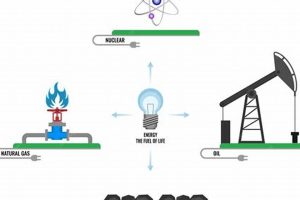
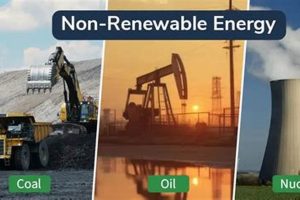
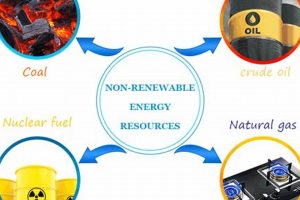
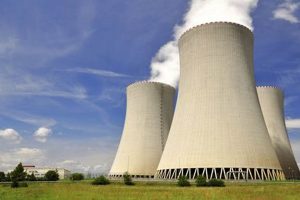
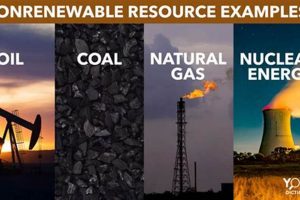
Finite energy sources derived from geological processes that take millions of years to replenish fall under this category. Examples include fossil fuels like coal, oil, and natural gas, as well as nuclear energy derived from uranium. These resources are typically extracted or mined from the Earth.
Historically, these energy sources have played a pivotal role in industrialization and global development, providing readily accessible and relatively inexpensive power. However, their finite nature and the environmental consequences associated with their extraction and consumption necessitate a transition toward more sustainable alternatives.
Understanding the characteristics, limitations, and impacts of each finite energy source is crucial for informing policy decisions and shaping future energy strategies. The following sections will explore each of these resources in greater detail, examining their extraction methods, applications, and environmental considerations.
Practical Steps Towards Reducing Reliance on Finite Energy Sources
Transitioning away from finite energy sources requires a multifaceted approach encompassing individual actions, policy changes, and technological advancements. The following recommendations offer practical guidance for mitigating reliance on these resources:
Tip 1: Improve Energy Efficiency: Investing in energy-efficient appliances, optimizing building insulation, and adopting smart home technologies can significantly reduce energy consumption.
Tip 2: Embrace Renewable Energy Sources: Supporting the development and adoption of renewable energy technologies, such as solar, wind, and geothermal power, is essential for a sustainable energy future. Consider installing rooftop solar panels or participating in community solar projects.
Tip 3: Promote Sustainable Transportation: Utilizing public transportation, cycling, walking, and electric vehicles reduces reliance on fossil fuels for transportation.
Tip 4: Advocate for Policy Changes: Supporting policies that incentivize renewable energy development, carbon pricing, and energy efficiency standards can accelerate the transition to a sustainable energy system.
Tip 5: Support Research and Development: Continued investment in research and development of renewable energy technologies, energy storage solutions, and carbon capture technologies is crucial for long-term sustainability.
Tip 6: Reduce, Reuse, Recycle: Embracing the principles of reduce, reuse, and recycle minimizes the energy required for manufacturing and waste management, indirectly reducing reliance on finite energy resources.
Tip 7: Educate and Engage: Raising awareness about the importance of energy conservation and the benefits of renewable energy empowers individuals and communities to make informed choices.
By implementing these strategies, individuals, communities, and governments can contribute to a more sustainable energy future and mitigate the environmental impacts associated with finite energy sources.
These individual and collective efforts are pivotal for ensuring a sustainable energy future and mitigating the long-term environmental consequences associated with reliance on finite resources. The following section will offer a concluding perspective on the future of energy.
1. Fossil Fuels (Coal, Oil, Natural Gas)

Fossil fuels constitute a significant portion of non-renewable energy sources. Their dominance in the global energy mix stems from their historical accessibility and high energy density. However, their finite nature and environmental consequences necessitate a transition to sustainable alternatives.
- Formation and Extraction
Fossil fuels originated from organic matter accumulated over millions of years. Coal is extracted through mining, while oil and natural gas are extracted by drilling. These extraction processes can disrupt ecosystems and contribute to land degradation. The extraction methods themselves require energy input, further impacting the overall energy balance.
- Energy Production
Fossil fuels are primarily used for electricity generation, transportation, and industrial processes. Combustion of these fuels releases energy, but also greenhouse gases, contributing to climate change. The reliance on fossil fuels for transportation creates dependence on a volatile global market, impacting energy security.
- Environmental Impact
Burning fossil fuels releases carbon dioxide, a primary greenhouse gas, as well as other pollutants such as sulfur dioxide and nitrogen oxides. These emissions contribute to air and water pollution, impacting public health and ecosystems. The extraction and transportation of fossil fuels pose risks of spills and leaks, with potentially devastating environmental consequences.
- Economic Considerations
While fossil fuels have historically been a relatively inexpensive energy source, price volatility and the increasing costs associated with environmental mitigation and remediation create economic uncertainties. The transition to renewable energy sources presents opportunities for economic growth and job creation in emerging sectors.
The continued reliance on fossil fuels presents significant environmental and economic challenges. Transitioning away from these finite resources towards sustainable alternatives requires a concerted effort encompassing technological innovation, policy changes, and shifts in consumer behavior. Understanding the formation, extraction, utilization, and environmental implications of fossil fuels provides a crucial foundation for informed decision-making and the development of effective energy strategies for the future.
2. Nuclear Energy (Uranium)

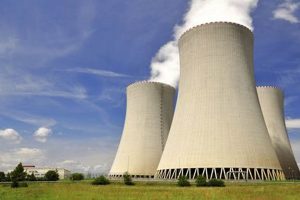
Nuclear energy, derived from uranium, holds a distinct position within the broader category of non-renewable energy sources. Unlike fossil fuels, nuclear fission does not directly emit greenhouse gases during electricity generation. This characteristic positions nuclear power as a potential bridge in the transition towards a carbon-neutral energy future. However, uranium, the fuel source for nuclear reactors, is a finite resource, and its utilization carries distinct environmental and safety considerations. The extraction and processing of uranium ore can result in land disturbance and potential radioactive contamination. Additionally, the management of spent nuclear fuel, which remains radioactive for extended periods, presents ongoing challenges. For instance, the long-term storage of spent fuel rods requires specialized facilities and rigorous safety protocols to prevent environmental contamination.
Nuclear energy’s role as a non-renewable resource necessitates a nuanced perspective. While offering a carbon-free alternative to fossil fuels for electricity generation, the finite nature of uranium and the potential risks associated with nuclear waste require careful consideration. The operational safety of nuclear power plants is paramount, as demonstrated by historical incidents such as Chernobyl and Fukushima. These events underscore the potential for catastrophic consequences resulting from malfunctions or natural disasters. Therefore, robust safety regulations, stringent oversight, and continuous technological advancements are essential for mitigating these risks and ensuring responsible utilization of nuclear energy.
The inclusion of nuclear energy in the list of non-renewable resources emphasizes the need for a diversified energy portfolio. Balancing the benefits of carbon-free electricity generation against the challenges of finite uranium reserves and waste management requires strategic planning and ongoing evaluation. The future of nuclear energy hinges on advancements in reactor technology, waste management solutions, and robust safety protocols. These factors will determine its long-term viability and its contribution to a sustainable energy future alongside other renewable and non-renewable resources. Addressing these challenges is crucial for maximizing the potential of nuclear energy while minimizing its risks, ultimately contributing to a secure and sustainable energy landscape.
3. Finite Resources

The concept of “finite resources” is intrinsically linked to any discussion of non-renewable energy. Non-renewable energy sources, by definition, are derived from resources that exist in limited quantities and cannot be replenished at a rate comparable to their consumption. This finite nature imposes constraints on their long-term viability and necessitates careful consideration of their usage. For example, proven oil reserves, while substantial, are ultimately limited. Continuous extraction without discovery of new reserves will inevitably lead to depletion. This inherent limitation underscores the finite nature of these resources and the need for strategic planning for future energy needs.
The finite nature of these resources has several practical implications. Resource scarcity can lead to price volatility and geopolitical tensions, as nations compete for access to dwindling supplies. Furthermore, the environmental impact of extracting and utilizing these resources is amplified by their finite nature. For instance, the extraction of coal, a finite resource, disrupts ecosystems and contributes to land degradation. The knowledge that these resources are finite underscores the importance of minimizing their environmental footprint and transitioning to more sustainable energy alternatives. Recognizing the finite nature of these resources encourages the development of technologies aimed at improving extraction efficiency, reducing environmental impacts, and finding sustainable replacements.
Understanding the finite nature of non-renewable energy sources is fundamental to formulating responsible energy policies. It highlights the need for diversification of energy sources, investment in renewable energy technologies, and implementation of energy efficiency measures. The ultimate challenge lies in balancing current energy demands with the imperative of preserving these finite resources for future generations. A comprehensive approach requires ongoing research and development, international cooperation, and informed decision-making to ensure a sustainable energy future.
4. Environmental Impact

Non-renewable energy sources exert significant environmental impacts throughout their lifecycle, from extraction and processing to combustion and waste disposal. Understanding these impacts is crucial for evaluating the true cost of these energy sources and motivating the transition towards sustainable alternatives. The environmental consequences associated with non-renewable energy sources span a range of interconnected issues, impacting air and water quality, contributing to climate change, and disrupting ecosystems.
- Greenhouse Gas Emissions
Combustion of fossil fuels releases substantial amounts of greenhouse gases, primarily carbon dioxide, into the atmosphere. These gases trap heat, contributing to global warming and climate change. The resulting changes in climate patterns can lead to more frequent and intense extreme weather events, sea-level rise, and disruptions to ecosystems. For example, coal-fired power plants are major contributors to global carbon dioxide emissions.
- Air and Water Pollution
Extraction, processing, and combustion of non-renewable energy sources release various pollutants into the air and water. These pollutants can have detrimental effects on human health, contributing to respiratory illnesses and other health problems. Water pollution from mining activities and oil spills can contaminate drinking water sources and harm aquatic life. For instance, acid rain, a consequence of sulfur dioxide emissions from coal combustion, damages forests and acidifies lakes.
- Land Degradation and Habitat Loss
Extraction activities, such as mining for coal and uranium, can lead to significant land degradation and habitat loss. Mining operations can disrupt ecosystems, displace wildlife, and leave behind scarred landscapes. Oil and gas drilling can also fragment habitats and disrupt wildlife migration patterns. For example, mountaintop removal mining for coal drastically alters landscapes and destroys habitats.
- Waste Disposal Challenges
Non-renewable energy sources generate waste products that pose disposal challenges. Nuclear power plants produce radioactive waste that requires long-term storage in specialized facilities. The disposal of coal ash, a byproduct of coal combustion, can contaminate groundwater and surface water. For instance, spent nuclear fuel rods remain radioactive for thousands of years, requiring safe and secure storage solutions.
These environmental impacts underscore the urgent need for a transition to sustainable energy sources. The continued reliance on non-renewable energy poses significant risks to the environment and human health. Shifting towards renewable energy sources, such as solar, wind, and geothermal, offers a pathway towards a cleaner and more sustainable energy future. Mitigating the environmental consequences of non-renewable energy necessitates a multifaceted approach encompassing technological innovation, policy changes, and responsible consumption patterns. This transition is crucial for protecting the environment, ensuring public health, and creating a more sustainable future for generations to come.
5. Extraction Methods

Extraction methods are intrinsically linked to the utilization of non-renewable energy sources. The processes employed to access these resources have significant environmental and economic implications. Understanding these methods is crucial for evaluating the full life-cycle impacts of non-renewable energy and informing decisions regarding sustainable energy transitions. The diversity of extraction methods reflects the varied geological occurrences of these resources, ranging from conventional drilling for oil and gas to complex mining operations for coal and uranium.
- Mining (Coal and Uranium)
Mining operations, both surface and underground, are employed to extract coal and uranium. Surface mining, including strip mining and mountaintop removal, involves removing overlying layers of earth and rock to access the resource. These methods can drastically alter landscapes, disrupt ecosystems, and contaminate water sources. Underground mining, while less disruptive to surface ecosystems, presents risks to worker safety and can lead to subsidence. Uranium mining raises additional concerns regarding radioactive waste management.
- Drilling (Oil and Natural Gas)
Oil and natural gas are extracted through drilling, which involves penetrating the Earth’s surface to access underground reservoirs. Conventional drilling utilizes vertical wells, while more recent techniques, such as hydraulic fracturing (“fracking”), involve injecting fluids at high pressure to create fractures in the rock, releasing trapped oil and gas. Fracking has raised concerns about groundwater contamination and induced seismicity.
- Resource Processing and Refinement
Extracted resources often require further processing and refinement before they can be utilized as energy sources. Crude oil undergoes refining to produce gasoline, diesel, and other petroleum products. Uranium ore is processed to extract and enrich uranium for use in nuclear reactors. These processes consume energy and generate waste products, adding to the overall environmental footprint of non-renewable energy.
- Transportation and Distribution
The transportation of extracted resources to processing facilities and end-users presents further environmental and economic considerations. Oil and gas are transported via pipelines, tankers, and trucks, each with inherent risks of spills and leaks. Coal is typically transported by rail or barge. Uranium requires specialized transportation methods due to its radioactivity. These transportation networks contribute to greenhouse gas emissions and pose potential risks to ecosystems and communities.
The extraction methods associated with non-renewable energy sources represent a critical component of their overall impact. These methods have far-reaching consequences for the environment, human health, and the global economy. The environmental degradation, resource depletion, and potential for pollution associated with these extraction methods underscore the need for a transition to more sustainable energy sources. Investing in renewable energy technologies and implementing energy efficiency measures offer pathways towards a cleaner, more secure, and sustainable energy future.
6. Energy Dependence
Energy dependence, particularly on non-renewable sources, presents significant economic and geopolitical vulnerabilities. Reliance on a limited list of non-renewable energy resources, such as fossil fuels (coal, oil, and natural gas) and uranium for nuclear power, often creates dependencies on specific regions or nations that control their production and distribution. This dependence can expose nations to price volatility, supply disruptions, and political pressures. For example, heavy reliance on oil imports can make a nation vulnerable to price fluctuations in the global oil market, impacting domestic energy prices and potentially causing economic instability. Furthermore, dependence on specific suppliers can create geopolitical vulnerabilities, as energy supply can become a tool for political leverage.
This dependence is further complicated by the finite nature of these resources. As non-renewable resources are depleted, competition for remaining reserves can intensify, exacerbating existing dependencies and potentially leading to conflict. The pursuit of energy security often drives nations to diversify their energy sources and invest in domestic energy production, including renewable energy technologies. For instance, a nation heavily reliant on imported natural gas might invest in domestic renewable energy projects, such as wind or solar farms, to reduce its dependence on foreign suppliers and enhance its energy independence. Transitioning towards a diverse energy portfolio that includes renewable sources mitigates the risks associated with dependence on a limited list of non-renewable energy resources.
Addressing energy dependence requires a strategic approach encompassing diversification of energy sources, investment in renewable energy technologies, and implementation of energy efficiency measures. International cooperation plays a vital role in promoting energy security and facilitating a smooth transition to a more sustainable energy future. Recognizing the interconnectedness of energy security, economic stability, and geopolitical dynamics is essential for developing effective energy policies and ensuring long-term sustainability. Ultimately, reducing dependence on non-renewable energy sources through diversification and the adoption of renewables enhances energy security, promotes economic stability, and strengthens geopolitical resilience.
7. Transition to Renewables

The transition to renewable energy sources represents a necessary response to the limitations and environmental consequences associated with the continued reliance on a finite list of non-renewable energy resources. This transition necessitates a fundamental shift in energy production and consumption patterns, encompassing technological advancements, policy changes, and societal adaptations. The move towards renewables is driven by the finite nature of non-renewable resources, the escalating environmental impacts of their utilization, and the pursuit of long-term energy security and sustainability.
- Diversification of Energy Sources
Transitioning to renewables necessitates diversifying energy portfolios beyond the limited list of non-renewable resources. This diversification involves integrating various renewable energy technologies, such as solar, wind, hydro, geothermal, and biomass, to create a more resilient and sustainable energy mix. For example, a nation heavily reliant on coal-fired power plants might invest in a combination of solar and wind farms to reduce its dependence on coal and decrease carbon emissions. Diversification mitigates risks associated with resource scarcity, price volatility, and geopolitical instability inherent in relying solely on non-renewable resources.
- Technological Innovation
The transition to renewables relies heavily on continuous technological innovation to improve the efficiency, affordability, and accessibility of renewable energy technologies. Advancements in solar panel technology, wind turbine design, energy storage solutions, and smart grid systems are crucial for accelerating the adoption of renewables. For instance, the development of more efficient and cost-effective battery storage systems enables greater integration of intermittent renewable sources like solar and wind into the electricity grid. Technological breakthroughs drive down costs, enhance performance, and expand the applicability of renewable energy solutions.
- Policy and Regulatory Frameworks
Supportive policy and regulatory frameworks are essential for enabling and accelerating the transition to renewables. Government policies, such as feed-in tariffs, tax incentives, renewable portfolio standards, and carbon pricing mechanisms, can create favorable market conditions for renewable energy investments. For example, a government might implement a carbon tax on fossil fuels to incentivize the adoption of cleaner renewable energy alternatives. Effective policies provide a stable and predictable investment environment, encourage innovation, and drive the deployment of renewable energy technologies.
- Infrastructure Development
The transition to renewables requires significant investments in infrastructure development to support the integration of renewable energy sources into existing energy systems. This includes upgrading electricity grids, expanding transmission and distribution networks, and developing energy storage facilities. For instance, upgrading electricity grids to accommodate the intermittent nature of solar and wind power is crucial for maintaining grid stability and reliability. Robust infrastructure ensures the efficient and reliable delivery of renewable energy to consumers and facilitates the seamless integration of these resources into the broader energy landscape.
The transition to renewables is not merely a technological endeavor; it represents a fundamental shift in how societies produce and consume energy. Moving away from the finite list of non-renewable energy resources necessitates a comprehensive approach encompassing technological innovation, policy interventions, infrastructure development, and changes in consumer behavior. This transition is crucial for mitigating the environmental impacts associated with non-renewable energy, ensuring long-term energy security, and creating a more sustainable energy future for generations to come. The shift towards renewables presents both challenges and opportunities, demanding a concerted effort from governments, industries, and individuals to achieve a successful and equitable energy transition.
Frequently Asked Questions about Non-Renewable Energy Sources
This section addresses common inquiries regarding finite energy resources, aiming to provide clear and concise information.
Question 1: What are the primary types of finite energy resources?
The main finite energy resources include fossil fuels (coal, oil, and natural gas) and nuclear energy (derived from uranium).
Question 2: Why are these resources considered “non-renewable”?
These resources are classified as non-renewable because their formation takes millions of years, making their replenishment rate significantly slower than their consumption rate.
Question 3: What are the main environmental concerns associated with these energy sources?
Key environmental concerns include greenhouse gas emissions contributing to climate change, air and water pollution, habitat disruption from extraction activities, and challenges related to waste disposal.
Question 4: What are the economic implications of relying on finite energy resources?
Economic implications include price volatility due to resource scarcity, geopolitical dependencies on supplying nations, and the long-term costs associated with environmental damage and remediation.
Question 5: What are the alternatives to non-renewable energy sources?
Renewable energy sources, such as solar, wind, hydro, geothermal, and biomass, offer sustainable alternatives to finite resources. These resources replenish naturally and offer a pathway towards a cleaner energy future.
Question 6: What steps can be taken to transition away from non-renewable energy dependence?
Transitioning away from dependence involves a combination of policy changes promoting renewable energy development, technological advancements in renewable energy and energy storage, and individual efforts to conserve energy and adopt sustainable practices.
Understanding the characteristics, limitations, and impacts of finite energy resources is crucial for informed decision-making and responsible energy consumption. Transitioning towards sustainable alternatives requires a collective effort encompassing individual actions, policy changes, and technological innovation.
The subsequent sections will delve further into the specifics of each finite energy resource, providing a more detailed analysis of their extraction methods, applications, environmental consequences, and economic considerations.
Conclusion
Examination of finite energy sourcescoal, oil, natural gas, and uraniumreveals inherent limitations and significant environmental consequences. Their finite nature necessitates strategic planning for future energy needs, while extraction and utilization contribute to greenhouse gas emissions, air and water pollution, habitat disruption, and waste disposal challenges. Dependence on these resources creates economic and geopolitical vulnerabilities, highlighting the need for diversification and a transition towards sustainable alternatives.
The future of energy hinges on embracing sustainable practices and transitioning decisively towards renewable resources. Technological innovation, policy changes, and individual actions are crucial for mitigating the environmental impact of finite energy sources and ensuring a secure and sustainable energy future. Continued reliance on non-renewable resources presents substantial risks to the environment and global stability, underscoring the urgent need for a collective shift towards a cleaner, more resilient energy landscape. The path forward requires informed decision-making, strategic investments, and a commitment to responsible energy consumption to safeguard the planet for future generations.