Optimal residential renewable energy solutions depend on several factors, including geographic location, energy consumption patterns, available roof space, and initial budget. Common options include solar photovoltaic (PV) systems for electricity generation, solar thermal systems for water heating, and small-scale wind turbines. Geothermal heat pumps offer efficient heating and cooling by utilizing the stable temperature of the earth. For example, a home in a sunny region with ample roof space might benefit most from solar PV, while a home in a windy area might be better suited for a wind turbine.
Decentralized, residential renewable energy systems contribute to reduced reliance on fossil fuels, mitigating greenhouse gas emissions and promoting energy independence. Historically, renewable energy sources for homes were limited and expensive. Advancements in technology, coupled with decreasing costs and government incentives, have made these options increasingly accessible and cost-effective. This shift empowers homeowners to actively participate in a sustainable energy future.
This article will delve deeper into the various residential renewable energy options, exploring their advantages, disadvantages, suitability for different environments, and estimated costs. It will also address the practical aspects of installation, maintenance, and integration with existing energy systems.
Tips for Choosing Optimal Home Renewable Energy Solutions
Careful consideration of various factors ensures selection of the most appropriate renewable energy system for individual needs and circumstances. The following tips offer guidance for navigating this process.
Tip 1: Conduct a Thorough Energy Audit: Understanding current energy consumption patterns is crucial. Professional energy audits provide detailed insights into energy usage, identifying areas for potential savings and informing decisions about system sizing and type.
Tip 2: Assess Geographic Suitability: The effectiveness of different renewable energy systems varies depending on location. Solar resources are abundant in sunny regions, while wind resources are stronger in coastal or open areas. Geothermal systems are viable almost anywhere.
Tip 3: Evaluate Available Space and Resources: Roof space, land availability, and access to sunlight or wind determine the feasibility of certain systems. Solar PV requires adequate roof area or ground space, while wind turbines need sufficient clearance from obstructions.
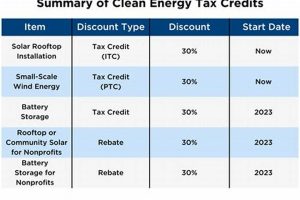
Tip 4: Research Available Incentives and Rebates: Government incentives, tax credits, and rebates can significantly reduce the upfront cost of renewable energy systems. Exploring available programs at the local, state, and federal levels is essential.
Tip 5: Compare System Lifespan and Maintenance Requirements: Different technologies have varying lifespans and maintenance needs. Solar PV panels typically last for 25-30 years, while wind turbines may require more frequent maintenance.
Tip 6: Consider Long-Term Cost Savings and Return on Investment: While initial investment costs can be significant, renewable energy systems offer long-term cost savings through reduced energy bills. Calculating the return on investment helps assess the financial viability of each option.
Tip 7: Consult with Qualified Professionals: Seeking expert advice from renewable energy installers and consultants ensures proper system design, installation, and integration with existing infrastructure.
By considering these tips, homeowners can make informed decisions about implementing renewable energy solutions, maximizing their environmental and economic benefits.
This information provides a foundation for making sustainable energy choices. The next section will explore specific renewable energy technologies in greater detail.
1. Solar Power (PV)

Solar photovoltaic (PV) technology stands as a prominent contender for optimal residential renewable energy. Converting sunlight directly into electricity, solar PV offers a clean, sustainable alternative to fossil fuels, significantly reducing a home’s carbon footprint and dependence on grid electricity.
- Energy Generation and Cost Savings
PV systems generate electricity proportionally to sunlight intensity. Excess electricity can be fed back into the grid (net metering), potentially earning credits or reducing electricity bills. While initial installation costs exist, long-term operational costs are minimal, leading to substantial savings over time.
- Environmental Impact and Sustainability
Solar PV systems produce no greenhouse gas emissions during operation, mitigating air pollution and contributing to a cleaner environment. Their reliance on a virtually inexhaustible resourcesunlightensures long-term sustainability.
- Technological Advancements and Efficiency
Ongoing advancements in PV technology continually improve panel efficiency, allowing greater energy production from smaller areas. Modern systems integrate seamlessly with existing electrical infrastructure, simplifying installation and maximizing energy utilization.
- Scalability and Adaptability
Solar PV systems are scalable to meet varying energy demands, from small residential installations to larger arrays. Their adaptability makes them suitable for diverse roof orientations and architectural styles.
These facets contribute to solar PV’s growing popularity as a primary residential renewable energy source. When combined with battery storage solutions, solar PV systems can provide enhanced energy independence, further solidifying their position as a key component of sustainable home energy management.
2. Wind Turbines
Wind turbines represent a viable option within the spectrum of residential renewable energy solutions. Harnessing kinetic energy from wind, these systems generate electricity, offering an alternative to conventional power sources and contributing to household energy independence. Their suitability hinges on consistent wind resources, making location a critical factor in their effectiveness.
- Energy Generation and Resource Dependence
Wind turbines convert wind energy into electricity through the rotation of turbine blades connected to a generator. Energy output directly correlates with wind speed and consistency. Regions with average annual wind speeds of at least 10 mph generally offer sufficient resources for effective turbine operation. Homes situated in coastal areas, open plains, or atop hills often experience higher wind speeds, maximizing energy generation potential.
- Environmental Considerations and Noise Impact
Wind turbines offer a clean energy solution, producing no greenhouse gas emissions during operation. However, potential environmental impacts include noise pollution and avian interactions. Modern turbine designs mitigate these concerns through advanced blade aerodynamics and careful site selection, minimizing noise levels and reducing the risk to wildlife.
- Installation Requirements and System Sizing
Residential wind turbines typically require adequate open space and tower heights sufficient to capture unobstructed wind flow. System sizing depends on household energy demands and available wind resources. Consultations with experienced installers ensure proper turbine selection, placement, and integration with existing electrical systems.
- Cost-Effectiveness and Return on Investment
The initial investment for wind turbines can be substantial. However, long-term operational costs are low, leading to potential cost savings over time. The return on investment depends on factors such as wind resource availability, energy prices, and available incentives. Financial analysis and careful planning are essential for assessing the economic viability of residential wind turbine installations.
The overall effectiveness of wind turbines as a “best” renewable energy solution for homes hinges on site-specific conditions. In locations with ample and consistent wind resources, wind turbines offer a compelling path toward sustainable energy independence and reduced reliance on conventional power grids. Careful consideration of environmental factors, installation requirements, and long-term cost-effectiveness ensures optimal system selection and integration.
3. Geothermal Systems

Geothermal systems represent a compelling option for achieving optimal home energy efficiency, particularly for heating and cooling. These systems leverage the earth’s relatively constant subsurface temperature to provide a renewable energy source. This inherent stability distinguishes geothermal energy from intermittent sources like solar and wind, ensuring consistent performance regardless of weather conditions. The core principle involves transferring heat to and from the ground, utilizing a network of buried pipes (a ground loop) containing a circulating fluid. During winter, heat is extracted from the earth and transferred indoors, while in summer, heat is extracted from the home and dissipated into the ground. This process dramatically reduces reliance on conventional heating and cooling systems, yielding substantial energy savings and lowering operational costs.
The effectiveness of geothermal systems hinges on geological factors. Regions with favorable ground thermal conductivity facilitate efficient heat transfer. However, advancements in geothermal heat pump technology have expanded applicability to a wider range of geological conditions. For example, vertical ground loops, which drill deeper into the earth, access higher temperatures even in areas with lower surface conductivity. This adaptability enhances the viability of geothermal systems across diverse geographic locations. Real-world examples demonstrate the practical benefits of geothermal energy. Homes utilizing these systems often experience significant reductions in energy bills, especially in climates with substantial heating and cooling demands. Moreover, geothermal systems reduce greenhouse gas emissions, contributing to a smaller carbon footprint.
Understanding the practical significance of geothermal systems involves considering installation and maintenance requirements. Installation entails burying the ground loop, requiring excavation and specialized equipment. However, once installed, geothermal systems offer long operational lifespans with minimal maintenance. Life-cycle cost analyses demonstrate their economic viability, particularly in regions with high energy costs and favorable government incentives. In conclusion, geothermal systems offer a robust, reliable, and environmentally friendly pathway toward achieving “best renewable energy for home” status. While initial installation costs can be higher than conventional HVAC systems, the long-term benefits of reduced energy consumption, consistent performance, and environmental stewardship position geothermal as a key component of sustainable residential energy solutions.
4. Hydropower (Micro)

Micro-hydropower systems represent a niche but potentially effective component within the “best renewable energy for home” framework. These systems generate electricity from the flow of water on a small scale, typically utilizing streams, rivers, or existing water features on a property. The core principle involves channeling water flow through a turbine, converting the water’s kinetic energy into rotational energy, which drives a generator. The feasibility of micro-hydropower depends heavily on site-specific conditions, requiring a sufficient and consistent water source with adequate elevation change (head) to generate usable power. Properties with pre-existing dams, waterfalls, or steep streams are particularly well-suited for micro-hydropower installations.
The potential of micro-hydropower as a component of optimal home renewable energy lies in its consistent energy generation. Unlike solar or wind power, which fluctuate with weather patterns, micro-hydropower can provide a continuous baseload power supply as long as the water source remains consistent. Real-world examples illustrate this advantage. Homes located near suitable streams or rivers can leverage micro-hydropower to reduce or eliminate reliance on grid electricity, enhancing energy independence and reducing electricity costs. Furthermore, micro-hydropower generates clean electricity, emitting no greenhouse gases during operation. This characteristic aligns with the broader environmental goals associated with selecting “best renewable energy for home” solutions. However, practical implementation requires careful consideration of environmental impact. Altering natural water flow can impact aquatic ecosystems, requiring careful system design and environmental assessments to minimize disruption.
Successfully integrating micro-hydropower into a “best renewable energy for home” strategy requires thorough site assessment, system design, and adherence to environmental regulations. While not universally applicable due to its specific resource requirements, micro-hydropower offers a compelling option for homeowners with suitable properties. It contributes to energy independence, reduces reliance on fossil fuels, and provides a consistent, clean energy source. Ultimately, its effectiveness hinges on careful planning and responsible integration with the surrounding environment. The initial investment for micro-hydropower systems can be significant, involving infrastructure development and specialized equipment. However, the long-term operational costs are minimal, offering potential cost savings over time. Thorough financial analysis and consideration of available incentives are crucial for determining the economic viability of micro-hydropower installations.
5. Solar Thermal

Solar thermal systems present a compelling option within the “best renewable energy for home” landscape, specifically addressing domestic hot water needs. Distinct from solar photovoltaic (PV) systems, which generate electricity, solar thermal systems capture solar radiation to directly heat water, offering a sustainable and cost-effective alternative to conventional water heaters powered by electricity or fossil fuels. This focus on thermal energy rather than electricity makes solar thermal a highly efficient solution for a significant portion of household energy consumption.
- System Components and Functionality
Solar thermal systems typically comprise solar collectors, a storage tank, and a circulation system. Collectors, often mounted on rooftops, absorb solar radiation and transfer the heat to a fluid circulating within them. This heated fluid then flows to the storage tank, where it heats the domestic water supply. The circulation system ensures continuous flow and optimal heat transfer. Different collector types exist, including flat-plate and evacuated tube collectors, each with varying efficiency levels and suitability for different climates.
- Energy Efficiency and Cost Savings
Solar thermal systems offer significant energy efficiency gains compared to traditional water heating methods. By utilizing a free and abundant resourcesunlightthey substantially reduce or eliminate reliance on grid electricity or fossil fuels for water heating. This translates into lower energy bills and a reduced carbon footprint. Real-world examples demonstrate that solar thermal systems can provide a significant portion, if not all, of a household’s hot water needs, especially in sunny climates.
- Environmental Impact and Sustainability
The environmental benefits of solar thermal systems are substantial. By displacing conventional water heating methods, they reduce greenhouse gas emissions and reliance on finite resources. The systems themselves are generally durable and require minimal maintenance, contributing to their overall sustainability. Furthermore, their integration into existing plumbing systems is relatively straightforward, simplifying installation and minimizing disruption.
- Integration and Applicability
Solar thermal systems can be integrated with existing conventional water heaters as a supplementary or primary heat source. This flexibility enhances their applicability across various climates and housing types. In regions with ample sunlight, solar thermal can become the primary water heating source, maximizing cost savings and environmental benefits. Even in less sunny regions, it can contribute significantly to reducing reliance on conventional heating methods.
In conclusion, solar thermal systems offer a compelling pathway towards achieving “best renewable energy for home” objectives, particularly in the realm of domestic hot water. By harnessing solar energy for direct water heating, these systems offer substantial energy efficiency gains, cost savings, and environmental benefits. Their adaptability and ease of integration further enhance their appeal as a key component of sustainable home energy management.
6. Biomass Systems

Biomass systems, while less prevalent than other renewable energy options, offer a unique approach to achieving “best renewable energy for home” status. These systems utilize organic matter, such as wood, agricultural residues, or dedicated energy crops, as fuel. The energy stored within this biomass is released through combustion, producing heat that can be used directly for space heating or to generate electricity. While the concept aligns with renewable principles, practical implementation within a residential context requires careful consideration of several factors, including fuel availability, system complexity, and environmental impact.
- Fuel Sourcing and Availability
The viability of residential biomass systems hinges on reliable access to suitable fuel. Homeowners may utilize wood from their property or source biomass pellets from local suppliers. Consistent fuel availability is crucial for uninterrupted system operation. Regional variations in biomass availability influence the practicality of this approach, with some areas offering more abundant and readily accessible resources than others.
- System Types and Efficiency
Several biomass system types exist, including wood-burning stoves, pellet stoves, and biomass boilers. Each system offers varying levels of efficiency and automation. Modern biomass boilers, for example, can achieve high combustion efficiency, minimizing fuel consumption and emissions. System selection depends on specific heating needs, available space, and desired level of automation.
- Environmental Impact and Emissions
While biomass is considered a renewable resource, its combustion does produce emissions. Modern biomass systems incorporate advanced combustion technologies to minimize particulate matter and other pollutants. However, ensuring responsible fuel sourcing and proper system operation is essential to mitigate potential environmental impacts. The overall environmental footprint of biomass systems depends on factors such as fuel type, combustion efficiency, and transportation distances.
- Economic Considerations and Practicality
The economic viability of residential biomass systems varies depending on fuel costs, system efficiency, and available incentives. In regions with readily available and affordable biomass resources, these systems can offer cost-competitive heating solutions. However, factors such as fuel storage requirements, ash disposal, and regular maintenance must be considered when assessing overall practicality. Thorough cost-benefit analysis and comparison with other renewable energy options is crucial for informed decision-making.
Integrating biomass systems into a “best renewable energy for home” strategy requires careful evaluation of resource availability, system efficiency, environmental impact, and economic factors. While offering a unique approach to utilizing renewable resources, the practicality and overall effectiveness of biomass systems depend heavily on specific local conditions and homeowner requirements. In certain contexts, biomass can contribute significantly to reducing reliance on fossil fuels and achieving sustainable home heating; however, its limitations and potential environmental impacts warrant careful consideration alongside other renewable energy alternatives.
Frequently Asked Questions (FAQ)
This section addresses common inquiries regarding the selection and implementation of optimal residential renewable energy solutions.
Question 1: What is the most cost-effective renewable energy source for homes?
The most cost-effective option depends on several factors, including geographic location, energy consumption patterns, available incentives, and system lifespan. Solar PV generally offers excellent long-term cost savings in sunny regions, while geothermal can be highly efficient for heating and cooling in various climates. Thorough cost-benefit analysis considering site-specific conditions is essential.
Question 2: How much roof space is required for an effective solar PV system?
The required roof space depends on the desired system size and panel efficiency. A typical residential system might require 100-200 square feet per kilowatt of capacity. Professional assessments can accurately determine the optimal system size and required roof area for individual homes.
Question 3: Are wind turbines noisy and disruptive to the surrounding environment?
Modern wind turbines are designed to minimize noise pollution through advanced blade aerodynamics. However, some noise is inevitable. Careful site selection and adherence to local noise regulations mitigate potential disruptions. Environmental impact assessments address potential effects on wildlife.
Question 4: Do geothermal systems require extensive maintenance?
Geothermal systems require minimal maintenance once installed. Regular checks of the heat pump and occasional fluid top-ups are typically sufficient. The ground loop, with a lifespan of several decades, requires minimal intervention.
Question 5: Is micro-hydropower a viable option for all homes?
Micro-hydropower is only viable for properties with a suitable water source, such as a stream or river, with adequate flow and elevation change. Site-specific assessments determine feasibility and potential energy output.
Question 6: How does solar thermal differ from solar PV?
Solar thermal systems capture solar energy to directly heat water, while solar PV systems convert sunlight into electricity. Solar thermal focuses on thermal energy for domestic hot water, while solar PV addresses electrical needs.
Careful consideration of these frequently asked questions, along with consultation with qualified professionals, facilitates informed decision-making regarding optimal home renewable energy solutions.
The subsequent sections will provide further details on specific renewable energy technologies and their integration into residential settings.
Best Renewable Energy for Home
Optimal residential renewable energy solutions necessitate careful consideration of individual circumstances, including geographic location, energy consumption patterns, available resources, and financial constraints. This exploration has highlighted key technologies, such as solar photovoltaic (PV), wind turbines, geothermal systems, micro-hydropower, solar thermal, and biomass, each offering distinct advantages and disadvantages. Solar PV excels in sunny regions, providing clean electricity generation. Wind turbines harness wind energy in suitable locations, while geothermal systems offer consistent heating and cooling performance. Micro-hydropower presents a niche solution for properties with appropriate water resources. Solar thermal focuses on efficient water heating, and biomass offers an alternative using organic matter. Understanding these technologies empowers informed decision-making tailored to specific needs and environmental contexts.
Transitioning toward residential renewable energy represents a crucial step toward a sustainable future. Careful evaluation of available options, coupled with professional consultation, enables homeowners to minimize environmental impact, reduce reliance on fossil fuels, and achieve greater energy independence. The ongoing evolution of renewable energy technologies promises further advancements in efficiency, affordability, and accessibility, paving the way for a cleaner, more sustainable energy landscape for all.