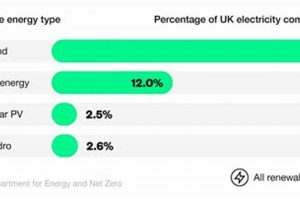
The United Kingdom’s power generation increasingly utilizes sources that naturally replenish themselves, including wind, solar, hydro, and biomass. For example, offshore wind farms harness the power of strong winds at sea to generate electricity, while solar panels convert sunlight into usable energy. These resources offer an alternative to traditional fossil fuels.
Sustainable power sources are vital for reducing carbon emissions and mitigating the impacts of climate change. Historically, the UK has relied heavily on coal and gas, but the shift towards cleaner alternatives contributes to energy security and a greener future. This transition also fosters innovation and growth within the sustainable energy sector, creating new jobs and investment opportunities.
This exploration will further examine the various types of sustainable power generation employed in the UK, including their current status, future potential, and associated challenges. Specific technologies, government policies, and economic factors influencing this evolving landscape will be considered in detail.
Tips for Supporting Sustainable Power
The transition to a power system based on sustainable resources requires collective action. These tips offer practical guidance for supporting this important shift.
Tip 1: Reduce Energy Consumption: Lowering overall energy demand reduces reliance on all sources, including renewables. Simple steps like improving home insulation, using energy-efficient appliances, and adopting mindful consumption habits can make a significant difference.
Tip 2: Explore Green Energy Tariffs: Many energy suppliers offer tariffs based on sustainable sources. Switching to a green tariff increases demand for renewable energy, encouraging further investment and development in the sector.
Tip 3: Support Local Renewable Energy Projects: Community-owned wind farms and solar projects offer opportunities for local investment and engagement. Supporting such initiatives strengthens regional economies and accelerates the adoption of sustainable power generation.
Tip 4: Advocate for Policy Changes: Supportive government policies are crucial for promoting sustainable power. Engaging with local representatives and advocating for policies that incentivize renewable energy development helps accelerate the transition.
Tip 5: Stay Informed: Keeping abreast of the latest developments in the sustainable power sector enables informed decision-making. Understanding the benefits and challenges associated with different technologies allows for more effective advocacy and support.
Tip 6: Invest in Renewable Energy Technologies: Where feasible, consider investing in renewable energy technologies for homes or businesses. Rooftop solar panels, for example, provide a direct source of clean energy and reduce reliance on the grid.
By adopting these tips, individuals and communities can actively contribute to the growth and development of a more sustainable energy future. These actions not only benefit the environment but also contribute to a more resilient and secure energy system.
The future of sustainable power relies on continued innovation, investment, and public engagement. Moving forward, it is essential to explore the evolving landscape and identify opportunities to accelerate the transition to a cleaner, more sustainable energy system.
1. Offshore Wind Power

Offshore wind power represents a cornerstone of the UK’s renewable energy strategy. The nation’s extensive coastline and favorable wind conditions provide a significant opportunity to harness this clean energy source. This exploration delves into the key facets of offshore wind power’s contribution to the UK’s energy transition.
- Technological Advancements
Advancements in turbine technology, including larger rotor diameters and improved efficiency, have significantly increased the energy capture potential of offshore wind farms. Floating turbine platforms allow deployment in deeper waters, expanding the accessible areas for development. These innovations contribute significantly to the growth of offshore wind capacity.
- Economic Impacts
The offshore wind sector provides substantial economic benefits, including job creation in manufacturing, installation, maintenance, and research. Coastal communities often experience revitalization through investments in port infrastructure and related services. Furthermore, the growth of this industry contributes to the UK’s energy independence and reduces reliance on imported fossil fuels.
- Environmental Considerations
While generally considered environmentally friendly, offshore wind farms require careful planning and management to minimize potential impacts on marine ecosystems. Assessments of bird and bat populations, as well as the effects on marine life, are crucial aspects of project development. Mitigation strategies, such as careful turbine placement and operational adjustments, help minimize environmental disruption.
- Grid Integration & Infrastructure
Efficient grid integration is essential for maximizing the benefits of offshore wind power. Investments in transmission infrastructure, including subsea cables and onshore substations, are necessary to transport the generated electricity to consumers. Furthermore, energy storage solutions and smart grid technologies play a vital role in balancing intermittent wind power with overall energy demand.
The continued development and integration of offshore wind power are crucial for achieving the UK’s renewable energy targets and transitioning to a more sustainable energy future. This sector represents a significant opportunity for economic growth, job creation, and reduced carbon emissions, playing a vital role in the broader context of Britain’s energy landscape.
2. Solar energy generation

Solar energy generation forms an integral component of the UK’s renewable energy portfolio. While solar resources in Britain may not be as abundant as in some other regions, technological advancements and decreasing costs have led to significant growth in solar capacity. This expansion contributes to the diversification of the nation’s energy mix and reduces reliance on traditional fossil fuels. The declining cost of photovoltaic (PV) panels, coupled with government incentives such as feed-in tariffs, has driven the adoption of solar energy in both residential and commercial settings. For example, large-scale solar farms, like the Shotwick Solar Park, contribute significantly to the national grid, while rooftop solar installations empower homeowners to generate their own clean electricity. This distributed generation model enhances energy security and resilience.
The practical significance of solar energy within Britain’s energy landscape extends beyond simple power generation. Solar installations can be integrated into building designs, improving energy efficiency and reducing overall consumption. Furthermore, advancements in battery storage technology address the intermittency of solar power, allowing for greater utilization of generated electricity. Initiatives such as the Smart Export Guarantee (SEG) incentivize homeowners to export excess solar power back to the grid, further contributing to the overall supply of renewable energy. The increasing affordability and accessibility of solar technology empower communities and businesses to actively participate in the transition to a more sustainable energy system. For instance, community-owned solar projects provide local economic benefits and promote broader engagement in renewable energy initiatives.
Despite challenges related to intermittency and land availability, solar energy continues to play a vital role in Britain’s renewable energy future. Ongoing technological advancements, supportive government policies, and increasing public awareness contribute to the continued growth of this sector. Addressing grid integration challenges and further developing energy storage solutions remain crucial for maximizing the potential of solar energy and ensuring its seamless integration into the national energy infrastructure. The continued expansion of solar capacity, alongside other renewable sources, is essential for achieving the UK’s carbon reduction targets and building a more sustainable and resilient energy system.
3. Hydroelectric contributions

Hydroelectric power represents a mature and established technology within Britain’s renewable energy landscape. While not offering the same growth potential as newer technologies like offshore wind and solar, hydropower provides a valuable contribution to the nation’s energy mix, particularly in terms of grid stability. This exploration examines the key facets of hydroelectric contributions to Britain’s renewable energy strategy.
- Conventional Hydropower Plants
Large-scale hydroelectric plants, such as Dinorwig Power Station in Wales, utilize reservoirs to store water and generate electricity on demand. These facilities provide a reliable source of baseload power, essential for balancing the intermittency of other renewable sources like wind and solar. Dinorwig, for example, plays a crucial role in frequency regulation and grid stabilization, ensuring a consistent electricity supply across the national grid.
- Pumped Storage Hydroelectricity
Pumped storage hydro (PSH) acts as a giant battery, storing excess energy generated during periods of low demand. Water is pumped uphill to a reservoir, then released downhill through turbines to generate electricity when demand is high. This technology enhances grid flexibility and facilitates greater integration of intermittent renewable sources. The Ffestiniog Power Station in Wales exemplifies this approach, contributing to grid stability and optimizing the utilization of renewable energy.
- Small-Scale Hydropower
Smaller-scale hydroelectric projects, often situated on rivers and streams, harness the natural flow of water to generate electricity. These installations, while individually smaller in capacity, contribute to localized energy generation and reduce reliance on larger, centralized power plants. Such projects often benefit rural communities and offer a sustainable alternative to fossil fuel-based generation.
- Environmental and Social Considerations
While hydroelectric power is a renewable source, it’s essential to consider potential environmental and social impacts. Reservoir construction can alter river ecosystems and affect local communities. Careful planning and mitigation strategies are crucial to minimize disruption and ensure sustainable development. For example, fish ladders and other measures can mitigate impacts on aquatic life.
Hydroelectric power, while not experiencing the rapid growth of other renewable sectors, remains a vital component of Britain’s renewable energy strategy. Its contribution to grid stability, particularly through pumped storage hydro, becomes increasingly important as the penetration of intermittent renewable sources like wind and solar increases. Balancing the benefits of hydropower with potential environmental and social impacts necessitates careful planning and ongoing assessment. Moving forward, optimizing the utilization of existing hydroelectric infrastructure and exploring opportunities for sustainable small-scale hydropower development will further strengthen Britain’s transition to a more sustainable energy future.
4. Biomass utilization

Biomass utilization plays a distinct, albeit complex, role within Britain’s renewable energy landscape. It involves the combustion of organic matter, such as wood pellets, agricultural residues, and dedicated energy crops, to generate heat and electricity. Drax Power Station, for example, has converted several of its generating units from coal to biomass, significantly reducing carbon emissions compared to traditional fossil fuel combustion. This fuel switching represents a substantial contribution to Britain’s renewable energy targets. However, the sustainability of biomass utilization depends heavily on responsible sourcing and management practices. Sustainable forestry and agricultural practices are essential to ensure that biomass feedstocks are replenished at a rate equal to or greater than their consumption. The carbon neutrality of biomass energy relies on this delicate balance.
The practical significance of biomass within Britain’s energy mix extends beyond direct electricity generation. Combined heat and power (CHP) plants utilize biomass to generate both electricity and heat, increasing overall energy efficiency. This approach is particularly relevant for industrial processes and district heating systems. Furthermore, biogas, produced from anaerobic digestion of organic waste, offers a sustainable alternative to natural gas for heating and transportation. The use of biogas reduces methane emissions from landfill and provides a valuable source of renewable energy. However, challenges remain in ensuring the sustainable sourcing of biomass feedstocks and minimizing potential environmental impacts, such as deforestation and air pollution. Life cycle assessments are crucial for evaluating the overall environmental footprint of biomass energy, considering factors such as land use change, transportation emissions, and air quality.
Biomass utilization offers a valuable pathway towards decarbonizing Britain’s energy system, particularly in sectors where direct electrification presents challenges. Its role within the broader renewable energy strategy requires careful consideration of sustainability criteria, including responsible sourcing, efficient conversion technologies, and robust life cycle assessments. Addressing these challenges is essential for maximizing the benefits of biomass while minimizing potential environmental and social impacts. The future of biomass utilization hinges on striking a balance between its potential as a renewable energy source and the imperative to ensure its long-term sustainability.
5. Governmental Policies

Governmental policies play a crucial role in shaping the development and deployment of renewable energy technologies within the UK. These policies influence investment decisions, incentivize innovation, and provide a framework for achieving national renewable energy targets. Understanding the interplay between policy and market dynamics is essential for assessing the effectiveness of government interventions and their impact on the overall energy transition.
- Contracts for Difference (CfDs)
CfDs provide long-term price guarantees for renewable energy projects, mitigating investment risks and encouraging private sector participation. This scheme has been instrumental in driving down the cost of offshore wind power, for example, making it increasingly competitive with traditional fossil fuels. The allocation of CfDs through competitive auctions ensures cost-effectiveness and promotes innovation.
- Renewable Obligation Certificates (ROCs)
ROCs obligate electricity suppliers to source a certain percentage of their electricity from renewable sources. This mechanism creates demand for renewable energy and supports the growth of the sector. While effective in the past, the ROC scheme has been largely superseded by CfDs for large-scale renewable projects. However, it continues to play a role in supporting smaller-scale renewable generation.
- Feed-in Tariffs (FITs)
FITs provide payments to households and businesses for generating their own renewable electricity, typically through rooftop solar installations. This scheme has been instrumental in driving the adoption of small-scale renewable energy technologies, empowering individuals and communities to participate in the energy transition. While FITs have been closed to new applicants, they demonstrate the effectiveness of incentivizing distributed generation.
- Planning and Permitting Regulations
Streamlined planning and permitting processes are essential for facilitating the timely deployment of renewable energy projects. Balancing the need for efficient project development with environmental considerations and community engagement remains a key challenge. Government policies aim to simplify the approval process while ensuring robust environmental safeguards.
The effectiveness of governmental policies in driving the growth of renewable energy depends on their design, implementation, and adaptability to evolving market conditions. A consistent and predictable policy environment is crucial for attracting long-term investments and fostering innovation. Furthermore, integrating policy measures with broader energy system planning, including grid modernization and energy storage solutions, is essential for maximizing the benefits of renewable energy and achieving a secure and sustainable energy future for the UK. The ongoing evolution of policy frameworks, in response to technological advancements and changing market dynamics, will continue to shape the trajectory of Britain’s renewable energy sector.
6. Economic Impact
The transition to renewable energy sources in the UK presents significant economic implications, impacting job creation, investment opportunities, supply chains, and overall economic growth. Analyzing these economic impacts requires considering both the direct and indirect effects of transitioning away from fossil fuels and towards sustainable energy alternatives. Understanding these multifaceted economic implications is crucial for informing policy decisions and maximizing the benefits of renewable energy development.
- Job Creation
The renewable energy sector offers substantial job creation potential across various stages of the supply chain, from manufacturing and installation to operation and maintenance. Offshore wind, for example, requires skilled workers for turbine assembly, port logistics, and offshore installation. Solar energy generates employment opportunities in panel manufacturing, installation, and grid integration. These new employment opportunities often emerge in regions traditionally reliant on declining industries, offering pathways for economic revitalization and a just transition for workers.
- Investment & Innovation
The transition to renewable energy attracts significant investments in research, development, and deployment of new technologies. Government policies, such as Contracts for Difference (CfDs), incentivize private sector investment in large-scale renewable energy projects. This investment fosters innovation and drives down the cost of renewable energy technologies, making them increasingly competitive with traditional energy sources. Furthermore, investment in renewable energy strengthens domestic supply chains, reducing reliance on imported fossil fuels and enhancing energy security.
- Regional Economic Development
Renewable energy projects often stimulate regional economic development, particularly in coastal communities and rural areas. Offshore wind farms, for instance, require port infrastructure and specialized vessels, creating economic activity in coastal regions. Biomass energy can revitalize rural economies by providing new markets for agricultural residues and dedicated energy crops. This localized economic growth contributes to greater economic equality and strengthens communities across the UK.
- Cost Savings & Energy Security
While initial investments in renewable energy infrastructure can be substantial, the long-term operational costs are significantly lower than those of fossil fuel-based power plants. Renewable energy sources, such as wind and solar, have negligible fuel costs, reducing exposure to volatile global fossil fuel prices. This price stability translates into long-term cost savings for consumers and enhances energy security by reducing dependence on imported energy sources. Moreover, the distributed nature of some renewable technologies, like rooftop solar, enhances resilience against grid disruptions.
The economic impacts of Britain’s transition to renewable energy are multifaceted and far-reaching. From job creation and investment opportunities to regional economic development and enhanced energy security, the shift towards sustainable energy sources offers substantial economic benefits. Understanding these economic implications is crucial for policymakers, businesses, and communities to effectively navigate the energy transition and maximize its potential for creating a more sustainable and prosperous future for the UK. Further analysis of the long-term economic benefits, considering factors such as technological advancements and evolving market dynamics, will be essential for refining policy frameworks and ensuring a successful and equitable energy transition.
Frequently Asked Questions
This section addresses common inquiries regarding the UK’s transition to renewable energy sources. Clear and concise responses aim to provide a deeper understanding of the key challenges and opportunities associated with this ongoing transformation.
Question 1: How does the intermittency of renewable sources like wind and solar affect grid stability?
Grid stability is maintained through a combination of strategies, including demand-side management, energy storage solutions (such as pumped hydro and batteries), and grid interconnection with neighboring countries. Advanced forecasting techniques and smart grid technologies further optimize the integration of intermittent renewable sources.
Question 2: What is the role of energy storage in a renewable energy-dominated power system?
Energy storage technologies, like pumped hydro and batteries, play a crucial role in balancing supply and demand fluctuations. Storing excess renewable energy generated during periods of low demand allows for its utilization during peak demand periods, ensuring grid reliability and maximizing the benefits of renewable sources.
Question 3: How does the UK government support the development of renewable energy projects?
The government employs various policy mechanisms, including Contracts for Difference (CfDs), which provide long-term price guarantees for renewable energy projects, stimulating investment and innovation within the sector. Other supportive policies include planning regulations, grid connection priorities, and research & development funding.
Question 4: What are the economic benefits of transitioning to renewable energy sources?
The renewable energy sector creates jobs in manufacturing, installation, operation, and maintenance. It also attracts investment, fosters innovation, and stimulates regional economic development. Furthermore, reduced reliance on imported fossil fuels enhances energy security and price stability, benefiting consumers and businesses.
Question 5: How does the UK’s renewable energy transition contribute to climate change mitigation efforts?
Renewable energy sources produce little to no greenhouse gas emissions during operation, significantly reducing the carbon footprint of the electricity sector. This reduction in emissions contributes directly to national and international climate change mitigation targets, helping to limit the impacts of global warming.
Question 6: What are the main challenges facing the continued growth of renewable energy in the UK?
Key challenges include grid integration of intermittent renewable sources, developing adequate energy storage capacity, streamlining planning and permitting processes, and ensuring public acceptance of renewable energy infrastructure projects. Addressing these challenges requires coordinated efforts from government, industry, and communities.
Understanding the challenges and opportunities associated with the UK’s renewable energy transition is essential for informed decision-making and effective policy implementation. Continued dialogue and collaboration among stakeholders will be crucial for maximizing the benefits of renewable energy and achieving a sustainable energy future.
Further exploration of specific renewable energy technologies, policy frameworks, and economic considerations will provide a more comprehensive understanding of this evolving landscape. This ongoing analysis is vital for ensuring a successful and equitable energy transition for the UK.
Britain’s Renewable Energy
This exploration has examined the multifaceted landscape of Britain’s renewable energy sector, encompassing technological advancements, economic implications, governmental policies, and environmental considerations. From the growth of offshore wind power and the increasing adoption of solar energy to the vital role of hydroelectric power and the complexities of biomass utilization, the analysis has highlighted the diverse contributions of renewable sources to the UK’s energy mix. The examination of governmental policies, such as Contracts for Difference and Renewable Obligation Certificates, has underscored the importance of policy frameworks in driving investment and innovation within the sector. Furthermore, the economic impacts of job creation, regional development, and enhanced energy security have been considered alongside the imperative of addressing grid integration challenges and optimizing energy storage solutions.
Britain’s transition to a renewable energy-powered future presents both opportunities and challenges. The continued development and deployment of renewable technologies are essential for achieving national carbon reduction targets and mitigating the impacts of climate change. This transition requires ongoing innovation, strategic investment, and adaptive policy frameworks. Navigating the complexities of grid integration, ensuring the sustainability of biomass resources, and fostering public acceptance of renewable energy infrastructure remain crucial tasks. The future of Britain’s energy landscape hinges on the collective efforts of government, industry, and communities to embrace sustainable solutions and forge a path towards a cleaner, more secure, and resilient energy future. The pursuit of renewable energy represents not only an environmental imperative but also a strategic investment in economic prosperity and long-term sustainability.