![A Quick Guide: Renewable Energy Sources Overview [2024] | Renewable Energy Solutions for a Sustainable Future | Clean & Green Power](data:image/svg+xml;base64,PHN2ZyB4bWxucz0iaHR0cDovL3d3dy53My5vcmcvMjAwMC9zdmciIHdpZHRoPSI0NzQiIGhlaWdodD0iNDc0IiB2aWV3Qm94PSIwIDAgNDc0IDQ3NCI+PHJlY3Qgd2lkdGg9IjEwMCUiIGhlaWdodD0iMTAwJSIgc3R5bGU9ImZpbGw6I2NmZDRkYjtmaWxsLW9wYWNpdHk6IDAuMTsiLz48L3N2Zz4= "Energy") Energy Sources Overview [2024]" width="100%" style="margin-right: 8px;margin-bottom: 8px;" />
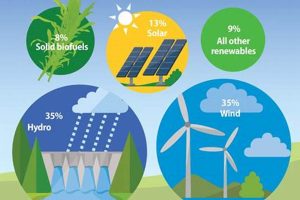
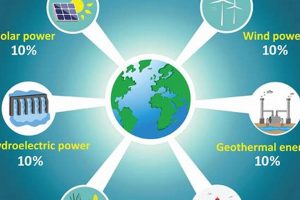
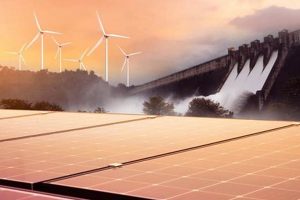
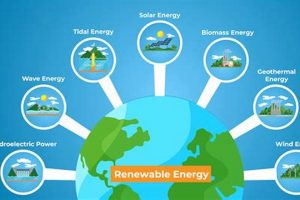
Energy Sources Overview [2024]" width="100%" style="margin-right: 8px;margin-bottom: 8px;" />The assessment of power generation methods that naturally replenish themselves, such as solar, wind, hydro, geothermal, and biomass, is crucial for understanding the global energy landscape. A comprehensive survey of these methods encompasses their individual processes, current technological advancements, and overall contributions to energy production. For instance, solar energy conversion involves photovoltaic cells transforming sunlight into electricity, while wind energy harnesses kinetic energy from wind through turbine systems.
The significance of this review lies in the potential for reduced reliance on finite fossil fuels and the mitigation of greenhouse gas emissions. The shift toward these sustainable alternatives promotes energy security, diversifies energy portfolios, and can stimulate economic growth through job creation in related sectors. Historically, reliance on renewable technologies has fluctuated, but growing environmental awareness and policy incentives are accelerating their adoption worldwide.
Subsequent sections will delve into specific renewable energy technologies, examining their operational principles, associated environmental impacts, economic feasibility, and future development trajectories. Further discussion will explore grid integration challenges, energy storage solutions, and the role of policy in fostering a sustainable energy future.
Successfully evaluating and integrating renewable energy necessitates a strategic approach. Informed decision-making is crucial to optimizing benefits and mitigating potential challenges.
Tip 1: Conduct a Thorough Resource Assessment: Determine the availability and quality of renewable resources (solar irradiance, wind speed, geothermal gradients, biomass potential) at the proposed location. Inaccurate resource data can lead to inefficient system design and underperformance.
Tip 2: Evaluate Grid Interconnection Requirements: Understand the technical specifications and regulatory hurdles associated with connecting a renewable energy system to the existing electrical grid. This includes assessing grid capacity, voltage stability, and potential upgrade costs.
Tip 3: Analyze Lifecycle Costs: Consider not only the initial capital expenditure but also the long-term operational, maintenance, and decommissioning costs. A lower upfront cost may not equate to overall cost-effectiveness over the system’s lifespan.
Tip 4: Research Applicable Incentives and Policies: Investigate available government subsidies, tax credits, and renewable energy certificates that can significantly reduce project costs and improve financial viability. Stay informed about policy changes that may impact renewable energy investments.
Tip 5: Prioritize Energy Storage Solutions: Explore incorporating energy storage technologies (batteries, pumped hydro, thermal storage) to address intermittency challenges and improve the reliability of renewable energy supply. This is especially critical for systems relying on variable resources like solar and wind.
Tip 6: Ensure Compliance with Environmental Regulations: Identify and adhere to all applicable environmental regulations related to construction, operation, and decommissioning of renewable energy facilities. This includes mitigating potential impacts on wildlife, land use, and water resources.
Tip 7: Consult with Experienced Professionals: Seek guidance from qualified engineers, consultants, and installers with expertise in renewable energy systems. Professional expertise can help ensure proper system design, installation, and operation.
Implementing these guidelines promotes a well-informed and strategic approach to adopting renewable energy, maximizing its effectiveness and long-term value.
The subsequent sections will delve into specific technologies, providing detailed insights into their operation, benefits, and challenges.
1. Sustainability

Sustainability forms the bedrock of any credible renewable energy sources analysis. The fundamental premise of renewable energy lies in its ability to provide power without depleting finite resources or causing irreversible environmental damage. Consequently, any overview must critically assess the sustainability of each energy source, considering factors such as resource availability over extended timeframes, minimal environmental footprint, and potential for long-term societal benefit. For instance, while biomass energy can be considered renewable, its sustainability is contingent upon responsible land management practices to prevent deforestation and soil degradation. Therefore, a mere classification as “renewable” is insufficient; a rigorous assessment of sustainability is imperative.
The sustainability of renewable energy systems encompasses the entire lifecycle, from resource extraction and manufacturing to operation and eventual decommissioning. Solar panel production, for example, requires raw materials like silicon and rare earth elements. A sustainability analysis considers the environmental impacts of mining these materials, the energy consumption during panel manufacturing, and the end-of-life recycling or disposal processes. Similarly, hydroelectric power, although a mature renewable technology, can have significant ecological consequences through dam construction, affecting river ecosystems and displacing local communities. Therefore, a comprehensive sustainability assessment necessitates a holistic perspective, evaluating environmental, social, and economic dimensions across the entire value chain.
Ultimately, the intersection of sustainability and renewable energy sources dictates the long-term viability of a transition away from fossil fuels. A thorough renewable energy sources overview must not only identify potential alternatives but also rigorously evaluate their sustainability credentials. This ensures that the shift to renewable energy genuinely contributes to a more environmentally sound and socially equitable future. Failure to prioritize sustainability could lead to the adoption of “renewable” technologies that, in the long run, prove to be unsustainable, undermining the very purpose of the transition. Therefore, sustainable design, responsible resource management, and lifecycle analysis are integral to realizing the true potential of renewable energy.
2. Intermittency

A comprehensive renewable energy sources overview must address the inherent challenge of intermittency. This characteristic, particularly associated with solar and wind power, stems from the variable nature of sunlight and wind patterns. The availability of these resources fluctuates depending on weather conditions, time of day, and seasonal changes. Consequently, electricity generation from these sources is not constant, posing a significant hurdle for grid stability and reliability. For example, a solar power plant may produce substantial energy during peak daylight hours but generate little to no electricity during the night or on cloudy days. Similarly, a wind farm’s output varies depending on wind speed, potentially resulting in periods of low or zero generation.
The intermittency of renewable energy sources necessitates the implementation of strategies to ensure a continuous and stable power supply. These strategies include energy storage solutions, such as batteries and pumped hydro storage, which can store excess energy generated during periods of high resource availability and release it when demand exceeds supply. Grid integration techniques, such as advanced forecasting and real-time monitoring, also play a crucial role in managing intermittency by predicting resource availability and optimizing grid operations accordingly. Furthermore, geographical diversification of renewable energy installations can mitigate intermittency risks by spreading generation across regions with varying weather patterns. For instance, combining solar power plants in different locations can smooth out overall generation fluctuations.
In conclusion, intermittency represents a significant challenge that must be addressed in any renewable energy sources overview. Effective management of intermittency is essential for ensuring the reliability and stability of renewable energy-based power systems. Strategies such as energy storage, grid integration, and geographical diversification are crucial for mitigating the impacts of variable resource availability and enabling the widespread adoption of renewable energy technologies. A comprehensive understanding of intermittency and its management is therefore paramount for informed decision-making in the renewable energy sector.
3. Infrastructure

The successful deployment and integration of renewable energy sources are inextricably linked to the existing and planned energy infrastructure. A comprehensive renewable energy sources overview must, therefore, address the infrastructural requirements necessary to support these technologies. The capacity of current electrical grids to accommodate fluctuating inputs from solar and wind power is a primary concern. Inadequate transmission lines and outdated grid management systems can create bottlenecks, limiting the ability to distribute renewable energy effectively from generation sites to demand centers. Consequently, substantial investments in grid modernization, including smart grid technologies and upgraded transmission infrastructure, are often necessary to fully realize the potential of renewable energy.
Beyond the electrical grid, infrastructure considerations extend to the logistical aspects of renewable energy deployment. For instance, the construction of large-scale wind farms requires significant transportation infrastructure to move turbines and other equipment to remote locations. Similarly, biomass energy facilities rely on efficient supply chains for the sustainable sourcing and delivery of feedstock. Moreover, the development of hydrogen energy infrastructure, including production facilities, pipelines, and refueling stations, is critical for the widespread adoption of hydrogen as a renewable energy carrier. These examples illustrate the diverse infrastructural needs associated with different renewable energy sources and the importance of integrated planning to ensure seamless integration into the broader energy system.
In conclusion, infrastructure plays a pivotal role in enabling the effective utilization of renewable energy resources. A thorough renewable energy sources overview must acknowledge the infrastructural challenges and opportunities associated with these technologies. Strategic investments in grid modernization, transportation networks, and energy storage solutions are essential for unlocking the full potential of renewable energy and achieving a sustainable energy future. Failure to address these infrastructural needs can significantly impede the progress towards a cleaner and more resilient energy system.
4. Scalability

Scalability, in the context of a renewable energy sources overview, addresses the capacity to expand the deployment and utilization of these energy systems to meet growing energy demands. The potential for widespread adoption is contingent upon various factors that determine the feasibility and effectiveness of scaling up renewable energy technologies.
- Technological Maturity and Innovation
The scalability of a renewable energy source is directly related to its technological maturity. Mature technologies, such as hydroelectric power and certain types of wind turbines, possess established supply chains and well-defined deployment strategies, facilitating large-scale implementation. Conversely, nascent technologies, such as advanced geothermal systems or some forms of wave energy, face scalability challenges due to technological uncertainties and the need for further research and development. Continuous innovation is crucial for improving the performance, reducing the cost, and enhancing the scalability of all renewable energy technologies.
- Resource Availability and Geographic Constraints
Scalability is limited by the availability of suitable resources. Solar power, for example, requires sufficient sunlight, while wind power relies on consistent wind patterns. Geographic constraints, such as limited land availability for large-scale solar farms or suitable locations for geothermal plants, can also impede scalability. A thorough renewable energy sources overview must consider these limitations and explore strategies for optimizing resource utilization, such as distributed generation or offshore wind development.
- Economic Viability and Investment
The economic viability of renewable energy projects significantly influences their scalability. High upfront costs, uncertain return on investment, and fluctuating energy prices can hinder large-scale deployment. Government incentives, such as tax credits and feed-in tariffs, play a crucial role in improving the economic competitiveness of renewable energy and attracting investment. Furthermore, innovative financing mechanisms and public-private partnerships can facilitate the development of large-scale renewable energy projects.
- Grid Integration and Energy Storage
Scalability necessitates the seamless integration of renewable energy into existing electrical grids. The intermittent nature of some renewable energy sources, such as solar and wind, poses challenges for grid stability and reliability. Energy storage solutions, such as batteries and pumped hydro storage, are essential for mitigating intermittency and ensuring a continuous power supply. Investment in grid modernization and energy storage infrastructure is critical for enabling the large-scale integration of renewable energy and enhancing its scalability.
In summary, scalability is a central consideration within a renewable energy sources overview. It encompasses technological advancements, resource availability, economic factors, and grid integration challenges. Successfully addressing these aspects is essential for realizing the full potential of renewable energy and transitioning towards a sustainable energy future.
5. Economics

Economic considerations are fundamental to any comprehensive renewable energy sources overview. The financial viability, market competitiveness, and socioeconomic impacts of renewable energy technologies dictate their widespread adoption and long-term sustainability. A thorough analysis must encompass the costs associated with deployment, operation, and maintenance, as well as the potential economic benefits derived from job creation, energy security, and environmental protection.
- Capital Costs and Investment
The initial capital expenditure required for renewable energy projects significantly influences their economic attractiveness. Solar power plants, wind farms, and geothermal installations often involve substantial upfront investments in equipment, construction, and infrastructure. Government incentives, tax credits, and favorable financing terms play a crucial role in reducing capital costs and attracting private investment. Furthermore, economies of scale can lower the per-unit cost of renewable energy systems as production volumes increase. Analyzing these factors is essential for assessing the long-term economic viability of various renewable energy sources.
- Levelized Cost of Energy (LCOE)
The levelized cost of energy (LCOE) is a key metric used to compare the economic competitiveness of different energy sources, including renewables. LCOE represents the average cost of generating one megawatt-hour (MWh) of electricity over the lifetime of a power plant, taking into account capital costs, operating expenses, fuel costs (if applicable), and decommissioning costs. Renewable energy sources, such as wind and solar, have experienced significant LCOE reductions in recent years, making them increasingly competitive with fossil fuels. However, the LCOE can vary depending on factors such as resource availability, project size, and financing terms. An accurate assessment of LCOE is crucial for evaluating the economic feasibility of renewable energy projects and informing investment decisions.
- Job Creation and Economic Growth
The renewable energy sector has the potential to generate significant employment opportunities and stimulate economic growth. The manufacturing, installation, operation, and maintenance of renewable energy systems create jobs across various skill levels, from engineers and technicians to construction workers and administrative staff. Furthermore, investments in renewable energy can stimulate local economies by increasing tax revenues, supporting local businesses, and reducing reliance on imported fossil fuels. A comprehensive renewable energy sources overview should quantify the potential job creation and economic growth benefits associated with different renewable energy technologies.
- Externalities and Environmental Costs
Economic analyses of renewable energy must consider the external costs associated with fossil fuels, such as air pollution, climate change, and health impacts. These externalities are often not fully reflected in the market price of fossil fuels, creating an uneven playing field for renewable energy. By accounting for these external costs, policymakers can create incentives for renewable energy deployment and promote a more sustainable energy system. Carbon pricing mechanisms, such as carbon taxes and cap-and-trade systems, can internalize the cost of carbon emissions and make renewable energy more economically competitive. A thorough renewable energy sources overview should assess the environmental and social costs of different energy sources and incorporate these factors into economic analyses.
In conclusion, economics is a critical dimension of a comprehensive renewable energy sources overview. Evaluating capital costs, LCOE, job creation potential, and external costs is essential for determining the economic viability and societal benefits of renewable energy technologies. By considering these economic factors, policymakers and investors can make informed decisions that promote the widespread adoption of renewable energy and drive the transition towards a sustainable energy future.
6. Environmental Impact
The environmental impact assessment constitutes an integral component of any legitimate renewable energy sources overview. While these sources are often perceived as environmentally benign alternatives to fossil fuels, a nuanced examination reveals that each technology carries its own set of potential ecological consequences. A comprehensive overview necessitates a detailed evaluation of these impacts, both positive and negative, to ensure informed decision-making and sustainable implementation. The extraction of raw materials for solar panel manufacturing, for example, can result in habitat destruction and water pollution. Similarly, large-scale hydropower projects can significantly alter river ecosystems, affecting fish migration and water quality. Wind farms, while generating clean electricity, may pose a threat to bird and bat populations. Therefore, a renewable energy sources overview must meticulously analyze these trade-offs, acknowledging that environmental benefits do not automatically equate to zero environmental harm.
Effective mitigation strategies are essential for minimizing the environmental footprint of renewable energy technologies. For instance, responsible site selection for wind farms can reduce avian mortality, while employing fish ladders in hydroelectric dams can facilitate fish passage. Furthermore, research into alternative materials for solar panels can reduce the reliance on rare earth elements and minimize the environmental impacts of mining. Life cycle assessments, which evaluate the environmental impacts of a technology from cradle to grave, provide valuable insights for identifying areas where improvements can be made. The insights can range from manufacturing practices to waste disposal. The application of these strategies is not merely a matter of regulatory compliance but a fundamental aspect of ensuring the long-term sustainability of renewable energy systems.
In conclusion, the environmental impact is not a peripheral consideration but a central pillar of any credible renewable energy sources overview. Understanding the specific environmental consequences associated with each technology is crucial for promoting responsible development and minimizing ecological damage. By integrating environmental assessments into the planning and implementation phases of renewable energy projects, stakeholders can make informed decisions that balance energy needs with environmental protection, fostering a truly sustainable energy future.
Frequently Asked Questions
This section addresses common inquiries regarding the assessment of power generation methods that naturally replenish themselves. The objective is to clarify prevalent misconceptions and provide accurate information.
Question 1: Is renewable energy consistently available?
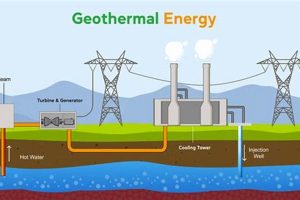
Renewable energy availability varies. Solar and wind energy generation fluctuate based on weather patterns, presenting intermittency challenges. Geothermal and biomass sources offer more consistent output but are geographically constrained and require sustainable management practices, respectively.
Question 2: Are renewable energy sources truly environmentally benign?
While generally considered cleaner than fossil fuels, renewable energy sources are not without environmental impact. Manufacturing processes, land use requirements, and potential effects on wildlife necessitate careful consideration and mitigation strategies.
Question 3: How does the cost of renewable energy compare to fossil fuels?
The cost of renewable energy has declined significantly in recent years, with some technologies now cost-competitive with fossil fuels in certain regions. However, capital costs, grid integration expenses, and intermittency management can influence the overall economic viability.
Question 4: What role does energy storage play in renewable energy systems?
Energy storage is crucial for addressing the intermittency of solar and wind power, enabling a more reliable and consistent energy supply. Batteries, pumped hydro storage, and thermal storage technologies are essential components of a robust renewable energy infrastructure.
Question 5: How scalable are renewable energy technologies?
Scalability varies depending on the specific technology. Established technologies, such as hydroelectric power and certain types of wind turbines, are readily scalable. Emerging technologies may face scalability challenges due to technological uncertainties, resource limitations, or infrastructure requirements.
Question 6: What policies are in place to support the development of renewable energy?
Government policies, such as tax credits, subsidies, renewable portfolio standards, and carbon pricing mechanisms, play a significant role in incentivizing renewable energy development and promoting a transition to a more sustainable energy system.
The accurate understanding of these factors is essential for informed decision-making and effective policy implementation regarding renewable energy adoption.
The next article section will cover the importance of policy implication.
Renewable Energy Sources Overview
This examination of “renewable energy sources overview” has underscored its multifaceted nature, extending beyond a mere list of alternative power generators. The discussion has emphasized the importance of considering sustainability, intermittency, infrastructure, scalability, economics, and environmental impact as interconnected elements determining the viability and effectiveness of a transition to renewable energy. Understanding these elements is critical for accurate assessment of energy options.
A comprehensive “renewable energy sources overview” serves not merely as an academic exercise, but as a fundamental tool for informed decision-making at all levels. From policymakers shaping energy strategies to investors allocating capital and individuals making consumption choices, a thorough understanding of the complexities surrounding renewable energy is essential for navigating the energy landscape and fostering a sustainable future. Continued rigorous analysis and proactive adaptation are therefore essential.