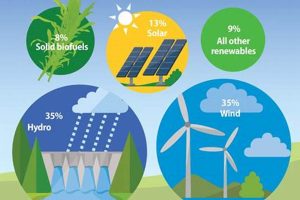
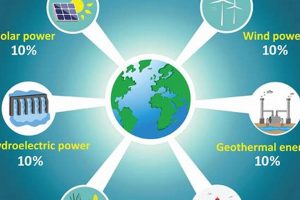
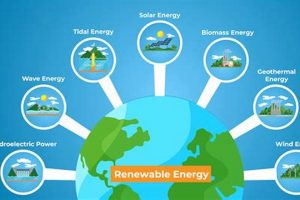
Harnessing power from naturally replenishing resources presents a compelling alternative to traditional fossil fuels. These methods leverage solar radiation, wind currents, geothermal heat, moving water, and biomass to generate electricity and heat. The utilization of these resources offers a diverse array of benefits compared to finite energy reserves.
The shift towards these sustainable practices contributes significantly to mitigating climate change by reducing greenhouse gas emissions. Unlike fossil fuel combustion, many of these processes produce minimal or no air pollution, improving public health and environmental quality. Furthermore, the development and deployment of these technologies foster energy independence, decreasing reliance on volatile global energy markets and promoting economic growth through domestic job creation in manufacturing, installation, and maintenance sectors.
The subsequent sections will delve into the specific benefits afforded by employing these sustainable resources, examining aspects such as environmental impact, economic viability, grid stability, and long-term sustainability. These elements highlight the compelling reasons for transitioning towards a cleaner and more secure energy future.
Guidance on Utilizing Renewable Energy Benefits
Implementing practices that capitalize on the strengths of sustainable energy resources requires strategic planning and informed decision-making. The following tips offer insights into maximizing the advantages associated with transitioning to these alternative power sources.
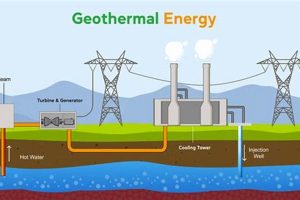
Tip 1: Conduct a Comprehensive Resource Assessment: Before investing in renewable energy infrastructure, evaluate the specific potential of local resources. For solar energy, analyze insolation levels; for wind, assess wind speed and consistency; for geothermal, investigate subsurface heat availability. Accurate assessments ensure optimal system sizing and performance.
Tip 2: Prioritize Energy Efficiency Measures: Reduce overall energy demand through efficiency upgrades in buildings and industrial processes. Lower energy consumption minimizes the scale and cost of renewable energy systems required to meet remaining needs.
Tip 3: Explore Hybrid Systems: Combine multiple renewable energy sources, such as solar and wind, with energy storage solutions. Hybrid systems enhance reliability and grid stability by mitigating the intermittency associated with individual renewable technologies.
Tip 4: Engage in Strategic Partnerships: Collaborate with local utilities, government agencies, and private sector entities to leverage expertise, secure funding, and navigate regulatory processes effectively. Collective action accelerates the adoption and deployment of these energy systems.
Tip 5: Implement Smart Grid Technologies: Integrate advanced grid management tools to optimize the distribution of renewable energy and enhance grid resilience. Smart grids enable real-time monitoring, control, and automated response to fluctuations in renewable energy supply.
Tip 6: Consider Life Cycle Costs: Evaluate the total cost of ownership for different renewable energy systems, including initial investment, operation, maintenance, and eventual decommissioning. A life cycle cost analysis provides a more accurate comparison with traditional energy sources.
Tip 7: Advocate for Supportive Policies: Encourage the development and implementation of policies that incentivize renewable energy adoption, such as tax credits, feed-in tariffs, and renewable portfolio standards. Favorable policies create a stable and predictable investment environment.
These guidelines offer a framework for effectively utilizing the broad array of benefits associated with renewable energy technologies. By incorporating these strategies, individuals, communities, and organizations can contribute to a sustainable and resilient energy future.
The following section provides concluding remarks based on the importance of adopting renewable energy resources.
1. Reduced emissions

The reduction of emissions is a primary advantage associated with renewable energy sources. This benefit directly addresses the detrimental environmental impact of fossil fuels, which release substantial quantities of greenhouse gases and air pollutants upon combustion. The deployment of solar, wind, hydro, and geothermal energy technologies displaces the need for fossil fuel-based power generation, thereby minimizing the release of carbon dioxide, methane, nitrogen oxides, and particulate matter into the atmosphere. This displacement is essential in mitigating climate change and improving air quality.
Consider the example of Germany’s Energiewende, a national policy aimed at transitioning to a low-carbon economy. A core component of this initiative involves increasing the share of renewable energy in the electricity mix. Through substantial investments in wind and solar power, Germany has significantly reduced its reliance on coal-fired power plants, resulting in a measurable decrease in carbon emissions. This reduction not only contributes to global climate change mitigation efforts but also improves local air quality, reducing respiratory illnesses and associated healthcare costs. A similar impact can be observed in countries with advanced geothermal energy programs, such as Iceland. Geothermal energy supplies a large portion of Iceland’s electricity and heating needs, resulting in minimal emissions compared to alternative energy sources.
In summary, the association between reduced emissions and renewable energy sources is a fundamental and practically significant one. The decreased release of pollutants translates directly into climate change mitigation, improved air quality, and associated public health benefits. While challenges remain in fully transitioning to renewable energy systems, the environmental advantages derived from reduced emissions provide a compelling rationale for continued investment and deployment of these technologies.
2. Resource availability

The widespread availability of renewable energy resources constitutes a significant advantage. Solar radiation, wind currents, geothermal gradients, and hydrological cycles are distributed across the globe, albeit with varying intensity. This ubiquity contrasts sharply with the geographically concentrated nature of fossil fuel deposits, such as oil, natural gas, and coal. The decentralized distribution of renewable resources enables nations and communities to develop localized energy production, reducing dependence on international energy markets and enhancing energy security. For example, regions with abundant sunshine can utilize photovoltaic systems to generate electricity, while coastal areas and mountainous regions can harness wind energy. The connection between resource availability and energy independence is a direct consequence, as regions can leverage their indigenous resources to meet energy demands.
Consider the African continent, where access to electricity remains a challenge for many communities. Distributed solar power projects are increasingly providing electricity to remote villages that are not connected to national grids. These systems capitalize on the region’s abundant solar resources to power homes, schools, and small businesses. Similarly, Iceland’s reliance on geothermal energy is a direct result of its unique geological environment. The country harnesses geothermal heat to generate electricity and provide district heating, making it one of the world’s leaders in renewable energy utilization. Resource availability is not uniform, and the implementation of renewable energy systems requires careful assessment of local resource potential to ensure optimal efficiency and economic viability.
In conclusion, the diffuse nature of renewable energy resources offers a critical advantage in promoting energy independence and enabling decentralized power generation. While the availability and intensity of specific resources vary geographically, the widespread distribution of renewable energy potential allows for tailored energy solutions based on local conditions. This characteristic reduces dependence on finite and geographically concentrated fossil fuels, contributing to a more secure and sustainable energy future. The successful utilization of these resources hinges on accurate assessments, appropriate technology deployment, and supportive policy frameworks.
3. Grid stabilization

Grid stabilization, while not immediately apparent, is a critical advantage associated with the integration of certain renewable energy sources, particularly when coupled with modern grid technologies. Conventional power grids, designed for dispatchable generation from large-scale power plants, face challenges when integrating variable renewable sources such as solar and wind. The inherent intermittency of these sources can lead to fluctuations in grid frequency and voltage, potentially compromising grid reliability. However, advanced grid management strategies and specific renewable energy technologies can contribute significantly to stabilizing the electrical grid.
For example, modern wind turbines equipped with sophisticated power electronics can provide ancillary services to the grid, such as frequency regulation and voltage support. These capabilities enable wind farms to actively respond to grid disturbances, contributing to overall grid stability. Similarly, smart inverters used in photovoltaic systems can provide reactive power support and voltage control. Energy storage systems, such as batteries and pumped hydro storage, play a crucial role in mitigating the variability of renewable energy sources and ensuring a stable power supply. These storage solutions can absorb excess energy during periods of high renewable energy production and release it during periods of low production, effectively smoothing out fluctuations and enhancing grid reliability. Denmark, with its high penetration of wind energy, has invested heavily in grid modernization and energy storage technologies to manage the variability of its renewable energy resources. These investments have enabled Denmark to maintain a reliable electricity supply while significantly reducing its carbon emissions.
In conclusion, the connection between grid stabilization and the advantages of renewable energy sources is multifaceted. While the variability of some renewable sources presents challenges for grid operators, technological advancements and strategic grid management practices can transform these challenges into opportunities. By incorporating advanced power electronics, energy storage solutions, and smart grid technologies, renewable energy sources can actively contribute to grid stability, ensuring a reliable and resilient electricity supply. This integration, in turn, enhances the overall value proposition of renewable energy, solidifying its role in a sustainable energy future. Furthermore, the development and deployment of these technologies create economic opportunities and foster innovation in the energy sector, underlining the broader benefits associated with a transition to renewable energy.
4. Economic diversification

The implementation of renewable energy sources fosters economic diversification by creating new industries, jobs, and investment opportunities. Traditional energy sectors are often characterized by concentrated ownership and limited geographic distribution of resources. In contrast, renewable energy technologies, such as solar, wind, and geothermal, facilitate a more decentralized energy landscape, enabling a wider range of participants to engage in energy production and distribution. This decentralization stimulates local economies, generates employment across various skill levels, and reduces dependence on single industries or resource extraction. The expansion of renewable energy infrastructure requires manufacturing, installation, maintenance, and research, creating a ripple effect throughout the economy. Moreover, the export of renewable energy technologies and expertise can generate revenue and enhance a nation’s competitiveness in the global market. The economic impact of renewable energy extends beyond the energy sector, benefiting related industries such as construction, transportation, and information technology.
Consider the example of regions heavily reliant on coal mining. The transition to renewable energy provides an opportunity to diversify their economic base, creating new jobs in manufacturing solar panels, wind turbines, or geothermal power plants. These new industries can offer alternative employment opportunities for displaced coal miners and revitalize local economies. Denmark, a pioneer in wind energy, exemplifies this diversification. The country has developed a robust wind turbine manufacturing industry, creating thousands of jobs and exporting wind energy technology worldwide. This success has transformed Denmark from a country dependent on imported fossil fuels to a leader in renewable energy technology, demonstrating the potential for economic transformation. Similarly, the growth of the solar industry in China has created millions of jobs and significantly contributed to the nation’s economic growth. These examples illustrate the tangible benefits of economic diversification through renewable energy deployment, underscoring its importance as a strategic objective.
In conclusion, economic diversification stands as a substantial advantage stemming from the adoption of renewable energy sources. By stimulating new industries, generating employment, and reducing dependence on traditional energy sectors, renewable energy fosters more resilient and sustainable economies. While challenges remain in transitioning from established fossil fuel-based systems, the economic benefits of diversification provide a compelling rationale for continued investment and policy support. The examples of Denmark and China highlight the potential for transforming economies through renewable energy innovation, demonstrating its role in achieving long-term economic prosperity and resilience. The integration of renewable energy into the economic fabric requires strategic planning, investment in education and training, and supportive regulatory frameworks, but the potential rewards are substantial and far-reaching.
5. Energy security

Energy security, defined as the uninterrupted availability of energy sources at an affordable price, is inextricably linked to the deployment and utilization of renewable energy resources. The following points illustrate the multifaceted relationship between energy security and the advantages afforded by renewable energy sources.
- Reduced Dependence on Foreign Sources
Renewable energy sources, such as solar, wind, and geothermal, are typically indigenous to a nation or region. By developing these resources, a country can reduce its reliance on imported fossil fuels, which are often subject to price volatility and geopolitical instability. For example, countries like Iceland, with abundant geothermal resources, have achieved a high degree of energy independence. This reduced dependence minimizes vulnerability to disruptions in global energy markets and enhances national security.
- Diversification of Energy Supply
Energy security is enhanced through the diversification of energy sources. Relying on a single energy source, particularly a finite one, exposes a nation to significant risks. Renewable energy technologies offer a diverse array of options, allowing countries to create a more resilient energy mix. The integration of multiple renewable energy sources, such as solar, wind, and hydro, mitigates the impact of fluctuations in the availability of any single resource. This diversification minimizes the risk of energy shortages and price spikes.
- Decentralized Energy Generation
Renewable energy systems often facilitate decentralized energy generation, empowering communities and individuals to produce their own electricity. Distributed solar power, for example, can provide electricity to remote areas that are not connected to the main grid. This decentralization reduces reliance on centralized power plants and transmission infrastructure, enhancing the resilience of the energy system. Localized energy production minimizes the impact of disruptions to centralized energy infrastructure and promotes greater energy self-sufficiency.
- Mitigation of Geopolitical Risks
The geopolitical landscape surrounding fossil fuels is often fraught with instability and conflict. Countries with significant fossil fuel reserves may exert undue influence on global politics, creating potential for disputes and disruptions in energy supply. By transitioning to renewable energy, nations can reduce their exposure to these geopolitical risks, fostering greater stability and security. The widespread distribution of renewable energy resources reduces the concentration of power in the hands of a few energy-rich nations, promoting a more equitable and secure global energy system.
In conclusion, the connection between energy security and the advantages of renewable energy sources is clear and compelling. By reducing dependence on foreign sources, diversifying energy supply, enabling decentralized generation, and mitigating geopolitical risks, renewable energy technologies contribute significantly to a more secure and resilient energy future. The strategic deployment of renewable energy resources is not only an environmental imperative but also a critical component of national security and economic stability.
6. Technological advancement

Technological advancement is intrinsically linked to the realization and enhancement of the advantages inherent in renewable energy sources. It acts as both a driver and an enabler, expanding the capabilities, efficiency, and economic viability of sustainable energy technologies. Innovation across various scientific and engineering disciplines directly translates into improved performance and cost-effectiveness of solar, wind, geothermal, and other renewable energy systems. Without continuous technological progress, the potential benefits of these sources would remain limited, hindering their widespread adoption and impact. For instance, the development of high-efficiency photovoltaic cells has drastically reduced the cost of solar energy, making it increasingly competitive with fossil fuels. Furthermore, advancements in wind turbine design have increased energy capture and reduced maintenance requirements, enhancing the economic feasibility of wind power projects. The interrelation between technological progress and renewable energy advantages is thus characterized by a reciprocal relationship: technological improvements unlock greater benefits, which in turn incentivize further research and development.
The practical application of this understanding can be observed in the ongoing evolution of energy storage technologies. The intermittency of solar and wind power necessitates effective energy storage solutions to ensure a stable and reliable energy supply. Technological advancements in battery technology, pumped hydro storage, and other energy storage methods are crucial for integrating variable renewable energy sources into the grid. For example, the development of lithium-ion batteries with higher energy density, longer lifespan, and reduced cost has significantly improved the feasibility of grid-scale energy storage. These advancements enable the storage of excess renewable energy during periods of high production and release it during periods of low production, effectively smoothing out fluctuations and enhancing grid stability. Similarly, advancements in smart grid technologies, such as advanced metering infrastructure and real-time monitoring systems, enable more efficient management and distribution of renewable energy, further enhancing grid stability and reliability.
In conclusion, technological advancement constitutes a cornerstone of the advantages associated with renewable energy sources. It not only enhances the performance and cost-effectiveness of existing technologies but also enables the development of new and innovative solutions for integrating renewable energy into the global energy system. While challenges remain in fully realizing the potential of renewable energy, continued investment in research and development is essential for driving technological progress and unlocking the full range of benefits. The ongoing pursuit of innovation will be instrumental in accelerating the transition to a sustainable energy future, ensuring that renewable energy sources can effectively contribute to mitigating climate change, enhancing energy security, and promoting economic development. The continuous cycle of technological innovation driving improved advantages will be key to a sustainable energy ecosystem.
7. Long-term cost savings

The potential for long-term cost savings is a central argument in favor of renewable energy sources. While the initial capital investment in renewable energy infrastructure can be substantial, the operational costs associated with these systems are generally lower than those of fossil fuel-based power plants. This disparity arises due to the reduced or eliminated fuel costs and lower maintenance requirements of many renewable energy technologies, positioning them as economically attractive alternatives over their lifespan.
- Elimination of Fuel Costs
Unlike fossil fuel-based power plants that require a continuous supply of coal, natural gas, or oil, many renewable energy systems operate on resources that are essentially free. Solar photovoltaic systems, wind turbines, and hydroelectric dams harness naturally replenishing energy sources, eliminating the need to purchase fuel. This absence of fuel costs provides a significant economic advantage, particularly in regions with abundant renewable resources. The initial outlay is offset over time as savings accrue from not having to purchase fuel for the duration of the systems operation. The stability of operational costs contributes to long-term financial predictability and reduces vulnerability to fluctuating global energy markets.
- Reduced Maintenance Expenses
Many renewable energy technologies have fewer moving parts and simpler designs compared to fossil fuel-based power plants, resulting in lower maintenance requirements. Solar photovoltaic systems, for example, typically require minimal maintenance beyond occasional cleaning. Wind turbines necessitate periodic inspections and servicing, but the overall maintenance costs are generally lower than those of complex fossil fuel power plants. The lower maintenance requirements translate into reduced operational expenses and increased system uptime, contributing to the long-term cost savings associated with renewable energy. This factor enhances the economic competitiveness of renewable energy, particularly in applications where reliability and durability are paramount.
- Long-Term Price Stability
The costs associated with renewable energy are more predictable and stable than those associated with fossil fuels. Fossil fuel prices are subject to volatility due to geopolitical events, supply and demand fluctuations, and environmental regulations. Renewable energy costs, on the other hand, are largely determined by the initial capital investment and are less susceptible to external market forces. This price stability provides greater financial certainty for energy consumers and utilities, facilitating long-term planning and investment decisions. The predictable cost structure of renewable energy also reduces the risk of unexpected price spikes, shielding consumers from the economic impact of volatile energy markets.
- Incentives and Tax Credits
Government incentives and tax credits can significantly reduce the upfront costs of renewable energy systems, accelerating the payback period and enhancing their long-term economic viability. Many countries offer tax credits, rebates, and other financial incentives to encourage the adoption of renewable energy technologies. These incentives can offset a substantial portion of the initial investment, making renewable energy more affordable for individuals, businesses, and communities. Furthermore, some jurisdictions offer feed-in tariffs, which guarantee a fixed price for electricity generated from renewable sources, providing a stable revenue stream and further enhancing the economic attractiveness of these systems. These financial support mechanisms play a crucial role in promoting the widespread adoption of renewable energy and maximizing their long-term cost savings.
The cumulative effect of these factors underscores the strong connection between long-term cost savings and the advantages of renewable energy sources. The elimination of fuel costs, reduced maintenance expenses, price stability, and availability of financial incentives combine to make renewable energy an economically sound investment over the lifespan of these systems. While the initial capital costs may be higher than those of traditional energy sources, the long-term operational savings and environmental benefits more than compensate for this initial investment, positioning renewable energy as a key component of a sustainable and cost-effective energy future.
Frequently Asked Questions
The following section addresses common inquiries regarding the benefits associated with the adoption of sustainable energy resources.
Question 1: Are renewable energy sources truly reliable, considering the intermittency of some resources like solar and wind?
The reliability of renewable energy is enhanced through various strategies, including geographic diversification, energy storage solutions, and advanced grid management techniques. Combining multiple renewable sources and utilizing smart grid technologies can mitigate the impact of intermittency and ensure a stable power supply.
Question 2: How does the cost of renewable energy compare to that of traditional fossil fuels, considering the upfront investment?
While the initial capital investment in renewable energy infrastructure can be higher, the operational costs are typically lower due to the absence of fuel expenses and reduced maintenance requirements. Over the lifespan of the system, renewable energy can often be more cost-effective than fossil fuels, particularly when accounting for environmental externalities.
Question 3: What role does government policy play in promoting the adoption of renewable energy sources?
Government policies, such as tax credits, feed-in tariffs, and renewable portfolio standards, create a supportive environment for renewable energy development and deployment. These policies incentivize investment, reduce financial risks, and promote a level playing field with traditional energy sources.
Question 4: How does the use of renewable energy impact local economies and job creation?
The deployment of renewable energy technologies stimulates local economies by creating new jobs in manufacturing, installation, maintenance, and research. Renewable energy projects often generate economic activity in rural areas, providing alternative employment opportunities and diversifying local economies.
Question 5: Are there any environmental concerns associated with renewable energy sources, such as the impact on wildlife or land use?
While renewable energy technologies are generally considered environmentally friendly, they can have some localized impacts. Careful planning and mitigation strategies are necessary to minimize these impacts, such as siting wind turbines to avoid bird migration routes and implementing responsible land management practices for solar farms.
Question 6: How does renewable energy contribute to energy security and independence?
Renewable energy sources are typically indigenous to a nation or region, reducing reliance on imported fossil fuels. This enhances energy security by diversifying energy supply, mitigating geopolitical risks, and promoting localized energy production.
In summary, these FAQs address common concerns and highlight the multifaceted advantages associated with renewable energy adoption. The answers provided underscore the importance of strategic planning, supportive policies, and continuous technological innovation in maximizing the benefits of sustainable energy resources.
The subsequent section will provide concluding remarks on renewable energy advantages.
Conclusion
This exploration has elucidated several advantages of renewable energy sources, ranging from reduced emissions and resource availability to grid stabilization, economic diversification, enhanced energy security, technological advancement, and the potential for long-term cost savings. Each of these facets contributes to a compelling argument for transitioning away from reliance on finite fossil fuels toward a sustainable energy ecosystem. The widespread adoption of these practices presents a significant opportunity to address critical global challenges, including climate change mitigation and the promotion of energy independence. It is clear from the above advantages that renewable energy resources are vital to the future of human life as of now.
The realization of these potential benefits necessitates sustained investment in research and development, supportive policy frameworks, and a commitment to continuous improvement in the technologies that underpin sustainable energy generation. A collective effort from governments, industries, and individuals is crucial to realizing this vision and securing a future characterized by clean, affordable, and reliable energy for all.