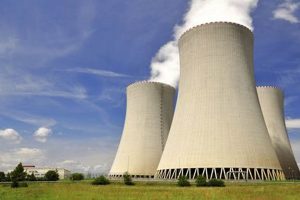
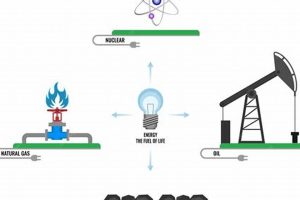
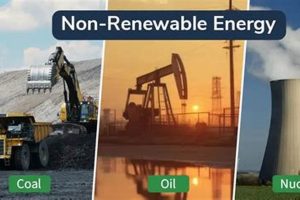
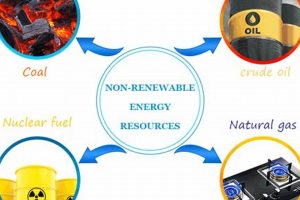
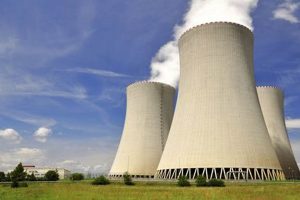
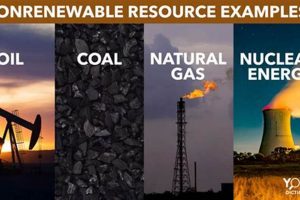
These resources are finite and take millions of years to form. Examples include fossil fuels (coal, oil, and natural gas) and nuclear fuels (uranium). Fossil fuels originated from ancient organic matter subjected to immense pressure and heat over geological timescales. Nuclear fuels, on the other hand, are derived from radioactive elements found in the Earth’s crust.
Finite energy sources have played a crucial role in powering industrialization and global development. Their energy density allows for efficient power generation and transportation, enabling large-scale economic activity. However, the depletion of these resources and the environmental consequences of their use present significant challenges for future energy security and sustainability. Understanding the nature of finite energy resources is essential for making informed decisions regarding energy consumption and the transition to more sustainable alternatives.
The following sections will delve into specific types of finite energy, their extraction processes, environmental impact, and the future of energy production. This will include discussions of renewable energy sources and their role in mitigating the negative consequences associated with finite energy consumption.
Tips for Understanding Finite Energy Resources
Efficient energy consumption and the pursuit of sustainable alternatives require a clear understanding of finite energy resources. The following tips offer guidance on navigating this complex issue.
Tip 1: Recognize the Limited Nature of Finite Resources: These resources are not replenished on a human timescale. Their extraction and use diminish the available supply, leading to eventual depletion.
Tip 2: Understand the Environmental Impact: The combustion of fossil fuels releases greenhouse gases, contributing to climate change. Extraction processes can also cause habitat destruction and pollution.
Tip 3: Explore Renewable Energy Alternatives: Solar, wind, hydro, and geothermal energy offer sustainable alternatives to finite resources, reducing reliance on depleting supplies and mitigating environmental damage.
Tip 4: Promote Energy Efficiency: Reducing energy consumption through improved building insulation, efficient appliances, and responsible transportation practices can extend the lifespan of existing finite resources and lessen environmental impact.
Tip 5: Advocate for Sustainable Energy Policies: Supporting policies that promote renewable energy development, energy efficiency, and responsible resource management is crucial for a sustainable energy future.
Tip 6: Stay Informed about Energy Developments: Keeping abreast of advancements in energy technology, policy, and resource management allows for informed decision-making regarding energy consumption.
Tip 7: Consider Long-Term Sustainability: Decisions regarding energy consumption should consider the long-term implications for future generations. Prioritizing sustainable practices ensures access to energy resources for generations to come.
By understanding the limitations and consequences associated with finite energy consumption, individuals and communities can make informed choices that contribute to a more sustainable energy future.
These tips provide a starting point for further exploration of finite energy resources, their impact, and the transition to a sustainable energy landscape. The concluding section will synthesize these points and offer a perspective on the future of energy.
1. Finite Resources

The concept of finite resources is central to understanding non-renewable energy. Non-renewable energy sources are, by definition, finite; their availability is limited, and they are consumed faster than natural processes can replenish them. This finite nature has significant implications for energy security, environmental sustainability, and the global economy.
- Resource Depletion:
Continuous extraction and consumption of non-renewable resources inevitably lead to depletion. As reserves dwindle, extraction becomes more challenging and expensive, potentially leading to price volatility and supply disruptions. The finite nature of these resources necessitates careful management and exploration of alternative energy sources.
- Geological Timescales:
Non-renewable resources, such as fossil fuels, are formed over geological timescales, spanning millions of years. This lengthy formation process contrasts sharply with the rate at which they are currently being consumed. The disparity between formation and consumption rates underscores the finite nature of these resources and the need for sustainable energy solutions.
- Environmental Impact:
The extraction and utilization of finite resources often have significant environmental consequences. Fossil fuel combustion, for example, releases greenhouse gases, contributing to climate change. Mining operations can cause habitat destruction and pollution. These environmental impacts highlight the need for responsible resource management and the transition to cleaner energy alternatives.
- Economic Implications:
The finite nature of non-renewable resources has profound economic implications. Price fluctuations, supply disruptions, and the costs associated with mitigating environmental damage can impact global markets and national economies. The transition to renewable energy sources presents opportunities for economic growth and diversification, reducing dependence on finite resources.
The finite nature of these resources is the defining characteristic of non-renewable energy. Understanding the implications of resource depletion, geological timescales, environmental impact, and economic considerations is crucial for developing sustainable energy strategies for the future. The transition to renewable energy sources offers a pathway towards long-term energy security and environmental sustainability.
2. Geological Formation

Geological formation is fundamental to the definition of non-renewable energy. The processes by which these resources are formed dictate their finite nature and influence their extraction methods and environmental impact. Understanding these geological processes is crucial for comprehending the challenges and opportunities associated with non-renewable energy sources.
- Fossil Fuel Formation (Coal, Oil, and Natural Gas):
Fossil fuels originate from organic matterancient plants and animalsburied and subjected to intense pressure and heat over millions of years. Coal formation involves the gradual transformation of plant matter in swampy environments. Oil and natural gas form from marine organisms deposited on the ocean floor. The specific geological conditions and timescales involved in these processes determine the characteristics and quality of the resulting fossil fuels.
- Nuclear Fuel Formation (Uranium):
Uranium, the primary fuel for nuclear energy, is a naturally occurring radioactive element found in the Earth’s crust. Its formation involves complex geological processes associated with the formation and evolution of rocks. Uranium deposits are typically concentrated in specific geological formations, influencing the feasibility and environmental impact of extraction.
- Timescales and Finite Nature:
The vast timescales involved in the formation of non-renewable energy resourcesmillions of yearshighlight their finite nature. The rate at which these resources are currently consumed far exceeds their rate of formation. This disparity underscores the need for sustainable energy alternatives and responsible resource management.
- Geological Structures and Extraction:
The geological structures containing non-renewable resources influence extraction methods and associated environmental impacts. Deep underground coal seams require extensive mining operations, while oil and gas extraction involves drilling and potentially fracking. Understanding these geological factors is essential for developing safe and environmentally responsible extraction techniques.
The geological formation of non-renewable resources directly impacts their availability, extraction methods, and environmental consequences. Recognizing the finite nature of these resources, dictated by geological timescales, underscores the importance of transitioning to renewable energy sources and implementing sustainable energy practices. The future of energy relies on understanding and addressing the limitations imposed by the geological origins of non-renewable resources.
3. Energy-Dense

The energy density of a fuel source is a crucial factor in its utility and economic viability. In the context of non-renewable energy, energy density plays a significant role in its historical dominance and continues to influence its ongoing use. A high energy density means a substantial amount of energy can be extracted from a relatively small volume or mass of fuel, making these sources efficient for various applications.
- Efficiency and Power Output:
Non-renewable energy sources, particularly fossil fuels, are characterized by their high energy density. This allows for efficient power generation in power plants and provides substantial power for transportation. A small volume of gasoline, for example, can power a vehicle for hundreds of miles. This inherent efficiency has contributed to the widespread adoption of non-renewable energy sources in industrial processes and transportation systems.
- Economic Implications:
The high energy density of non-renewable fuels translates to economic advantages. The ability to extract significant energy from a relatively small quantity of fuel reduces transportation and storage costs. This cost-effectiveness has been a key factor in the historical dominance of non-renewable energy in global markets.
- Comparison with Renewable Sources:
While some renewable energy sources, such as hydropower, offer high energy density, others, like solar and wind, are characterized by lower energy densities. This requires larger infrastructure and more extensive land use to generate comparable amounts of power. The difference in energy density is a key consideration in the transition from non-renewable to renewable energy sources.
- Technological Advancements:
Technological advancements aim to improve the energy density of both non-renewable and renewable energy sources. Research in areas like battery technology and advanced biofuels seeks to increase the energy density of renewable options, making them more competitive with traditional fossil fuels. Similarly, advancements in fossil fuel extraction technologies seek to maximize energy extraction from existing reserves.
The energy density of a fuel source is a critical factor in its practicality and economic viability. The high energy density of non-renewable energy sources has historically driven their widespread use, but the finite nature of these resources and their environmental impact necessitates a transition towards renewable alternatives. Technological advancements are crucial in bridging the energy density gap between non-renewable and renewable sources, paving the way for a sustainable energy future.
4. Environmental Impact

The environmental impact of non-renewable energy sources is a critical consideration in evaluating their long-term sustainability. Extraction, processing, and utilization of these resources contribute significantly to various environmental problems, posing challenges for ecological balance and human health. Understanding these environmental consequences is essential for informed decision-making regarding energy production and consumption.
- Greenhouse Gas Emissions:
Combustion of fossil fuels releases substantial amounts of greenhouse gases, primarily carbon dioxide, into the atmosphere. These gases trap heat, contributing to global warming and climate change. The resulting changes in climate patterns can lead to more frequent and intense extreme weather events, sea-level rise, and disruptions to ecosystems.
- Air and Water Pollution:
Extraction and processing of non-renewable resources can contaminate air and water sources. Mining operations release particulate matter and heavy metals into the air, while oil spills and wastewater discharge from fossil fuel processing pollute water bodies. These pollutants can harm human health, damage ecosystems, and compromise water resources.
- Land Degradation and Habitat Loss:
Mining activities, particularly coal mining, can lead to extensive land degradation and habitat loss. Surface mining operations remove vegetation and topsoil, disrupting ecosystems and impacting biodiversity. Oil and gas extraction can also fragment habitats and disrupt wildlife migration patterns.
- Waste Disposal:
Non-renewable energy production generates substantial waste products. Nuclear power plants produce radioactive waste that requires long-term storage and careful management. Fossil fuel combustion generates ash and other byproducts that require disposal, potentially contaminating soil and water resources.
The environmental consequences associated with non-renewable energy sources underscore the need for a transition to more sustainable alternatives. While non-renewable resources have played a significant role in industrial development, their continued reliance poses substantial risks to the environment and human well-being. Mitigating these environmental impacts requires a concerted effort to develop and implement cleaner energy technologies and adopt responsible resource management practices.
5. Depleting Reserves

Depleting reserves are intrinsically linked to the definition of non-renewable energy. Non-renewable resources, by their very nature, are finite and exist in limited quantities within the Earth. Continuous extraction and consumption inevitably lead to a decline in these reserves. This depletion has profound implications for energy security, economic stability, and geopolitical dynamics. For example, the decline in conventional oil reserves has driven exploration in more challenging and environmentally sensitive areas, such as deep-sea drilling and Arctic exploration.
The rate of depletion is influenced by several factors, including global energy demand, technological advancements in extraction techniques, and the discovery of new reserves. While technological innovations may enhance extraction efficiency and access previously unreachable resources, they do not alter the fundamental finite nature of these resources. The depletion of easily accessible reserves often leads to increased extraction costs and potential supply disruptions, as seen in the fluctuating prices of fossil fuels. Furthermore, the pursuit of unconventional resources, such as shale gas and oil sands, often entails greater environmental risks and higher extraction costs.
Understanding the concept of depleting reserves is crucial for formulating sustainable energy policies and transitioning towards renewable energy sources. Recognizing the finite nature of non-renewable resources necessitates a shift towards energy sources that are not subject to depletion, such as solar, wind, and geothermal energy. The depletion of non-renewable reserves underscores the urgency of diversifying energy portfolios and investing in research and development of renewable energy technologies. A failure to address depleting reserves poses significant risks to long-term energy security and global economic stability.
Frequently Asked Questions
This section addresses common inquiries regarding non-renewable energy sources, offering concise and informative responses.
Question 1: What are the primary types of non-renewable energy?
The main non-renewable energy sources are fossil fuels (coal, oil, and natural gas) and nuclear fuels (uranium).
Question 2: Why are these resources considered “non-renewable”?
They are deemed “non-renewable” because their formation takes millions of years, meaning they are consumed far faster than natural processes can replenish them.
Question 3: What are the main uses of non-renewable energy?
Non-renewable energy sources predominantly fuel electricity generation, transportation, and industrial processes.
Question 4: What are the key environmental concerns associated with non-renewable energy use?
Significant environmental concerns include greenhouse gas emissions contributing to climate change, air and water pollution, and habitat destruction.
Question 5: What are the long-term implications of relying on non-renewable energy?
Continued reliance on non-renewable energy sources leads to resource depletion, increased energy costs, and heightened environmental risks.
Question 6: What are the alternatives to non-renewable energy?
Renewable energy sources like solar, wind, hydro, and geothermal offer sustainable alternatives, replenishing naturally over time.
Understanding the characteristics and implications of non-renewable energy use is crucial for informed decision-making and the transition to a sustainable energy future. The provided information offers a starting point for further exploration of this complex topic.
The subsequent section will explore the advantages and disadvantages of non-renewable energy sources in greater detail.
Non-Renewable Energy
Non-renewable energy sources, characterized by their finite availability and geological origins, have fueled industrialization and shaped modern society. This exploration has highlighted the defining characteristics of these resources, including their formation processes, energy density, and significant environmental impact. From the extraction of fossil fuels to the utilization of nuclear energy, the reliance on non-renewable resources has driven economic growth but simultaneously raised concerns about resource depletion, climate change, and pollution. The finite nature of these resources underscores the inherent limitations of a non-renewable energy system.
The future of energy hinges on a decisive transition towards sustainable alternatives. While non-renewable resources have played a pivotal role in human development, their continued use presents substantial risks to the environment and long-term energy security. Embracing renewable energy sources, promoting energy efficiency, and fostering responsible resource management are essential steps towards a sustainable energy future. The choices made today regarding energy consumption will determine the availability of resources and the environmental legacy inherited by future generations. A shift towards sustainable energy practices is not merely an option; it is an imperative.