The generation and utilization of energy from sources considered renewable, such as solar, wind, hydro, and geothermal, are often perceived as inherently clean. However, a comprehensive evaluation reveals that these methods can, in certain circumstances and to varying degrees, contribute to environmental contamination. This contamination can manifest at different stages, including manufacturing, installation, operation, and decommissioning. For example, the production of solar panels involves the use of various materials, some of which can be toxic, and their disposal can pose challenges if not handled correctly.
The appeal of these energy alternatives lies in their potential to mitigate the adverse effects associated with traditional fossil fuels, notably climate change and air pollution. Their adoption is increasingly vital to meet rising energy demands in a manner that minimizes environmental impact and enhances long-term sustainability. The transition towards a greater reliance on these resources is a key component of many nations’ strategies to reduce carbon emissions and achieve environmental targets. Understanding the nuanced environmental considerations associated with their implementation is crucial for responsible deployment.
This analysis will explore the specific types of pollution associated with different renewable energy technologies, focusing on their potential impacts on air, water, and land. It will further examine strategies for minimizing these effects and promoting more sustainable practices within the renewable energy sector. A balanced perspective is presented, acknowledging both the environmental benefits and the environmental costs associated with the pursuit of these alternative energy options.
Mitigating Pollution from Renewable Energy Sources
The pursuit of environmentally sound renewable energy solutions necessitates a comprehensive understanding of potential pollution sources associated with these technologies. Implementing proactive measures during all stages of project development can minimize adverse impacts.
Tip 1: Conduct Thorough Environmental Impact Assessments: Prior to initiating any renewable energy project, a comprehensive environmental impact assessment must be undertaken. This evaluation should identify potential pollution sources, assess their potential impacts on local ecosystems and human health, and propose mitigation strategies.
Tip 2: Implement Sustainable Manufacturing Practices: Manufacturing processes for renewable energy components, such as solar panels and wind turbine blades, should prioritize sustainable practices. This includes minimizing the use of hazardous materials, reducing waste generation, and optimizing energy consumption during production.
Tip 3: Promote Responsible Siting and Land Use: The selection of project sites should consider potential impacts on biodiversity, water resources, and land use patterns. Avoid locating projects in ecologically sensitive areas or areas with high agricultural value.
Tip 4: Employ Closed-Loop Water Management Systems: Renewable energy facilities that utilize water, such as hydropower and geothermal plants, should implement closed-loop water management systems to minimize water consumption and prevent the discharge of polluted water into surrounding ecosystems.
Tip 5: Develop Effective Waste Management Strategies: Proper waste management practices are essential for all renewable energy technologies. This includes recycling end-of-life components, safely disposing of hazardous materials, and minimizing the generation of waste during operation and maintenance.
Tip 6: Invest in Research and Development: Ongoing research and development efforts are needed to develop cleaner and more sustainable renewable energy technologies. This includes exploring alternative materials, improving manufacturing processes, and developing more efficient energy storage solutions.
Tip 7: Enforce Stringent Environmental Regulations: Governments should establish and enforce stringent environmental regulations for renewable energy projects. These regulations should address potential pollution sources and ensure that projects are developed and operated in an environmentally responsible manner.
Adopting these strategies allows for a more responsible implementation of renewable energy technologies, mitigating pollution, preserving natural resources, and improving the overall sustainability of the energy transition.
The transition to a sustainable energy future requires a commitment to minimizing the environmental footprint of all energy sources, including those considered renewable. Continued vigilance and proactive measures are essential to ensure the long-term benefits of these technologies.
1. Manufacturing Emissions

The assertion that renewable energy sources are inherently pollution-free often overlooks the significant contribution of manufacturing processes to their overall environmental footprint. The production of components for technologies such as solar photovoltaic (PV) panels, wind turbines, and batteries involves energy-intensive operations and the utilization of various materials, leading to atmospheric emissions of greenhouse gases and other pollutants. This is a direct pathway through which renewable energy systems contribute to pollution. For instance, the creation of solar panels necessitates the mining and refining of silicon, a process that releases considerable quantities of carbon dioxide. Similarly, the manufacturing of wind turbine blades, typically made of composite materials, requires energy-intensive processes and often involves the use of volatile organic compounds (VOCs).
The importance of accounting for manufacturing emissions lies in obtaining a comprehensive life cycle assessment of renewable energy technologies. Without factoring in these emissions, comparisons with traditional fossil fuel-based energy sources can be misleading. For example, studies examining the carbon footprint of solar PV panels often reveal that a substantial portion of their total greenhouse gas emissions is attributable to the manufacturing stage. The location of manufacturing facilities also plays a crucial role. If a solar panel factory is powered by coal-fired electricity, the overall carbon footprint of the resulting solar panels will be significantly higher compared to panels manufactured in a facility powered by renewable energy. This underscores the interconnectedness of energy sources and manufacturing practices in determining the true environmental impact of renewable technologies.
Addressing manufacturing emissions is critical for enhancing the sustainability of renewable energy systems. This can be achieved through various strategies, including the adoption of cleaner manufacturing processes, the utilization of recycled materials, and the sourcing of components from facilities powered by renewable energy. Transparency in the supply chain and rigorous life cycle assessments are essential for identifying and mitigating these emissions. By focusing on reducing the environmental impact of the manufacturing stage, the overall sustainability of renewable energy technologies can be significantly improved, ensuring a more genuinely clean energy transition.
2. Land use changes

Alterations in land utilization patterns are a significant consideration when assessing the environmental impact of renewable energy sources. The deployment of these technologies often necessitates substantial land areas, which can lead to ecological consequences and contribute to pollution in various forms.
- Habitat Disruption and Fragmentation
Large-scale solar and wind farms require extensive tracts of land, potentially displacing natural habitats and fragmenting ecosystems. This can lead to biodiversity loss, reduced habitat connectivity, and increased vulnerability of species to extinction. For instance, the construction of wind farms in migratory bird corridors can result in avian mortality due to collisions with turbine blades. Similarly, solar farms can convert agricultural land or natural vegetation, disrupting local wildlife populations and altering ecosystem functions.
- Soil Degradation and Erosion
Construction activities associated with renewable energy projects can disturb soil profiles, leading to increased erosion and sedimentation. The removal of vegetation cover exposes the soil to wind and water, accelerating erosion rates and reducing soil fertility. This can have downstream effects on water quality, as sediment runoff can pollute rivers and streams. Furthermore, soil compaction from heavy machinery can reduce water infiltration and increase runoff, exacerbating erosion problems.
- Water Resource Impacts
Changes in land cover can affect hydrological cycles and water availability. Deforestation or vegetation removal can reduce evapotranspiration, leading to altered rainfall patterns and increased runoff. This can impact water resources downstream, affecting water supplies for agriculture, industry, and domestic use. Additionally, increased runoff can carry pollutants, such as fertilizers and pesticides, into water bodies, further degrading water quality.
- Visual Pollution and Aesthetic Impacts
Large-scale renewable energy installations can alter the visual landscape, potentially leading to aesthetic concerns and impacts on property values. The presence of wind turbines or solar panels can be perceived as visual intrusions, particularly in areas with scenic beauty or cultural significance. This can lead to opposition from local communities and challenges in project siting and permitting.
The connection between land use changes and pollution from renewable energy sources highlights the importance of careful planning and mitigation strategies. Minimizing land footprint, selecting appropriate project sites, implementing erosion control measures, and addressing aesthetic concerns are crucial for reducing the environmental impact of renewable energy development. A holistic approach that considers the ecological, social, and economic consequences of land use changes is essential for ensuring the long-term sustainability of renewable energy systems.
3. Water consumption

Water consumption is a critical consideration in the lifecycle assessment of various renewable energy technologies. While often perceived as environmentally benign, certain renewable energy systems require significant water resources for operation, cooling, and manufacturing, thereby potentially contributing to water stress and associated forms of pollution.
- Concentrated Solar Power (CSP) Cooling
CSP plants, which use mirrors to focus sunlight and generate heat to produce electricity, often rely on water-intensive cooling systems. These systems, typically utilizing either wet cooling or dry cooling, can consume substantial amounts of water, especially in arid regions where solar irradiance is highest. Wet cooling systems, while more efficient, evaporate water to dissipate heat, leading to significant water losses. The withdrawal of water from rivers, lakes, or aquifers can deplete water resources, impacting aquatic ecosystems and potentially leading to water scarcity for other users. The return flow of heated water can also cause thermal pollution, harming aquatic life.
- Biofuel Production
The cultivation of biofuel feedstocks, such as corn or sugarcane, requires irrigation, particularly in regions with limited rainfall. The water used for irrigation can strain water resources, leading to depletion of aquifers and reduced streamflow. Additionally, the runoff from agricultural fields can carry fertilizers, pesticides, and sediment into water bodies, causing nutrient pollution, algal blooms, and oxygen depletion. The processing of biofuel feedstocks also involves water consumption for washing, fermentation, and distillation, further contributing to the overall water footprint of biofuel production.
- Hydropower Operations
While hydropower itself does not directly consume water, the construction and operation of hydroelectric dams can significantly alter river flow patterns and water availability. Dam construction can lead to the inundation of large areas, displacing communities and altering ecosystems. The impoundment of water behind dams can reduce downstream flow, affecting water supplies for irrigation, municipal use, and industrial activities. Furthermore, changes in river flow can disrupt fish migration patterns and alter aquatic habitats. Evaporation from reservoirs can also contribute to water losses, especially in arid and semi-arid regions.
- Geothermal Energy Extraction
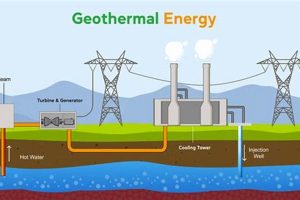
Geothermal power plants extract hot water or steam from underground reservoirs to generate electricity. Some geothermal systems require the injection of water to maintain reservoir pressure, which can lead to water consumption. Additionally, geothermal fluids may contain dissolved minerals and salts that can contaminate surface and groundwater if not properly managed. The disposal of geothermal wastewater can pose environmental challenges, requiring careful treatment and monitoring to prevent pollution.
The connection between water consumption and renewable energy underscores the importance of adopting a holistic approach to energy planning. Optimizing water use efficiency in renewable energy systems, implementing closed-loop cooling systems, promoting sustainable agricultural practices for biofuel feedstocks, and carefully managing water resources in hydropower operations are crucial for minimizing the environmental impacts of renewable energy development. Integrated water-energy planning can help ensure that renewable energy projects do not exacerbate water scarcity or contribute to water pollution, promoting a more sustainable and resilient energy future.
4. Material Sourcing
The acquisition of raw materials required for renewable energy technologies constitutes a significant nexus between these systems and potential environmental contamination. The extraction, processing, and transportation of materials such as rare earth elements, silicon, lithium, and various metals contribute to diverse forms of pollution, impacting air and water quality, as well as terrestrial ecosystems. For example, the mining of lithium, a crucial component in battery storage systems, often involves significant water consumption and can lead to the contamination of groundwater resources with harmful chemicals. Similarly, the extraction of rare earth elements used in wind turbine magnets is frequently associated with the release of toxic substances, including radioactive materials, into the environment.
The geographic concentration of certain material resources further exacerbates environmental and social challenges. Many essential minerals are sourced from regions with lax environmental regulations or unstable political climates, increasing the risk of irresponsible mining practices and human rights abuses. This can lead to deforestation, habitat destruction, and the displacement of local communities. Furthermore, the energy intensity of material processing contributes to greenhouse gas emissions, offsetting some of the carbon benefits associated with renewable energy generation. The transportation of raw materials and finished components across long distances also adds to the carbon footprint and can introduce invasive species to new environments.
Addressing the environmental impacts of material sourcing requires a multi-faceted approach. This includes promoting sustainable mining practices, improving material recycling and recovery rates, diversifying supply chains, and investing in research and development of alternative materials with lower environmental footprints. Transparency and traceability throughout the supply chain are essential for ensuring accountability and preventing environmental degradation. By prioritizing responsible material sourcing, the renewable energy sector can minimize its contribution to pollution and enhance its overall sustainability, ensuring a more truly clean energy future.
5. Decommissioning waste

The end-of-life management of renewable energy infrastructure presents a significant, and often overlooked, pathway by which these sources contribute to pollution. Decommissioning waste, encompassing discarded solar panels, wind turbine blades, and battery components, poses unique environmental challenges. These discarded materials, if not properly handled, can release hazardous substances into the environment, thereby perpetuating pollution. A direct cause-and-effect relationship exists: the increased deployment of renewable energy technologies inevitably leads to a corresponding increase in decommissioning waste, underscoring the importance of proactive waste management strategies. For instance, fiberglass turbine blades, designed for durability, are difficult to recycle and often end up in landfills, taking up significant space and potentially leaching harmful chemicals into the soil.
The composition of renewable energy components is a key factor in the generation of pollution during decommissioning. Solar panels contain heavy metals such as lead and cadmium, which can contaminate soil and water if panels are improperly disposed of. Battery components, especially those from large-scale energy storage systems, contain corrosive and toxic materials requiring specialized handling and disposal to prevent environmental damage. Recognizing decommissioning waste as an integral component of the pollution footprint associated with renewable energy technologies is crucial for developing sustainable solutions. This understanding necessitates investment in recycling infrastructure, the development of biodegradable or easily recyclable materials, and the implementation of stringent regulations governing waste disposal practices.
Proper decommissioning strategies are essential to mitigating the potential for pollution from renewable energy infrastructure. This includes dismantling and removing equipment in a safe and environmentally sound manner, recycling materials where possible, and remediating any contaminated sites. The practical significance of this understanding lies in the ability to minimize the environmental impact of renewable energy technologies throughout their entire lifecycle, ensuring that the transition to a cleaner energy future does not inadvertently create new environmental problems. Furthermore, prioritizing responsible decommissioning practices can enhance the public perception of renewable energy, fostering greater support for its continued deployment. Effective policy implementation and industry collaboration are required to establish robust waste management systems capable of handling the growing volume of decommissioning waste, thereby minimizing pollution and contributing to a truly sustainable energy transition.
6. Noise pollution

Elevated ambient sound levels represent a form of environmental degradation often associated with industrial activities. Renewable energy sources, while generally less polluting than fossil fuels, can nonetheless contribute to noise pollution, necessitating careful consideration of mitigation strategies.
- Wind Turbine Aerodynamic Noise
Wind turbines generate noise through the interaction of rotor blades with the air. This aerodynamic noise is characterized by a “whooshing” or “swishing” sound that can be particularly noticeable at night or in quiet rural areas. Proximity to residential areas can lead to complaints and decreased quality of life for nearby inhabitants. The intensity and frequency of this noise are influenced by turbine size, rotor speed, and wind conditions. Adverse health effects such as sleep disturbance and annoyance have been documented in populations exposed to prolonged wind turbine noise.
- Substation and Transformer Noise
Renewable energy systems often require substations and transformers to convert and transmit electricity to the grid. These electrical components emit a low-frequency hum caused by the vibration of transformer cores. This low-frequency noise can propagate over considerable distances and penetrate building structures, making it particularly bothersome to those residing nearby. The level of noise emitted by substations and transformers is dependent on their size, load, and construction materials. Poorly maintained or outdated equipment can generate higher levels of noise.
- Geothermal Plant Operational Sounds
Geothermal power plants extract steam or hot water from underground reservoirs to generate electricity. The operation of these plants can produce noise from various sources, including drilling, pumping, and the venting of steam. The noise levels can be particularly high during drilling and maintenance activities. Uncontrolled steam venting can generate loud, hissing sounds that can be disruptive to surrounding communities and wildlife. Mitigation strategies include implementing noise barriers, mufflers, and improved operational procedures.
- Hydropower Turbine Operation
Hydroelectric facilities can generate noise pollution through the operation of turbines and the release of water through spillways. The noise from turbines is typically a low-frequency rumble that can be transmitted through the ground and water. Spillway releases can produce loud, rushing sounds that can be audible over long distances. The intensity of the noise is influenced by the size and type of turbine, the volume of water released, and the topography of the surrounding area. Mitigation measures include optimizing turbine design and implementing noise reduction technologies.
The multifaceted nature of noise pollution stemming from renewable energy necessitates comprehensive planning and mitigation efforts. Evaluating potential noise impacts during project development, implementing noise reduction technologies, and establishing buffer zones between renewable energy installations and sensitive receptors are essential for minimizing adverse effects. Continuously monitoring noise levels and addressing community concerns can help to ensure that the benefits of renewable energy are not offset by detrimental environmental consequences. Successfully addressing this ensures the advancement of renewable energy is indeed contributing to pollution reduction efforts.
Frequently Asked Questions
This section addresses common inquiries regarding the potential for pollution resulting from renewable energy technologies.
Question 1: Are renewable energy sources entirely free from environmental impact?
Renewable energy systems are generally cleaner than fossil fuel-based power generation; however, they are not entirely devoid of environmental consequences. Pollution can occur during manufacturing, resource extraction, land use, and decommissioning stages.
Question 2: What types of manufacturing processes contribute to pollution in the renewable energy sector?
The production of solar panels, wind turbines, and batteries involves energy-intensive processes and the use of various materials, leading to emissions of greenhouse gases and other pollutants. Mining and refining raw materials are particularly significant contributors.
Question 3: How does land use associated with renewable energy contribute to environmental problems?
Large-scale renewable energy projects, such as solar and wind farms, can require substantial land areas, leading to habitat disruption, soil degradation, and visual impacts. Careful site selection and mitigation measures are crucial to minimize these effects.
Question 4: Is water consumption a concern for renewable energy technologies?
Certain renewable energy systems, such as concentrated solar power plants and biofuel production facilities, require significant water resources for cooling and feedstock cultivation. This can strain water supplies, particularly in arid regions.
Question 5: What are the primary concerns associated with decommissioning waste from renewable energy systems?
The disposal of end-of-life solar panels, wind turbine blades, and battery components poses environmental challenges. These materials can contain hazardous substances that require specialized handling to prevent soil and water contamination.
Question 6: Does noise pollution constitute a relevant consideration for renewable energy infrastructure?
Wind turbines and geothermal plants can generate noise that impacts nearby communities and wildlife. Careful siting and noise reduction technologies are essential for mitigating these effects.
It is essential to consider all stages of the life cycle of a renewable energy system from material sourcing and manufacturing to operation and decommissioning to accurately assess its environmental footprint. Only through a comprehensive understanding can effective mitigation strategies be developed and implemented.
The following section will summarize the central aspects of this examination.
Do Renewable Energy Sources Cause Pollution
This exploration of “do renewable energy sources cause pollution” has revealed that while these technologies offer significant advantages over fossil fuels, they are not entirely free of environmental impacts. Pollution can arise during manufacturing, land use, water consumption, material sourcing, and decommissioning. Each stage presents unique challenges that must be addressed through proactive planning and technological innovation.
A comprehensive life cycle approach is essential for evaluating the true environmental costs and benefits of renewable energy. By acknowledging and mitigating the pollution pathways associated with these technologies, a more sustainable energy transition can be achieved, ensuring a cleaner future for all. Continued research, responsible policy implementation, and industry commitment are vital for minimizing environmental harm and maximizing the potential of renewable energy.