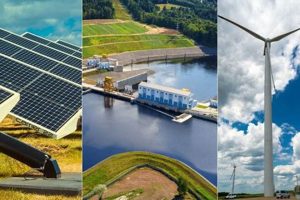
Professionals in this field guide individuals, businesses, and organizations through the complexities of transitioning to sustainable power sources. This can encompass a wide range of services, from conducting energy audits to developing customized renewable energy implementation strategies, including feasibility studies, financial modeling, and technology selection. For example, a manufacturing plant might consult with such experts to explore the viability of installing solar panels or wind turbines to offset its reliance on fossil fuels.
The guidance offered by these specialists is crucial in mitigating climate change, reducing dependence on finite resources, and achieving energy independence. Historically, reliance on conventional energy sources has created environmental and geopolitical challenges. The growing awareness of these issues has elevated the role of professionals focused on sustainable practices, driving demand for their expertise in both the public and private sectors.
This article delves deeper into specific areas within this field, examining the skills and qualifications required, emerging trends, and the future prospects for those seeking to contribute to a more sustainable energy landscape.
Tips for Transitioning to Renewable Energy
Successfully adopting sustainable energy solutions requires careful planning and execution. The following tips offer valuable guidance for navigating this process effectively.
Tip 1: Conduct a Thorough Energy Audit: A comprehensive energy assessment provides a baseline understanding of current energy consumption patterns, identifying areas for potential improvement and cost savings. This analysis forms the foundation for developing a tailored renewable energy strategy.
Tip 2: Explore Available Incentives and Financing Options: Numerous government and private sector programs offer financial incentives, such as tax credits and rebates, to encourage renewable energy adoption. Understanding these programs can significantly reduce upfront investment costs.
Tip 3: Consider Long-Term Sustainability: Choosing renewable energy technologies requires careful consideration of factors like lifespan, maintenance requirements, and potential environmental impacts. Opting for durable and readily maintainable solutions ensures long-term cost-effectiveness and environmental responsibility.
Tip 4: Evaluate Site Suitability: The effectiveness of different renewable energy technologies varies depending on geographical location and site-specific factors like solar irradiance or wind speed. A thorough site assessment is crucial for maximizing energy generation potential.
Tip 5: Prioritize Energy Efficiency Measures: Implementing energy efficiency improvements before adopting renewable energy technologies can significantly reduce overall energy demand and optimize the effectiveness of renewable energy installations.
Tip 6: Engage with Qualified Professionals: Navigating the complexities of renewable energy implementation often requires specialized expertise. Consulting with experienced professionals ensures informed decision-making and successful project execution.
Tip 7: Monitor and Optimize Performance: Regular monitoring and performance analysis of renewable energy systems are essential for ensuring optimal energy generation and identifying potential maintenance needs. This proactive approach maximizes the return on investment and extends the lifespan of the system.
By carefully considering these factors, individuals and organizations can effectively transition to renewable energy sources, contributing to a more sustainable future while realizing significant economic and environmental benefits.
These actionable insights provide a solid foundation for informed decision-making. The concluding section will summarize key takeaways and offer final recommendations for embracing a sustainable energy future.
1. Expert Analysis

Expert analysis forms the cornerstone of effective renewable energy advising. A thorough understanding of energy consumption patterns, resource availability, and technological advancements is crucial for developing viable and impactful solutions. This analytical process encompasses evaluating site suitability for specific renewable energy technologies, assessing the financial viability of projects through detailed cost-benefit analyses, and forecasting long-term energy production and cost savings. For example, accurately predicting solar irradiance or wind resource potential is essential for determining the optimal size and placement of solar panels or wind turbines, maximizing energy generation and return on investment. Similarly, a comprehensive financial model, incorporating factors such as equipment costs, maintenance expenses, and available incentives, enables informed decision-making and secures project funding.
The practical significance of expert analysis extends beyond technical feasibility and financial viability. A thorough assessment of potential environmental and social impacts is crucial for ensuring sustainable and responsible project development. This includes evaluating the ecological footprint of different renewable energy technologies, considering potential impacts on local communities, and mitigating any adverse effects on biodiversity or natural habitats. For instance, a project involving hydroelectric power generation requires careful consideration of potential impacts on aquatic ecosystems and downstream water users. Expert analysis provides the foundation for informed decision-making, balancing economic benefits with environmental and social considerations.
In conclusion, expert analysis serves as an indispensable tool for renewable energy advisors. It empowers informed decision-making, facilitating the development of sustainable and impactful solutions that address the complex challenges of transitioning to a cleaner energy future. The ability to accurately assess technical, financial, environmental, and social factors is crucial for successful project implementation and contributes significantly to the broader goal of achieving a sustainable energy landscape. Challenges remain in ensuring access to high-quality data and fostering collaboration among diverse stakeholders, highlighting the ongoing need for robust analytical frameworks and interdisciplinary expertise.
2. Project Management

Project management plays a critical role in the successful implementation of renewable energy projects. Advisors skilled in project management ensure projects progress efficiently, within budget, and meet predefined objectives. From initial feasibility studies to final commissioning, effective project management is essential for navigating the complexities of renewable energy development.
- Planning and Scoping
Defining clear project objectives, deliverables, and timelines is fundamental. This includes conducting thorough site assessments, evaluating technology options, and securing necessary permits and approvals. For example, a solar farm project requires meticulous planning to ensure optimal panel placement, grid connection, and environmental compliance. Accurate scoping minimizes potential risks and sets the stage for successful project execution.
- Budgeting and Cost Control
Developing a realistic budget and implementing robust cost control measures are crucial for project viability. This involves accurately estimating equipment costs, installation expenses, and ongoing maintenance requirements. For instance, a wind energy project requires detailed budgeting to account for turbine procurement, foundation construction, and grid integration costs. Effective cost control ensures projects remain financially sound and deliver expected returns on investment.
- Risk Management
Identifying and mitigating potential risks is essential for project success. Renewable energy projects often face challenges related to regulatory changes, technological advancements, and environmental factors. For example, a geothermal project might encounter unexpected geological conditions that require adjustments to drilling plans and timelines. Proactive risk management minimizes disruptions and ensures project resilience.
- Stakeholder Communication
Maintaining open communication with stakeholders, including investors, community members, and regulatory bodies, is crucial for building consensus and ensuring project acceptance. For example, a hydropower project requires ongoing communication with local communities to address concerns about water usage and potential environmental impacts. Effective stakeholder engagement fosters transparency and builds trust.
These interconnected facets of project management underscore the crucial role of renewable energy advisors in guiding projects from concept to completion. Their expertise ensures efficient resource allocation, minimizes risks, and maximizes the positive impacts of renewable energy development. Ultimately, effective project management contributes significantly to the successful transition towards a sustainable energy future.
3. Financial Modeling
Financial modeling is integral to the work of renewable energy advisors. Accurate and comprehensive financial models provide the basis for investment decisions, project feasibility assessments, and securing funding for renewable energy projects. These models allow stakeholders to understand the economic viability of projects, evaluate potential returns, and manage risks effectively.
- Cost-Benefit Analysis
Cost-benefit analysis is a cornerstone of financial modeling for renewable energy projects. This involves quantifying both the upfront and ongoing costs associated with project development, operation, and maintenance, and comparing them to the projected financial benefits, including energy cost savings, revenue generation, and potential tax incentives. A detailed cost-benefit analysis allows stakeholders to assess the long-term financial viability of a project and make informed investment decisions. For example, a cost-benefit analysis for a solar installation project would consider factors such as panel costs, installation labor, maintenance expenses, and the projected value of electricity generated over the system’s lifespan.
- Return on Investment (ROI) Projections
Projecting the return on investment (ROI) is crucial for attracting investors and securing financing. Financial models calculate the expected ROI by considering factors like project costs, energy production estimates, electricity prices, and financing terms. This allows stakeholders to compare the potential returns of different renewable energy projects and evaluate their financial performance against alternative investment opportunities. For instance, a wind farm project’s ROI projection would consider factors such as turbine costs, land lease agreements, operating expenses, and projected electricity sales revenue.
- Sensitivity Analysis
Sensitivity analysis assesses the impact of variable factors on project financials. This involves evaluating how changes in key assumptions, such as energy prices, interest rates, or equipment costs, affect the overall financial performance of the project. By understanding the sensitivity of project financials to these variables, stakeholders can better manage risks and make informed decisions about project design and financing. For example, a sensitivity analysis for a geothermal power plant might assess the impact of fluctuating electricity prices or changes in geothermal resource availability on the project’s profitability.
- Financing Options Evaluation
Evaluating various financing options is critical for optimizing project economics. Financial models assess the impact of different financing structures, such as debt financing, equity financing, or government grants, on project cash flow and overall profitability. This allows stakeholders to select the most advantageous financing strategy that aligns with project objectives and risk tolerance. For example, a biomass energy project’s financial model might compare the impact of securing a bank loan versus attracting equity investors on the project’s financial performance and long-term sustainability.
These interconnected aspects of financial modeling underscore the essential role renewable energy advisors play in ensuring the financial viability and success of renewable energy projects. By developing robust financial models, advisors empower stakeholders to make informed decisions, manage risks effectively, and secure the necessary funding to drive the transition towards a sustainable energy future. The accuracy and comprehensiveness of these models are crucial for attracting investment and ensuring the long-term success of renewable energy initiatives.
4. Technology Selection

Technology selection is a critical function performed by renewable energy advisors. Matching appropriate renewable energy technologies to specific client needs and project characteristics requires in-depth knowledge of available options and their respective advantages and disadvantages. The selection process considers factors such as geographical location, resource availability, energy demand profiles, budget constraints, and environmental impact. For example, a coastal region with consistent wind resources might be well-suited for wind turbine installations, while a sun-drenched desert area might benefit from solar photovoltaic systems. A remote village with limited grid access might find micro-hydropower or standalone solar systems more appropriate. Advisors analyze these factors to recommend the most effective and efficient technology mix.
The importance of careful technology selection extends beyond technical feasibility. Financial considerations play a significant role in the decision-making process. Advisors conduct detailed cost-benefit analyses for each potential technology, factoring in installation costs, operational expenses, maintenance requirements, and projected energy production. Furthermore, they consider the availability of government incentives and financing options specific to different technologies. For instance, certain regions might offer tax credits or rebates for solar installations, while others might provide subsidies for wind energy projects. Advisors navigate these complexities to optimize financial returns for their clients. Moreover, environmental considerations, including carbon footprint reduction and potential impacts on local ecosystems, are also integral to technology selection.
Effective technology selection ensures optimal energy production, minimizes environmental impact, and maximizes financial returns. Failure to carefully consider these factors can lead to inefficient systems, cost overruns, and unmet sustainability goals. The expertise of renewable energy advisors is therefore crucial in navigating the complex landscape of renewable energy technologies and making informed decisions that align with client objectives and contribute to a more sustainable energy future. The evolving nature of renewable energy technologies presents ongoing challenges, requiring advisors to stay abreast of the latest advancements and adapt their recommendations accordingly. This highlights the need for continued professional development and a commitment to ongoing learning in this dynamic field.

Policy navigation is a crucial skill for renewable energy advisors. The regulatory landscape surrounding renewable energy is complex and constantly evolving. Advisors must possess a deep understanding of local, regional, and national policies to guide clients effectively. This includes navigating permitting processes, understanding incentive programs, and ensuring compliance with relevant regulations. For example, a project involving solar panel installations on a commercial building requires navigating local building codes, zoning regulations, and interconnection agreements with the utility grid. Advisors skilled in policy navigation can streamline these processes, minimizing delays and ensuring project compliance.
The practical significance of policy navigation extends beyond regulatory compliance. Advisors leverage their policy expertise to identify opportunities for maximizing financial returns for clients. This includes understanding available incentives, such as tax credits, rebates, and grants, and structuring projects to optimize their eligibility. Furthermore, advisors stay informed about emerging policy trends and anticipate potential regulatory changes that could impact project feasibility. For instance, understanding proposed changes to net metering policies is crucial for accurately assessing the financial viability of distributed solar projects. This proactive approach allows advisors to mitigate risks and capitalize on emerging opportunities.
In conclusion, effective policy navigation is essential for successful renewable energy project development. Advisors who possess a deep understanding of the policy landscape can guide clients through complex regulatory processes, optimize financial returns, and mitigate potential risks. This expertise is crucial for fostering the growth of the renewable energy sector and contributing to a sustainable energy future. Challenges remain in navigating inconsistent policies across jurisdictions and adapting to rapidly evolving regulatory frameworks, highlighting the ongoing need for advisors to maintain up-to-date knowledge and engage actively in policy discussions.
6. Stakeholder Engagement
Stakeholder engagement is a critical aspect of renewable energy project development, and renewable energy advisors play a key role in this process. Successful projects require effective communication and collaboration with a diverse range of stakeholders, including landowners, community members, government agencies, investors, and utility companies. Advisors facilitate this engagement by ensuring transparent communication, addressing concerns, and building consensus among stakeholders with potentially differing interests. For example, in developing a wind farm, advisors might organize community meetings to address concerns about noise pollution, visual impacts, and potential effects on wildlife. They also work with landowners to negotiate lease agreements and ensure fair compensation. Effective stakeholder engagement builds trust, reduces project risks, and facilitates smoother project implementation.
The practical significance of stakeholder engagement extends beyond project acceptance. Engaging stakeholders early in the planning process can lead to valuable insights and innovative solutions. Local communities often possess unique knowledge of the environment and potential project impacts, which can inform project design and mitigate risks. Furthermore, engaging with government agencies and utility companies ensures projects align with regulatory requirements and grid integration plans. For instance, early consultation with the local utility company can facilitate the interconnection process for a solar power plant and ensure the project meets grid stability requirements. This collaborative approach optimizes project design, reduces development timelines, and enhances project sustainability.
In conclusion, stakeholder engagement is essential for the successful development and implementation of renewable energy projects. Renewable energy advisors facilitate this process by fostering open communication, building trust, and ensuring that project plans consider the interests of all stakeholders. This collaborative approach not only minimizes conflicts but also enhances project outcomes, contributing to a more sustainable and equitable energy transition. Challenges remain in balancing competing interests and ensuring equitable representation of all stakeholder groups, highlighting the ongoing need for advisors to develop strong communication and facilitation skills and adopt inclusive engagement strategies.
7. Sustainability Strategies

Sustainability strategies are the core deliverables provided by renewable energy advisors. These strategies provide roadmaps for organizations and individuals to transition towards environmentally responsible energy practices. They encompass a range of interconnected facets, all working towards the overarching goal of reducing environmental impact and promoting long-term sustainability.
- Resource Optimization
Resource optimization focuses on maximizing the efficient use of renewable energy resources. This involves careful site selection for renewable energy installations, considering factors such as solar irradiance, wind speed, and geothermal potential. It also includes implementing smart grid technologies to balance energy supply and demand and minimize energy waste. For example, a sustainability strategy might recommend installing solar panels on rooftops with optimal sun exposure or implementing energy storage solutions to maximize the use of generated electricity. Resource optimization minimizes environmental impact by reducing reliance on finite resources and maximizing the output of renewable energy systems.
- Carbon Footprint Reduction
Reducing carbon footprint is a central objective of sustainability strategies. Renewable energy advisors analyze current energy consumption patterns and identify opportunities to replace fossil fuels with renewable sources. This might involve implementing a combination of solar, wind, hydro, or geothermal energy to meet energy needs. For example, a manufacturing facility might transition from using coal-fired electricity to powering its operations with on-site solar or wind energy. Quantifiable reductions in greenhouse gas emissions are a key performance indicator of successful sustainability strategies.
- Life Cycle Assessment
Life cycle assessment (LCA) evaluates the environmental impact of renewable energy technologies throughout their entire life cycle, from manufacturing and installation to operation, maintenance, and decommissioning. This comprehensive approach considers factors such as material sourcing, energy consumption during production, waste generation, and potential environmental impacts during operation. For example, an LCA for a solar farm project would consider the environmental impact of manufacturing solar panels, transporting them to the site, installing and maintaining them, and eventually decommissioning the facility. LCA informs technology selection and ensures sustainability strategies consider the full environmental impact of renewable energy solutions.
- Integration with Existing Infrastructure
Sustainability strategies often involve integrating renewable energy technologies with existing infrastructure. This requires careful planning and coordination with utility companies, grid operators, and other stakeholders. For example, integrating rooftop solar panels into the electricity grid requires ensuring compatibility with grid voltage and frequency, installing appropriate metering equipment, and addressing potential grid stability issues. Effective integration maximizes the benefits of renewable energy while minimizing disruptions to existing energy systems.
These interconnected facets of sustainability strategies demonstrate the comprehensive approach renewable energy advisors take in guiding clients towards a sustainable energy future. By optimizing resource use, reducing carbon footprint, conducting life cycle assessments, and ensuring seamless integration with existing infrastructure, advisors enable organizations and individuals to achieve their sustainability goals and contribute to a cleaner, more resilient energy landscape. The evolving nature of sustainability goals and technological advancements requires ongoing adaptation and innovation in sustainability strategies, emphasizing the need for continuous learning and collaboration within the field.
Frequently Asked Questions
This section addresses common inquiries regarding the transition to renewable energy sources and the role of specialized advisors.
Question 1: What is the typical return on investment for renewable energy projects?
Return on investment varies significantly depending on factors such as project size, technology choice, geographic location, available incentives, and financing terms. Detailed financial modeling is crucial for accurate ROI projections.
Question 2: How can organizations identify qualified and experienced renewable energy advisors?
Seeking recommendations from industry peers, reviewing advisor credentials and certifications, and evaluating prior project experience are crucial steps in selecting qualified professionals.
Question 3: What are the primary barriers to wider adoption of renewable energy technologies?
Upfront capital costs, regulatory hurdles, grid infrastructure limitations, and public perception challenges can hinder broader implementation. Addressing these barriers requires collaborative efforts from policymakers, industry stakeholders, and community members.
Question 4: How can renewable energy integration be ensured with existing energy infrastructure?
Careful planning, grid modernization efforts, energy storage solutions, and advanced grid management technologies are crucial for seamless integration of renewable energy sources with existing infrastructure.
Question 5: What role do energy storage technologies play in maximizing the effectiveness of renewable energy systems?
Energy storage addresses the intermittent nature of renewable energy sources like solar and wind power. Storing excess energy during peak production periods allows for consistent power supply even when generation is low, enhancing grid stability and reliability.
Question 6: What are the long-term environmental benefits of transitioning to renewable energy sources?
Reduced greenhouse gas emissions, decreased air and water pollution, conservation of natural resources, and mitigation of climate change impacts are among the significant long-term environmental benefits.
Understanding these key considerations empowers informed decision-making regarding renewable energy adoption.
The next section offers case studies illustrating successful renewable energy implementations across various sectors.
Conclusion
This exploration has highlighted the multifaceted role of professionals specializing in renewable energy transitions. Their expertise encompasses technical feasibility assessments, financial modeling, technology selection, policy navigation, stakeholder engagement, and the development of comprehensive sustainability strategies. Each of these facets is crucial for successful project implementation and the broader adoption of sustainable energy solutions.
The transition to a sustainable energy future requires informed decision-making, strategic planning, and collaborative efforts across sectors. Professionals in this field offer invaluable guidance, enabling organizations and individuals to navigate the complexities of renewable energy adoption and contribute meaningfully to a cleaner, more resilient energy landscape. The increasing urgency of climate change mitigation underscores the growing significance of their expertise in shaping a sustainable future.