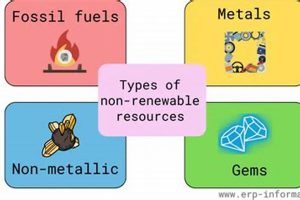
Non-renewable energy sources are finite resources that cannot be replenished at the same rate they are consumed. Their formation typically requires millions of years, making them unsustainable for long-term energy needs. These sources have historically been crucial to powering industrial development and modern society, but their continued use presents significant environmental and resource depletion challenges.
Reliance on these finite resources has driven economic growth and technological advancement for over a century. They offer high energy density and established infrastructure for extraction, processing, and distribution. However, their extraction and combustion contribute to greenhouse gas emissions, air and water pollution, and habitat destruction. This unsustainable consumption model necessitates a shift towards renewable alternatives to mitigate environmental impact and ensure energy security for future generations.
The primary categories of these finite sources include fossil fuels like coal, oil, and natural gas, as well as nuclear fuels. Each possesses unique characteristics and applications, influencing their extraction methods, energy generation processes, and associated environmental consequences. Understanding the specifics of each category is crucial for developing effective strategies for responsible resource management and transitioning to sustainable energy alternatives.
Guidance Regarding Finite Energy Resource Management
The efficient utilization and responsible management of finite energy resources are essential to minimize environmental impact and ensure resource availability during the transition to renewable energy systems.
Tip 1: Prioritize Energy Efficiency: Implement measures to reduce energy consumption across all sectors, including industry, transportation, and residential buildings. This approach diminishes the demand for finite resources, extending their lifespan and mitigating emissions.
Tip 2: Invest in Carbon Capture Technologies: Support the development and deployment of technologies designed to capture carbon dioxide emissions from power plants and industrial facilities that rely on finite resources. These technologies can reduce the environmental footprint associated with the use of these sources.
Tip 3: Promote Resource Diversification: Actively pursue a diverse energy portfolio incorporating renewable sources such as solar, wind, and geothermal. This diversification reduces dependence on finite resources and enhances energy security.
Tip 4: Enhance Regulatory Oversight: Strengthen regulatory frameworks pertaining to the extraction, transportation, and processing of finite resources. Implement stringent environmental standards and monitoring systems to prevent pollution and mitigate habitat disruption.
Tip 5: Facilitate International Collaboration: Foster international cooperation to share best practices, promote technology transfer, and establish consistent environmental standards for the responsible management of finite energy resources on a global scale.
Tip 6: Support Research and Development: Invest in research and development initiatives focused on improving the efficiency of finite resource extraction and utilization, as well as developing alternative energy sources and energy storage technologies.
Tip 7: Reduce Subsidies: gradually reduce and eliminate government subsidies that artificially lower the cost of finite resources. These subsidies encourage overconsumption and distort market signals, impeding the transition to sustainable alternatives.
Adopting these strategies promotes the responsible and judicious use of limited energy resources while supporting the global transition towards sustainable energy solutions. These measures collectively contribute to minimizing environmental impact and ensuring long-term energy security.
The judicious application of these guidelines is crucial for navigating the complexities of the energy transition, ensuring responsible resource management, and fostering a sustainable energy future.
1. Fossil Fuel Origins

The origins of fossil fuels are intrinsically linked to the understanding of these finite resources. Their formation, a process spanning millions of years, directly influences their characteristics, availability, and environmental impact. This connection underscores the non-renewable nature of these energy sources and the challenges associated with their continued use.
- Decomposition of Organic Matter
Fossil fuels, encompassing coal, oil, and natural gas, are primarily derived from the anaerobic decomposition of buried organic matter, such as dead plants and animals. Over geological timescales, intense pressure and heat transform this organic material into carbon-rich substances. This process highlights the Earth’s capacity to sequester carbon over long periods and the rate at which humans are now releasing it through combustion.
- Geological Time Scales
The formation of fossil fuels is a slow geological process that contrasts sharply with the rapid rate of their consumption. Coal formation, for instance, requires the accumulation and compaction of plant matter in swamp-like environments over millions of years. Similarly, oil and natural gas originate from marine organisms buried beneath layers of sediment. The extended time scales involved render these resources non-renewable within a human lifespan.
- Carbon Sequestration and Release
The Earth has naturally sequestered carbon in the form of fossil fuels for hundreds of millions of years. However, the combustion of these fuels releases this stored carbon back into the atmosphere as carbon dioxide, a primary greenhouse gas. This process disrupts the natural carbon cycle and contributes to global warming and climate change. The origins of fossil fuels thus directly contribute to their environmental impact.
- Variations in Composition
The origin and formation processes of fossil fuels influence their chemical composition and energy content. Coal, for example, varies in grade (e.g., anthracite, bituminous, lignite) depending on the degree of compression and heating. Crude oil also exhibits variations in density and sulfur content based on its source and geological history. These variations affect the efficiency of energy production and the types of pollutants released during combustion.
Understanding the origins of fossil fuels is essential for evaluating their role in the global energy landscape. Their formation processes, spanning geological time scales, underscore their finite nature and the environmental challenges associated with their extraction and combustion. This knowledge informs discussions regarding sustainable energy alternatives and the imperative to transition towards a low-carbon future.
2. Nuclear fuel processing

Nuclear fuel processing is a crucial stage in the utilization of nuclear fuels, one of the identified finite energy resources. This processing encompasses the steps required to transform mined uranium ore into a usable fuel for nuclear reactors. The efficiency and safety of this process directly impact the sustainability and environmental footprint of nuclear power generation. Improper processing can lead to radioactive contamination, while efficient processing can extend the lifespan of existing uranium reserves through techniques like fuel recycling. For instance, the enrichment process, increasing the concentration of uranium-235, is essential for sustaining nuclear chain reactions. The management of spent nuclear fuel, including reprocessing or long-term storage, presents significant technical and environmental challenges due to the persistent radioactivity of nuclear waste.
The selection and implementation of nuclear fuel processing methods significantly influence the overall resource efficiency of nuclear energy. Advanced processing techniques, such as pyroprocessing, offer the potential to recover valuable materials from spent fuel, reducing the volume of high-level radioactive waste and potentially closing the fuel cycle. These techniques contribute to the sustainable use of nuclear fuels by extracting additional energy from already mined resources. Conversely, reliance on once-through fuel cycles, without reprocessing, results in a greater demand for mined uranium and increases the volume of waste requiring long-term storage. Several countries, including France and Russia, employ nuclear fuel reprocessing to enhance resource utilization and minimize waste volume.
In summary, nuclear fuel processing is an integral component of nuclear energy production, influencing both the resource efficiency and environmental consequences of this finite energy source. The adoption of advanced processing techniques, coupled with stringent safety regulations, is essential for maximizing the potential benefits of nuclear energy while mitigating the associated risks. Challenges surrounding nuclear waste disposal and the potential for nuclear proliferation necessitate international collaboration and the development of robust safeguards to ensure the responsible utilization of nuclear fuels.
3. Environmental Consequences

The reliance on finite energy resources inextricably links their utilization to substantial environmental repercussions. These consequences represent the cumulative impact of resource extraction, processing, transportation, and combustion, affecting air quality, water resources, terrestrial ecosystems, and global climate patterns. The nature and scale of these environmental effects necessitate careful consideration and mitigation strategies to minimize ecological damage and safeguard public health. For instance, the extraction of coal through mountaintop removal mining decimates vast areas of forest and pollutes waterways with heavy metals and sediment. The combustion of fossil fuels releases greenhouse gases, contributing to climate change and exacerbating extreme weather events. Oil spills, such as the Deepwater Horizon disaster, devastate marine ecosystems and coastal communities. Addressing these environmental consequences is paramount for ensuring the sustainable use of these finite resources during the transition to cleaner energy sources.
The environmental impact of each finite energy resource varies depending on the specific extraction and utilization methods employed. Coal combustion, particularly in older power plants, contributes significantly to air pollution, releasing particulate matter, sulfur dioxide, and nitrogen oxides, which have detrimental effects on respiratory health and contribute to acid rain. Oil extraction and refining processes can contaminate soil and groundwater with hydrocarbons and other toxic substances. Nuclear power, while not emitting greenhouse gases during operation, poses risks associated with radioactive waste disposal and the potential for accidents. A comprehensive understanding of these diverse environmental impacts is essential for developing targeted mitigation strategies and implementing best practices across the energy sector. Examples include carbon capture and storage technologies for coal-fired power plants, enhanced safety protocols for nuclear facilities, and stringent environmental regulations for oil and gas operations.
In conclusion, the environmental consequences stemming from the use of finite energy resources present significant challenges to ecological sustainability and human well-being. Mitigating these consequences requires a multifaceted approach encompassing technological innovation, stringent regulatory oversight, and a fundamental shift towards cleaner energy alternatives. Addressing climate change, protecting ecosystems, and safeguarding public health necessitate a concerted effort to minimize the environmental footprint of finite energy sources while simultaneously accelerating the transition to a low-carbon energy future. This transition is not merely an environmental imperative but also an economic opportunity, fostering innovation and creating jobs in the clean energy sector.
4. Resource Depletion Rates

The rate at which finite energy reserves are consumed is a critical factor determining the long-term viability and environmental impact of reliance on these sources. Understanding resource depletion rates within the context of fossil fuels and nuclear fuels is essential for informed energy policy and the transition to sustainable alternatives.
- Exponential Consumption Growth
Global energy demand continues to rise, driven by population growth and economic development, leading to an accelerating rate of resource depletion. The consumption of oil, coal, and natural gas has increased dramatically since the industrial revolution, placing immense pressure on existing reserves. This exponential growth in demand underscores the finite nature of these resources and the urgency of diversifying energy sources.
- Peak Oil and Resource Scarcity
The concept of “peak oil,” the point at which global oil production reaches its maximum rate and begins to decline, highlights the potential for resource scarcity and price volatility. While technological advancements may extend the lifespan of some reserves, the finite nature of oil, natural gas, coal, and uranium means that depletion is inevitable. Scarcity can lead to geopolitical instability and economic disruption.
- Extraction Challenges and EROI
As easily accessible reserves are depleted, the extraction of remaining resources becomes more challenging and expensive. This increased difficulty reduces the Energy Return on Investment (EROI), the ratio of energy produced to the energy invested in extraction and processing. Lower EROI values indicate that more energy is required to obtain usable fuel, reducing the overall efficiency and economic viability of these sources.
- Environmental Footprint Amplification
The pursuit of increasingly difficult-to-access resources often results in a greater environmental footprint. Techniques such as deep-sea drilling for oil and hydraulic fracturing (fracking) for natural gas carry significant environmental risks, including habitat destruction, water contamination, and increased greenhouse gas emissions. The depletion of easily accessible resources thus exacerbates the environmental consequences associated with their use.
The relationship between resource depletion rates and fossil/nuclear fuels underscores the unsustainability of continued reliance on these sources. Addressing this challenge requires a comprehensive strategy encompassing energy efficiency improvements, the development of renewable energy technologies, and responsible resource management. These measures are essential for mitigating the environmental and economic risks associated with resource depletion and ensuring a secure and sustainable energy future.
5. Energy security implications

The reliance on finite resources is inextricably linked to national and global energy security. Access to these resources, including coal, oil, natural gas, and nuclear fuels, underpins economic stability and industrial operations. Disruption in supply, whether due to geopolitical instability, natural disasters, or infrastructure vulnerabilities, can trigger economic crises and social unrest. Nations heavily dependent on imports of these resources are particularly vulnerable to price fluctuations and supply disruptions imposed by producing nations. This dependency necessitates strategic planning, diversification of energy sources, and the development of robust supply chains to mitigate risks.
The geopolitical landscape significantly influences the energy security implications of finite energy resources. Control over oil and natural gas reserves in regions like the Middle East and Russia grants significant political and economic leverage to these nations. Conflicts, sanctions, and political instability in these regions can have cascading effects on global energy markets, affecting prices, availability, and international relations. Diversifying energy sources, including investments in renewable energy and domestic production of finite resources where feasible, reduces vulnerability to external pressures. Furthermore, international agreements and strategic partnerships can enhance energy security by ensuring stable and predictable supply.
Ultimately, the energy security implications arising from dependence on limited energy supplies underscore the critical need for a transition to a more sustainable and diversified energy mix. While these resources will remain relevant for the foreseeable future, proactive measures to reduce consumption, enhance energy efficiency, and expand renewable energy capacity are essential for mitigating risks and ensuring long-term stability. The development of alternative energy technologies, coupled with responsible resource management practices, is paramount for safeguarding economic prosperity and national security in an increasingly interconnected world.
6. Economic dependencies
The utilization of finite energy resources engenders significant economic dependencies at local, national, and international levels. These dependencies manifest through various mechanisms, including employment in extraction and processing industries, government revenues from royalties and taxes, and infrastructure investments tailored to these resources. The structure of many economies is intricately linked to the production, distribution, and consumption of coal, oil, natural gas, and nuclear fuels, creating both benefits and vulnerabilities. A reliance on these resources can lead to a phenomenon known as “resource curse,” where an abundance of natural resources paradoxically hinders economic diversification and sustainable development. For example, some nations heavily dependent on oil exports experience limited diversification and vulnerability to fluctuating oil prices.
Furthermore, the economic dependencies associated with finite energy sources extend to consumer spending and industrial production. Affordable energy prices derived from these resources can stimulate economic activity, supporting transportation, manufacturing, and residential heating/cooling. However, this dependence also creates vulnerabilities to price spikes and supply disruptions, which can negatively impact economic growth and consumer confidence. Efforts to transition toward renewable energy sources must, therefore, carefully consider the economic implications, including job retraining, infrastructure development, and the potential for new industries to emerge. The shift away from finite energy requires a comprehensive approach to mitigate adverse economic impacts and promote inclusive and sustainable growth. As a practical example, subsidies to support renewable energy sectors may offset job losses in traditional energy sectors.
In summary, economic dependencies represent a crucial dimension of finite energy sources, influencing fiscal policies, employment patterns, and industrial structures globally. Recognizing and managing these dependencies is essential for ensuring a smooth and equitable energy transition. Mitigation strategies should focus on diversifying economies, investing in renewable energy infrastructure, and providing support for communities and workers affected by the decline of finite resource industries. The long-term goal should be to create a resilient and sustainable economy that is less vulnerable to the risks associated with these finite resources. A well-planned and executed transition is critical for minimizing economic disruption and maximizing the benefits of a cleaner, more secure energy future.
7. Technological advancements
Technological advancements play a crucial, multifaceted role in shaping the extraction, processing, and utilization of finite energy resources. These advancements influence resource availability, environmental impact, and economic viability, thereby affecting the overall sustainability of these energy sources.
- Enhanced Extraction Techniques
Advancements in extraction technologies, such as deepwater drilling and hydraulic fracturing (fracking), have expanded access to previously inaccessible reserves of oil and natural gas. While these techniques have increased production and boosted energy security, they also raise significant environmental concerns, including the potential for habitat destruction, water contamination, and increased greenhouse gas emissions. The development of more efficient and environmentally responsible extraction methods remains a critical challenge.
- Improved Combustion Efficiency
Technological innovations in combustion processes, such as advanced coal-fired power plants with supercritical and ultra-supercritical steam cycles, have increased the efficiency of energy generation from fossil fuels. These advancements reduce fuel consumption and lower emissions per unit of energy produced. However, even with improved efficiency, the inherent carbon intensity of fossil fuels necessitates the development and deployment of carbon capture and storage (CCS) technologies to mitigate climate change.
- Nuclear Fuel Cycle Optimization
Technological progress in nuclear fuel processing, including uranium enrichment and fuel recycling, can enhance the utilization of nuclear fuels and reduce the volume of high-level radioactive waste. Advanced reactor designs, such as fast breeder reactors, can potentially extract more energy from uranium and thorium resources, extending the lifespan of nuclear fuel reserves. The safe and secure management of nuclear materials and waste remains a paramount concern, requiring continuous technological improvements and robust regulatory oversight.
- Carbon Capture and Storage (CCS)
Carbon capture and storage technologies aim to capture carbon dioxide emissions from power plants and industrial facilities and store them underground, preventing their release into the atmosphere. CCS represents a potentially important mitigation strategy for reducing the environmental impact of fossil fuel use. However, the widespread deployment of CCS faces significant technical, economic, and regulatory hurdles, including the high cost of capture and storage infrastructure and the need for secure and long-term geological storage sites.
Technological advancements, therefore, present both opportunities and challenges in the context of these resources. While these advancements can enhance resource availability, improve efficiency, and reduce environmental impact, they also raise new concerns related to environmental risks, economic costs, and societal acceptance. A balanced and informed approach is required to harness the benefits of technology while mitigating the associated risks, ensuring a sustainable and responsible utilization of resources during the transition to cleaner energy sources.
Frequently Asked Questions
This section addresses common inquiries regarding the nature, utilization, and environmental impact of finite energy resources.
Question 1: What precisely defines an energy source as “finite”?
An energy source is classified as finite when its rate of consumption substantially exceeds its rate of natural replenishment. These resources exist in limited quantities and cannot be regenerated within a human timescale.
Question 2: What are the primary sources categorized as finite energy resources?
The primary finite energy resources encompass fossil fuels (coal, oil, and natural gas) and nuclear fuels (primarily uranium).
Question 3: How do extraction methods for finite resources contribute to environmental degradation?
Extraction processes such as mining, drilling, and hydraulic fracturing can lead to habitat destruction, water contamination, air pollution, and soil erosion. These impacts vary depending on the specific resource and extraction technique employed.
Question 4: What role does combustion of finite resources play in climate change?
The combustion of fossil fuels releases significant quantities of carbon dioxide (CO2) and other greenhouse gases into the atmosphere, contributing to global warming and climate change. Nuclear power, while not emitting greenhouse gases during operation, poses concerns related to radioactive waste disposal.
Question 5: How does the depletion of finite resources impact global economies?
Depletion of finite resources can lead to increased energy prices, economic instability, and geopolitical tensions. Nations heavily reliant on imported resources are particularly vulnerable to supply disruptions and price volatility.
Question 6: What strategies exist to mitigate the environmental and economic risks associated with the finite energy resource lifecycle?
Mitigation strategies include improving energy efficiency, developing renewable energy sources, implementing carbon capture technologies, promoting responsible resource management practices, and diversifying energy portfolios.
Understanding the characteristics, impacts, and mitigation strategies associated with finite energy resources is crucial for informed decision-making regarding energy policy and sustainable development.
The following sections delve into specific strategies for responsible energy management and transition.
Examination of the Finite Energy Resource Landscape
This exploration of what are the 4 non renewable energy resources has illuminated the complex interplay between fossil fuels, nuclear fuels, and their profound impact on environmental sustainability, economic stability, and energy security. The finite nature of these resources necessitates a critical evaluation of extraction practices, utilization efficiencies, and the development of viable alternatives.
As the world grapples with the challenges of climate change and resource depletion, a fundamental shift towards sustainable energy solutions is imperative. Recognizing the limitations and consequences associated with finite sources is a crucial step towards fostering responsible energy policies and securing a sustainable future for generations to come. The continued reliance on these finite resources demands immediate action to mitigate their adverse effects and accelerate the transition to renewable alternatives.

![Guide to What Energy Resources Are Renewable [+Future] | Renewable Energy Solutions for a Sustainable Future | Clean & Green Power](https://pplrenewableenergy.com/wp-content/uploads/2026/03/th-516-300x200.jpg "Guide to What Energy Resources Are Renewable [+Future] Renewable Energy Solutions for a Sustainable Future | Clean & Green Power")