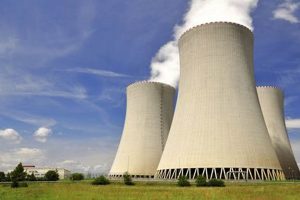
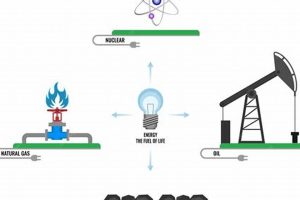
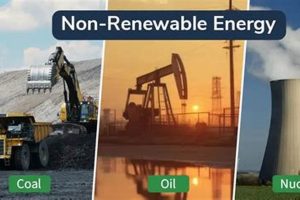
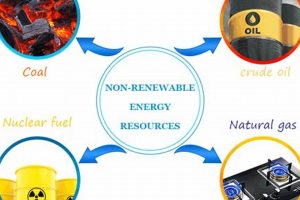
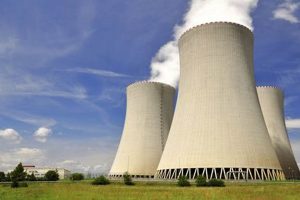
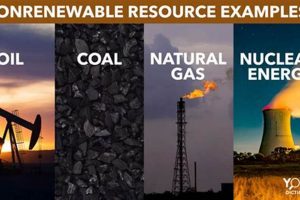
The combustion of fossil fuelscoal, oil, and natural gasfor energy production is the primary driver of increased greenhouse gas concentrations in the atmosphere. Burning these fuels releases substantial amounts of carbon dioxide (CO2), methane (CH4), and nitrous oxide (N2O), potent heat-trapping gases. These gases trap solar radiation within the Earth’s atmosphere, leading to a gradual warming of the planet and subsequent shifts in weather patterns, sea levels, and ecosystems.
Understanding the link between fossil fuel combustion and atmospheric changes is crucial for developing effective climate mitigation and adaptation strategies. Historically, reliance on readily available and relatively inexpensive fossil fuels powered industrialization and economic growth. However, the long-term consequences of this energy choice are now becoming increasingly evident in the form of extreme weather events, rising global temperatures, and disruptions to natural systems. Addressing this challenge requires a transition towards cleaner, more sustainable energy sources.
This exploration will delve further into the specific mechanisms by which fossil fuel combustion contributes to climate change, examining the different types of greenhouse gases emitted, their respective atmospheric lifetimes, and their warming potential. It will also discuss the broader environmental and societal impacts of these emissions and analyze potential solutions for mitigating their effects.
Tips for Mitigating the Impact of Fossil Fuel Use
Minimizing the environmental impact of energy consumption requires a multifaceted approach encompassing individual actions, policy changes, and technological advancements. The following tips offer practical guidance for reducing reliance on fossil fuels and promoting a transition towards a more sustainable energy future.
Tip 1: Improve Energy Efficiency: Implementing energy-saving practices in homes and businesses can significantly reduce overall energy demand. This includes using energy-efficient appliances, improving insulation, and optimizing heating and cooling systems.
Tip 2: Embrace Renewable Energy Sources: Transitioning to renewable energy sources like solar, wind, hydro, and geothermal power offers a direct pathway to reducing reliance on fossil fuels. Supporting policies that incentivize renewable energy development and adoption is crucial.
Tip 3: Promote Sustainable Transportation: Utilizing public transportation, cycling, walking, and electric vehicles can minimize reliance on gasoline-powered vehicles, a significant source of greenhouse gas emissions. Investing in infrastructure that supports these transportation modes is essential.
Tip 4: Support Carbon Capture and Storage Technologies: Developing and implementing technologies that capture carbon dioxide emissions from power plants and industrial facilities and store them underground can help mitigate the impact of fossil fuel use in the near term.
Tip 5: Advocate for Climate-Friendly Policies: Supporting policies that promote energy efficiency, renewable energy adoption, and carbon pricing can create a systemic shift towards a lower-carbon economy.
Tip 6: Reduce, Reuse, and Recycle: Manufacturing processes often rely heavily on fossil fuels. Reducing consumption, reusing products, and recycling materials can lower the overall demand for energy-intensive manufacturing.
Tip 7: Invest in Research and Development: Continued investment in research and development of clean energy technologies is essential for accelerating the transition away from fossil fuels and towards a more sustainable energy future.
By adopting these practices and advocating for policy changes, individuals and communities can contribute to a meaningful reduction in greenhouse gas emissions and mitigate the long-term impacts of climate change.
These individual and collective actions are crucial for paving the way towards a more sustainable and climate-resilient future.
1. Combustion

Combustion, the chemical process of burning, plays a central role in the relationship between non-renewable energy and climate change. Fossil fuels, the dominant source of non-renewable energy, release energy through combustion, but this process also generates greenhouse gases, significantly impacting the Earth’s climate.
- Fossil Fuel Oxidation
Fossil fuels, composed primarily of carbon and hydrogen, undergo rapid oxidation during combustion, reacting with oxygen in the air. This reaction releases substantial energy used for electricity generation, transportation, and industrial processes. Examples include burning coal in power plants, gasoline in internal combustion engines, and natural gas for heating. The primary byproduct of this oxidation is carbon dioxide (CO2), a major greenhouse gas.
- Greenhouse Gas Formation
The combustion process doesn’t exclusively produce CO2. Incomplete combustion can generate methane (CH4), a far more potent greenhouse gas than CO2, albeit with a shorter atmospheric lifespan. Additionally, high-temperature combustion processes in vehicles and industrial facilities can produce nitrous oxide (N2O), another significant contributor to climate change. These gases accumulate in the atmosphere, trapping heat and driving global warming.
- Heat Trapping and Atmospheric Warming
The greenhouse gases released from fossil fuel combustion accumulate in the atmosphere and trap solar radiation. This trapped heat leads to a gradual increase in global average temperatures, a phenomenon known as global warming. This warming trend disrupts established climate patterns, leading to more frequent and intense heatwaves, altered precipitation patterns, and increased risks of extreme weather events.
- Impact on Climate Change
The cumulative effect of greenhouse gas emissions from combustion contributes significantly to climate change. The resulting increase in global temperatures influences weather patterns, sea levels, and ecosystem dynamics. For instance, the thermal expansion of water and melting glaciers contribute to rising sea levels, threatening coastal communities and ecosystems. Changes in precipitation patterns can lead to droughts in some regions and floods in others, impacting agriculture and water resources.
The combustion of fossil fuels represents a fundamental link between non-renewable energy use and climate change. While combustion provides the energy that powers modern society, the resulting greenhouse gas emissions have profound and far-reaching consequences for the planet’s climate system. Transitioning away from fossil fuel combustion towards cleaner energy sources is crucial for mitigating these impacts and ensuring a sustainable future.
2. Greenhouse Gas Emissions
Greenhouse gas emissions resulting from the combustion of non-renewable energy sources represent a primary driver of climate change. Understanding the composition, sources, and atmospheric behavior of these emissions is crucial for comprehending the link between energy consumption and global warming. This exploration delves into the key facets of greenhouse gas emissions and their impact on the climate system.
- Carbon Dioxide (CO2)
Carbon dioxide constitutes the most significant greenhouse gas emitted from the combustion of fossil fuels. Processes such as burning coal for electricity generation, gasoline in internal combustion engines, and natural gas for heating release substantial amounts of CO2 into the atmosphere. CO2 has a long atmospheric lifetime, meaning it can persist for centuries, contributing to a sustained warming effect.
- Methane (CH4)
Methane, though present in lower concentrations than CO2, exhibits a considerably higher global warming potential. Activities associated with non-renewable energy extraction, such as natural gas leaks and coal mining, release methane. While its atmospheric lifetime is shorter than CO2, its higher potency makes it a significant contributor to near-term warming.
- Nitrous Oxide (N2O)
Nitrous oxide arises from various sources, including agricultural practices and industrial processes related to fossil fuel combustion. While emitted in smaller quantities compared to CO2 and CH4, N2O possesses a significantly higher global warming potential and a long atmospheric lifetime, making it a persistent contributor to climate change.
- Fluorinated Gases
Certain industrial processes associated with non-renewable energy production utilize fluorinated gases, potent greenhouse gases with extremely long atmospheric lifetimes. While emitted in smaller volumes than other greenhouse gases, their high global warming potential necessitates careful management and reduction to mitigate their long-term climate impact.
The cumulative effect of these greenhouse gas emissions resulting from non-renewable energy consumption contributes significantly to the alteration of the Earth’s climate. Rising global temperatures, shifts in precipitation patterns, and increased frequency of extreme weather events are all consequences of the increasing concentrations of these gases in the atmosphere. Transitioning towards cleaner energy sources and implementing effective mitigation strategies are crucial to curbing these emissions and mitigating the adverse effects of climate change.
3. Atmospheric Warming

Atmospheric warming, a consequence of increased greenhouse gas concentrations, represents a critical link between non-renewable energy consumption and climate change. The combustion of fossil fuels releases substantial quantities of greenhouse gases, primarily carbon dioxide, methane, and nitrous oxide, into the atmosphere. These gases trap heat, leading to a gradual increase in global average temperatures and driving significant shifts in the Earth’s climate system. Understanding the mechanisms and implications of atmospheric warming is essential for comprehending the broader impact of non-renewable energy on the planet.
- The Greenhouse Effect
The greenhouse effect is a natural process where certain atmospheric gases trap solar radiation, maintaining a habitable temperature range on Earth. However, increased concentrations of greenhouse gases due to human activities, particularly the burning of fossil fuels, amplify this effect, trapping more heat and leading to a warming trend. This enhanced greenhouse effect is the primary driver of current atmospheric warming.
- Temperature Anomalies and Trends
Global average temperatures have risen significantly since the pre-industrial era, with the most recent decade being the warmest on record. These rising temperatures, often expressed as temperature anomalies relative to a baseline period, demonstrate a clear warming trend directly linked to increased greenhouse gas concentrations from non-renewable energy consumption.
- Feedback Mechanisms
Atmospheric warming triggers various feedback mechanisms that can further amplify or mitigate the warming trend. For example, melting ice and snow reduce the Earth’s albedo, or reflectivity, causing more solar radiation to be absorbed, which further increases warming. Similarly, changes in cloud cover can either enhance or diminish the warming effect depending on the type and altitude of the clouds.
- Impacts on Climate Systems
Atmospheric warming has cascading effects on global climate systems. Increased temperatures influence weather patterns, leading to more frequent and intense heatwaves, altered precipitation patterns, and increased risks of extreme weather events such as droughts, floods, and hurricanes. Warming also contributes to rising sea levels through thermal expansion of water and melting glaciers and ice sheets, impacting coastal communities and ecosystems.
The implications of atmospheric warming extend beyond temperature increases. The interconnectedness of the Earth’s climate system means that changes in atmospheric temperature have far-reaching consequences for ocean currents, wind patterns, and the distribution of precipitation. These changes ultimately impact ecosystems, human societies, and the global environment, underscoring the urgent need to transition away from non-renewable energy sources and mitigate the drivers of atmospheric warming.
4. Climate Pattern Shifts

Climate pattern shifts represent a significant consequence of the atmospheric warming driven by the combustion of non-renewable energy sources. The increased concentration of greenhouse gases, primarily from the burning of fossil fuels, disrupts established climate patterns, leading to a range of interconnected effects on global weather systems, precipitation patterns, and the frequency and intensity of extreme weather events. Understanding these shifts is crucial for assessing the broader impacts of non-renewable energy consumption on the planet.
- Changes in Precipitation
Atmospheric warming alters precipitation patterns globally. Some regions experience increased rainfall and flooding, while others face prolonged droughts. Changes in atmospheric circulation patterns influence the distribution of moisture, leading to shifts in monsoon seasons, intensified rainfall events, and prolonged dry spells in various regions. These changes have significant implications for agriculture, water resources, and ecosystem stability.
- Extreme Weather Events
Warmer atmospheric temperatures provide more energy for the formation of intense weather systems. This leads to an increased frequency and intensity of extreme weather events, including hurricanes, cyclones, heatwaves, droughts, floods, and wildfires. The impacts of these events can be devastating, causing significant damage to infrastructure, disrupting communities, and posing threats to human lives and livelihoods.
- Shifting Jet Streams and Atmospheric Circulation
Atmospheric warming influences the behavior of jet streams, the high-altitude air currents that steer weather systems. Changes in jet stream patterns can lead to prolonged periods of extreme weather, such as persistent heatwaves or extended periods of heavy rainfall. These shifts can also influence the tracks of storms, potentially exposing new regions to severe weather risks.
- Regional Climate Variability
While global average temperatures increase, the specific impacts of climate change vary regionally. Some regions experience more pronounced warming than others, and the effects on precipitation patterns also differ geographically. Understanding these regional variations is essential for developing targeted adaptation and mitigation strategies to address the specific challenges posed by climate change in different parts of the world.
These climate pattern shifts, driven by the combustion of non-renewable energy sources, underscore the far-reaching consequences of human activities on the Earth’s climate system. The interconnected nature of these changes highlights the complex interplay between greenhouse gas emissions, atmospheric warming, and the resulting disruptions to established climate patterns. Transitioning towards a sustainable energy future, based on renewable energy sources and reduced greenhouse gas emissions, is crucial for mitigating these impacts and ensuring a stable and resilient climate for future generations.
5. Environmental Consequences
The environmental consequences of non-renewable energy consumption manifest across interconnected spheres, impacting ecosystems, biodiversity, and the delicate balance of the natural world. Combustion of fossil fuels, the primary source of non-renewable energy, releases greenhouse gases, driving atmospheric warming and triggering a cascade of environmental changes.
Rising global temperatures contribute to the melting of glaciers and ice sheets, resulting in rising sea levels. Coastal ecosystems face inundation, saltwater intrusion threatens freshwater resources, and coastal communities confront displacement and increased vulnerability to storm surges. Ocean acidification, a direct consequence of increased atmospheric carbon dioxide dissolving in seawater, disrupts marine ecosystems, impacting shell-forming organisms and threatening the intricate web of marine life.
Shifts in precipitation patterns exacerbate existing environmental challenges. Increased rainfall in some regions leads to flooding and soil erosion, while prolonged droughts in others contribute to desertification and water scarcity. These changes disrupt agricultural practices, threaten food security, and displace populations. The increased frequency and intensity of extreme weather events, such as hurricanes, wildfires, and heatwaves, inflict further damage on ecosystems, impacting biodiversity and posing risks to human lives and infrastructure.
The environmental consequences extend beyond immediate impacts. Changes in temperature and precipitation regimes disrupt established ecological relationships, impacting species distribution, migration patterns, and the timing of natural events. These disruptions can lead to species extinction, ecosystem collapse, and a loss of biodiversity, compromising the resilience and stability of natural systems. Addressing these interconnected environmental consequences requires a transition away from non-renewable energy sources towards sustainable alternatives, coupled with strategies to mitigate existing impacts and enhance the resilience of natural systems.
6. Global Impact
The global impact of non-renewable energy consumption manifests in far-reaching consequences for the Earth’s climate system, ecosystems, and human societies. Combustion of fossil fuels, the dominant form of non-renewable energy, releases greenhouse gases into the atmosphere, driving global warming and triggering a cascade of interconnected effects worldwide. This warming trend transcends geographical boundaries, influencing weather patterns, sea levels, and ecosystem dynamics on a global scale. Understanding the global reach of these impacts is crucial for fostering international cooperation and implementing effective mitigation and adaptation strategies.
Rising global temperatures contribute to the melting of glaciers and ice sheets, leading to a rise in sea levels that affects coastal communities and ecosystems worldwide. Changes in precipitation patterns result in intensified droughts in some regions and increased flooding in others, impacting agriculture, water resources, and human settlements across continents. The increased frequency and intensity of extreme weather events, such as hurricanes, heatwaves, and wildfires, pose significant risks to human lives, infrastructure, and economic stability globally. Ocean acidification, a direct consequence of increased atmospheric carbon dioxide, threatens marine ecosystems and the biodiversity they support, impacting food security and livelihoods for communities dependent on ocean resources.
The global impact of non-renewable energy consumption necessitates a shift towards sustainable energy alternatives and international collaboration to address the interconnected challenges of climate change. Transitioning to renewable energy sources, improving energy efficiency, and implementing climate-friendly policies are crucial steps in mitigating the global impacts of fossil fuel reliance. International cooperation is essential for sharing knowledge, resources, and best practices to effectively address the global nature of climate change and build a more sustainable and resilient future for all.
Frequently Asked Questions
This section addresses common inquiries regarding the impact of non-renewable energy on climate change, providing concise and informative responses.
Question 1: What is the primary mechanism by which non-renewable energy contributes to climate change?
The combustion of fossil fuels (coal, oil, and natural gas) for energy production releases greenhouse gases, primarily carbon dioxide, into the atmosphere. These gases trap heat, leading to a warming planet and subsequent climate change.
Question 2: How does the burning of fossil fuels generate greenhouse gases?
Fossil fuels are primarily composed of carbon and hydrogen. During combustion, these elements react with oxygen in the air, releasing energy and producing carbon dioxide, a major greenhouse gas. Other greenhouse gases, like methane and nitrous oxide, can also be emitted during this process.
Question 3: Are all greenhouse gases equally potent in their warming effect?
No. Different greenhouse gases have varying global warming potentials. Methane, for example, traps heat much more effectively than carbon dioxide, but it has a shorter lifespan in the atmosphere. Nitrous oxide is even more potent than methane, and it persists for long periods.
Question 4: Besides global warming, what are other environmental consequences of using non-renewable energy?
Non-renewable energy consumption contributes to air and water pollution, habitat destruction from resource extraction, and risks associated with transportation and storage of fossil fuels. These factors can negatively impact human health, ecosystems, and biodiversity.
Question 5: What are the long-term implications of continued reliance on non-renewable energy?
Continued reliance on non-renewable energy sources will exacerbate existing climate change impacts, leading to more frequent and intense extreme weather events, rising sea levels, disruptions to ecosystems, and potential threats to global food security and water resources.
Question 6: What are the alternatives to non-renewable energy sources?
Renewable energy sources, such as solar, wind, hydro, geothermal, and biomass, offer sustainable alternatives to fossil fuels. Transitioning to these cleaner energy sources is crucial for mitigating the long-term impacts of climate change.
Understanding the link between non-renewable energy consumption and climate change is essential for informed decision-making and proactive engagement in climate action. The transition to a sustainable energy future requires collective efforts to reduce reliance on fossil fuels and embrace cleaner alternatives.
For further exploration, the following sections will delve into specific strategies for mitigating the impacts of non-renewable energy and transitioning towards a more sustainable energy future.
Conclusion
The exploration of the relationship between non-renewable energy and climate change reveals a critical challenge facing the global community. Combustion of fossil fuels, the dominant source of non-renewable energy, releases greenhouse gases into the atmosphere, driving global warming and its associated consequences. From rising sea levels and extreme weather events to disruptions in ecosystems and threats to biodiversity, the impacts of this energy choice are far-reaching and interconnected. The examination of greenhouse gas emissions, atmospheric warming, climate pattern shifts, and environmental consequences underscores the urgency of transitioning towards a sustainable energy future.
The dependence on non-renewable energy sources presents a profound responsibility. Mitigating the long-term impacts of climate change requires a global commitment to reducing greenhouse gas emissions and transitioning towards cleaner, renewable energy alternatives. The future of the planet hinges on embracing sustainable practices, fostering innovation in energy technologies, and implementing policies that promote a responsible and sustainable approach to energy production and consumption. The interconnectedness of climate change demands collective action and a shared commitment to safeguarding the planet for future generations. Continued reliance on non-renewable energy carries significant risks, while the transition to a sustainable energy future offers the potential for a more stable, resilient, and equitable world.