Energy derived from natural sources that are replenished at a higher rate than they are consumed is categorized as sustainable. Examples include solar, wind, hydro, geothermal, and biomass energy. These sources offer a continuous supply of power, unlike fossil fuels which are finite.
Harnessing sustainable power sources offers significant advantages, including reduced reliance on depleting fossil fuel reserves, mitigation of greenhouse gas emissions contributing to climate change, and the potential for decentralized energy production, bolstering energy security and creating economic opportunities in rural communities. The shift toward these energy sources represents a crucial step in achieving global sustainability goals and ensuring long-term energy access. Historically, reliance on these resources predates the widespread adoption of fossil fuels, and their modern resurgence is driven by both environmental and economic imperatives.
The following sections will delve deeper into the specific types of sustainable energy, exploring their respective technologies, advantages, challenges, and potential for future development.
Tips for Supporting Sustainable Energy Adoption
Individuals and communities can contribute to the growth of sustainable energy through informed choices and proactive measures. The following tips offer practical guidance on supporting this crucial transition.
Tip 1: Invest in Energy-Efficient Appliances: Choosing appliances with high energy efficiency ratings reduces overall energy consumption, lowering demand on both conventional and sustainable energy sources. Look for appliances with the Energy Star label.
Tip 2: Explore Residential Solar Installations: Installing solar panels on homes can significantly reduce reliance on grid electricity, especially in regions with ample sunlight. Net metering programs can further offset electricity costs.
Tip 3: Support Community Solar Initiatives: For those unable to install individual solar panels, community solar projects offer the opportunity to participate in and benefit from local solar farms.
Tip 4: Reduce Energy Consumption: Simple actions like turning off lights when leaving a room, using natural light, and unplugging electronics can collectively reduce energy demand.
Tip 5: Advocate for Policy Changes: Supporting policies that incentivize sustainable energy development and penalize reliance on fossil fuels is essential for widespread adoption.
Tip 6: Research Green Energy Providers: Many electricity providers offer plans that source power from renewable sources. Switching to a green energy plan can support the development of sustainable energy infrastructure.
Tip 7: Consider Electric Vehicles: Shifting from gasoline-powered vehicles to electric vehicles (EVs) powered by sustainable energy sources contributes to reducing transportation emissions.
By incorporating these suggestions into daily life, individuals can actively contribute to a more sustainable energy future. These actions collectively support the transition to cleaner energy sources, mitigate environmental impacts, and foster a more resilient energy landscape.
These individual actions, coupled with broader policy and technological advancements, are essential for accelerating the transition toward a sustainable energy future. The concluding section will summarize the key benefits of embracing sustainable energy and its pivotal role in shaping a more sustainable world.
1. Sustainable Sources

Sustainable sources form the foundation of renewable energy, providing the naturally replenished inputs that drive these systems. Understanding their diverse nature and characteristics is crucial for comprehending the broader context of renewable energy.
- Solar Energy
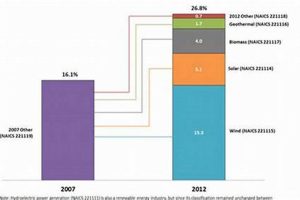
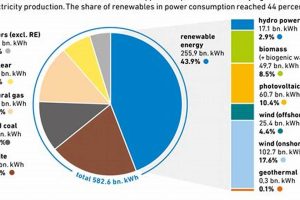
Solar energy harnesses sunlight through photovoltaic cells or concentrated solar power systems. Residential rooftop solar installations exemplify direct electricity generation, while large-scale solar farms contribute significantly to grid-level power. The sun’s consistent energy output makes solar power a reliable renewable resource.
- Wind Energy
Wind energy utilizes wind turbines to convert kinetic energy into electricity. Onshore and offshore wind farms capture wind power, offering a scalable and efficient energy source. Variability in wind patterns necessitates strategic placement and integration with other renewable sources or energy storage solutions.
- Hydropower
Hydropower leverages the potential energy of water stored at elevation. Dams and reservoirs facilitate controlled water flow to generate electricity. While hydropower offers a reliable energy source, environmental considerations regarding dam construction and river ecosystems require careful assessment.
- Geothermal Energy
Geothermal energy harnesses heat from the Earth’s interior. Geothermal power plants utilize steam or hot water to generate electricity, while geothermal heat pumps provide direct heating and cooling for buildings. Geothermal resources offer a consistent and reliable energy source, although accessibility varies geographically.
These diverse sustainable sources offer distinct advantages and address specific energy needs. Their combined contribution to the renewable energy landscape is crucial for reducing reliance on finite fossil fuels and mitigating the environmental impacts of energy production. The continued development and integration of these sources remain essential for achieving a sustainable energy future.
2. Natural Replenishment

Natural replenishment is the defining characteristic of renewable energy sources, distinguishing them from finite fossil fuels. This continuous regeneration stems from natural processes occurring within a timeframe relevant to human energy consumption. Solar radiation, wind patterns, and hydrological cycles constantly replenish the resources driving solar, wind, and hydropower generation. Biomass, derived from organic matter, regenerates through natural growth cycles. Geothermal energy, while drawing on the Earth’s internal heat, is considered renewable due to the immense timescale of heat replenishment relative to human use. This inherent replenishment capacity ensures a sustained energy supply, reducing dependence on depleting resources and mitigating the price volatility associated with finite fuel sources.
The practical significance of natural replenishment lies in its contribution to long-term energy security. Unlike fossil fuels, renewable resources are not susceptible to geopolitical instabilities or resource depletion. For instance, sunlight remains accessible regardless of international trade dynamics, while wind energy can be harnessed locally, reducing reliance on centralized power grids. This decentralized energy production fosters greater resilience within communities and nations, enhancing energy independence. Moreover, the continuous replenishment cycle minimizes environmental impact compared to extractive fossil fuel industries. The absence of fuel combustion reduces air and water pollution, contributing to improved public health and ecosystem preservation.
Natural replenishment, therefore, underpins the sustainability of renewable energy systems. This continuous regeneration of resources ensures long-term energy availability, reduces environmental degradation, and promotes greater energy security. While challenges remain in harnessing and integrating these resources effectively, the fundamental principle of natural replenishment positions renewable energy as a cornerstone of a sustainable energy future.
3. Reduces Emissions

A core advantage of renewable energy lies in its capacity to significantly reduce harmful emissions compared to conventional fossil fuel-based energy generation. This reduction is crucial for mitigating climate change, improving air quality, and safeguarding public health. Exploring the specific ways renewable energy achieves these emission reductions provides a deeper understanding of its environmental benefits.
- Greenhouse Gas Mitigation
Renewable energy sources, unlike fossil fuels, produce minimal to no greenhouse gases during operation. Solar and wind power, for example, generate electricity without emitting carbon dioxide, a primary driver of climate change. This inherent characteristic directly addresses the urgent need to curb greenhouse gas emissions and limit global warming. The substitution of fossil fuels with renewable energy thus plays a pivotal role in achieving climate stabilization goals.
- Improved Air Quality
Conventional power plants release pollutants such as sulfur oxides and nitrogen oxides, contributing to respiratory problems and other health issues. Renewable energy sources, being inherently cleaner, significantly reduce these air pollutants. For instance, replacing coal-fired power plants with wind farms demonstrably improves local air quality, leading to tangible public health benefits. This localized impact highlights the immediate and direct benefits of transitioning to renewable energy.
- Reduced Water Contamination
Fossil fuel extraction and processing can contaminate water sources through chemical spills, runoff, and wastewater discharge. Renewable energy sources generally have a much lower impact on water resources. Hydropower, while potentially impacting river ecosystems, presents fewer contamination risks than fossil fuel extraction. Solar and wind power have minimal water requirements, further minimizing their impact on water quality. This consideration is particularly relevant in water-stressed regions.
- Decreased Land Degradation
While renewable energy infrastructure requires land use, its impact is often less extensive and disruptive than fossil fuel extraction. Solar and wind farms, while requiring land area, can co-exist with other land uses such as agriculture. In contrast, mining activities associated with fossil fuels can cause significant land degradation and habitat destruction. The careful planning and implementation of renewable energy projects can minimize land-use conflicts and promote sustainable development.
The reduced emissions associated with renewable energy offer multifaceted benefits, encompassing climate change mitigation, improved air and water quality, and reduced land degradation. These environmental advantages underscore the importance of transitioning away from fossil fuels toward a cleaner, more sustainable energy future. The ongoing development and implementation of renewable energy technologies are essential for mitigating environmental risks and achieving global sustainability objectives.
4. Combats Climate Change

Climate change, driven largely by greenhouse gas emissions from fossil fuel combustion, presents a significant global challenge. Renewable energy offers a crucial strategy for mitigating climate change by providing a sustainable alternative to conventional energy sources. The following facets explore this connection in detail.
- Reduced Greenhouse Gas Emissions
Renewable energy sources inherently produce minimal greenhouse gas emissions during operation. Solar and wind power, for instance, generate electricity without releasing carbon dioxide or other greenhouse gases into the atmosphere. This fundamental difference from fossil fuels directly addresses a primary driver of climate change. Replacing coal-fired power plants with solar farms, for example, substantially reduces carbon emissions, contributing to climate change mitigation efforts.
- Decarbonizing the Energy Sector
The energy sector is a major contributor to global greenhouse gas emissions. Transitioning to renewable energy sources decarbonizes this sector, significantly reducing its climate impact. Policies supporting renewable energy deployment, such as feed-in tariffs or renewable portfolio standards, accelerate this transition. The increasing adoption of renewable energy in electricity generation, transportation, and heating demonstrably reduces the energy sector’s carbon footprint.
- Mitigating Global Warming
The accumulation of greenhouse gases in the atmosphere traps heat, leading to global warming and associated climate disruptions. Renewable energy, by reducing these emissions, mitigates the rate of warming and its consequent effects, such as sea-level rise, extreme weather events, and ecosystem disruption. Investing in renewable energy infrastructure contributes to stabilizing the global climate system and reducing the severity of climate change impacts.
- Promoting Sustainable Development
Combating climate change is integral to sustainable development. Renewable energy supports sustainable development goals by providing clean energy access, reducing air pollution, and creating economic opportunities. For instance, off-grid solar systems can provide electricity to remote communities, improving living standards while minimizing environmental impact. The widespread adoption of renewable energy is essential for achieving a sustainable and equitable future.
The connection between renewable energy and combating climate change is undeniable. By reducing greenhouse gas emissions, decarbonizing the energy sector, mitigating global warming, and promoting sustainable development, renewable energy emerges as a cornerstone of climate action. The continued development and deployment of renewable energy technologies are crucial for achieving climate goals and safeguarding the planet for future generations.
5. Energy Independence

Energy independence, often a national priority, signifies a reduced reliance on external sources for energy supply. Renewable energy plays a crucial role in achieving this independence by diversifying energy sources and fostering domestic energy production. The following facets explore this connection in detail, demonstrating how renewable energy contributes to greater energy autonomy.
- Reduced Reliance on Fossil Fuel Imports
Many nations rely heavily on imported fossil fuels, creating vulnerabilities to price volatility and geopolitical instability. Renewable energy sources, being domestically accessible, reduce this dependence. For example, a country investing in wind energy reduces its need for imported natural gas, enhancing energy security and price stability. This shift strengthens national energy independence by decreasing reliance on external markets.
- Decentralized Energy Production
Renewable energy facilitates decentralized energy generation, empowering local communities and reducing reliance on centralized power grids. Rooftop solar installations, for instance, enable households to generate their own electricity, reducing their dependence on grid-supplied power, often generated from fossil fuels. This distributed generation model enhances community resilience and reduces vulnerability to large-scale grid disruptions.
- Enhanced Energy Security
Energy security encompasses the reliable availability of energy at affordable prices. Renewable energy strengthens energy security by diversifying energy sources and reducing reliance on potentially volatile global markets. A nation with a balanced energy portfolio incorporating wind, solar, and hydropower is less susceptible to disruptions in fossil fuel supply chains. This diversification bolsters national resilience and strengthens energy security.
- Economic Benefits and Job Creation
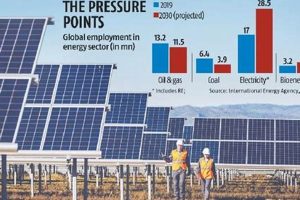
The development and deployment of renewable energy technologies create economic opportunities and jobs within the domestic economy. Manufacturing solar panels, installing wind turbines, and maintaining hydropower facilities generate employment and stimulate economic growth. This economic stimulus further contributes to national energy independence by fostering a domestic renewable energy industry, reducing reliance on foreign technology and expertise.
Renewable energy’s contribution to energy independence encompasses reduced reliance on fossil fuel imports, decentralized energy production, enhanced energy security, and economic benefits. By diversifying energy sources and fostering domestic energy production, renewable energy empowers nations and communities to achieve greater energy autonomy. This shift towards self-reliance strengthens national resilience, mitigates geopolitical risks, and promotes a more sustainable and secure energy future.
Frequently Asked Questions
This section addresses common inquiries regarding sustainable energy sources, aiming to provide clear and concise information.
Question 1: What are the primary types of sustainable energy sources?
The main types include solar, wind, hydropower, geothermal, and biomass energy. Each harnesses distinct natural processes to generate power.
Question 2: How does sustainable energy contribute to environmental protection?
Sustainable energy sources produce significantly fewer greenhouse gas emissions compared to fossil fuels, mitigating air pollution and contributing to climate change mitigation.
Question 3: Is sustainable energy reliable enough to meet global energy demands?
Technological advancements and strategic integration of various sustainable energy sources are steadily increasing their reliability and capacity to meet growing energy demands.
Question 4: What are the economic implications of transitioning to sustainable energy?
The transition stimulates job growth in the renewable energy sector, reduces reliance on volatile fossil fuel markets, and promotes long-term economic stability.
Question 5: How can individuals contribute to the adoption of sustainable energy?
Individuals can support the transition by investing in energy-efficient appliances, exploring residential solar installations, supporting community solar projects, and advocating for policies that incentivize renewable energy development.
Question 6: What are the main challenges hindering wider sustainable energy adoption?
Challenges include upfront infrastructure costs, intermittency of some renewable sources, and the need for grid modernization to accommodate decentralized energy generation.
Understanding the benefits and addressing common concerns surrounding sustainable energy is crucial for fostering informed decision-making and accelerating the transition towards a cleaner energy future.
The subsequent section delves deeper into the specific technologies and applications of each renewable energy source.
Renewable Energy Explained
This exploration of renewable energy has provided a comprehensive overview of its core components, encompassing the diversity of sustainable sources, the crucial role of natural replenishment, the significant emission reductions achieved, the profound impact on combating climate change, and the pathway to greater energy independence. From the sun’s radiant energy harnessed through photovoltaic cells to the Earth’s internal heat driving geothermal power plants, the potential of renewable energy to reshape the global energy landscape is undeniable. The inherent sustainability of these resources, coupled with their environmental and economic benefits, positions them as cornerstones of a future powered by clean and reliable energy.
The transition to a renewable energy-powered world requires collective action, informed decision-making, and sustained investment in research and development. Embracing renewable energy is not merely a technological shift; it represents a fundamental commitment to environmental stewardship, energy security, and a sustainable future for generations to come. The imperative to transition away from fossil fuels and towards a cleaner, more resilient energy system is clear, and the continued exploration and implementation of renewable energy technologies hold the key to achieving this vital transformation.