Evaluating energy sources requires careful consideration of their advantages and disadvantages. This balanced perspective is essential for informed decision-making regarding energy production and consumption. For example, one might compare the environmental impact of a source with its economic feasibility and reliability.
Understanding the trade-offs associated with different energy options is crucial for transitioning towards a sustainable energy future. Historical energy choices have often prioritized immediate economic benefits over long-term environmental consequences. Analyzing both positive and negative aspects allows for more responsible and effective energy policies and investments, promoting a more secure and environmentally sound energy landscape.
The following sections will delve into the specific advantages and disadvantages of various renewable energy sources, providing a detailed analysis to facilitate informed discussion and effective energy planning.
Practical Considerations for Evaluating Energy Sources
Careful evaluation of energy options requires a nuanced understanding of their various attributes. The following tips provide guidance for navigating the complexities of energy source selection.
Tip 1: Consider the full life cycle. Evaluation should encompass the entire energy production process, from resource extraction and manufacturing to operation, decommissioning, and waste disposal.
Tip 2: Assess environmental impacts. Analyze potential effects on air and water quality, land use, biodiversity, and greenhouse gas emissions. Compare these impacts across different energy options.
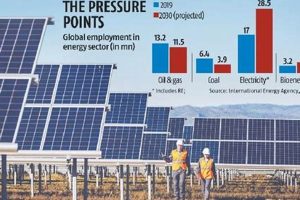
Tip 3: Evaluate economic viability. Consider factors such as initial investment costs, operating expenses, fuel costs (if applicable), and potential job creation. Account for long-term economic sustainability.
Tip 4: Analyze energy security and reliability. Assess the vulnerability of different energy sources to disruptions, such as resource scarcity, geopolitical instability, or extreme weather events. Consider the reliability and consistency of energy supply.
Tip 5: Factor in technological maturity. Differentiate between established technologies and emerging technologies. Evaluate the reliability, efficiency, and scalability of available technologies.
Tip 6: Account for social and community impacts. Consider the potential effects on local communities, including displacement, noise pollution, visual impacts, and access to energy resources.
Tip 7: Examine infrastructure requirements. Assess the need for new transmission lines, pipelines, storage facilities, and other infrastructure. Consider the costs and potential environmental impacts of infrastructure development.
By considering these factors, stakeholders can make more informed decisions about energy investments and policies, promoting a sustainable and secure energy future.
This comprehensive approach to energy evaluation allows for informed decision-making, paving the way for a more sustainable and resilient energy future.
1. Environmental Benefits

A primary driver for transitioning to renewable energy is its potential to mitigate environmental damage associated with traditional fossil fuels. Analyzing these benefits requires a nuanced understanding of their scope and limitations within the broader context of renewable energy’s advantages and disadvantages.
- Reduced Greenhouse Gas Emissions
Renewable energy sources, such as solar and wind, produce little to no greenhouse gas emissions during operation. This contrasts sharply with fossil fuels, which are the primary contributors to climate change. The life-cycle emissions of renewables, including manufacturing and disposal, are also generally lower. This reduction in emissions is crucial for mitigating the impacts of climate change, such as rising sea levels and extreme weather events.
- Improved Air Quality
Unlike fossil fuel combustion, renewable energy generation does not release harmful air pollutants like sulfur dioxide, nitrogen oxides, and particulate matter. These pollutants contribute to respiratory problems, cardiovascular disease, and other health issues. Transitioning to renewables can significantly improve air quality, particularly in urban areas, leading to public health benefits.
- Water Conservation
Many renewable energy technologies, such as solar and wind, require minimal water for operation. This contrasts with traditional power plants, which often rely on substantial water resources for cooling. In water-stressed regions, the reduced water footprint of renewables represents a significant advantage.
- Reduced Ecosystem Disruption
While renewable energy projects can have some environmental impacts, such as land use changes, they generally disrupt ecosystems less than fossil fuel extraction and combustion. For example, wind farms can be integrated with agricultural land, and rooftop solar panels minimize land use requirements. Careful planning and siting of renewable energy projects can further minimize ecological impacts.
While the environmental benefits of renewable energy are substantial, a comprehensive evaluation must also consider potential drawbacks. Factors such as land use requirements, manufacturing impacts, and waste disposal need to be considered alongside the positive environmental contributions to provide a balanced perspective on the role of renewables in a sustainable energy future. Balancing these factors is critical for effective policy and decision-making.
2. Cost Fluctuations

Cost fluctuations represent a significant factor in the economic viability of renewable energy technologies. Understanding the drivers of these fluctuations is crucial for assessing the long-term financial implications of renewable energy investments. Several factors contribute to cost variability, including raw material prices, manufacturing costs, supply chain disruptions, and government policies. For example, fluctuations in the price of silicon, a key component of solar panels, can directly impact the overall cost of solar energy systems. Similarly, changes in government subsidies or tax incentives can significantly influence the affordability of renewable energy projects.
The intermittent nature of some renewable energy sources, such as solar and wind, can also influence cost stability. The need for energy storage solutions or backup power generation to compensate for intermittency adds to the overall system cost. Furthermore, grid integration costs, including upgrades to transmission lines and grid management systems, can influence the final cost of renewable energy delivered to consumers. For instance, integrating large-scale solar farms into existing grid infrastructure may require substantial investments in new transmission lines to transport the generated electricity efficiently.
Effectively managing cost fluctuations is critical for fostering a sustainable and economically viable renewable energy sector. Strategies such as diversifying supply chains, investing in research and development to reduce manufacturing costs, and implementing stable and predictable policy frameworks can contribute to cost stability. Accurate cost projections and risk assessments are essential for informed decision-making and long-term planning in the renewable energy industry. Understanding the complex interplay of these factors provides a more comprehensive assessment of the economic realities of renewable energy adoption.
3. Intermittency Challenges

Intermittency, the fluctuating nature of renewable energy sources like solar and wind, presents a significant challenge in their widespread adoption. Solar power generation depends on sunlight availability, while wind power relies on wind speeds. This variability poses integration challenges for existing power grids designed for consistent baseload power from fossil fuels. The unpredictable nature of these resources necessitates robust strategies to ensure grid stability and reliability.
Addressing intermittency requires a multifaceted approach. Energy storage technologies, such as batteries and pumped hydro storage, can store excess energy generated during peak production periods and release it during periods of low generation. Grid management systems, including advanced forecasting and demand-side management, can optimize energy distribution and minimize the impact of intermittency. Diversifying renewable energy sources geographically can also mitigate intermittency’s effects by leveraging variations in weather patterns. For example, combining solar and wind resources can provide a more consistent energy supply as periods of low wind may coincide with periods of high solar irradiance, and vice-versa. Furthermore, integrating renewable energy with existing conventional power sources can provide a reliable backup during periods of low renewable generation.
Overcoming intermittency challenges is crucial for maximizing the benefits of renewable energy. Continued advancements in energy storage technologies, grid management systems, and forecasting capabilities are essential for achieving a stable and reliable energy supply from renewable sources. Effective integration of these technologies into existing energy infrastructure is critical for a successful transition to a sustainable energy future. Failure to address intermittency can undermine the reliability of renewable energy, hindering its potential to displace fossil fuels and mitigate climate change.
4. Land Use Requirements

Renewable energy technologies, while offering significant environmental advantages, require land for infrastructure development. Understanding the land use implications of different renewable energy sources is crucial for evaluating their overall sustainability and minimizing potential environmental and social impacts. Careful planning and site selection are essential for balancing the benefits of renewable energy with potential land use conflicts.
- Scale of Deployment
The land area required for renewable energy generation varies significantly depending on the technology and scale of deployment. Large-scale solar farms and wind farms can occupy substantial land areas, potentially impacting agricultural land, natural habitats, and scenic landscapes. Distributed generation, such as rooftop solar panels, minimizes land use requirements by utilizing existing infrastructure. The scale of land use needs careful consideration in project planning and environmental impact assessments. For example, large solar farms in deserts may displace sensitive desert ecosystems, while offshore wind farms can affect marine life.
- Land Use Conflicts
Renewable energy projects can compete with other land uses, such as agriculture, forestry, and residential development. Careful siting and stakeholder engagement are crucial for minimizing potential conflicts. Dual-use strategies, such as agrivoltaics, which combine solar energy generation with agricultural practices, can optimize land use and reduce competition. Understanding potential land use conflicts is essential for project planning and community acceptance. For instance, locating wind farms near residential areas might raise concerns about noise pollution and visual impacts.
- Habitat Impacts
Renewable energy development can impact wildlife habitats and biodiversity. Careful site selection and mitigation measures are essential to minimize these impacts. For example, wind turbine placement should consider bird and bat migration patterns to reduce collision risks. Environmental impact assessments are critical for identifying and mitigating potential habitat impacts. Choosing sites with minimal ecological value and implementing habitat restoration projects can minimize negative effects on biodiversity.
- Visual Impacts
Large-scale renewable energy projects can alter landscapes and viewsheds, raising concerns about visual impacts. Careful design and siting can minimize these effects. Public perception of visual impacts can significantly influence project acceptance and community support. Visual impact assessments and community consultations are essential components of responsible renewable energy development. Minimizing visual intrusion and integrating projects harmoniously with the surrounding landscape can enhance community acceptance.
Evaluating land use requirements in the context of renewable energy development involves balancing the benefits of clean energy generation with potential environmental and social costs. Strategic land use planning, stakeholder engagement, and technological advancements can help minimize land use conflicts and promote sustainable renewable energy development. Ultimately, informed decision-making requires a comprehensive understanding of the trade-offs associated with different renewable energy technologies and their respective land use requirements.
5. Technological Advancements

Technological advancements play a crucial role in shaping the advantages and disadvantages of renewable energy. Progress in areas such as materials science, manufacturing processes, and grid integration technologies directly influences the efficiency, cost-effectiveness, and reliability of renewable energy systems. These advancements impact the overall feasibility and scalability of renewable energy adoption, affecting its potential to contribute to a sustainable energy future. For example, advancements in battery technology have significantly reduced energy storage costs, making intermittent renewable sources like solar and wind more practical and reliable.
Improved photovoltaic cell efficiency, driven by advancements in materials science and nanotechnology, leads to greater energy output from solar panels, requiring less land for the same power generation. Similarly, advancements in wind turbine design, including larger rotor diameters and improved aerodynamics, enhance energy capture efficiency and reduce the cost of wind energy. Furthermore, innovations in grid integration technologies, such as smart grids and advanced power electronics, enable more effective management of intermittent renewable energy sources, enhancing grid stability and reliability. For instance, smart grids can dynamically adjust electricity flow based on real-time supply and demand, optimizing the integration of fluctuating renewable energy sources.
Continued technological advancements are essential for overcoming the challenges associated with renewable energy and maximizing its potential. Research and development efforts focused on improving energy storage technologies, increasing the efficiency of renewable energy conversion processes, and developing advanced grid management systems are critical for driving down costs, enhancing reliability, and facilitating wider adoption of renewable energy sources. These advancements are key to unlocking the full potential of renewable energy in mitigating climate change and achieving a sustainable energy future. Failure to invest in and support these technological advancements could hinder the transition to a clean energy economy and limit the ability of renewable energy to address global energy challenges.
6. Grid Integration Complexity

Integrating renewable energy sources into existing power grids presents significant technical challenges. These complexities influence the overall cost, reliability, and efficiency of renewable energy systems, directly impacting their viability and scalability. Understanding these challenges is essential for effective planning and implementation of renewable energy projects.
- Intermittency Management
The fluctuating nature of renewable sources like solar and wind necessitates sophisticated grid management strategies. Predicting and accommodating these fluctuations requires advanced forecasting tools, flexible generation resources, and robust control systems. For example, grid operators must balance intermittent renewable generation with dispatchable sources like natural gas or hydropower to maintain grid stability. Failure to effectively manage intermittency can lead to grid instability and power outages.
- Transmission Infrastructure Upgrades
Integrating large-scale renewable energy projects often requires substantial upgrades to existing transmission infrastructure. Renewable energy resources are frequently located in remote areas, necessitating new transmission lines to connect them to population centers. These upgrades can be costly and time-consuming, potentially delaying project deployment and increasing overall costs. For instance, connecting offshore wind farms to the onshore grid requires specialized subsea cables and onshore substations.
- Grid Stability and Reliability
Maintaining grid stability and reliability with high penetrations of renewable energy requires advanced grid technologies. Smart grids, incorporating real-time monitoring and control systems, can optimize energy flow and mitigate the impact of intermittency. Energy storage solutions, such as batteries and pumped hydro, can provide grid support services, enhancing reliability and resilience. For example, batteries can respond quickly to fluctuations in renewable generation, ensuring a stable voltage and frequency on the grid.
- Regulatory and Policy Frameworks
Effective grid integration requires supportive regulatory and policy frameworks. Clear interconnection standards, streamlined permitting processes, and market mechanisms that value grid services provided by renewable energy are essential. For example, feed-in tariffs or renewable portfolio standards can incentivize renewable energy deployment and facilitate grid integration. Lack of appropriate regulatory frameworks can hinder investment and create barriers to effective grid integration.
Successfully addressing these grid integration complexities is crucial for realizing the full potential of renewable energy. Technological advancements, strategic planning, and supportive policy frameworks are essential for overcoming these challenges and ensuring a smooth transition to a sustainable and reliable energy future. Ignoring these complexities can lead to increased costs, reduced reliability, and ultimately hinder the widespread adoption of renewable energy technologies.
7. Geopolitical Implications
Renewable energy’s rise presents significant geopolitical implications, reshaping international relations and power dynamics. The shift away from fossil fuel dependence can alter trade relationships, influence energy security strategies, and create new centers of economic activity. Countries with abundant renewable resources, such as solar or wind, may gain geopolitical leverage, while those heavily reliant on fossil fuel imports may experience decreased influence. This transition can also create new alliances and partnerships based on renewable energy technology and resource access. For example, countries may collaborate on developing large-scale renewable energy projects or sharing grid infrastructure across borders.
Renewable energy’s decentralized nature can enhance energy independence and security. Countries can reduce reliance on volatile global fossil fuel markets by generating electricity domestically from renewable sources. This reduces vulnerability to price fluctuations and supply disruptions, enhancing national energy security. Furthermore, distributed renewable energy generation can make energy systems more resilient to natural disasters or geopolitical instability. For instance, microgrids powered by solar and wind can provide essential services during grid outages, enhancing community resilience. However, the transition to renewable energy can also create new security concerns, such as the vulnerability of renewable energy infrastructure to cyberattacks or the potential for resource conflicts over critical materials needed for renewable energy technologies like rare earth minerals.
The geopolitical landscape is being reshaped by the ongoing transition to renewable energy. Understanding the complex interplay of energy, economics, and international relations is crucial for navigating this evolving landscape. Renewable energy presents both opportunities and challenges for countries as they adapt to a new energy paradigm. Analyzing these geopolitical implications is essential for informed policymaking, international cooperation, and ensuring a stable and sustainable energy future. Successfully managing this transition requires a nuanced understanding of the complex interplay of energy security, economic development, and international relations in a rapidly changing world.
Frequently Asked Questions
Addressing common inquiries regarding the advantages and disadvantages of renewable energy is essential for informed decision-making. The following questions and answers provide clarity on key aspects of renewable energy technologies.
Question 1: How do the environmental impacts of renewable energy compare to those of fossil fuels?
Renewable energy sources offer significant environmental advantages over fossil fuels. They produce little to no greenhouse gas emissions during operation, mitigating climate change. Furthermore, they reduce air and water pollution associated with fossil fuel combustion, benefiting public health and ecosystems. While renewable energy technologies have some environmental impacts, such as land use for solar and wind farms, these are generally less significant than those associated with fossil fuel extraction and combustion.
Question 2: Are renewable energy technologies reliable enough to meet growing energy demands?
The reliability of renewable energy sources like solar and wind is often questioned due to their intermittent nature. However, advancements in energy storage technologies, grid management systems, and forecasting capabilities are enhancing the reliability of renewable energy integration. Combining diverse renewable sources and integrating them with existing conventional power sources can further enhance reliability.
Question 3: What is the economic viability of renewable energy compared to traditional energy sources?
The cost of renewable energy technologies has decreased significantly in recent years, making them increasingly competitive with fossil fuels. Government policies, such as tax incentives and subsidies, can further enhance the economic viability of renewable energy projects. While initial investment costs for renewable energy can be substantial, operating costs are typically lower due to the absence of fuel costs.
Question 4: How do land use requirements for renewable energy projects impact ecosystems and communities?
Land use requirements for renewable energy projects vary depending on the technology and scale of deployment. Careful site selection and planning are crucial for minimizing potential impacts on ecosystems, agricultural land, and communities. Strategies such as dual-use of land for solar energy and agriculture can optimize land use and reduce potential conflicts.
Question 5: What role do technological advancements play in enhancing the viability of renewable energy?
Technological advancements are crucial for improving the efficiency, cost-effectiveness, and reliability of renewable energy technologies. Advancements in areas such as materials science, manufacturing processes, and grid integration technologies drive down costs, enhance performance, and facilitate wider adoption of renewable energy sources.
Question 6: What are the geopolitical implications of the global transition to renewable energy?
The shift towards renewable energy is reshaping the geopolitical landscape. Countries with abundant renewable resources may gain economic and political leverage, while those reliant on fossil fuel imports may experience decreased influence. Renewable energy can enhance energy independence and security, but also presents new challenges, such as securing supply chains for critical materials.
Understanding the advantages and disadvantages of renewable energy is essential for making informed decisions about the future of energy production and consumption. The transition to a sustainable energy future requires careful consideration of environmental, economic, social, and geopolitical factors.
Moving forward, a deeper exploration of specific renewable energy technologies will provide a more comprehensive understanding of their respective contributions to a sustainable energy future.
Conclusion
Careful consideration of the advantages and disadvantages of renewable energy is essential for informed decision-making. This exploration has highlighted the multifaceted nature of renewable energy technologies, encompassing environmental benefits, cost fluctuations, intermittency challenges, land use requirements, technological advancements, grid integration complexities, and geopolitical implications. Each of these facets contributes to the overall assessment of renewable energy’s role in a sustainable energy future. Balancing the benefits of reduced greenhouse gas emissions and enhanced energy security with the challenges of intermittency and land use requires a nuanced understanding of the trade-offs involved.
The transition to a sustainable energy future necessitates a comprehensive approach that considers the diverse range of factors influencing renewable energy adoption. Continued technological advancements, strategic policy frameworks, and public awareness are crucial for maximizing the benefits and mitigating the challenges associated with renewable energy. Ultimately, a balanced perspective on the advantages and disadvantages of renewable energy is paramount for navigating the complex energy landscape and achieving a sustainable and secure energy future for all.