

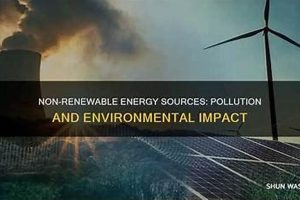

The combustion of fossil fuelscoal, oil, and natural gasfor energy production is the primary driver of increased greenhouse gas concentrations in the atmosphere. Burning these fuels releases substantial amounts of carbon dioxide... Read more »
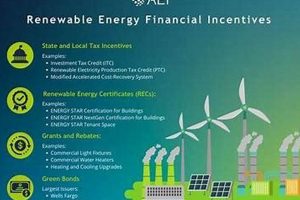
The economic implications of transitioning to renewable energy sources are multifaceted and far-reaching. This shift influences job creation, investment opportunities, energy prices, technological innovation, and overall economic growth. For example, the development... Read more »

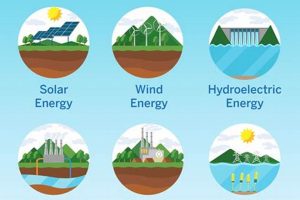
Harnessing power from naturally replenishing resources has become increasingly important in the face of climate change and dwindling fossil fuel reserves. These methods, which include solar, wind, hydro, geothermal, and biomass, represent... Read more »

Transitioning to electricity generation from sources like solar, wind, hydro, and geothermal power significantly reduces greenhouse gas emissions. Fossil fuels, the primary energy source for conventional power generation, release substantial amounts of... Read more »

The alteration of global weather patterns influences the effectiveness and availability of energy generated from sources like solar, wind, hydro, and geothermal. For example, altered precipitation patterns can impact hydropower generation, while... Read more »