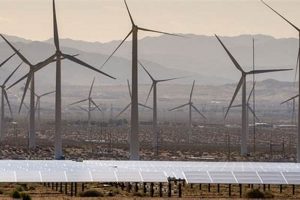
Evaluating various renewable energy options requires careful consideration of their financial implications. This involves analyzing the initial investment costs (such as equipment, installation, and land acquisition), ongoing operational and maintenance expenses, and the potential for long-term savings through reduced energy bills and government incentives. For example, while solar photovoltaic (PV) systems might have higher upfront costs, they often benefit from lower operating costs compared to wind energy, which requires more extensive maintenance due to moving parts. Conversely, large-scale wind farms can generate more electricity than a comparably sized solar installation, potentially offering a faster return on investment in areas with consistent wind resources.
Understanding the financial landscape of different renewable energy solutions is critical for both individuals and organizations. Cost comparisons empower consumers to make informed decisions about sustainable energy adoption, enabling them to select technologies that align with their budget and energy needs. Historically, high upfront costs have been a barrier to widespread renewable energy adoption. However, technological advancements and economies of scale have significantly reduced these costs in recent years, making renewable energy increasingly competitive with traditional fossil fuels. This shift has propelled the growth of the renewable energy sector, contributing to reduced greenhouse gas emissions and greater energy independence.
The following sections will delve deeper into specific cost factors associated with various renewable energy technologies, including solar, wind, hydro, geothermal, and biomass. Further analysis will explore regional cost variations, government incentives, financing options, and the long-term cost projections for each technology, providing a comprehensive overview of the economic considerations involved in transitioning to a sustainable energy future.
Tips for Comparing Renewable Energy Costs
Careful evaluation of cost factors is essential when comparing renewable energy options. The following tips provide guidance for navigating this complex landscape.
Tip 1: Evaluate Total System Lifecycle Costs: Consider not only the initial purchase price but also installation, operation, maintenance, and potential replacement costs over the system’s lifespan. A comprehensive assessment provides a more accurate picture of long-term expenses.
Tip 2: Factor in Geographic Location: Resource availability significantly impacts cost-effectiveness. Solar energy is more viable in sunny regions, while wind energy thrives in areas with consistent wind resources. Geographic considerations are crucial for optimizing energy production and return on investment.
Tip 3: Research Available Incentives: Government incentives, such as tax credits, rebates, and grants, can substantially reduce the overall cost of renewable energy systems. Thorough research into available programs is essential for maximizing financial benefits.
Tip 4: Compare Financing Options: Explore various financing options, including loans, leases, and power purchase agreements (PPAs). Understanding the terms and conditions of each option allows for informed decision-making aligned with budgetary constraints.
Tip 5: Consider Scalability and Future Needs: Anticipate future energy demands when selecting a renewable energy system. Scalable systems offer flexibility to accommodate increasing energy consumption without requiring complete system overhauls.
Tip 6: Consult with Qualified Professionals: Seek expert advice from qualified renewable energy professionals. Consultations provide valuable insights into system design, installation, and long-term cost optimization tailored to specific needs and circumstances.
Tip 7: Analyze Energy Efficiency Measures: Prioritize energy efficiency improvements before investing in renewable energy. Reducing energy consumption minimizes the size and cost of the renewable energy system required.
By considering these factors, consumers and businesses can make informed decisions about renewable energy investments, maximizing both financial and environmental benefits.
This analysis of cost comparison strategies sets the stage for a broader discussion on the future of renewable energy and its role in achieving a sustainable energy landscape.
1. Initial Investment

Initial investment represents a significant factor in renewable energy plan comparisons. This upfront cost encompasses equipment purchase and installation, land acquisition (if necessary), and initial permitting fees. The magnitude of this investment varies considerably across renewable energy technologies. For instance, establishing a utility-scale solar photovoltaic (PV) plant typically requires a larger initial capital outlay compared to a similarly sized onshore wind farm. Conversely, smaller-scale residential solar installations might have lower upfront costs than geothermal heat pump systems, even though the latter often benefits from lower operating expenses. Understanding these initial cost variations is crucial for informed decision-making, particularly when considering financing options and long-term return on investment.
The impact of initial investment extends beyond simply the upfront expenditure. Higher initial costs can influence financing terms, potentially leading to larger loan amounts and longer repayment periods. This can affect the overall cost of the project over its lifespan. Furthermore, technologies with substantial upfront investments may require a longer period to achieve profitability, impacting investment decisions, particularly for large-scale projects. For example, while offshore wind farms offer significant energy generation potential, their high initial investment presents a considerable barrier to entry for many developers. In contrast, rooftop solar installations for residential consumers often benefit from shorter payback periods due to lower upfront costs and direct energy bill savings.
Careful evaluation of initial investment alongside projected operational costs, energy production estimates, and available incentives is essential for comprehensive cost comparisons. A balanced approach considering both short-term expenditures and long-term financial projections enables informed decisions that align with budgetary constraints and desired energy outcomes. This holistic understanding of initial investment contributes significantly to the broader cost comparison analysis of renewable energy plans, facilitating the transition towards a sustainable energy future.
2. Operating Costs

Operating costs represent a critical component of renewable energy plan comparisons, significantly influencing long-term financial viability. These recurring expenses encompass routine maintenance, repairs, fuel costs (if applicable), insurance, and administrative overhead. Careful consideration of operating costs is essential for accurate cost projections and informed decision-making. A disparity in operating costs can substantially impact the overall lifecycle cost of a renewable energy project, potentially offsetting advantages in initial investment or energy production.
For example, while solar PV systems often involve lower operating costs due to minimal moving parts and fuel requirements, wind turbines necessitate more frequent maintenance due to the mechanical complexity of rotating blades and gearboxes. This difference translates into higher operating expenses for wind energy compared to solar, impacting the overall cost comparison. Similarly, biomass power plants incur ongoing fuel costs associated with sourcing and transporting organic matter, while geothermal power plants typically have lower fuel expenses but may require more extensive maintenance due to the corrosive nature of geothermal fluids. These practical examples highlight the importance of evaluating operating costs as a key determinant of long-term project profitability.
Understanding operating cost variations across different renewable energy technologies enables informed financial projections and optimized resource allocation. Accurately forecasting operating expenses facilitates more precise cost comparisons, empowering stakeholders to make data-driven decisions that align with budgetary constraints and long-term energy goals. Moreover, considering potential fluctuations in operating costs due to factors like fuel price volatility, evolving maintenance requirements, and regulatory changes enhances the robustness of cost comparisons and strengthens the foundation for sustainable energy investments. This detailed understanding of operating costs provides a crucial element in the comprehensive evaluation of renewable energy plans.
3. Maintenance Expenses

Maintenance expenses represent a crucial factor in the comparative cost analysis of renewable energy plans. These expenses, incurred throughout a project’s operational lifespan, directly influence long-term financial viability and contribute significantly to the overall cost of energy production. The nature and magnitude of maintenance requirements vary considerably across renewable energy technologies, impacting cost comparisons and investment decisions. Understanding these variations is essential for accurate financial projections and informed selection of sustainable energy solutions.
For instance, solar photovoltaic (PV) systems generally require minimal maintenance due to the absence of moving parts, primarily involving periodic cleaning and occasional inverter replacements. This translates to lower maintenance expenses compared to wind turbines, which necessitate more frequent and complex maintenance procedures due to the mechanical stresses on rotating blades, gearboxes, and generators. Similarly, geothermal power plants, while benefiting from low fuel costs, often incur higher maintenance expenses due to the corrosive nature of geothermal fluids, requiring specialized materials and frequent inspections. Hydroelectric dams also require substantial maintenance for dam integrity, turbine upkeep, and sediment management. These real-world examples underscore the importance of considering maintenance expenses as a key differentiator in cost comparisons.
A comprehensive cost comparison necessitates a thorough evaluation of projected maintenance expenses, considering factors such as equipment lifespan, required maintenance frequency, specialized expertise, and potential downtime costs. Accurately forecasting these expenses allows for more realistic cost projections and facilitates informed decision-making. Moreover, incorporating potential increases in maintenance costs due to factors like aging infrastructure, technological advancements, and evolving regulatory requirements strengthens the robustness of cost comparisons and supports the development of sustainable energy strategies. A clear understanding of maintenance expenses provides a crucial element in the overall assessment of how renewable energy plans compare in terms of cost, empowering stakeholders to make informed investments in a sustainable energy future.
4. Energy Production

Energy production plays a pivotal role in the cost comparison of renewable energy plans. The amount of energy generated by a system directly influences its financial viability, impacting return on investment and overall cost-effectiveness. Evaluating energy production potential is essential for accurate cost comparisons and informed decision-making, considering factors such as resource availability, technology efficiency, and system lifespan.
- Capacity Factor
Capacity factor represents the ratio of actual energy output to the maximum possible output over a specific period. Higher capacity factors indicate more consistent energy generation, contributing to greater cost-effectiveness. For example, a wind farm located in a region with consistent high wind speeds will have a higher capacity factor than one in a less windy area, resulting in greater energy production and potentially lower cost per unit of energy. This metric significantly impacts the overall cost comparison of different renewable energy options.
- Resource Availability
Resource availability directly influences energy production and, consequently, cost comparisons. Solar power generation depends on consistent sunlight, while wind power relies on reliable wind resources. Geographic location plays a crucial role in determining resource availability and, therefore, the potential energy output and cost-effectiveness of a renewable energy project. Regions with abundant solar radiation will generally favor solar power, while areas with consistent high winds are better suited for wind energy. Understanding resource availability is essential for optimizing energy production and minimizing costs.
- Technology Efficiency
Technology efficiency significantly impacts energy production and overall cost-effectiveness. More efficient technologies convert a higher percentage of available resources into usable energy, reducing the required system size and potentially lowering costs. For example, advancements in solar panel technology have led to higher efficiency rates, enabling greater energy production from smaller areas and impacting the cost comparison against other renewable energy options. Evaluating technology efficiency is essential for optimizing energy output and minimizing long-term costs.
- System Lifespan
System lifespan influences long-term energy production and cost-effectiveness. Renewable energy systems with longer lifespans generate more energy over time, potentially offsetting higher initial investment costs. A system with a longer operational life spreads the initial investment over a more extended period, contributing to lower levelized cost of energy. Considering system lifespan is essential for accurate cost comparisons and informed investment decisions.
These facets of energy production collectively influence the cost comparison of renewable energy plans. A comprehensive evaluation considers these factors alongside initial investment, operating costs, and maintenance expenses to determine the overall cost-effectiveness and financial viability of different renewable energy options. Optimizing energy production, through careful consideration of these elements, plays a critical role in minimizing costs and maximizing the return on investment in renewable energy projects.
5. Return on Investment

Return on investment (ROI) serves as a critical metric in evaluating the financial viability of renewable energy projects and directly influences how different plans compare in terms of cost. ROI analysis considers the total cost of a project, including initial investment, operating expenses, and maintenance costs, relative to the financial benefits derived from energy generation, potential incentives, and avoided electricity costs. A higher ROI indicates greater financial returns for a given investment, making a project more attractive to investors and stakeholders.
Several factors influence the ROI of renewable energy projects. Energy production plays a crucial role; higher energy output translates to increased revenue generation and improved ROI. Similarly, lower operating and maintenance costs contribute to higher profitability and better ROI. Government incentives, such as tax credits and rebates, can significantly improve the financial returns of renewable energy projects, positively impacting ROI. For example, a solar installation benefiting from substantial tax credits will likely exhibit a higher ROI compared to a similar project without such incentives. Conversely, projects with high upfront costs and lengthy payback periods may experience lower ROI, particularly in the absence of robust incentive programs or consistent energy production.
Understanding the relationship between ROI and the cost comparison of renewable energy plans is essential for informed decision-making. By analyzing projected ROI alongside other cost factors, stakeholders can effectively evaluate the long-term financial viability of different renewable energy options. This comprehensive approach enables informed investment choices, promoting the adoption of sustainable energy solutions while maximizing financial returns. Furthermore, considering factors such as project lifespan, potential future energy price increases, and technological advancements enhances the accuracy of ROI projections, strengthening the foundation for sustainable energy investments and contributing to a more robust understanding of the overall cost landscape.
Frequently Asked Questions about Renewable Energy Costs
This FAQ section addresses common inquiries regarding the cost comparison of renewable energy plans, providing concise and informative responses to facilitate informed decision-making.
Question 1: Which renewable energy source is the cheapest?
No single renewable energy source is universally the cheapest. The cost-effectiveness of each technology depends on factors such as geographic location, resource availability, project scale, available incentives, and technological advancements. A comprehensive cost comparison considering these factors is essential for determining the most economical solution for a specific context.
Question 2: How do the long-term costs of renewable energy compare to fossil fuels?
While renewable energy technologies often involve higher upfront costs, their long-term operational costs are typically lower than fossil fuels due to the absence of fuel expenses and reduced maintenance requirements in some cases. Furthermore, the increasing cost of fossil fuels and the environmental externalities associated with their use contribute to the long-term cost advantages of renewable energy.
Question 3: What are the key factors influencing the cost of renewable energy projects?
Key cost drivers include initial investment costs (equipment, installation, land), operating and maintenance expenses, financing terms, resource availability, government incentives, and project lifespan. A comprehensive cost analysis must consider all these factors to accurately compare different renewable energy options.
Question 4: How do government incentives impact the cost of renewable energy?
Government incentives, such as tax credits, rebates, and grants, can significantly reduce the upfront and ongoing costs of renewable energy systems, making them more financially attractive. These incentives vary by location and technology, and understanding available programs is crucial for maximizing cost savings.
Question 5: What is the payback period for a typical renewable energy investment?
Payback periods vary depending on the technology, project size, financing terms, energy production, and available incentives. Residential solar installations, for example, may have payback periods of several years, while larger-scale wind or geothermal projects might have longer payback periods. Accurate payback period calculations are essential for evaluating the long-term financial viability of a project.
Question 6: How does the cost of energy storage affect the overall cost of renewable energy?
Energy storage technologies, such as batteries, can increase the initial cost of a renewable energy system. However, storage can also enhance the value of renewable energy by enabling dispatchability, providing grid stability services, and maximizing the utilization of generated energy. The cost-benefit analysis of incorporating energy storage depends on factors like storage technology costs, electricity price volatility, and the specific application.
Careful consideration of these frequently asked questions empowers consumers and businesses to make informed decisions about renewable energy investments, maximizing both financial and environmental benefits. Understanding the cost dynamics of different renewable energy options is crucial for facilitating the transition towards a sustainable energy future.
For further information on specific renewable energy technologies and their associated costs, please consult the following sections.
Cost Comparison of Renewable Energy Plans
Careful analysis of renewable energy costs reveals a complex interplay of factors influencing project viability. Initial investment, operating expenses, maintenance requirements, energy production potential, and return on investment vary significantly across technologies like solar, wind, hydro, geothermal, and biomass. Geographic location, resource availability, government incentives, and technological advancements further complicate cost comparisons, necessitating thorough evaluation tailored to specific project contexts. A holistic approach considering both short-term expenditures and long-term financial projections, including lifecycle cost analysis and payback periods, is crucial for informed decision-making.
Transitioning towards a sustainable energy future requires diligent cost assessment of renewable energy alternatives. Understanding the nuanced financial landscape of each technology empowers stakeholders to make informed investment choices, maximizing both economic and environmental benefits. Continued technological innovation, supportive policy frameworks, and increasing market competition promise to further drive down renewable energy costs, accelerating the global shift towards a cleaner, more sustainable energy landscape. Rigorous cost comparison remains essential for optimizing resource allocation, driving innovation, and ultimately shaping a future powered by affordable and sustainable energy solutions.