Energy sources that cannot be replenished at the same rate they are consumed are considered finite. These resources are characterized by a fixed supply, meaning that once utilized, their availability diminishes. A prime example of this category is fossil fuels, which include coal, oil, and natural gas. These materials formed over millions of years from the decomposition of organic matter.
The extensive use of these non-renewable options has historically powered industrial development and economic growth. Their high energy density and relatively low cost in the past made them attractive options. However, reliance on these resources presents significant challenges. Depletion of reserves, environmental degradation through extraction and combustion, and contribution to greenhouse gas emissions leading to climate change are major concerns associated with their continued use. Understanding the limitations of these energy sources is crucial for developing sustainable energy strategies.
Given the detrimental consequences associated with reliance on finite reserves, the exploration and implementation of alternative energy pathways are becoming increasingly critical. The following sections will delve into the specific characteristics of these finite reserves, their environmental impact, and the pressing need to transition towards sustainable and inexhaustible energy alternatives.
Strategies for Reducing Reliance on Finite Energy Resources
Minimizing dependence on energy sources that are exhaustible requires a multifaceted approach encompassing policy, technology, and individual actions. The following are actionable strategies to mitigate risks associated with the use of diminishing energy resources.
Tip 1: Prioritize Energy Efficiency: Implementing energy-efficient technologies and practices across all sectors, including transportation, industry, and buildings, reduces overall demand. Examples include using LED lighting, improving insulation in buildings, and adopting fuel-efficient vehicles.
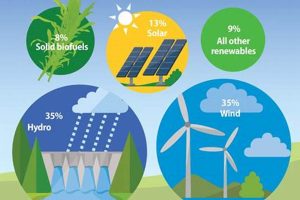
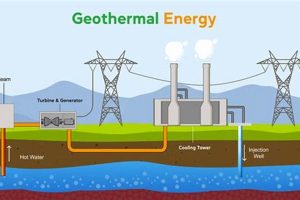
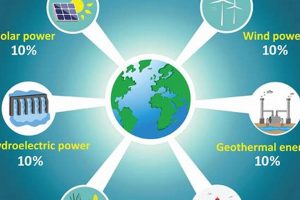
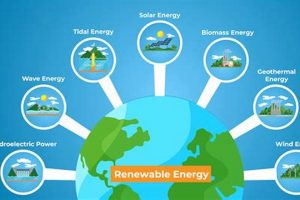
Tip 2: Invest in Renewable Energy Infrastructure: Shifting investments towards the development and deployment of alternative energy sources, such as solar, wind, hydro, and geothermal, creates a sustainable energy future. This requires government incentives, private sector investment, and technological advancements.
Tip 3: Promote Smart Grid Technologies: Modernizing energy grids with smart technologies enables better management of energy flow, improves grid stability, and facilitates the integration of renewable energy sources. This includes advanced metering infrastructure, grid automation, and energy storage solutions.
Tip 4: Develop Sustainable Transportation Systems: Reducing reliance on fossil fuel-powered vehicles through promoting public transportation, cycling, walking, and electric vehicles lessens the consumption of finite resources. This requires investments in public transportation infrastructure, bicycle lanes, and electric vehicle charging stations.
Tip 5: Implement Carbon Pricing Mechanisms: Introducing carbon pricing mechanisms, such as carbon taxes or cap-and-trade systems, incentivizes the reduction of greenhouse gas emissions and promotes the adoption of cleaner energy technologies. This places a financial burden on activities that contribute to climate change and encourages the development of low-carbon alternatives.
Tip 6: Support Research and Development: Continued investment in research and development is crucial for discovering new energy technologies, improving the efficiency of existing renewable energy sources, and developing energy storage solutions. This supports long-term sustainability and reduces dependency on finite resources.
Tip 7: Foster Public Awareness and Education: Educating the public about the environmental and economic consequences of relying on exhaustible energy sources encourages individuals and communities to adopt sustainable practices. Promoting awareness of the benefits of renewable energy technologies empowers informed decision-making.
Adopting these strategies contributes significantly to reducing the consumption of depleting energy reserves, mitigating environmental damage, and ensuring a sustainable energy supply for future generations. Successfully implementing these initiatives is essential for transitioning towards a low-carbon economy and safeguarding the planet’s resources.
The following sections will examine the specific environmental consequences of these exhaustible reserves and emphasize the urgency of accelerating the transition towards sustainable solutions.
1. Finite Supply

The defining characteristic of energy sources classified as non-renewable lies in their limited availability on Earth. This concept of a finite supply is not merely an abstract notion; it represents a fundamental constraint that dictates the long-term viability and sustainability of relying on these resources. The formation of materials like coal, oil, and natural gas requires geological processes spanning millions of years. The rate at which these resources are consumed vastly exceeds their natural regeneration rate, effectively making their supply fixed in human timescales. For example, the global consumption of petroleum far outpaces the rate at which new oil deposits are forming, leading to a gradual depletion of known reserves. This depletion has direct consequences, including increased extraction costs, geopolitical instability, and the necessity to explore environmentally sensitive regions for new deposits.
Understanding the link between this limited availability and the classification of an energy source as non-renewable is critical for informed energy policy and resource management. The consequences of ignoring the finite nature of these resources are multi-faceted. Environmental degradation, including habitat destruction and pollution, often accompanies the extraction and processing of such resources. Economic fluctuations arise as the demand increases relative to the dwindling supply, impacting energy prices and global markets. Furthermore, dependence on finite resources creates vulnerabilities, as depletion can lead to scarcity and geopolitical tension. Countries heavily reliant on imported energy sources are particularly susceptible to these vulnerabilities, underscoring the strategic importance of diversifying energy portfolios.
In conclusion, the concept of a finite supply is inextricably linked to the identification of energy sources considered non-renewable. Recognition of this limitation drives the imperative to transition towards sustainable and inexhaustible energy alternatives. Mitigation strategies, including enhanced energy efficiency, investment in alternative energy resources, and technological innovation, are paramount to ensuring energy security and environmental stewardship. Failure to acknowledge and address the limitations of these diminishing reserves will result in substantial environmental and economic challenges for future generations.
2. Fossil Fuels

Fossil fuelscoal, oil, and natural gasrepresent the quintessential example of energy sources that cannot be replenished at a rate comparable to their consumption. These materials, formed from the fossilized remains of prehistoric plants and animals subjected to immense pressure and heat over millions of years, constitute a finite resource. The extraction and combustion of these fuels release energy, primarily through the process of burning, which has historically powered industrial societies and fueled economic growth. However, the inherent limitation in their supply, coupled with the environmental consequences of their use, classifies them as unsustainable.
The reliance on fossil fuels has profound implications for both the environment and the global economy. Combustion releases significant quantities of carbon dioxide, a greenhouse gas, into the atmosphere, contributing to climate change and its associated effects. Extraction processes, such as mining and drilling, can disrupt ecosystems, pollute water sources, and degrade landscapes. Furthermore, the geographical concentration of fossil fuel reserves has led to geopolitical tensions and economic dependence. For example, the global dependence on oil has historically shaped international relations and influenced economic policies. Diversifying energy sources and transitioning to sustainable alternatives are crucial to mitigate these risks and ensure a more stable and environmentally responsible energy future. The development and adoption of technologies that capture and store carbon dioxide emissions from fossil fuel combustion offer a potential, though not universally accepted, mitigation strategy.
In conclusion, the direct link between fossil fuels and the category of non-renewable energy sources underscores the urgent need for global energy transition. Understanding the finite nature of these resources and the environmental repercussions of their use is paramount for informing policy decisions, promoting technological innovation, and fostering a more sustainable energy future. The challenges are significant, requiring collaborative efforts from governments, industries, and individuals to prioritize energy efficiency, invest in renewable energy technologies, and implement policies that incentivize the reduction of greenhouse gas emissions.
3. Environmental impact

The detrimental effects on the environment are intrinsically linked to the classification of certain energy sources as non-renewable. The extraction, processing, and combustion of these resourcespredominantly fossil fuelsrelease pollutants into the atmosphere, water, and soil, causing widespread ecological damage. The connection is direct: the more reliant a society is on these energy sources, the greater the environmental consequences. For instance, coal-fired power plants release significant amounts of sulfur dioxide and nitrogen oxides, contributing to acid rain and respiratory problems. Oil spills, another consequence of utilizing another of these reserves, devastate marine ecosystems, impacting wildlife and coastal economies for years.
Furthermore, the greenhouse gas emissions associated with burning these exhaustible reserves drive climate change, leading to rising global temperatures, sea-level rise, and more frequent extreme weather events. These impacts disproportionately affect vulnerable populations and ecosystems, amplifying social and environmental inequalities. The importance of environmental impact as a component of what is not a renewable source of energy lies in its ability to illustrate the true cost of relying on such resources, extending beyond mere economic considerations to encompass the long-term health and stability of the planet. Understanding this connection provides a foundation for advocating for sustainable energy alternatives and implementing policies aimed at reducing reliance on environmentally damaging fuels.
In conclusion, the environmental consequences of utilizing diminishing energy supplies are substantial and far-reaching. The relationship underscores the necessity of transitioning to sustainable energy solutions that minimize pollution, mitigate climate change, and protect ecosystems. Addressing the challenges requires a concerted effort to promote energy efficiency, invest in renewable energy technologies, and implement comprehensive environmental regulations. Acknowledging this crucial point is paramount to securing a sustainable and environmentally sound future.
4. Depletion of reserves

The term “depletion of reserves” is inextricably linked to the definition of energy resources that are not renewable. It refers to the progressive exhaustion of finite resources such as coal, oil, natural gas, and uranium. These reserves, formed over geological timescales, are extracted at a rate far exceeding their natural replenishment. Consequently, their availability diminishes over time, leading to increased extraction costs, geopolitical instability, and ultimately, the complete exhaustion of commercially viable sources. This depletion is a defining characteristic of non-renewable resources, highlighting their inherent unsustainability.
The relationship between the classification of an energy source as non-renewable and the phenomenon of reserve depletion is a causal one. The classification of an energy source as non-renewable is based on the fact that the rate of its formation is significantly slower than the rate of its consumption. This imbalance leads directly to the depletion of reserves. For example, global oil reserves are finite, and despite ongoing exploration efforts, the rate of new discoveries has not kept pace with consumption. This has led to increased competition for access to existing reserves, volatile energy prices, and strategic concerns regarding energy security. Another example is Uranium depletion, even nuclear energy is not renewable due to its resource are going down over time. The reality that, we must acknowledge uranium depletion because its reserves are declining over time.
The practical significance of understanding the connection between reserve depletion and the non-renewable nature of energy sources lies in the necessity to transition towards sustainable alternatives. Recognizing that finite resources will eventually be exhausted necessitates the development and deployment of renewable energy technologies, improved energy efficiency measures, and the implementation of policies that promote resource conservation. The alternative is continued reliance on diminishing resources, leading to increasing environmental degradation, economic instability, and ultimately, a future where energy scarcity limits economic development and societal well-being.
5. Greenhouse gas emissions

The emission of greenhouse gases, such as carbon dioxide, methane, and nitrous oxide, constitutes a significant consequence of utilizing energy sources not classified as renewable. The combustion of fossil fuelscoal, oil, and natural gasfor electricity generation, transportation, and industrial processes releases substantial quantities of these gases into the atmosphere. This activity disrupts the Earth’s radiative balance, trapping heat and contributing to global warming and climate change. The relationship is direct and proportional: increased reliance on these exhaustible energy sources results in a corresponding rise in greenhouse gas concentrations and accelerated climate change impacts. For example, the power generation sector, heavily reliant on coal-fired plants in many regions, is a major contributor to global carbon dioxide emissions. Deforestation, often linked to the extraction of these reserves or the creation of agricultural land to offset their impact, further exacerbates the issue by reducing the planet’s capacity to absorb carbon dioxide.
Addressing greenhouse gas emissions from non-renewable energy requires a multifaceted approach. Transitioning to renewable energy sources such as solar, wind, and hydro power is paramount. These sources generate electricity with minimal or no greenhouse gas emissions. Improving energy efficiency across all sectors, from buildings to transportation, reduces overall energy demand and consequently lowers emissions. Carbon capture and storage technologies, while still under development, offer the potential to capture emissions from existing power plants and industrial facilities. Policy interventions, such as carbon pricing mechanisms and emissions standards, incentivize the reduction of greenhouse gas emissions and promote the adoption of cleaner energy technologies. The implementation of international agreements, such as the Paris Agreement, provides a framework for global cooperation in mitigating climate change.
Understanding the direct link between greenhouse gas emissions and the use of non-renewable energy is crucial for informed decision-making and effective climate action. Recognizing that the utilization of these resources is a primary driver of climate change underscores the urgency of transitioning to a sustainable energy future. Challenges remain in scaling up renewable energy infrastructure, overcoming technological barriers, and ensuring equitable access to clean energy. However, failure to address these challenges will result in continued environmental degradation, economic disruption, and increased risks associated with climate change. A comprehensive strategy encompassing technological innovation, policy implementation, and international collaboration is essential to mitigate greenhouse gas emissions and secure a stable climate for future generations.
6. High energy density
The characteristic of high energy density plays a significant role in the historical prevalence and continued reliance on energy sources that are not renewable. It refers to the amount of energy stored in a given mass or volume of a fuel. Fuels with high energy density deliver a substantial amount of energy from a relatively small quantity of material, offering logistical and practical advantages in various applications.
- Efficient Energy Storage
One key aspect of high energy density is the efficiency of energy storage. Fossil fuels such as oil and natural gas exemplify this, storing large quantities of energy in compact forms. This allows for efficient transportation and storage, critical factors for industries requiring mobile or readily available energy sources. This efficiency contributed to the widespread adoption of internal combustion engines and centralized power plants reliant on these fuels.
- Transportability and Portability
The transportability and portability of energy sources with high energy density is another significant advantage. Oil, for example, can be easily transported via pipelines, tankers, and trucks, enabling it to be delivered to remote locations or areas with high energy demands. This portability has been crucial for supporting global trade and industrial development, but it has also perpetuated reliance on an exhaustible resource.
- Power Generation
For power generation, high energy density allows for the creation of large-scale power plants that can produce substantial amounts of electricity from relatively small amounts of fuel. This has led to economies of scale, making it cost-effective to power entire cities and regions with fossil fuel-based power plants. However, the environmental consequences of this power generation method are substantial, including greenhouse gas emissions and air pollution.
- Industrial Applications
Many industrial processes require high temperatures or significant amounts of energy, making high energy density fuels essential for their operation. Steel production, cement manufacturing, and various chemical processes rely on the intense heat generated from burning coal or natural gas. While alternative technologies are being developed, the transition to cleaner energy sources remains a challenge due to the need for comparable energy density in many industrial applications.
The advantages associated with high energy density have historically driven the utilization of energy sources that cannot be replenished. However, the environmental and sustainability concerns associated with these resources necessitate a shift towards renewable alternatives. While renewable energy technologies continue to advance, challenges remain in replicating the high energy density and cost-effectiveness of fossil fuels, particularly in transportation and certain industrial applications. The transition to a sustainable energy future requires ongoing innovation, policy support, and investments in renewable energy technologies and energy storage solutions.
7. Economic dependence

Economic dependence arises from a nation’s or a region’s reliance on non-renewable energy sources, a connection characterized by complex interdependencies and inherent vulnerabilities. The uneven distribution of fossil fuel reserves worldwide often leads to situations where certain countries become major producers and exporters, while others become heavily reliant on these imports to meet their energy needs. This disparity creates a flow of capital and resources, cementing economic dependence and influencing global power dynamics. For instance, many European nations, lacking substantial domestic oil or gas reserves, depend on imports from Russia or the Middle East, creating a degree of economic and, potentially, political vulnerability. This is exacerbated by volatile commodity prices, which can drastically affect import costs and economic stability for dependent nations. The Organization of the Petroleum Exporting Countries (OPEC) serves as a prime example of how control over non-renewable resources can be leveraged to exert economic and political influence.
Furthermore, the existing infrastructure and industries built around non-renewable energy sources create significant inertia, impeding the transition to alternative energy pathways. The economic stakes are high, with vast investments tied to fossil fuel extraction, transportation, and processing. The employment sectors dependent on these industries represent a considerable workforce, making any shift to renewable energy a complex socio-economic undertaking. For example, coal-producing regions often face resistance to the phasing out of coal power due to concerns about job losses and economic decline. The dependence on revenue from non-renewable resources can also hinder diversification efforts, as governments may prioritize short-term gains over long-term sustainability. Countries with significant oil revenues, for instance, may struggle to develop alternative economic sectors, making them vulnerable to fluctuations in oil prices.
In conclusion, economic dependence on non-renewable energy sources constitutes a significant barrier to a sustainable energy transition. Addressing this challenge requires a multifaceted approach involving diversification of energy sources, investment in renewable energy technologies, and policies aimed at mitigating the socio-economic impacts of phasing out fossil fuels. Supporting affected communities through retraining programs and investments in new industries is crucial for ensuring a just transition. Ultimately, reducing economic dependence on these finite resources is essential for achieving energy security, economic stability, and environmental sustainability. The future energy landscape must prioritize diversification and sustainability to break free from the constraints imposed by reliance on diminishing reserves.
Frequently Asked Questions
This section addresses common inquiries regarding energy resources that are finite and cannot be replenished at the rate they are consumed.
Question 1: What fundamentally distinguishes energy sources deemed non-renewable from those considered renewable?
The primary distinction lies in the rate of replenishment. Renewable energy resources, such as solar, wind, and hydro, are naturally replenished within a human timescale. Non-renewable resources, conversely, are finite, requiring millions of years to form. Once these resources are depleted, their availability is permanently diminished.
Question 2: What specific energy sources are categorized as non-renewable, and why?
The primary examples are fossil fuels (coal, oil, and natural gas) and nuclear fuels (uranium). These sources are classified as non-renewable due to their finite supply and the unsustainable rate at which they are extracted and consumed. Their formation processes occur over geological timescales, rendering them effectively irreplaceable.
Question 3: What are the primary environmental consequences associated with the extraction and use of non-renewable energy sources?
The environmental consequences are extensive. Fossil fuel combustion releases greenhouse gases, contributing to climate change. Extraction processes disrupt ecosystems and can lead to habitat destruction and pollution. Nuclear energy, while not emitting greenhouse gases during operation, poses risks related to radioactive waste disposal and the potential for accidents.
Question 4: What are the potential economic ramifications of continued reliance on non-renewable energy sources?
Continued reliance leads to economic instability due to fluctuating fuel prices, geopolitical tensions related to resource control, and the eventual depletion of reserves. Transitioning to sustainable alternatives is crucial for long-term energy security and economic stability.
Question 5: What are the potential alternatives to these exhaustible resources?
Renewable energy sources, such as solar, wind, hydro, and geothermal, offer viable alternatives. Energy efficiency measures and advancements in energy storage technologies also play a critical role in reducing dependence on exhaustible energy sources.
Question 6: What are the main obstacles to transition to renewable resources?
Technological challenges related to energy storage and grid integration, high initial investment costs, and existing infrastructure heavily reliant on resources that cannot be replenished are significant obstacles. Addressing these challenges requires policy support, technological innovation, and international collaboration.
This FAQ aims to clarify the distinctions and consequences associated with reliance on finite energy resources. Understanding these aspects is paramount for informed energy policy and individual actions.
The following section will explore the long-term effects of relying on non-renewable energy sources and the potential strategies for mitigating the risks.
Consequences of Utilizing Non-Renewable Energy Sources
This exploration has illuminated the defining characteristics of energy sources, highlighting their finite nature and the multifaceted consequences of their continued exploitation. These energy resources, exemplified by fossil fuels and nuclear fuels, present a paradox: Their high energy density and historical economic advantages have fueled industrial development, but their unsustainable extraction and consumption patterns pose significant threats to environmental stability and long-term economic security.
The challenges associated with these energy options underscore the urgent need for a global energy transition. Failure to mitigate environmental degradation, address resource depletion, and overcome economic dependencies will result in irreversible consequences for future generations. A commitment to developing and deploying sustainable alternatives, coupled with responsible resource management and international cooperation, remains paramount to safeguarding the planet’s well-being and ensuring a sustainable energy future.