Harnessing power from sources like solar, wind, hydro, biomass, and geothermal is vital for the nation’s sustainable development. For example, large solar parks in Rajasthan and Gujarat contribute significantly to the national grid, while wind farms in Tamil Nadu and Karnataka capture the power of coastal breezes. Decentralized renewable energy solutions, like rooftop solar installations and biogas digesters, are also becoming increasingly common, providing power to rural communities and reducing reliance on fossil fuels.
This shift toward sustainable power offers numerous advantages, including decreased reliance on imported fossil fuels, reduced greenhouse gas emissions contributing to climate change mitigation, and improved air quality, leading to public health benefits. Historically, the country has relied heavily on coal-based power. However, growing environmental awareness, decreasing costs of renewable energy technologies, and government initiatives like the National Solar Mission and the Jawaharlal Nehru National Solar Mission have accelerated the adoption of cleaner energy solutions.
This discussion will explore the current state of various renewable energy sectors, address the challenges and opportunities within the sector, and analyze the policies and regulatory frameworks shaping the future of sustainable power in the country.
Tips for Supporting Sustainable Power Development
Promoting the growth of clean energy requires a multifaceted approach involving individual actions, policy changes, and technological advancements. The following tips offer practical ways to contribute to a more sustainable energy future.
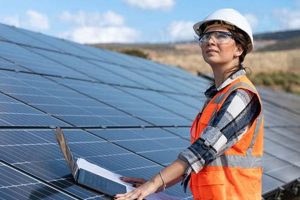
Tip 1: Invest in Rooftop Solar: Installing solar panels on residential or commercial rooftops reduces reliance on the conventional grid and lowers electricity bills. Net metering policies can further incentivize this by allowing consumers to sell excess power back to the grid.
Tip 2: Support Renewable Energy Businesses: Choosing electricity providers that source power from renewable resources or investing in companies developing clean energy technologies helps drive market growth and innovation.
Tip 3: Advocate for Policy Changes: Supporting policies that promote renewable energy development, such as tax incentives, streamlined permitting processes, and renewable portfolio standards, can accelerate the transition to a cleaner energy system.
Tip 4: Reduce Energy Consumption: Implementing energy efficiency measures, such as using energy-efficient appliances, improving building insulation, and adopting sustainable transportation options, minimizes overall energy demand and supports the transition to renewables.
Tip 5: Educate and Raise Awareness: Sharing information about the benefits of renewable energy with communities and advocating for greater public awareness can influence policy decisions and consumer choices.
Tip 6: Explore Community Solar: Participating in community solar projects allows individuals who may not have suitable rooftops to benefit from solar power and support local renewable energy development.
Tip 7: Promote Research and Development: Supporting research and development in renewable energy technologies, including energy storage solutions and grid integration technologies, is crucial for continuous improvement and cost reduction.
By adopting these strategies, individuals, communities, and businesses can contribute to a more sustainable energy future, maximizing the environmental and economic benefits of clean power.
These collective efforts will shape a future powered by sustainable energy, creating a cleaner, healthier, and more resilient nation.
1. Solar Power

Solar power represents a cornerstone of India’s renewable energy strategy, offering a pathway to a cleaner and more sustainable energy future. The country’s abundant solar resources, coupled with decreasing technology costs and supportive government policies, have positioned solar energy as a key driver of growth in the renewable energy sector. This section explores key facets of solar power’s contribution to India’s energy transition.
- Large-Scale Solar Parks
Massive solar parks, such as the Bhadla Solar Park in Rajasthan and the Pavagada Solar Park in Karnataka, are instrumental in significantly increasing solar power capacity. These projects demonstrate the potential for utility-scale solar to contribute substantially to the national grid, reducing reliance on conventional power plants. Their development often involves collaborations between government agencies, private developers, and international investors, showcasing the collaborative nature of large-scale renewable energy projects.
- Rooftop Solar Installations
Distributed solar generation through rooftop installations empowers individuals, businesses, and communities to generate their own clean electricity. This decentralized approach reduces transmission losses, enhances energy security, and promotes broader participation in the renewable energy sector. Government incentives and net metering policies further encourage rooftop solar adoption, contributing to a more distributed and resilient energy system.
- Technological Advancements
Continuous innovation in solar photovoltaic (PV) technology, including improvements in efficiency, durability, and cost-effectiveness, drives the growth of solar power in India. Research and development efforts focus on developing next-generation solar technologies, such as high-efficiency solar cells and advanced energy storage solutions, to further enhance the performance and affordability of solar energy systems.
- Policy and Regulatory Framework
Supportive government policies, including the National Solar Mission, feed-in tariffs, and tax incentives, play a crucial role in attracting investments and accelerating the deployment of solar power projects. A stable and transparent regulatory framework is essential for fostering investor confidence and ensuring the long-term sustainability of the solar energy sector. Streamlined permitting processes and clear guidelines for grid integration further facilitate the smooth integration of solar power into the national grid.
These facets collectively contribute to the significant role solar power plays in India’s renewable energy landscape. The continued growth of solar capacity is essential for achieving the nation’s ambitious renewable energy targets and transitioning towards a cleaner and more sustainable energy future. Further integration of solar power with other renewable energy sources and advancements in energy storage technologies will be crucial for maximizing its impact and ensuring a reliable and resilient power supply.
2. Wind Energy

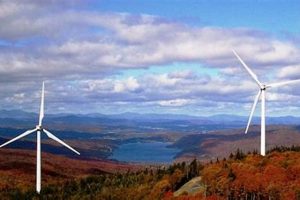
Wind energy constitutes a significant component of India’s renewable energy generation capacity. Favorable wind resources, particularly in coastal regions and certain inland areas, offer substantial potential for harnessing wind power. This potential is being realized through the deployment of onshore and offshore wind farms, contributing significantly to the country’s clean energy goals. The growth of wind energy capacity is driven by technological advancements, supportive government policies, and increasing investor interest. For instance, states like Tamil Nadu, Gujarat, and Maharashtra have emerged as major hubs for wind power generation, boasting large wind farms that contribute significantly to their respective state grids and the national grid. The Muppandal wind farm in Tamil Nadu, one of the largest onshore wind farms in India, exemplifies the scale and potential of wind energy. These developments demonstrate the growing role of wind power in diversifying India’s energy mix and reducing reliance on fossil fuels.
The integration of wind energy into the national grid presents both opportunities and challenges. The intermittent nature of wind resources necessitates effective grid management strategies, including forecasting, scheduling, and grid balancing mechanisms. Energy storage solutions, such as pumped hydro storage and battery storage, can play a crucial role in addressing the intermittency challenges and ensuring a stable and reliable power supply. Furthermore, the development of offshore wind farms presents significant opportunities for tapping into vast untapped wind resources along India’s extensive coastline. Projects like the proposed offshore wind farm off the coast of Gujarat demonstrate the potential for offshore wind to contribute significantly to future renewable energy capacity. Addressing challenges related to infrastructure development, transmission infrastructure, and environmental considerations are crucial for realizing the full potential of offshore wind.
Wind energy’s contribution to India’s renewable energy landscape is pivotal for achieving sustainable development goals. Its continued growth depends on policy stability, technological advancements, and effective grid integration strategies. Overcoming challenges related to land acquisition, transmission infrastructure, and environmental impact assessments will be essential for maximizing the contribution of wind power to India’s clean energy transition. Further research and development in wind turbine technology, grid integration solutions, and energy storage technologies will play a crucial role in enhancing the efficiency, reliability, and cost-effectiveness of wind energy. The strategic development and integration of wind power will be instrumental in shaping a sustainable and secure energy future for India.
3. Hydropower

Hydropower holds a complex position within India’s renewable energy generation landscape. While it offers a significant source of clean electricity, its development and operation present unique environmental and social considerations. Large-scale hydropower projects, such as those in the Himalayas, offer substantial electricity generation capacity but can impact river ecosystems, displace communities, and alter downstream water availability. The Tehri Dam, for example, while contributing significantly to the northern grid, has faced criticism regarding its impact on local communities and the environment. Conversely, smaller-scale hydropower projects, often referred to as “run-of-the-river” projects, minimize environmental disruption by utilizing the natural flow of rivers without requiring large reservoirs. These smaller projects can provide localized power generation, particularly in remote mountainous regions, enhancing energy access and reducing reliance on diesel generators. Balancing the benefits of hydropower with its potential impacts requires careful planning, environmental impact assessments, and stakeholder engagement.
The practical significance of understanding hydropower’s role in India’s renewable energy mix lies in optimizing its contribution while mitigating its negative impacts. This necessitates a strategic approach that prioritizes sustainable hydropower development. Emphasis on optimizing existing hydropower plants for improved efficiency, modernizing aging infrastructure, and integrating hydropower with other renewable energy sources can enhance its overall contribution. Furthermore, exploring innovative technologies like pumped hydro storage, which utilizes surplus renewable energy to pump water uphill for later release to generate electricity, can address the intermittency challenges associated with other renewable sources like solar and wind. Balancing energy security with environmental sustainability and social equity requires a nuanced understanding of the complexities associated with hydropower development.
Hydropower’s future role in India’s renewable energy generation hinges on navigating the trade-offs between energy production and environmental protection. Careful consideration of social and ecological impacts, coupled with technological advancements and policy frameworks that prioritize sustainability, will be crucial for maximizing hydropower’s benefits while minimizing its drawbacks. Embracing a holistic approach to hydropower development will be essential for ensuring its long-term viability as a key component of India’s clean energy transition and broader sustainable development goals. Integrating environmental flows, sediment management, and community participation into hydropower planning and operation are critical for ensuring its long-term sustainability and positive contribution to India’s energy future.
4. Biomass Energy
Biomass energy plays a unique role in India’s renewable energy generation landscape, offering both opportunities and challenges. Utilizing organic matter, such as agricultural residues, wood, and animal waste, for energy production presents a potential pathway for waste management, rural development, and reduced reliance on fossil fuels. However, sustainable biomass utilization requires careful consideration of resource availability, environmental impacts, and potential competition with other land uses. Its decentralized nature makes it particularly relevant for rural electrification and off-grid power generation, contributing to energy access and social development. Understanding the diverse facets of biomass energy is crucial for maximizing its potential within India’s broader renewable energy strategy.
- Agricultural Residues
Agricultural residues, such as rice husk, sugarcane bagasse, and wheat straw, represent a substantial biomass resource in India. These residues can be utilized for power generation through direct combustion or gasification. For example, several sugar mills utilize bagasse cogeneration to produce electricity, both for their own operations and for supplying to the grid. Effective utilization of agricultural residues can reduce air pollution from crop burning, enhance farm incomes, and contribute to cleaner energy production. However, ensuring sustainable harvesting practices and avoiding competition with other uses, such as animal fodder or soil enrichment, is crucial.
- Biogas Digesters
Biogas digesters, commonly used in rural areas, utilize animal dung and other organic waste to produce biogas, a mixture primarily of methane and carbon dioxide. This biogas can be used for cooking, lighting, and small-scale power generation. Biogas digesters offer multiple benefits, including improved sanitation, reduced reliance on firewood, and the production of bio-slurry, a valuable fertilizer. Promoting biogas digester adoption can contribute to rural development, improved public health, and reduced greenhouse gas emissions.
- Wood and Forest Biomass
Wood and forest biomass can be utilized for energy production through direct combustion or gasification. Sustainable forest management practices are essential to ensure that biomass harvesting does not contribute to deforestation or ecosystem degradation. Community-based forest management models can play a vital role in ensuring sustainable biomass utilization while providing economic benefits to local communities. Careful regulation and monitoring are necessary to prevent unsustainable practices and ensure the long-term viability of forest biomass as a renewable energy source.
- Biofuels
Biofuels, such as biodiesel and bioethanol, offer a potential alternative to fossil fuels in the transportation sector. Biodiesel can be produced from non-edible oilseeds, while bioethanol can be derived from sugarcane molasses or other feedstocks. Promoting sustainable biofuel production can reduce reliance on imported fossil fuels, enhance energy security, and contribute to rural development. However, careful consideration of land use change, water requirements, and potential impacts on food security is crucial for ensuring the sustainability of biofuel production.
Integrating biomass energy effectively into India’s renewable energy mix requires addressing challenges related to resource availability, sustainable harvesting practices, and efficient conversion technologies. Developing robust supply chains, promoting technological advancements, and establishing clear policy frameworks can maximize the contribution of biomass energy to rural development, waste management, and clean energy generation. Balancing the potential benefits of biomass energy with its potential environmental and social impacts is crucial for ensuring its long-term sustainability and positive contribution to India’s renewable energy goals.
5. Geothermal Resources

Geothermal resources, while holding significant potential, remain a relatively untapped component of India’s renewable energy generation landscape. The geological context of the Indian subcontinent, characterized by regions of volcanic activity and tectonic plate boundaries, suggests the presence of exploitable geothermal resources. These resources, derived from the Earth’s internal heat, can be harnessed for both electricity generation and direct heat applications. However, the development of geothermal energy faces challenges related to exploration, resource assessment, and technological expertise. While geothermal projects exist in regions like Ladakh and Himachal Pradesh, demonstrating the feasibility of harnessing geothermal energy, significant investments in research, exploration, and infrastructure development are required to scale up geothermal energy’s contribution to India’s renewable energy portfolio. The Puga Valley in Ladakh, for example, holds promising geothermal potential, and pilot projects have demonstrated the feasibility of power generation. However, further exploration and development are necessary to fully realize the potential of this resource.
The practical significance of understanding geothermal energy’s potential lies in its ability to provide a stable and continuous source of power, unlike intermittent renewable sources like solar and wind. Geothermal power plants can operate 24/7, providing baseload power that enhances grid stability and reliability. Direct heat applications of geothermal energy, such as space heating, industrial processes, and agriculture, offer further opportunities for decarbonizing various sectors. Developing geothermal resources can also create employment opportunities in remote areas and contribute to local economic development. However, careful consideration of potential environmental impacts, such as land use change, water usage, and induced seismicity, is crucial for ensuring the sustainable development of geothermal projects. Further research and development are needed to improve geothermal technologies, reduce exploration and development costs, and enhance the efficiency of geothermal power plants.
Geothermal energy, while currently a minor contributor, holds significant promise for diversifying India’s renewable energy mix. Overcoming challenges related to resource exploration, technological advancements, and infrastructure development will be crucial for unlocking its full potential. Integrating geothermal energy into India’s renewable energy strategy can enhance energy security, reduce reliance on fossil fuels, and contribute to a more sustainable and resilient energy future. Strategic investments in research, development, and capacity building will be essential for realizing the long-term potential of geothermal resources and integrating them effectively into India’s broader energy transition.
6. Policy and Infrastructure

Policy and infrastructure form the backbone of successful renewable energy generation deployment and integration within India’s energy landscape. Effective policies create an enabling environment for investment, innovation, and market growth, while robust infrastructure ensures efficient power transmission and distribution. Examining the interplay between these two crucial elements is essential for understanding the progress and challenges of renewable energy development in India.
- Renewable Purchase Obligations (RPOs)
RPOs mandate that electricity distribution companies source a specific percentage of their power from renewable sources. This policy instrument creates demand for renewable energy, driving investment in new projects and stimulating market growth. State-specific RPO targets and enforcement mechanisms play a crucial role in achieving national renewable energy targets. However, challenges remain in ensuring compliance and addressing variations in RPO implementation across different states.
- Feed-in Tariffs (FITs)
FITs provide a guaranteed price for renewable energy fed into the grid, offering price stability and incentivizing investment in renewable energy projects. FITs have been instrumental in promoting the early growth of solar and wind power in India. However, the transition towards competitive bidding and auctions for renewable energy projects necessitates a careful balance between ensuring cost-competitiveness and providing sufficient incentives for long-term investments.
- Transmission Infrastructure Development
Developing robust transmission infrastructure is crucial for integrating large-scale renewable energy projects, often located in remote areas, into the national grid. The Green Energy Corridors project, aimed at strengthening transmission networks for renewable energy integration, exemplifies the importance of infrastructure development. Addressing challenges related to land acquisition, right-of-way clearances, and timely project implementation is essential for maximizing the benefits of renewable energy generation.
- Grid Integration and Management
Integrating intermittent renewable energy sources like solar and wind into the grid requires advanced grid management techniques, including forecasting, scheduling, and demand-side management. Smart grid technologies, energy storage solutions, and grid modernization initiatives are crucial for ensuring grid stability and reliability. Further research and development in grid integration technologies and innovative market mechanisms are needed to optimize the utilization of renewable energy and minimize curtailment.
The effectiveness of policies and the robustness of infrastructure are inextricably linked to the success of India’s renewable energy generation endeavors. A holistic approach that considers policy frameworks, regulatory mechanisms, technological advancements, and infrastructure development is essential for achieving ambitious renewable energy targets and ensuring a sustainable and secure energy future for India. Continued policy support, streamlined regulatory processes, and strategic investments in transmission and grid modernization will be crucial for maximizing the contribution of renewable energy to India’s energy transition and broader sustainable development goals.
Frequently Asked Questions
This section addresses common inquiries regarding the development and utilization of renewable energy sources within the country.
Question 1: What is the current contribution of renewable energy to the nation’s total electricity generation?
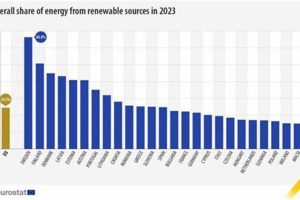
Renewable energy sources, including solar, wind, hydro, and biomass, currently contribute a significant and growing percentage to the nation’s electricity generation capacity, reducing reliance on conventional power sources. Precise figures vary based on real-time data and reporting periods. Official government sources and industry reports provide the most up-to-date information on renewable energy’s contribution to the overall energy mix.
Question 2: How does the cost of renewable energy compare with that of conventional power generation?
The cost of renewable energy technologies, particularly solar and wind, has decreased significantly in recent years, making them increasingly competitive with conventional fossil fuel-based power generation. Factors influencing cost comparisons include technology type, project scale, location, and financing mechanisms. Detailed cost analyses are available from government agencies, research institutions, and industry publications.
Question 3: What are the key government policies and incentives supporting renewable energy development?
Government policies and incentives play a crucial role in promoting renewable energy development. Key initiatives include the National Solar Mission, renewable purchase obligations (RPOs), feed-in tariffs (FITs), and tax incentives for renewable energy projects. Specific policy details and updates are available on government websites and official publications.
Question 4: What are the primary challenges hindering the growth of renewable energy?
Challenges impacting the growth of renewable energy include grid integration of intermittent sources, land acquisition for large-scale projects, financing constraints, and the need for skilled workforce development. Addressing these challenges requires coordinated efforts from government, industry, and research institutions.
Question 5: How does renewable energy contribute to job creation and economic development?
The renewable energy sector creates employment opportunities across various stages of the value chain, from manufacturing and installation to operation and maintenance. Renewable energy projects also stimulate local economies, particularly in rural areas, through investments, infrastructure development, and increased energy access. Studies quantifying job creation and economic impacts are available from research organizations and government agencies.
Question 6: What is the role of technological innovation in advancing renewable energy technologies?
Technological innovation plays a crucial role in improving the efficiency, affordability, and reliability of renewable energy technologies. Research and development efforts focus on areas such as advanced solar cell materials, efficient wind turbine designs, and smart grid technologies for improved integration of renewable energy sources. Information on advancements in renewable energy technologies can be found in scientific publications and industry reports.
Understanding these frequently asked questions provides a foundational understanding of the evolving landscape of renewable energy within the country.
The subsequent section explores specific case studies of successful renewable energy projects, showcasing the practical implementation and impact of these technologies.
India Renewable Energy Generation
This exploration of India’s renewable energy generation landscape has highlighted the significant strides made in harnessing sustainable power sources. From the expansive solar parks of Rajasthan to the windswept coasts of Tamil Nadu, the nation’s commitment to clean energy is evident. The examination of solar, wind, hydro, biomass, and geothermal resources underscores the diverse portfolio of renewable energy options being deployed. Furthermore, the crucial role of policy frameworks and infrastructure development in supporting this transition has been emphasized. Addressing the challenges and opportunities within each sector, while acknowledging the complexities of integrating these diverse resources into the national grid, provides a comprehensive perspective on the current state and future trajectory of renewable energy generation.
The continued advancement of renewable energy generation is not merely a technological endeavor; it represents a fundamental shift towards a more sustainable and equitable energy future. Maximizing the potential of these resources requires sustained commitment to innovation, policy support, and infrastructure development. The transition to a cleaner energy future necessitates collaborative efforts across government, industry, research institutions, and communities. Ultimately, the successful integration of renewable energy generation will play a pivotal role in shaping a more resilient, prosperous, and environmentally sustainable India.