Energy sources that produce power without releasing greenhouse gases or harmful pollutants into the atmosphere are generally considered sustainable. Examples include solar, wind, geothermal, hydropower, and some forms of biomass energy. These sources offer an alternative to fossil fuels, minimizing environmental impact and contributing to a healthier planet.
The transition to sustainable power generation is critical for mitigating climate change and ensuring a secure energy future. Reduced reliance on finite fossil fuel reserves enhances energy independence and fosters economic growth through the development of new technologies and industries. Historically, energy production has been dominated by polluting sources. However, growing awareness of environmental concerns and technological advancements have spurred increasing investment and innovation in sustainable alternatives.
This understanding of sustainable energy provides a foundation for exploring specific technologies, policy implications, and the ongoing global transition towards a cleaner energy landscape. The following sections will delve deeper into these crucial aspects.
Tips for Transitioning to Sustainable Energy
Implementing sustainable energy solutions can be approached strategically through informed decision-making and careful planning. The following tips offer guidance for individuals, businesses, and communities seeking to adopt cleaner energy practices.
Tip 1: Conduct an Energy Audit: Assessing current energy consumption patterns provides a baseline for identifying areas for improvement and potential savings. Professional energy audits can offer detailed insights into energy usage and recommend specific efficiency measures.
Tip 2: Explore Renewable Energy Options: Research available sustainable energy technologies suitable for specific needs and locations. Consider factors such as sunlight availability for solar, wind resources for wind turbines, and access to geothermal resources.
Tip 3: Invest in Energy-Efficient Appliances: Upgrading to appliances with higher energy efficiency ratings can significantly reduce energy consumption and lower utility bills. Look for appliances with Energy Star certifications.
Tip 4: Improve Building Insulation: Proper insulation reduces energy loss during heating and cooling, enhancing energy efficiency and comfort. Sealing air leaks and adding insulation to walls and roofs can make a substantial difference.
Tip 5: Consider On-Site Generation: Installing solar panels or small wind turbines can generate electricity on-site, reducing reliance on the grid and potentially lowering energy costs.
Tip 6: Support Policy Initiatives: Advocate for policies that promote sustainable energy development and incentivize the adoption of cleaner technologies. This includes supporting renewable energy standards, carbon pricing mechanisms, and research funding.
Tip 7: Educate and Engage: Raising awareness about the benefits of sustainable energy can encourage wider adoption. Sharing information with family, friends, and colleagues can help promote a broader shift towards cleaner energy practices.
By implementing these tips, individuals, businesses, and communities can contribute to a more sustainable energy future. These actions not only reduce environmental impact but also offer long-term economic benefits through energy savings and increased energy independence.
These practical steps pave the way for a more sustainable energy landscape. The concluding section will summarize the key takeaways and offer a forward-looking perspective on the future of sustainable energy.
1. Sustainable Source

Sustainability lies at the heart of clean energy. A sustainable source is fundamental to its definition, distinguishing it from traditional, environmentally damaging energy production methods. Exploring the facets of a sustainable source reveals its crucial role in achieving clean energy goals.
- Resource Replenishment
Sustainable sources replenish naturally at a rate equal to or greater than their consumption. Unlike fossil fuels, which are finite and deplete over time, resources like solar radiation, wind, and geothermal heat are continuously available. This continuous replenishment ensures a long-term, reliable energy supply, decoupling energy production from resource depletion.
- Environmental Impact Minimization
Minimizing environmental impact is a key characteristic of sustainable sources. Clean energy technologies, such as solar panels and wind turbines, generate electricity with significantly fewer emissions and pollutants compared to fossil fuel-based power plants. This reduction in pollution contributes to cleaner air and water, protecting ecosystems and human health.
- Economic Viability
The economic viability of sustainable sources is increasingly evident. Technological advancements have driven down the costs of renewable energy technologies, making them competitive with or even cheaper than traditional energy sources in many regions. This cost-competitiveness, coupled with government incentives and growing investor interest, further supports the transition to a sustainable energy economy.
- Energy Security Enhancement
Utilizing sustainable sources enhances energy security. By diversifying energy sources and reducing reliance on imported fossil fuels, nations can strengthen their energy independence and resilience. This decentralized energy production model also reduces vulnerability to geopolitical instability and price fluctuations in global energy markets.
These interconnected facets of sustainable sources demonstrate their essential role in defining clean energy. The transition to a clean energy future hinges on the continued development and deployment of technologies that harness these sustainable resources, ensuring a reliable, environmentally sound, and economically viable energy supply for generations to come. This shift towards sustainable sources represents not just a technological advancement, but a fundamental change in how energy is produced and consumed, paving the way for a more sustainable and prosperous future.
2. Minimal Pollution
Minimal pollution is a defining characteristic of clean energy, setting it apart from traditional energy sources that release harmful pollutants into the environment. Examining the various facets of minimal pollution reveals its crucial role in achieving sustainable and environmentally responsible energy production.
- Air Quality Improvement
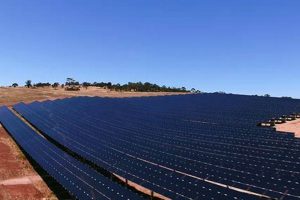
Clean energy sources significantly reduce air pollution compared to fossil fuels. Burning fossil fuels releases pollutants like sulfur dioxide, nitrogen oxides, and particulate matter, contributing to respiratory problems and other health issues. Clean energy technologies, such as solar and wind power, produce electricity without these harmful emissions, leading to improved air quality and public health outcomes. For example, transitioning from coal-fired power plants to solar farms can dramatically reduce smog and respiratory illnesses in surrounding communities.
- Water Contamination Reduction
Fossil fuel extraction and combustion can contaminate water sources through spills, leaks, and runoff. Clean energy sources, particularly solar and wind, minimize these risks. While hydropower can impact aquatic ecosystems, advancements in sustainable hydropower technologies aim to mitigate these effects. For instance, closed-loop geothermal systems minimize water usage and prevent contamination of groundwater resources.
- Greenhouse Gas Mitigation
Clean energy technologies are essential for mitigating greenhouse gas emissions, a primary driver of climate change. Unlike fossil fuels, which release substantial amounts of carbon dioxide and other greenhouse gases when burned, clean energy sources produce minimal to no greenhouse gas emissions during operation. This reduction in greenhouse gas emissions is critical for mitigating climate change and its associated impacts, such as rising sea levels and extreme weather events.
- Ecosystem Protection
Minimizing pollution through clean energy protects ecosystems from the harmful effects of traditional energy production. Reduced air and water pollution safeguard biodiversity and preserve natural habitats. Furthermore, clean energy technologies often require less land use compared to fossil fuel extraction, further minimizing ecosystem disruption. For example, rooftop solar installations utilize existing infrastructure, minimizing the need for land clearing and habitat destruction.
These facets of minimal pollution underscore the environmental benefits of clean energy. By reducing air and water pollution, mitigating greenhouse gas emissions, and protecting ecosystems, clean energy provides a pathway towards a more sustainable and environmentally responsible energy future. This transition to cleaner energy sources is essential for mitigating the impacts of climate change and ensuring a healthy planet for future generations.
3. Renewable Resource

Renewable resources are inextricably linked to the definition of clean energy. These resources, naturally replenished over a relatively short period, provide a sustainable alternative to finite fossil fuels. Understanding the various facets of renewable resources clarifies their essential role in achieving a clean energy future.
- Continuous Availability
Renewable resources, such as solar radiation, wind, and geothermal heat, are continuously available. Unlike fossil fuels, which are finite and subject to depletion, renewable resources replenish naturally. This continuous availability ensures a long-term, reliable energy supply independent of dwindling reserves. For example, sunlight consistently reaches the Earth’s surface, providing a perpetual source of energy for solar power generation.
- Diversity of Sources
The diversity of renewable resources offers flexibility in energy production. Different regions possess varying renewable resource potentials, allowing for tailored solutions based on local conditions. Coastal areas may benefit from wind energy, while regions with high solar irradiance are ideal for solar power. This diversity allows for decentralized energy production, reducing reliance on centralized power plants and enhancing energy security.
- Technological Advancements
Technological advancements continue to improve the efficiency and affordability of harnessing renewable resources. Innovations in solar panel technology, wind turbine design, and geothermal energy extraction increase energy output while reducing costs. These advancements make renewable energy increasingly competitive with traditional energy sources, accelerating the transition to a clean energy economy.
- Environmental Sustainability
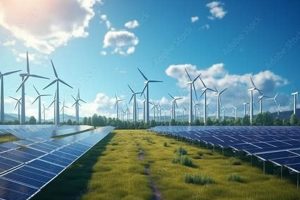
Renewable resources offer a pathway to environmentally sustainable energy production. Unlike fossil fuels, which contribute significantly to greenhouse gas emissions and pollution, renewable energy sources have a minimal environmental footprint. Harnessing renewable resources mitigates climate change, improves air and water quality, and protects ecosystems. For instance, wind farms generate electricity without emitting greenhouse gases, reducing reliance on fossil fuel-based power plants and their associated environmental impacts.
These interconnected facets of renewable resources demonstrate their fundamental role in defining clean energy. The transition to a clean energy future depends on the continued development and deployment of technologies that harness these resources, ensuring a sustainable, reliable, and environmentally sound energy supply for generations to come. This shift towards renewable resources represents a fundamental change in the energy landscape, offering a pathway towards a more sustainable and prosperous future.
4. Environmentally friendly

Environmental friendliness is a core attribute of clean energy, distinguishing it from traditional, environmentally damaging energy production methods. This characteristic encompasses a range of considerations, from minimizing pollution and greenhouse gas emissions to protecting ecosystems and biodiversity. Clean energy sources, such as solar, wind, and geothermal, inherently minimize environmental harm throughout their lifecycle, from resource extraction to energy generation and eventual decommissioning. For example, solar photovoltaic systems generate electricity without emitting greenhouse gases or air pollutants, unlike fossil fuel-based power plants. This fundamental difference underscores the environmental benefits of transitioning to clean energy systems.
The environmental friendliness of clean energy extends beyond its operational phase. The manufacturing processes for clean energy technologies are also becoming increasingly sustainable, with efforts to minimize material usage, reduce waste generation, and recycle components. Furthermore, the land use impact of clean energy technologies is often significantly lower than that of traditional energy sources. For instance, rooftop solar installations utilize existing infrastructure, minimizing the need for land clearing and habitat disruption, unlike large-scale fossil fuel extraction operations, which can cause extensive environmental damage.
Understanding the environmental benefits of clean energy is crucial for informed decision-making and policy development. This understanding promotes the adoption of sustainable energy practices and accelerates the transition towards a cleaner energy future. While challenges remain in achieving widespread clean energy adoption, such as infrastructure development and grid integration, the environmental advantages offer compelling reasons to prioritize and invest in these technologies. Addressing these challenges through research, innovation, and supportive policies will be essential for realizing the full potential of clean energy and mitigating the environmental impacts of traditional energy production.
5. Reduces Emissions
Emissions reduction is a cornerstone of clean energy, directly addressing the environmental challenges posed by traditional energy sources. Clean energy technologies inherently minimize or eliminate greenhouse gas emissions and other pollutants associated with energy production. This connection is crucial for understanding the role of clean energy in mitigating climate change and promoting environmental sustainability.
- Greenhouse Gas Mitigation
Clean energy significantly reduces greenhouse gas emissions, primarily carbon dioxide, methane, and nitrous oxide. These gases trap heat in the atmosphere, leading to global warming and climate change. Clean energy sources, such as solar and wind power, generate electricity without emitting these gases, offering a direct pathway to mitigating climate change. For instance, replacing a coal-fired power plant with a solar farm eliminates the substantial carbon dioxide emissions associated with coal combustion.
- Air Pollutant Reduction
Clean energy also reduces air pollutants, such as sulfur dioxide, nitrogen oxides, and particulate matter, which contribute to respiratory illnesses and other health problems. Traditional energy sources, particularly fossil fuels, release these pollutants during combustion. Clean energy technologies minimize or eliminate these emissions, improving air quality and public health. For example, electric vehicles powered by clean energy sources contribute to cleaner air in urban areas compared to gasoline-powered vehicles.
- Climate Change Mitigation
By reducing greenhouse gas emissions, clean energy plays a vital role in mitigating climate change and its associated impacts. This includes reducing the severity and frequency of extreme weather events, slowing sea-level rise, and protecting ecosystems. The transition to clean energy is essential for achieving global climate goals and ensuring a sustainable future. For example, investing in renewable energy infrastructure can contribute to national emissions reduction targets under international agreements like the Paris Agreement.
- Health Impacts Reduction
The reduction in air pollutants associated with clean energy leads to improved public health outcomes. Lower levels of air pollution translate to fewer respiratory illnesses, cardiovascular problems, and other health issues, particularly in densely populated areas. This positive impact on public health underscores the societal benefits of transitioning to clean energy. For example, studies have shown a correlation between increased renewable energy generation and decreased respiratory hospitalizations in communities near power plants.
The reduced emissions associated with clean energy are fundamental to its definition and significance. This characteristic underscores the critical role of clean energy in addressing environmental challenges and building a sustainable future. Transitioning from traditional, high-emissions energy sources to clean energy technologies is essential for mitigating climate change, improving air quality, and protecting public health. This shift represents not only a technological transformation but a crucial step towards a healthier and more sustainable planet.
6. Combats Climate Change

Climate change, driven primarily by greenhouse gas emissions from human activities, poses a significant threat to global ecosystems and human societies. Clean energy, defined by its minimal environmental impact, plays a crucial role in combating climate change by offering sustainable alternatives to traditional, high-emission energy sources. Exploring the multifaceted connection between clean energy and climate change mitigation reveals its critical importance in achieving a sustainable future.
- Greenhouse Gas Reduction
Clean energy technologies significantly reduce greenhouse gas emissions compared to fossil fuel-based energy production. Solar, wind, hydro, and geothermal energy sources produce minimal to no greenhouse gases during operation. This reduction in emissions directly addresses the primary driver of climate change, mitigating its long-term impacts. For example, replacing coal-fired power plants with wind farms eliminates the substantial carbon dioxide emissions associated with coal combustion, contributing to global efforts to limit temperature increases.
- Decarbonizing the Energy Sector
The energy sector is a major contributor to global greenhouse gas emissions. Transitioning to clean energy sources decarbonizes this sector, significantly reducing its environmental footprint. This transition involves replacing fossil fuel-based power generation with renewable energy technologies, improving energy efficiency, and electrifying transportation systems. For instance, increasing the share of renewable energy in the electricity grid reduces reliance on fossil fuel power plants, thereby lowering overall emissions.
- Mitigating Climate Change Impacts
Clean energy helps mitigate the adverse impacts of climate change already being experienced globally. By reducing greenhouse gas emissions, clean energy helps limit the severity and frequency of extreme weather events, slow sea-level rise, and protect vulnerable ecosystems. For example, investing in distributed renewable energy systems can enhance community resilience to climate change impacts by providing backup power during grid outages caused by extreme weather.
- Sustainable Development Enablement
Clean energy supports sustainable development by providing access to clean, affordable, and reliable energy services. This access is crucial for economic growth, social equity, and environmental protection. Clean energy solutions can power homes, businesses, and industries while minimizing environmental harm, contributing to a more sustainable and equitable future. For instance, off-grid solar systems can provide electricity to remote communities lacking access to the traditional power grid, promoting economic development and improving quality of life.
These facets highlight the crucial connection between clean energy and climate change mitigation. Transitioning to a clean energy future is not merely a technological shift but a necessary step towards addressing the global climate crisis and ensuring a sustainable future for all. This transition requires concerted efforts across sectors, including policy support, technological innovation, and public awareness, to accelerate the adoption of clean energy technologies and mitigate the long-term impacts of climate change.
7. Energy Independence

Energy independence, often intertwined with clean energy, signifies a nation’s capacity to meet its energy demands without undue reliance on external sources. This self-sufficiency reduces vulnerability to geopolitical instability, price volatility, and supply disruptions associated with imported fossil fuels. Clean energy technologies are instrumental in achieving energy independence by diversifying energy sources and enabling domestic energy production.
- Reduced Reliance on Imports
Clean energy sources, particularly renewable technologies like solar and wind, empower nations to generate electricity domestically, reducing their dependence on imported fossil fuels. This reduced reliance enhances energy security by minimizing vulnerability to supply disruptions and price fluctuations in global energy markets. For example, a country investing heavily in solar power can decrease its reliance on imported oil for electricity generation, buffering itself against potential oil price shocks.
- Enhanced Energy Security
Energy security encompasses the reliable availability of energy at affordable prices. Clean energy contributes to energy security by diversifying energy sources, decentralizing energy production, and reducing reliance on volatile global markets. For instance, a nation with a mix of wind, solar, and hydropower resources is less susceptible to disruptions affecting a single energy source compared to a nation heavily reliant on imported natural gas.
- Economic Benefits
Investing in clean energy technologies stimulates economic growth by creating jobs in manufacturing, installation, maintenance, and research. Furthermore, reduced reliance on imported fuels can improve a nation’s trade balance and free up capital for investment in other sectors. For example, the growth of the solar panel manufacturing industry creates jobs and reduces the need to import fossil fuels for electricity generation, positively impacting the national economy.
- Geopolitical Stability
Energy independence, facilitated by clean energy, can enhance geopolitical stability by reducing competition for scarce resources and minimizing international tensions related to energy supply. Nations with diversified domestic energy sources are less likely to be drawn into conflicts over access to fossil fuels, promoting regional and global stability. For instance, a country achieving energy independence through renewable energy is less susceptible to political pressure from oil-producing nations.
These facets demonstrate the close relationship between energy independence and clean energy. By fostering domestic energy production, clean energy technologies empower nations to enhance their energy security, reduce reliance on volatile global markets, stimulate economic growth, and contribute to geopolitical stability. This transition to a cleaner and more independent energy future not only offers environmental benefits but also strengthens national resilience and promotes long-term economic prosperity. The interconnectedness of energy independence and clean energy underscores the importance of investing in and transitioning towards sustainable energy systems.
Frequently Asked Questions about Clean Energy
This section addresses common inquiries regarding clean energy, providing concise and informative responses to clarify potential uncertainties and misconceptions.
Question 1: What distinguishes clean energy from renewable energy?
While often used interchangeably, clean energy and renewable energy are distinct concepts. Renewable energy refers to sources that replenish naturally, such as solar, wind, hydro, and geothermal. Clean energy encompasses renewable sources and other technologies that minimize environmental impact, including nuclear power and some forms of biomass. The key distinction lies in the environmental impact, with clean energy prioritizing minimal pollution and greenhouse gas emissions.
Question 2: How does clean energy contribute to climate change mitigation?
Clean energy mitigates climate change by significantly reducing greenhouse gas emissions compared to fossil fuels. Technologies like solar and wind power generate electricity without emitting carbon dioxide or other greenhouse gases, directly addressing the primary driver of climate change. This reduction in emissions helps limit global warming and its associated impacts.
Question 3: What are the primary economic benefits of transitioning to clean energy?
Transitioning to clean energy offers numerous economic benefits, including job creation in manufacturing, installation, maintenance, and research within the renewable energy sector. It also stimulates innovation, reduces reliance on imported fossil fuels, stabilizes energy prices, and improves energy security, fostering long-term economic growth and stability.
Question 4: What are the main challenges hindering wider clean energy adoption?
Despite its benefits, clean energy adoption faces challenges. These include the intermittency of some renewable sources like solar and wind, requiring energy storage solutions or grid management strategies. High upfront costs for some technologies, infrastructure development needs, and public perception and acceptance can also present obstacles to widespread implementation.
Question 5: How can individuals contribute to the transition to clean energy?
Individuals can contribute to the clean energy transition through various actions. These include reducing energy consumption at home, investing in energy-efficient appliances, exploring rooftop solar installations, supporting policies that promote clean energy, and advocating for greater awareness and adoption of sustainable energy practices within their communities.
Question 6: What is the future outlook for clean energy development and deployment?
The future of clean energy appears promising. Technological advancements continue to improve the efficiency and affordability of clean energy technologies. Growing awareness of climate change and increasing policy support are driving further investment and innovation in the sector, paving the way for a cleaner and more sustainable energy future.
Understanding these key aspects of clean energy is crucial for informed decision-making and active participation in the ongoing global transition towards a sustainable energy future.
The following section will delve deeper into specific clean energy technologies and their applications.
Conclusion
Sustainable, minimally polluting energy sources constitute the core of a clean energy framework. This article has explored the multifaceted nature of this concept, emphasizing its critical role in mitigating climate change, enhancing energy independence, and fostering a sustainable future. From reducing greenhouse gas emissions and improving air quality to protecting ecosystems and stimulating economic growth, the benefits of transitioning to clean energy are substantial and far-reaching. The exploration of renewable resources, technological advancements, and the interconnectedness of these elements underscores the transformative potential of clean energy.
The transition to a clean energy future requires a concerted global effort. Continued investment in research and development, supportive policies, and increased public awareness are essential for accelerating the adoption of clean energy technologies and realizing their full potential. The choices made today regarding energy production and consumption will shape the world of tomorrow. A commitment to clean energy represents not merely a technological shift but a fundamental step towards a more sustainable, resilient, and prosperous future for all.