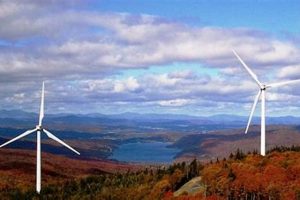
Transitioning to sustainable energy sources has various effects on the natural world, including reduced greenhouse gas emissions, decreased air and water pollution, and altered land use patterns. For example, substituting solar power for coal-fired electricity generation eliminates the release of harmful pollutants like sulfur dioxide and nitrogen oxides, improving air quality and reducing acid rain. Similarly, utilizing wind energy minimizes reliance on fossil fuels, contributing to a decrease in carbon emissions and mitigating climate change.
Mitigating the ecological footprint of energy production is crucial for the health of the planet and future generations. Shifting away from fossil fuels toward cleaner alternatives offers significant benefits such as cleaner air and water, reduced reliance on finite resources, and greater energy independence. Historically, energy production has been a major source of environmental degradation. The advent and increasing affordability of renewable energy technologies offer a path towards a more sustainable future.
This discussion will explore the multifaceted influences of different renewable energy sourcesincluding solar, wind, hydro, geothermal, and biomasson various aspects of the environment. Furthermore, it will delve into the challenges and opportunities associated with transitioning to a cleaner energy future, examining topics like land use, resource requirements, and ecological impacts.
Tips for Minimizing Environmental Impact Through Renewable Energy
Careful consideration and strategic implementation are crucial for maximizing the environmental benefits of renewable energy technologies. The following tips provide guidance on optimizing sustainable energy practices.
Tip 1: Conduct Thorough Site Assessments: Evaluating the potential environmental impacts of renewable energy projects before construction is essential. This includes assessing impacts on local ecosystems, wildlife, and water resources.
Tip 2: Prioritize Energy Efficiency: Reducing overall energy consumption minimizes the demand for new energy generation, regardless of the source. Implementing energy-efficient technologies and practices should accompany the transition to renewables.
Tip 3: Promote Sustainable Land Use Practices: Minimize land disturbance during the construction and operation of renewable energy facilities. Explore opportunities for co-locating renewable energy projects with existing infrastructure or compatible land uses.
Tip 4: Consider Lifecycle Impacts: Evaluate the environmental footprint of renewable energy technologies throughout their entire lifecycle, from raw material extraction and manufacturing to decommissioning and disposal.
Tip 5: Support Responsible Manufacturing and Sourcing: Choose renewable energy products and components from manufacturers committed to sustainable practices, minimizing the environmental impact of production processes.
Tip 6: Invest in Research and Development: Continued research and development are vital for improving the efficiency, affordability, and environmental performance of renewable energy technologies.
Tip 7: Foster Community Engagement: Open communication and collaboration with local communities are essential for ensuring the successful and sustainable integration of renewable energy projects.
Adopting these strategies can help ensure that the transition to renewable energy sources maximizes environmental benefits while mitigating potential negative impacts. Careful planning and responsible implementation are key to a sustainable energy future.
By understanding and addressing the multifaceted interactions between renewable energy and the environment, a truly sustainable energy future can be achieved.
1. Reduced Greenhouse Gas Emissions

A primary environmental benefit of renewable energy is the substantial reduction in greenhouse gas emissions compared to fossil fuel-based energy generation. This reduction plays a critical role in mitigating climate change and its associated impacts. Exploring the facets of this reduction provides a deeper understanding of how renewable energy positively affects the environment.
- Decreased Reliance on Fossil Fuels
Renewable energy sources, such as solar, wind, and hydro, displace the need for fossil fuels in electricity generation. This displacement directly reduces emissions of carbon dioxide (CO2), methane (CH4), and nitrous oxide (N2O), potent greenhouse gases contributing to global warming. For example, replacing a coal-fired power plant with a wind farm eliminates the CO2 emissions associated with coal combustion.
- Mitigation of Climate Change Impacts
Lowering greenhouse gas concentrations in the atmosphere helps mitigate the effects of climate change, including rising global temperatures, sea-level rise, and extreme weather events. Transitioning to renewable energy is a crucial step in limiting the magnitude of these impacts and safeguarding vulnerable ecosystems and communities.
- Improved Air Quality
Reduced reliance on fossil fuels also leads to improved air quality. Fossil fuel combustion releases pollutants such as sulfur dioxide (SO2) and nitrogen oxides (NOx), which contribute to respiratory problems and acid rain. Renewable energy sources, being inherently cleaner, minimize these air pollutants, promoting public health and environmental well-being.
- Enhanced Energy Security
Many renewable energy resources are domestically available, reducing dependence on imported fossil fuels. This enhanced energy independence strengthens national energy security and reduces vulnerability to geopolitical instability and fluctuating fuel prices. This stability further supports the long-term viability of renewable energy investments and accelerates the transition towards a sustainable energy future.
The reduction in greenhouse gas emissions achieved through the adoption of renewable energy technologies offers a multifaceted positive impact on the environment. From mitigating climate change and improving air quality to enhancing energy security, this reduction is a cornerstone of a sustainable energy future and a critical component of addressing global environmental challenges.
2. Improved Air and Water Quality

Renewable energy sources offer significant improvements to air and water quality compared to conventional fossil fuel-based energy generation. This positive impact is a crucial aspect of how renewable energy benefits the environment and public health. Examining the specific ways renewable energy contributes to cleaner air and water provides a deeper understanding of its environmental advantages.
- Reduced Air Pollutants
Renewable energy technologies produce minimal to no air pollutants such as sulfur dioxide (SO2), nitrogen oxides (NOx), particulate matter (PM), and mercury. These pollutants, commonly associated with fossil fuel combustion, contribute to respiratory illnesses, cardiovascular problems, and acid rain. Utilizing wind, solar, and hydro power significantly decreases these harmful emissions, improving air quality and public health, particularly in densely populated areas.
- Protection of Water Resources
Unlike fossil fuel extraction and processing, which can contaminate water sources through spills, leaks, and runoff, many renewable energy technologies have minimal impact on water resources. Solar and wind power, for example, require very little water for operation, reducing stress on water supplies, especially in arid or semi-arid regions. This preservation of water quality is crucial for both human consumption and ecosystem health.
- Mitigation of Acid Rain
Fossil fuel combustion releases sulfur dioxide and nitrogen oxides into the atmosphere, forming acid rain. Acid rain damages forests, acidifies lakes and streams, and harms aquatic life. Renewable energy sources, by eliminating these emissions, mitigate acid rain and its detrimental environmental effects, preserving sensitive ecosystems and biodiversity.
- Decreased Heavy Metal Contamination
Fossil fuel combustion releases heavy metals such as mercury into the environment, accumulating in the food chain and posing risks to human health, particularly through fish consumption. Renewable energy sources avoid this contamination, safeguarding both human health and the integrity of ecosystems.
The improved air and water quality associated with renewable energy technologies represent substantial environmental and public health benefits. By minimizing harmful emissions and protecting water resources, the transition to renewable energy contributes significantly to a healthier and more sustainable environment. These improvements are integral to the overall positive impact of renewable energy on the planet and are vital for ensuring a cleaner and healthier future.
3. Land Use Changes
Renewable energy technologies, while offering significant environmental advantages, necessitate land use changes with varying ecological consequences. Understanding these land use implications is crucial for minimizing environmental impact and ensuring sustainable implementation of renewable energy projects. This section explores the multifaceted relationship between land use changes and the environmental impact of renewable energy.
- Land Requirements for Energy Generation
Different renewable energy technologies have distinct land requirements. Large-scale solar farms and wind farms, for instance, require substantial land areas for installation. Hydropower projects involve dam construction and reservoir creation, altering river flows and potentially inundating surrounding land. Evaluating the land requirements of various renewable energy technologies is essential for optimizing land use efficiency and minimizing ecological disruption.
- Habitat Modification and Fragmentation
The construction and operation of renewable energy facilities can modify or fragment natural habitats, impacting wildlife populations. Large-scale solar farms can alter desert ecosystems, while wind turbines can pose collision risks for birds and bats. Careful site selection, environmental impact assessments, and mitigation strategies are crucial for minimizing habitat disruption and protecting biodiversity.
- Impact on Agricultural Land
Renewable energy projects can compete with agricultural land use, potentially impacting food production. However, agrivoltaics, the co-location of solar panels and agricultural activities, presents an innovative solution, allowing for simultaneous land use for both energy generation and crop cultivation. Exploring such integrated approaches is crucial for balancing energy production with food security.
- Visual and Noise Impacts
Wind turbines and large-scale solar farms can have visual impacts on landscapes, raising aesthetic concerns for some communities. Wind turbines can also generate noise, potentially affecting nearby residents. Careful project siting and design, along with community engagement, are essential for addressing these concerns and minimizing potential conflicts.
Understanding the land use implications of renewable energy development is essential for maximizing its environmental benefits while minimizing potential negative impacts. Strategic planning, thoughtful site selection, and ongoing monitoring are crucial for ensuring that the transition to renewable energy contributes to a truly sustainable future. Balancing the benefits of clean energy with the potential for land use conflicts requires a comprehensive approach considering both ecological and societal needs.
4. Ecosystem Impacts
Renewable energy development, while crucial for mitigating climate change, can have multifaceted impacts on ecosystems. Understanding these impacts is essential for responsible and sustainable implementation of renewable energy technologies. This section explores the complex relationship between renewable energy development and its effects on various ecological components.
- Altered Wildlife Habitats
Construction of renewable energy facilities, such as wind farms and solar power plants, can alter wildlife habitats. For example, wind turbines can fragment habitats and pose collision risks for birds and bats. Solar farms can alter desert ecosystems by changing ground temperatures and vegetation patterns. Careful siting and mitigation strategies are crucial to minimize habitat disruption and protect vulnerable species.
- Changes in Water Resources
Hydropower projects, while providing clean energy, can significantly alter river flows and water availability downstream, impacting aquatic ecosystems and riparian habitats. Dam construction can also block fish migration routes and alter sediment transport, affecting downstream ecosystems and delta formation. Understanding these impacts is crucial for making informed decisions about hydropower development and implementing appropriate mitigation measures.
- Land Use Conversion and Fragmentation
Large-scale renewable energy projects can lead to land use conversion and habitat fragmentation. Converting natural landscapes into solar or wind farms can displace native vegetation and wildlife, reducing biodiversity. Careful planning and site selection are essential for minimizing land use conflicts and preserving ecological integrity.
- Potential for Soil Erosion and Degradation
Construction activities associated with renewable energy projects can disturb soil, increasing the risk of erosion and degradation. Proper soil management practices during construction and operation are crucial for minimizing these impacts and maintaining soil health. Erosion control measures, such as revegetation and sediment barriers, can help protect soil resources and prevent water pollution.
The ecosystem impacts of renewable energy development underscore the need for careful planning, thorough environmental assessments, and robust mitigation strategies. Balancing the benefits of clean energy with the potential for ecological disruption requires a comprehensive approach that considers both energy needs and ecosystem health. By understanding and addressing these complex interactions, a truly sustainable energy future can be achieved.
5. Resource Requirements

Renewable energy technologies, while offering a cleaner alternative to fossil fuels, require specific resources for their manufacturing, deployment, and maintenance. Understanding these resource requirements is crucial for assessing the full environmental impact of renewable energy and promoting sustainable practices throughout its lifecycle. Examining the specific resources needed for various renewable energy technologies provides a comprehensive perspective on their environmental footprint.
- Raw Materials
Manufacturing solar panels, wind turbines, and other renewable energy components requires various raw materials, including silicon, steel, copper, aluminum, and rare earth elements. The extraction and processing of these materials can have environmental impacts, such as habitat disruption, water pollution, and greenhouse gas emissions. For example, mining for rare earth elements, essential for certain types of wind turbines and electric vehicle batteries, can generate significant amounts of toxic waste. Promoting responsible sourcing and recycling of these materials is crucial for minimizing the environmental footprint of renewable energy production.
- Water Consumption
While generally requiring less water than conventional power plants, some renewable energy technologies still have water-related impacts. Concentrated solar power plants, for example, consume significant amounts of water for cooling. Hydropower projects require large reservoirs, which can affect water availability downstream and alter aquatic ecosystems. Careful water management and consideration of water availability are essential for minimizing the water footprint of renewable energy.
- Land Use
Renewable energy technologies, particularly solar and wind farms, require substantial land areas for installation. This land use can potentially compete with other land uses, such as agriculture and conservation. Minimizing land use impacts requires careful site selection, co-locating renewable energy projects with existing infrastructure when possible, and exploring innovative approaches like agrivoltaics, which combines solar energy generation with agricultural activities.
- Energy Input for Manufacturing
Producing renewable energy technologies requires energy input for manufacturing and transportation. This energy input contributes to the overall lifecycle emissions of renewable energy systems. However, lifecycle assessments demonstrate that the emissions associated with manufacturing renewable energy technologies are significantly lower than the emissions avoided through their use, resulting in a substantial net reduction in greenhouse gas emissions.
Evaluating the resource requirements of renewable energy technologies provides critical insights into their overall environmental impact. By understanding the specific materials and resources needed, as well as the potential environmental consequences associated with their extraction and processing, strategies can be developed to minimize these impacts and promote a more sustainable approach to renewable energy development. This understanding supports a comprehensive approach to environmental stewardship, balancing the benefits of clean energy with responsible resource management.
6. Waste Management

Waste management plays a crucial role in the overall environmental impact of renewable energy technologies. While these technologies offer significant advantages in reducing greenhouse gas emissions and improving air and water quality, they generate waste streams that require careful consideration and responsible management. Addressing these waste streams effectively is essential for minimizing the environmental footprint of renewable energy and ensuring its long-term sustainability. The connection between waste management and renewable energy’s environmental impact manifests throughout the lifecycle of these technologies, from manufacturing to decommissioning.
The manufacturing process for renewable energy components, such as solar panels and wind turbine blades, generates various waste materials. These include silicon dust, metal scraps, and composite materials. Improper disposal of these materials can lead to soil and water contamination, posing risks to human health and ecosystems. Furthermore, the increasing deployment of renewable energy technologies necessitates strategies for managing end-of-life components. For example, decommissioned solar panels contain potentially harmful materials like lead and cadmium, requiring specialized recycling processes to recover valuable resources and prevent environmental contamination. Similarly, wind turbine blades, often made of composite materials, present recycling challenges due to their size and complex composition. Developing innovative recycling technologies and infrastructure is crucial for addressing these challenges and minimizing the environmental burden of renewable energy waste.
Effective waste management practices are essential for mitigating the environmental impacts associated with renewable energy technologies. This includes implementing strategies for reducing waste generation during manufacturing, promoting the use of recycled materials in component production, and developing efficient recycling and disposal methods for end-of-life components. Furthermore, establishing closed-loop systems, where waste materials are reused or recycled within the renewable energy industry, offers a pathway towards greater resource efficiency and reduced environmental impact. Addressing the waste management challenges associated with renewable energy is vital for ensuring the long-term sustainability of these technologies and maximizing their environmental benefits. By integrating robust waste management practices into the lifecycle of renewable energy, a truly circular economy can be fostered, minimizing environmental impact and promoting resource conservation.
Frequently Asked Questions
This section addresses common inquiries regarding the environmental effects of renewable energy technologies, providing concise and informative responses.
Question 1: Do renewable energy sources have zero environmental impact?
While significantly cleaner than fossil fuels, renewable energy technologies are not entirely without environmental impact. Their production and implementation can involve land use changes, resource extraction, and waste generation. However, lifecycle assessments consistently demonstrate that the overall environmental benefits of renewable energy far outweigh these impacts.
Question 2: How does land use for renewable energy compare to that of fossil fuels?
Land use requirements vary depending on the specific technology. While large-scale solar and wind farms require significant land areas, they often have less impact on ecosystems than fossil fuel extraction, which can involve deforestation, mountaintop removal mining, and habitat destruction.
Question 3: What are the primary environmental benefits of transitioning to renewable energy?
Key benefits include reduced greenhouse gas emissions, mitigating climate change, improved air and water quality, reduced reliance on finite fossil fuel resources, and enhanced energy security.
Question 4: What challenges are associated with integrating renewable energy into existing infrastructure?
Challenges include the intermittent nature of solar and wind power, requiring energy storage solutions or grid management strategies; the need for transmission infrastructure to transport renewable energy from generation sites to consumption centers; and the potential for land use conflicts.
Question 5: How can the environmental impacts of renewable energy be minimized?
Minimizing impacts involves careful site selection for renewable energy projects, minimizing land disturbance during construction and operation, promoting responsible manufacturing and sourcing of materials, and developing efficient recycling and waste management strategies.
Question 6: What role does energy efficiency play in the transition to a sustainable energy future?
Improving energy efficiency is crucial for reducing overall energy demand, minimizing the need for new energy generation from any source, and maximizing the benefits of renewable energy integration.
Understanding the environmental implications of renewable energy is crucial for informed decision-making and responsible implementation. Continued research, technological advancements, and sustainable practices are essential for maximizing the environmental benefits of renewable energy and building a sustainable energy future.
For further exploration, the subsequent sections will delve into specific renewable energy technologies and their distinct environmental considerations.
Conclusion
Exploration of the multifaceted relationship between renewable energy and the environment reveals significant advantages in mitigating climate change, improving air and water quality, and enhancing energy security. However, responsible implementation requires careful consideration of potential ecological impacts, including land use changes, habitat modifications, and resource requirements. Balancing the benefits of clean energy with potential environmental trade-offs necessitates comprehensive lifecycle assessments, strategic planning, and ongoing monitoring.
Transitioning to a sustainable energy future requires not only technological innovation but also a commitment to responsible resource management, ecosystem protection, and community engagement. The ongoing evolution of renewable energy technologies, coupled with informed policy decisions and sustainable practices, offers a path toward a cleaner, healthier, and more secure energy landscape for generations to come. Continued exploration of sustainable energy solutions is essential for addressing global environmental challenges and ensuring a resilient future.