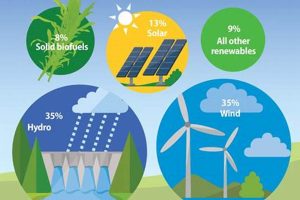
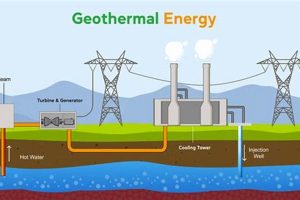
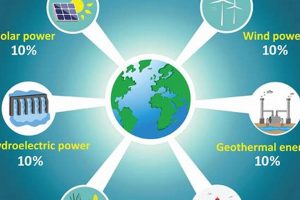
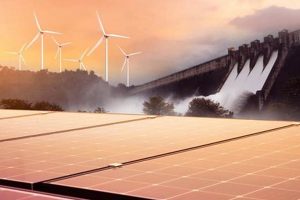
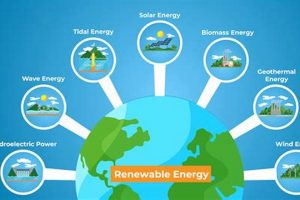
The integration of sustainable power generation methods represents a significant shift in energy infrastructure. This involves implementing technologies that harness naturally replenishing resources, like solar, wind, hydro, and geothermal power, to meet energy demands. For example, a utility company might invest in a solar farm to generate electricity instead of relying on fossil fuel-based power plants.
This transition is crucial for mitigating climate change, reducing air pollution, and enhancing energy security. Historically, reliance on finite resources has created geopolitical instability and environmental degradation. The move towards sustainable alternatives offers a pathway to a more resilient and environmentally responsible energy future, promoting long-term economic and ecological well-being by reducing dependence on volatile global fuel markets and minimizing the environmental impacts associated with traditional energy production.
The following sections will explore the various challenges and opportunities associated with implementing sustainable power generation methods, focusing on policy frameworks, technological advancements, and economic considerations that influence its widespread acceptance and impact.
Guidance for Embracing Sustainable Power
This section provides practical guidance for entities contemplating a transition towards sustainable energy solutions, outlining key considerations and strategic approaches.
Tip 1: Conduct a Comprehensive Energy Audit. Before any significant investment, a thorough assessment of current energy consumption patterns is essential. This audit should identify areas of inefficiency and potential for reduction, providing a baseline for measuring the impact of subsequent changes. For example, an industrial facility might discover significant energy losses due to outdated equipment or poor insulation.
Tip 2: Evaluate Available Renewable Technologies. Carefully assess the suitability of different technologies based on geographic location, resource availability, and energy needs. Solar energy might be optimal in regions with high solar irradiance, while wind power may be more effective in areas with consistent wind patterns. A thorough feasibility study is crucial to determining the most appropriate options.
Tip 3: Secure Government Incentives and Funding. Many governments offer financial incentives, tax credits, and grants to encourage the integration of sustainable power sources. Investigating and securing these opportunities can significantly reduce the upfront costs and improve the financial viability of projects. For example, a business could apply for a federal tax credit for installing a solar panel system.
Tip 4: Prioritize Energy Storage Solutions. The intermittent nature of some renewable sources necessitates the implementation of effective energy storage solutions. Battery storage systems, pumped hydro storage, or thermal energy storage can help to ensure a consistent and reliable power supply, even when the sun isn’t shining or the wind isn’t blowing. Consider pairing renewable generation with storage to improve grid stability.
Tip 5: Engage with Local Communities. Successful integration often requires community support and engagement. Addressing concerns about visual impact, noise pollution, or land use can help to build positive relationships and facilitate project approval. Transparent communication and consultation are key to fostering community acceptance.
Tip 6: Implement Smart Grid Technologies. Integrate smart grid technologies to optimize energy distribution and improve grid efficiency. Smart meters, advanced sensors, and automated control systems can help to balance supply and demand, reduce transmission losses, and enhance grid resilience. This improves the overall integration of variable generation sources.
These guidelines offer a starting point for a strategic approach to sustainable power. By carefully considering these aspects, organizations and individuals can effectively contribute to a more sustainable energy future, reducing their environmental impact and enhancing their long-term energy security.
The following sections will delve into potential challenges and innovative solutions that can arise during this process, contributing to a well-rounded understanding.
1. Policy Incentives

Policy incentives play a pivotal role in accelerating the transition to sustainable power generation. These mechanisms are designed to mitigate financial risks, stimulate investment, and create a level playing field for sustainable alternatives in energy markets.
- Feed-in Tariffs (FITs)
Feed-in tariffs guarantee a fixed price for electricity generated from renewable sources, providing long-term revenue certainty for investors. Germany’s Energiewende program, for instance, successfully deployed FITs, driving significant growth in solar and wind capacity. However, poorly designed FITs can lead to overcompensation and increased electricity prices, necessitating careful calibration and review.
- Tax Credits and Rebates
Tax credits and rebates reduce the initial capital costs of sustainable energy projects, making them more financially attractive. The U.S. Investment Tax Credit (ITC) for solar energy has been instrumental in fostering the growth of the solar industry by directly lowering the cost of installation for businesses and homeowners. These mechanisms, however, require sustained government support to remain effective and can be subject to political fluctuations.
- Renewable Portfolio Standards (RPS)
Renewable Portfolio Standards mandate that a certain percentage of a utility’s electricity supply must come from sustainable sources. California’s RPS, one of the most ambitious in the United States, has spurred significant investment in sustainable technologies and accelerated the retirement of fossil fuel plants. RPS policies provide a consistent demand for sustainable energy, but their effectiveness relies on robust enforcement and well-defined eligibility criteria.
- Carbon Pricing Mechanisms
Carbon pricing mechanisms, such as carbon taxes and cap-and-trade systems, internalize the environmental costs of fossil fuel consumption, making sustainable alternatives more competitive. The European Union Emissions Trading System (EU ETS) aims to reduce greenhouse gas emissions by placing a price on carbon emissions, incentivizing companies to invest in cleaner technologies. The impact of carbon pricing depends on the price level and the breadth of its application, with higher prices and broader coverage generally leading to greater emission reductions.
In summation, effective implementation and design of policy incentives are necessary to effectively encourage widespread use of sustainable power generation. By addressing the economic barriers and creating a supportive regulatory environment, these measures can significantly accelerate the transition toward a more environmentally responsible and economically sustainable energy future. Continuously evaluating and adapting these policies is essential to maximize their impact and ensure that they remain effective in achieving their intended objectives.
2. Technology Advancements

Technology advancements are a primary driver in the integration of sustainable power generation methods. The cost-effectiveness and efficiency of solar, wind, and other sustainable technologies have improved dramatically due to innovations in materials science, engineering, and energy storage. These improvements directly impact the feasibility and attractiveness of sustainable energy for both utility-scale deployment and distributed generation applications. For example, the development of more efficient photovoltaic cells has lowered the cost per watt of solar energy, making it increasingly competitive with fossil fuel-based electricity generation. Similarly, advancements in wind turbine design, such as taller towers and larger rotor diameters, have increased energy capture and reduced the levelized cost of energy (LCOE) for wind power.
The development of advanced energy storage solutions, such as lithium-ion batteries and pumped hydro storage, addresses the intermittency challenge associated with variable sustainable resources like solar and wind. These storage technologies allow for the capture and storage of excess energy during periods of high generation and release it when demand is high, but sustainable generation is low. This enhanced grid stability and reliability further supports the broader acceptance and incorporation of sustainable power generation into existing energy infrastructure. Furthermore, smart grid technologies, including advanced metering infrastructure (AMI) and demand response systems, enable more effective management of energy flows and optimize the utilization of sustainable resources.
In conclusion, ongoing innovation across various technological fronts is critical for continued advancements in sustainable energy. Future research and development efforts should focus on further reducing costs, improving performance, and addressing the integration challenges associated with wide-scale adoption. Investment in these areas is essential to achieving a sustainable and resilient energy future, where sustainable power generation plays a central role in meeting global energy demands while minimizing environmental impact.
3. Infrastructure Investment

The integration of sustainable power generation is critically dependent upon strategic infrastructure investment. Robust and well-planned infrastructure facilitates the efficient transmission, distribution, and integration of sustainable energy sources, thereby enabling broader adoption and maximizing their potential impact.
- Grid Modernization
Upgrading existing electrical grids is essential to accommodate the variable output of many sustainable resources. Smart grids equipped with advanced sensors, communication networks, and control systems enhance grid stability, reduce transmission losses, and enable real-time monitoring and management of energy flows. For example, deploying smart meters allows utilities to better manage demand and integrate distributed generation from sources like rooftop solar panels.
- Transmission Line Expansion
Many prime locations for sustainable energy generation, such as windy plains or sunny deserts, are far from major population centers. Expanding high-voltage transmission lines is necessary to transport sustainably generated electricity to areas with high demand. The construction of new transmission lines, such as those connecting remote wind farms to urban load centers, is a vital but often challenging undertaking due to permitting issues and environmental concerns.
- Energy Storage Facilities
Investing in energy storage infrastructure is crucial for addressing the intermittency of solar and wind power. Large-scale battery storage systems, pumped hydro storage facilities, and thermal energy storage plants help to smooth out the fluctuations in sustainable generation and provide a reliable power supply. For instance, a pumped hydro storage plant can store excess energy generated during off-peak hours and release it during peak demand, improving grid stability and reducing the need for dispatchable fossil fuel power plants.
- Charging Infrastructure for Electric Vehicles
The transition to electric vehicles (EVs) necessitates a widespread network of charging stations to support the growing EV fleet. Investing in public and private charging infrastructure, including fast-charging stations along major transportation corridors, is essential to encourage EV adoption and reduce reliance on gasoline-powered vehicles. The development of smart charging technologies, which can coordinate EV charging with grid conditions, further enhances the efficiency and sustainability of the transportation sector.
In conclusion, strategic infrastructure investment is a critical enabler of sustainable power adoption. Modernizing grids, expanding transmission capacity, deploying energy storage facilities, and building charging infrastructure are all essential components of a comprehensive approach to facilitating the widespread integration of sustainable energy sources and realizing their full potential to deliver a cleaner, more reliable, and sustainable energy future. Without adequate infrastructure, the benefits of sustainable technologies cannot be fully realized.
4. Economic Viability

The economic viability of sustainable power generation is a central determinant in its widespread adoption. It encompasses the financial considerations, market forces, and cost-benefit analyses that influence the investment decisions of governments, businesses, and individuals regarding sustainable energy technologies.
- Levelized Cost of Energy (LCOE)
LCOE is a metric that calculates the total cost of an energy-generating asset over its lifetime divided by the total energy produced. A lower LCOE signifies greater economic competitiveness. The decreasing LCOE of solar and wind energy, driven by technological advancements and economies of scale, has made them increasingly competitive with traditional fossil fuels. For instance, the LCOE of utility-scale solar PV has fallen dramatically in recent years, making it an economically attractive option in many regions. This trend is critical for the economic justification of sustainable projects.
- Return on Investment (ROI)
ROI assesses the profitability of an investment relative to its cost. Projects with high ROI are more likely to attract funding and be implemented. Government incentives, such as tax credits and feed-in tariffs, enhance the ROI of sustainable energy projects, incentivizing investment. For example, a business considering installing a solar panel system will evaluate the ROI, taking into account the initial cost, energy savings, and available tax credits. Positive ROI prospects are crucial for driving private sector participation.
- Job Creation and Economic Growth
The sustainable energy sector creates new jobs in manufacturing, installation, maintenance, and research. These jobs contribute to economic growth and local development. Studies have shown that investments in sustainable energy can generate more jobs per dollar invested compared to fossil fuels. For instance, the development of a wind farm can create construction jobs, as well as long-term operation and maintenance positions. The potential for job creation strengthens the economic case for promoting and supporting sustainable power generation.
- External Costs of Fossil Fuels
Traditional fossil fuel energy sources impose significant external costs, including air pollution, public health impacts, and climate change-related damages. These costs are often not fully reflected in the price of electricity, leading to market distortions. Sustainable energy sources have lower external costs, as they produce less pollution and greenhouse gas emissions. Accounting for these external costs through carbon pricing mechanisms or regulations can improve the economic competitiveness of sustainable technologies. For example, implementing a carbon tax can make fossil fuel electricity more expensive, thereby enhancing the economic attractiveness of solar and wind power.
The economic viability of sustainable power generation is not solely about initial costs but also about long-term benefits, including reduced operating expenses, job creation, and mitigation of environmental externalities. As technology continues to improve and policies evolve to internalize the true costs of fossil fuels, sustainable energy is poised to become an increasingly attractive economic choice, driving its adoption across various sectors and regions.
5. Grid Modernization

The effective integration of renewable energy sources necessitates a concurrent modernization of existing electrical grids. Sustainable energy sources, particularly solar and wind, often exhibit variable and intermittent generation patterns. Therefore, the traditional grid infrastructure, designed for unidirectional power flow from centralized generation sources, requires significant upgrades to accommodate and optimize the integration of these distributed and variable sources.
- Advanced Metering Infrastructure (AMI)
AMI encompasses smart meters and communication networks that enable real-time monitoring of energy consumption and generation. These systems provide utilities with granular data on energy demand and supply, facilitating more efficient grid management. For example, AMI allows utilities to identify and respond to fluctuations in renewable energy generation, enabling them to balance supply and demand more effectively. The deployment of AMI is essential for supporting distributed generation from sources like rooftop solar panels.
- Smart Grid Technologies
Smart grid technologies utilize advanced sensors, control systems, and communication networks to enhance grid reliability, efficiency, and resilience. These technologies enable dynamic pricing, demand response programs, and automated fault detection and recovery. For instance, demand response programs incentivize consumers to reduce their energy consumption during peak periods, helping to alleviate stress on the grid and accommodate increased renewable energy generation. Such capabilities are critical for managing the variable output of solar and wind energy sources.
- Enhanced Cybersecurity
A modernized grid incorporates robust cybersecurity measures to protect against cyberattacks and ensure the reliable operation of the power system. As grids become more interconnected and reliant on digital technologies, they become increasingly vulnerable to cyber threats. Strengthening cybersecurity protocols, implementing advanced intrusion detection systems, and conducting regular security audits are essential for safeguarding the grid and preventing disruptions. The security of the grid is paramount for maintaining public trust and ensuring the stable integration of renewable energy resources.
- Energy Storage Integration
Grid modernization efforts often include the integration of energy storage systems, such as batteries and pumped hydro storage, to address the intermittency of renewable energy sources. These storage systems can store excess energy generated during periods of high generation and release it when demand is high and sustainable generation is low. For example, a battery storage system can smooth out the fluctuations in solar energy production, providing a more reliable and predictable power supply. The deployment of energy storage technologies is crucial for enabling higher penetrations of renewable energy into the grid.
In conclusion, grid modernization is not merely an enhancement but a prerequisite for effectively integrating sustainable power generation. These modernizations encompass various technological, infrastructural, and cybersecurity upgrades that collectively enable the grid to manage the variable nature of renewable energy sources, improve reliability, and optimize energy flows. Without these enhancements, the full potential of sustainable energy sources cannot be realized, and the transition to a cleaner, more sustainable energy future will be significantly hindered.
6. Environmental Benefits

The transition toward sustainable power generation presents significant environmental advantages, addressing critical issues such as air and water pollution, climate change, and ecosystem degradation. These benefits are realized through the replacement of fossil fuel-based energy sources with technologies that harness renewable resources and produce minimal or no emissions during operation, contributing to a healthier and more sustainable environment.
- Reduced Air Pollution
Fossil fuel combustion releases harmful pollutants into the atmosphere, including particulate matter, sulfur dioxide, and nitrogen oxides, which contribute to respiratory illnesses, cardiovascular diseases, and other health problems. Sustainable energy sources, such as solar, wind, and hydro, produce minimal air pollution during operation, leading to improved air quality and reduced health risks. For instance, replacing a coal-fired power plant with a wind farm can significantly decrease the levels of air pollutants in the surrounding region, resulting in direct health benefits for local communities.
- Mitigation of Climate Change
The burning of fossil fuels is a primary driver of climate change, releasing greenhouse gases, such as carbon dioxide, into the atmosphere and trapping heat. Sustainable energy sources offer a low-carbon alternative, reducing greenhouse gas emissions and mitigating the impacts of climate change, including rising sea levels, extreme weather events, and disruptions to ecosystems. The widespread adoption of sustainable technologies is essential for meeting global climate goals and limiting the long-term effects of climate change. A shift to sustainable solutions represents a pivotal strategy in reducing our carbon footprint.
- Water Conservation
Many conventional power plants, especially coal and nuclear facilities, require large volumes of water for cooling purposes, leading to water scarcity and competition for water resources. Sustainable energy sources, such as solar photovoltaic and wind power, generally have lower water consumption requirements, reducing the strain on water resources and minimizing the impacts on aquatic ecosystems. For example, a concentrated solar power plant with dry cooling technology can significantly reduce water usage compared to a traditional coal-fired plant, making it a more water-efficient option.
- Ecosystem Preservation
Fossil fuel extraction and transportation can have detrimental impacts on ecosystems, including habitat destruction, oil spills, and water contamination. Sustainable energy sources offer a less disruptive alternative, minimizing these negative impacts and promoting ecosystem preservation. For instance, the development of offshore wind farms must carefully consider potential impacts on marine ecosystems, but compared to offshore oil drilling, the environmental risks are generally lower. The responsible siting and operation of sustainable energy facilities are crucial for protecting biodiversity and maintaining ecosystem health.
These multifaceted benefits underscore the environmental imperative of the sustainable power generation. By reducing pollution, mitigating climate change, conserving water, and preserving ecosystems, the adoption of sustainable solutions contributes to a healthier and more sustainable planet for current and future generations.
7. Energy Security

The adoption of renewable energy sources directly impacts a nation’s energy security. Energy security is defined as the uninterrupted availability of energy sources at an affordable price. Reliance on a limited number of fossil fuel suppliers, often concentrated in specific geographic regions, exposes nations to geopolitical risks, price volatility, and supply disruptions. Diversifying the energy mix by incorporating renewable sources, which are often domestically available, mitigates these vulnerabilities.
The integration of solar, wind, hydro, and geothermal power reduces dependence on imported fossil fuels, enhancing a country’s energy independence. For example, Germany’s Energiewende policy, which promotes renewable energy development, aims to decrease reliance on Russian gas imports. Similarly, countries with abundant solar resources, such as Australia, can improve energy security by increasing solar energy generation. A diversified energy portfolio, including multiple renewable sources, further strengthens resilience by reducing dependence on any single energy technology or resource. Distributed generation models, where renewable energy is produced closer to the point of consumption, can also reduce transmission losses and enhance grid resilience in the face of natural disasters or other disruptions.
Ultimately, adopting renewable energy sources is not merely an environmental imperative but also a strategic move to bolster energy security. By investing in domestically available resources and diversifying the energy mix, nations can mitigate geopolitical risks, stabilize energy prices, and ensure a reliable energy supply for their citizens and economies. Overcoming challenges related to intermittency and grid integration is essential to fully realize the energy security benefits of renewable energy. A well-planned transition toward sustainable energy is crucial for long-term stability.
Frequently Asked Questions
This section addresses common queries and misconceptions surrounding the implementation of sustainable power generation, providing objective and informative answers.
Question 1: What are the primary barriers to widespread adoption of renewable energy sources?
The principal challenges include the intermittency of certain sources (e.g., solar and wind), the initial capital costs associated with infrastructure development, the need for grid modernization to accommodate distributed generation, and regulatory hurdles that can impede project development. Public perception and concerns regarding visual impact or land use can also present obstacles.
Question 2: How does energy storage contribute to the effective integration of renewable energy sources?
Energy storage systems, such as batteries, pumped hydro, and thermal storage, mitigate the variability of renewable energy sources by storing excess energy during periods of high generation and releasing it during periods of low generation or high demand. This enhances grid stability, reduces reliance on dispatchable fossil fuel plants, and enables a higher penetration of renewable energy into the grid.
Question 3: What role do governmental policies play in accelerating the adoption of renewable energy sources?
Governmental policies, including feed-in tariffs, tax credits, renewable portfolio standards, and carbon pricing mechanisms, create a supportive regulatory and economic environment for renewable energy investments. These policies reduce financial risks, incentivize private sector participation, and level the playing field for sustainable energy technologies compared to fossil fuels.
Question 4: How does the Levelized Cost of Energy (LCOE) impact the competitiveness of renewable energy sources?
LCOE, which represents the total cost of an energy-generating asset over its lifetime divided by the total energy produced, is a key metric for assessing the economic viability of energy sources. The declining LCOE of solar and wind energy has made them increasingly competitive with traditional fossil fuels, driving investment and adoption in many regions.
Question 5: What are the environmental advantages of transitioning to renewable energy sources?
The environmental benefits include reduced air and water pollution, mitigation of climate change through decreased greenhouse gas emissions, conservation of water resources, and preservation of ecosystems. Renewable energy sources offer a cleaner and more sustainable alternative to fossil fuels, minimizing the negative impacts of energy production on the environment.
Question 6: How does adopting renewable energy sources enhance energy security?
Renewable energy sources, often domestically available, reduce reliance on imported fossil fuels, mitigating geopolitical risks and price volatility. Diversifying the energy mix with renewable sources strengthens a nation’s energy independence and ensures a more reliable and affordable energy supply.
These responses provide a foundational understanding of the key aspects and considerations surrounding the implementation of sustainable power generation.
The subsequent sections will delve into specific case studies and real-world examples that illustrate the practical application and impact of the insights shared.
Conclusion
This exploration has detailed the multifaceted considerations inherent in adopting renewable energy sources. From the critical importance of supportive policy frameworks and technological advancements to the necessity of strategic infrastructure investments and the demonstrable economic viability of sustainable technologies, the analysis underscores a complex but achievable transition. The environmental benefits, coupled with the enhancement of energy security, provide compelling justification for prioritizing the integration of renewable resources.
The pursuit of a sustainable energy future demands sustained commitment from governments, industries, and individuals. Continued research, development, and deployment of renewable technologies, coupled with proactive adaptation of energy grids and regulatory landscapes, will be essential. A future powered by clean, reliable, and secure energy sources is not only environmentally responsible but also strategically advantageous in an increasingly interconnected and resource-constrained world.