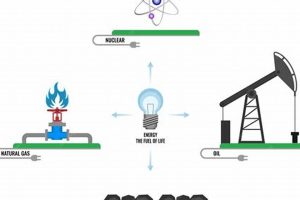
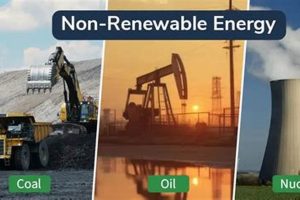
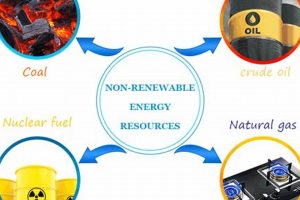
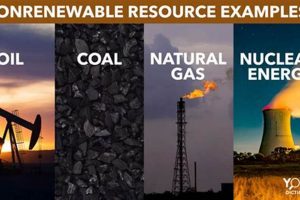
Certain energy sources are finite and depletable, meaning their reserves are limited and cannot be replenished within a human timescale. These resources, derived from geological processes that occurred over millions of years, include fossil fuels such as coal, oil, and natural gas, as well as nuclear fuels like uranium. For example, coal is formed from ancient plant matter subjected to intense pressure and heat over vast periods.
Historically, these finite resources have fueled industrialization and powered modern societies. Their concentrated energy density and relative ease of extraction and utilization have made them essential for transportation, electricity generation, and various industrial processes. However, their finite nature necessitates a transition to more sustainable alternatives to ensure long-term energy security and mitigate environmental impacts.
The following sections will delve into the specific characteristics, advantages, and disadvantages of each of these finite resources, along with a discussion of their environmental consequences and the ongoing efforts to develop sustainable energy solutions.
Practical Steps for Engaging with Finite Energy Sources Responsibly
Given the finite nature of certain energy resources, responsible utilization and proactive exploration of alternatives are crucial. The following recommendations provide guidance for individuals, communities, and industries seeking to navigate the energy landscape effectively.
Tip 1: Optimize Energy Efficiency: Reducing energy consumption through improved building insulation, energy-efficient appliances, and optimized industrial processes minimizes reliance on finite resources.
Tip 2: Support Renewable Energy Development: Investing in and advocating for renewable energy technologies, such as solar, wind, and hydropower, accelerates the transition to a sustainable energy future.
Tip 3: Advocate for Responsible Resource Management: Promoting policies and practices that prioritize responsible extraction, minimize environmental impact, and ensure equitable access to energy resources are essential.
Tip 4: Invest in Research and Innovation: Supporting research and development of advanced energy technologies, including energy storage solutions and carbon capture methods, is vital for long-term sustainability.
Tip 5: Promote Energy Literacy: Educating individuals and communities about energy sources, consumption patterns, and the importance of conservation empowers informed decision-making and responsible energy use.
Tip 6: Diversify Energy Portfolios: Reducing dependence on any single energy source by diversifying energy portfolios enhances energy security and resilience.
By embracing these strategies, individuals and communities can contribute to a more sustainable energy future while mitigating the environmental impacts associated with finite resources.
These individual and collective actions pave the way for a responsible transition to a more sustainable energy landscape, as detailed in the concluding section.
1. Fossil Fuels

Fossil fuels represent a prominent category within non-renewable energy sources. Their formation over geological timescales and finite reserves underscore the importance of understanding their role in the current energy landscape and the need for transitioning to sustainable alternatives.
- Formation and Composition
Fossil fuels originate from the decomposition of organic matterplants and animalssubjected to intense pressure and heat over millions of years. Coal derives primarily from ancient plant matter, while oil and natural gas originate from marine organisms. The specific composition of each fuel varies based on the original organic material and the geological conditions during formation, influencing their energy content and potential environmental impacts upon combustion.
- Extraction and Utilization
Extraction methods for fossil fuels differ based on the resource and its geological location. Coal is typically mined, while oil and natural gas are extracted through drilling. These resources serve as primary energy sources for various applications, including electricity generation, transportation, and industrial processes. Their high energy density and established infrastructure contribute to their widespread use.
- Environmental Impacts
The combustion of fossil fuels releases greenhouse gases, primarily carbon dioxide, contributing to climate change. Other environmental concerns include air and water pollution from extraction and processing activities, habitat disruption, and potential spills. These impacts necessitate strategies for mitigating emissions and transitioning towards cleaner energy sources.
- Future of Fossil Fuels
While fossil fuels continue to play a significant role in the global energy mix, the finite nature of these resources and their environmental consequences are driving a shift toward renewable energy sources. Technological advancements, policy changes, and evolving consumer preferences are shaping the future energy landscape and the role of fossil fuels within it.
Understanding the formation, utilization, and environmental impacts of fossil fuels underscores their classification as non-renewable energy sources. The limitations and consequences associated with their continued use necessitate a transition towards sustainable alternatives to ensure long-term energy security and environmental sustainability.
2. Nuclear Fuels

Nuclear fuels constitute a distinct category within non-renewable energy sources, offering a unique set of characteristics, advantages, and challenges. Understanding their role in the broader energy landscape requires an examination of their specific properties and implications.
- Uranium and Nuclear Fission
Uranium, a naturally occurring radioactive element, serves as the primary fuel for nuclear power generation. Through nuclear fission, the splitting of uranium atoms, substantial energy is released. This process, while highly efficient, requires meticulous control and specialized infrastructure to ensure safe operation and prevent environmental contamination. The finite nature of uranium reserves necessitates responsible resource management and long-term planning.
- Nuclear Power Plants and Energy Generation
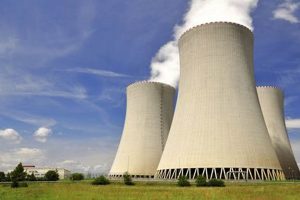
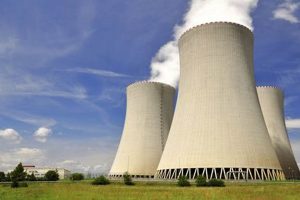
Nuclear power plants utilize the heat generated from nuclear fission to produce steam, which drives turbines to generate electricity. These facilities represent a significant source of carbon-free electricity, contributing to a reduction in greenhouse gas emissions compared to fossil fuel-based power generation. However, the long-term storage of radioactive waste remains a significant challenge requiring ongoing research and development of safe disposal solutions.
- Environmental Impacts and Safety Concerns
While nuclear power offers a carbon-free energy source, the potential for accidents and the long-term management of radioactive waste raise environmental and safety concerns. Strict regulations and advanced safety protocols are essential for mitigating these risks and ensuring responsible operation of nuclear facilities. The disposal of spent nuclear fuel requires careful consideration of geological stability and long-term isolation to minimize potential environmental contamination.
- Future of Nuclear Energy
The future of nuclear energy hinges on factors such as technological advancements in reactor design, waste management solutions, and public perception. Ongoing research explores advanced reactor technologies, including fast breeder reactors and fusion power, which offer the potential for enhanced safety, reduced waste generation, and increased efficiency. The role of nuclear energy in the future energy mix will depend on balancing its advantages with its inherent risks and challenges.
Nuclear fuels, despite their non-renewable nature, contribute significantly to the current energy mix. Their unique characteristics, including high energy density and carbon-free electricity generation, position them as a complex component of the ongoing transition to a more sustainable energy landscape. Balancing the benefits of nuclear power with the imperative for responsible waste management and stringent safety protocols remains crucial for informed decision-making regarding its role in the future of energy production.
3. Finite Resources

The concept of “finite resources” is intrinsically linked to the definition of non-renewable energy. Non-renewable energy sources are, by definition, finite; their availability is limited by the geological processes that formed them over millions of years. This finite nature distinguishes them from renewable resources like solar and wind energy, which are replenished continuously. For instance, the amount of coal, oil, and natural gas on Earth is finite; once consumed, these resources cannot be readily replaced within a human timescale. This finite nature necessitates responsible management, efficient utilization, and a proactive transition towards renewable alternatives.
The finite nature of these resources presents significant implications for long-term energy security and environmental sustainability. Continued reliance on finite resources raises concerns about resource depletion, price volatility, and geopolitical instability. The extraction and combustion of fossil fuels, in particular, contribute to greenhouse gas emissions and exacerbate climate change. Recognizing the finite nature of these resources underscores the urgency of investing in renewable energy technologies, improving energy efficiency, and developing sustainable energy policies.
Understanding the finite nature of non-renewable energy sources is paramount for informed decision-making regarding energy production and consumption. This understanding encourages the exploration and adoption of sustainable practices, technological innovation, and policy frameworks that promote a transition towards a more diversified and resilient energy future. Addressing the challenges posed by the finite nature of non-renewable resources is essential for ensuring long-term energy security, environmental stewardship, and sustainable development.
4. Depletable reserves
The concept of “depletable reserves” is fundamental to understanding non-renewable energy. Non-renewable energy sources exist in finite quantities, forming “reserves” that are depleted as they are extracted and consumed. This depletion is irreversible within practical human timescales, distinguishing these resources from renewable sources like solar or wind energy, which replenish naturally. For example, the extraction of oil from a reservoir progressively diminishes the remaining reserves, ultimately leading to depletion. Similarly, the mining of coal reduces the available reserves within a coal seam. This characteristic of depletability has significant implications for resource management, energy security, and the long-term sustainability of energy systems reliant on these finite resources.
The rate at which reserves are depleted depends on consumption patterns and extraction technologies. Increasing global energy demand accelerates depletion, raising concerns about future energy availability and price volatility. Technological advancements in extraction methods, while enabling access to previously inaccessible reserves, can also exacerbate depletion rates. The depletion of these resources necessitates a shift towards alternative energy sources and emphasizes the importance of efficient resource utilization. Real-world examples of depleted or nearly depleted oil fields and coal mines serve as tangible illustrations of this concept, underscoring the finite nature of these resources and the need for proactive strategies to ensure long-term energy security.
Understanding the connection between depletable reserves and non-renewable energy sources is crucial for informed decision-making regarding energy policy, investment in research and development, and the transition to a sustainable energy future. Recognizing the inherent limitations of depletable resources encourages the exploration of alternative energy sources, the adoption of energy-efficient technologies, and the development of sustainable resource management practices. Addressing the challenges associated with depletable reserves is essential for mitigating the risks of resource scarcity, ensuring energy security, and fostering a sustainable energy landscape for future generations.
5. Geological Origins

The geological origins of non-renewable energy sources are fundamental to understanding their finite nature and the implications of their utilization. These resources derive from geological processes occurring over vast timescales, differentiating them from renewable resources that replenish naturally within human timescales. Examining these geological origins provides crucial context for comprehending the characteristics, limitations, and environmental impacts of non-renewable energy.
- Formation of Fossil Fuels
Fossil fuelscoal, oil, and natural gasoriginate from the decomposition of organic matter subjected to immense pressure and heat over millions of years. Coal forms from ancient plant matter buried in swamps and bogs, while oil and natural gas derive from marine organisms deposited on the ocean floor. The specific geological conditions, including temperature, pressure, and time, influence the type of fossil fuel formed and its energy content. For instance, anthracite coal, formed under higher pressure and temperature, possesses a higher energy density than lignite coal.
- Uranium Ore Formation
Uranium, the primary fuel for nuclear energy, originates from geological processes involving the crystallization of magma and the circulation of hydrothermal fluids. Uranium-bearing minerals concentrate within specific rock formations, forming uranium ore deposits. The geological characteristics of these deposits, such as depth, concentration, and surrounding rock types, influence the feasibility and environmental impact of uranium mining and extraction.
- Timescales of Formation
The formation of non-renewable energy resources occurs over immensely long geological timescales, spanning millions of years. This slow formation process contrasts sharply with the rate at which these resources are consumed, highlighting their finite nature. The contrast between geological timescales and human consumption rates underscores the need for responsible resource management and the transition to renewable energy sources.
- Geological Distribution of Resources
The geological distribution of non-renewable resources is uneven across the globe, influencing geopolitical dynamics and energy security. Specific geological formations and tectonic events dictate the location of fossil fuel reserves and uranium deposits. This uneven distribution can lead to regional dependencies on specific energy sources and can contribute to geopolitical tensions related to resource access and control.
The geological origins of non-renewable energy sources underscore their inherent limitations and the importance of transitioning towards sustainable alternatives. The slow geological processes responsible for their formation, coupled with increasing global energy demand, emphasize the finite nature of these resources and the need for responsible resource management. Recognizing the geological context of non-renewable energy provides essential insights for informed decision-making regarding energy policy, resource utilization, and the development of sustainable energy solutions.
6. Slow Replenishment

The defining characteristic of non-renewable energy sources is their slow replenishment rate relative to human consumption. While these resources do replenish naturally through geological processes, the timescale for this replenishment spans millions of years, vastly exceeding human timescales. This effectively renders them finite resources, as their regeneration is negligible compared to the rate at which they are extracted and consumed. For instance, the organic matter that forms fossil fuels accumulated over millennia, yet current consumption rates deplete these reserves within decades or centuries. Similarly, the geological processes that concentrate uranium occur over vast timescales, rendering the replenishment of uranium ore deposits insignificant compared to the pace of nuclear fuel consumption. This stark contrast between replenishment rates and consumption patterns underscores the finite nature of these resources and the eventual exhaustion of readily accessible reserves.
The practical implications of slow replenishment are profound. Continued reliance on non-renewable energy sources at current consumption rates inevitably leads to resource depletion, price volatility, and potential geopolitical instability. Furthermore, the extraction and combustion of these resources often carry substantial environmental impacts, including greenhouse gas emissions, air and water pollution, and habitat disruption. Recognizing the slow replenishment characteristic encourages proactive measures such as investing in renewable energy technologies, improving energy efficiency, and developing sustainable resource management strategies. Real-world examples, like declining oil field production and the increasing difficulty in accessing high-grade coal deposits, illustrate the practical consequences of slow replenishment and the urgency of transitioning to sustainable energy alternatives.
Slow replenishment is not merely a theoretical concept but a critical factor shaping the future of energy production and consumption. Understanding this characteristic is crucial for informing policy decisions, promoting technological innovation, and fostering responsible resource management. The inherent limitations imposed by slow replenishment necessitate a paradigm shift toward sustainable energy solutions to ensure long-term energy security and mitigate the environmental impacts associated with non-renewable resource depletion. The transition to a sustainable energy future hinges on recognizing the finite nature of these resources and embracing alternative energy pathways that offer both environmental and economic viability.
7. Environmental Impact
The environmental impact of non-renewable energy sources represents a significant concern, driving the imperative for a transition to sustainable alternatives. The extraction, processing, and utilization of these resources contribute to a range of environmental challenges, necessitating a comprehensive understanding of their consequences and the development of mitigation strategies.
- Greenhouse Gas Emissions
The combustion of fossil fuels releases substantial quantities of greenhouse gases, primarily carbon dioxide, into the atmosphere. These emissions contribute significantly to climate change, resulting in rising global temperatures, altered weather patterns, and sea-level rise. The long-term consequences of these changes pose significant risks to ecosystems, human health, and global economies. For example, coal-fired power plants represent a major source of carbon dioxide emissions, contributing to the increasing concentration of greenhouse gases in the atmosphere.
- Air and Water Pollution
The extraction and processing of non-renewable resources can lead to significant air and water pollution. Mining operations release dust and particulate matter into the air, impacting air quality and respiratory health. Oil spills and leaks contaminate water sources, harming aquatic ecosystems and potentially impacting human health through contaminated drinking water. Fracking operations, used to extract natural gas, can contaminate groundwater with chemicals used in the process. These forms of pollution necessitate stringent environmental regulations and mitigation measures.
- Land Degradation and Habitat Disruption
The extraction of non-renewable resources often results in significant land degradation and habitat disruption. Mining operations can transform landscapes, removing vegetation, altering topography, and increasing erosion. Oil and gas exploration and drilling can disrupt wildlife habitats and migration patterns. These activities can have long-term consequences for biodiversity, ecosystem stability, and the provision of ecosystem services.
- Waste Disposal Challenges
The utilization of non-renewable energy sources generates waste products that pose disposal challenges. Nuclear power plants produce radioactive waste requiring long-term storage and careful management to prevent environmental contamination. Coal combustion generates ash containing heavy metals, requiring proper disposal to minimize environmental risks. The responsible management of these waste products is crucial for mitigating potential environmental impacts.
The environmental impacts associated with non-renewable energy sources underscore the need for a transition to sustainable alternatives. The cumulative effects of greenhouse gas emissions, air and water pollution, land degradation, and waste disposal challenges necessitate a shift towards cleaner energy sources, improved energy efficiency, and the development of sustainable resource management practices. Addressing these environmental concerns is paramount for ensuring a healthy planet and a sustainable future for generations to come.
Frequently Asked Questions about Non-Renewable Energy
This section addresses common inquiries regarding non-renewable energy sources, aiming to provide clear and concise information.
Question 1: What distinguishes non-renewable from renewable energy sources?
Non-renewable energy sources, derived from finite geological reserves, are depleted upon use. Renewable sources replenish naturally within a human timescale.
Question 2: Why is transitioning away from non-renewable energy important?
Transitioning is crucial due to the finite nature of these resources, their contribution to climate change through greenhouse gas emissions, and the potential for environmental damage associated with their extraction and use.
Question 3: What are the primary types of non-renewable energy?
The main types include fossil fuels (coal, oil, and natural gas) and nuclear fuels (primarily uranium).
Question 4: What are the main environmental concerns associated with non-renewable energy?
Key environmental concerns include air and water pollution, greenhouse gas emissions contributing to climate change, habitat disruption from resource extraction, and challenges related to waste disposal.
Question 5: Are there any economic implications of relying on non-renewable energy?
Economic implications include price volatility due to resource scarcity, geopolitical instability linked to resource control, and the potential for stranded assets as the world transitions to renewable energy.
Question 6: How can individuals contribute to reducing reliance on non-renewable energy?
Individuals can contribute by reducing energy consumption through efficiency measures, supporting policies that promote renewable energy, and making informed choices about energy use.
Understanding the characteristics and implications of non-renewable energy empowers informed decision-making and supports the transition to a more sustainable energy future. The shift toward renewable sources, coupled with responsible resource management, offers a pathway to long-term energy security and environmental sustainability.
The subsequent section explores specific strategies for transitioning to a sustainable energy future, including technological advancements, policy initiatives, and individual actions.
Conclusion
Non-renewable energy sources, characterized by their finite reserves and geological origins, have played a pivotal role in powering industrialization and shaping modern societies. However, their inherent limitations, coupled with significant environmental consequences, necessitate a fundamental shift towards sustainable alternatives. The depletion of these resources, the associated greenhouse gas emissions contributing to climate change, and the environmental damage from extraction and utilization underscore the urgency of this transition. From the slow replenishment rates of fossil fuels to the complex challenges of nuclear waste disposal, the long-term sustainability of non-renewable energy pathways remains questionable. This analysis has explored the characteristics, origins, utilization, and environmental impacts of these resources, highlighting the multifaceted nature of the energy challenge and the imperative for innovative solutions.
The future of energy lies in embracing sustainable alternatives and fostering responsible resource management. Transitioning towards renewable energy sources, improving energy efficiency, and investing in research and development of innovative technologies are crucial steps towards ensuring long-term energy security and environmental sustainability. The choices made today regarding energy production and consumption will shape not only the energy landscape of tomorrow but also the future of the planet. A concerted global effort, encompassing policy changes, technological advancements, and individual actions, is essential to navigate the transition away from non-renewable energy and build a sustainable energy future for generations to come.