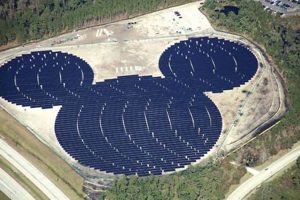
The global energy landscape is undergoing a significant transformation, shifting towards sustainable sources. This transition involves developing and implementing technologies that harness power from natural resources like sunlight, wind, water, and geothermal heat. For example, advancements in solar panel technology are leading to increased efficiency and reduced costs, making solar energy a more viable option for widespread adoption. Similarly, offshore wind farms are expanding, tapping into stronger and more consistent winds to generate substantial electricity.
This shift toward sustainable energy sources offers numerous advantages. Reduced reliance on finite fossil fuels mitigates the risks associated with price volatility and supply disruptions. Moreover, transitioning to cleaner energy sources significantly lowers greenhouse gas emissions, a crucial step in combating climate change and protecting the environment. Historically, energy production has been dominated by fossil fuels. However, growing concerns about environmental sustainability and energy security have accelerated the development and deployment of renewable energy technologies.
The following sections will explore specific renewable energy technologies in greater detail, analyzing their current status, future potential, and the challenges that must be overcome to achieve a truly sustainable energy future. Topics covered will include technological advancements, economic considerations, policy frameworks, and the integration of renewable energy sources into existing infrastructure.
Tips for a Sustainable Energy Future
Transitioning towards a global energy system powered by renewable resources requires a multifaceted approach. The following tips offer guidance for individuals, communities, and governments seeking to contribute to this crucial shift.
Tip 1: Support Sustainable Energy Policies: Advocate for policies that incentivize renewable energy development, such as tax credits for renewable energy installations, feed-in tariffs, and renewable portfolio standards. These policies can accelerate the adoption of sustainable energy technologies.
Tip 2: Invest in Renewable Energy Technologies: Consider investing in renewable energy companies or projects. This can include direct investments in solar or wind farms or investing in exchange-traded funds (ETFs) focused on the renewable energy sector.
Tip 3: Reduce Energy Consumption: Implementing energy efficiency measures at home and in the workplace can significantly reduce overall energy demand. This includes using energy-efficient appliances, improving insulation, and adopting smart home technologies.
Tip 4: Choose Renewable Energy Suppliers: Many electricity providers offer options for customers to purchase electricity generated from renewable sources. Choosing these options supports the growth of the renewable energy market.
Tip 5: Educate and Advocate: Stay informed about advancements in renewable energy technologies and policy developments. Share this knowledge with others and advocate for greater adoption of sustainable energy solutions.
Tip 6: Support Research and Development: Continued research and development are crucial for driving innovation and reducing the cost of renewable energy technologies. Support initiatives that fund research in areas such as energy storage, smart grids, and advanced materials for renewable energy generation.
Tip 7: Embrace Sustainable Transportation: Transitioning to electric vehicles, utilizing public transportation, and choosing cycling or walking whenever possible can significantly reduce reliance on fossil fuels in the transportation sector.
By embracing these strategies, individuals, communities, and governments can contribute to a more sustainable energy future. The collective effort to transition to renewable energy sources is essential for mitigating climate change, enhancing energy security, and creating a healthier planet.
The transition to a sustainable energy future requires global cooperation and a commitment to innovation and responsible resource management. The following section will explore the potential long-term impacts of this transition and the role of international collaboration in achieving a sustainable energy future for all.
1. Technological Advancements

Technological advancements are intrinsically linked to the future of renewable energy. Progress in areas such as materials science, energy storage, and smart grid technologies directly influences the efficiency, cost-effectiveness, and reliability of renewable energy sources. These advancements drive wider adoption and integration of renewables into the global energy mix. For example, the development of perovskite solar cells promises higher efficiencies and lower manufacturing costs compared to traditional silicon-based cells. Similarly, advancements in battery technology are crucial for addressing the intermittency challenges associated with solar and wind power, enabling greater grid stability and reliability.
Further advancements in areas like artificial intelligence and machine learning are also playing a crucial role. AI can optimize energy production and consumption, predict energy demand, and improve grid management. For instance, AI algorithms can analyze weather patterns to predict solar and wind power output, enabling grid operators to adjust energy distribution accordingly and minimize reliance on fossil fuel-based backup power plants. Furthermore, advancements in robotics and automation are streamlining the manufacturing and installation processes for renewable energy technologies, reducing costs and accelerating deployment.
The continued advancement of renewable energy technologies is essential for achieving a sustainable energy future. Overcoming challenges such as improving energy storage solutions, developing more efficient and durable materials, and integrating renewable energy sources seamlessly into existing infrastructure requires ongoing research and innovation. These technological advancements will ultimately determine the pace and extent to which renewable energy can displace fossil fuels and contribute to a cleaner, more secure, and sustainable energy system.
2. Economic Viability

The economic viability of renewable energy is crucial for its widespread adoption and long-term sustainability. Cost competitiveness compared to traditional fossil fuels is a primary driver of investment and market growth. Understanding the economic factors influencing renewable energy development is essential for shaping effective policies and fostering a sustainable energy transition.
- Cost Competitiveness:
Renewable energy technologies, particularly solar and wind power, have experienced dramatic cost reductions in recent years, making them increasingly competitive with fossil fuels in many regions. This cost competitiveness is driven by factors such as technological advancements, economies of scale in manufacturing, and increased competition within the renewable energy sector. As costs continue to decline, renewable energy becomes an increasingly attractive investment for utilities, businesses, and individuals, further accelerating its adoption.
- Investment and Financing:
Attracting investment is essential for the continued growth of the renewable energy sector. Governments, private investors, and international financial institutions play a key role in financing renewable energy projects. Favorable policies, such as tax incentives and feed-in tariffs, can stimulate investment. Innovative financing mechanisms, such as green bonds and crowdfunding platforms, are also emerging to support renewable energy development.
- Job Creation and Economic Growth:
The renewable energy sector is a significant source of job creation. Manufacturing, installation, maintenance, and research and development within the renewable energy industry generate employment opportunities. Furthermore, the transition to a renewable energy-based economy can stimulate economic growth by reducing reliance on imported fossil fuels and fostering innovation in related industries.
- Energy Security and Price Stability:
Renewable energy sources contribute to enhanced energy security by reducing dependence on volatile global fossil fuel markets. Utilizing domestically available renewable resources can insulate economies from price fluctuations and supply disruptions associated with fossil fuels, providing greater price stability and energy independence.
The economic viability of renewable energy is intertwined with its future role in the global energy landscape. As costs continue to decline and investment flows increase, renewable energy is poised to become a dominant source of electricity generation. This transition will reshape energy markets, create new economic opportunities, and contribute to a more sustainable and secure energy future. The interplay between technological innovation, policy support, and market forces will ultimately determine the pace and extent of this transformation.
3. Policy and Regulations

Government policies and regulations play a critical role in shaping the future of renewable energy. These instruments can either accelerate or hinder the adoption of renewable energy technologies, influencing investment decisions, market growth, and the overall transition to a sustainable energy system. Effective policies provide a stable and predictable framework that encourages investment in renewable energy projects, while poorly designed policies can create uncertainty and stifle innovation.
Several policy mechanisms have proven effective in promoting renewable energy development. Renewable Portfolio Standards (RPS) mandate that a certain percentage of electricity generation comes from renewable sources, creating a guaranteed market for renewable energy producers. Feed-in tariffs offer long-term contracts and fixed prices for renewable energy generation, providing price stability and encouraging investment. Tax incentives, such as investment tax credits and production tax credits, reduce the upfront cost of renewable energy installations, making them more financially attractive. Carbon pricing mechanisms, such as carbon taxes or cap-and-trade systems, internalize the environmental costs of fossil fuels, making renewable energy more competitive. For example, Germany’s feed-in tariff policy played a significant role in the rapid growth of its solar photovoltaic industry. Similarly, the Renewable Portfolio Standard in California has driven significant investment in renewable energy projects within the state.
The effectiveness of renewable energy policies hinges on several factors, including their design, implementation, and enforcement. Policies must be clear, consistent, and long-term to provide investor confidence. Streamlined permitting processes and efficient grid interconnection procedures are essential for facilitating project development. Furthermore, international cooperation and policy harmonization can create a level playing field and accelerate the global transition to renewable energy. Addressing challenges such as grid integration, energy storage, and public acceptance requires a comprehensive and coordinated policy approach. Ultimately, well-designed policies and regulations are crucial for unlocking the full potential of renewable energy and creating a sustainable energy future.
4. Social Acceptance
Social acceptance plays a crucial role in the future of renewable energy. Public perception and community support significantly influence the development and implementation of renewable energy projects. Positive social acceptance can streamline project approvals, facilitate community engagement, and foster a sense of shared ownership in the transition to a sustainable energy future. Conversely, negative perceptions or community opposition can lead to project delays, increased costs, and even project cancellations. Understanding the factors that influence public perception and building social acceptance is therefore essential for successfully integrating renewable energy into communities and achieving widespread adoption.
Several factors influence public acceptance of renewable energy projects. These include perceived visual impacts, concerns about noise pollution, potential effects on property values, and understanding of the technology itself. Effective communication and community engagement strategies are crucial for addressing these concerns and building public trust. Providing clear and accurate information about the benefits of renewable energy, addressing potential negative impacts transparently, and involving local communities in the planning and decision-making processes can foster greater acceptance. For example, community-owned wind farms, where local residents have a financial stake in the project, have demonstrated higher levels of social acceptance compared to projects developed by external companies. Similarly, educational initiatives and public forums can help address misconceptions and build understanding about renewable energy technologies.
Successful integration of renewable energy requires not only technological advancements and economic viability but also social acceptance. Addressing community concerns, building trust, and fostering a sense of shared ownership are crucial for ensuring the smooth deployment of renewable energy projects. Promoting public understanding of the benefits of renewable energy and engaging communities in the decision-making process can create a more favorable social environment for the transition to a sustainable energy future. Overcoming social barriers is therefore as important as overcoming technological and economic challenges in achieving a widespread adoption of renewable energy.
5. Grid Integration

Grid integration represents a critical challenge and opportunity in the transition to a renewable energy-dominated future. Successfully integrating variable renewable energy sources, such as solar and wind power, into existing electricity grids is essential for ensuring a reliable and stable energy supply. This integration requires addressing the inherent intermittency of these resources and adapting grid infrastructure to accommodate their unique characteristics. The future of renewable energy hinges on effective grid integration strategies that maintain grid stability, optimize energy delivery, and minimize the need for fossil fuel-based backup power.
Several key aspects of grid integration require attention. Advanced forecasting technologies, using meteorological data and artificial intelligence, can predict renewable energy generation, enabling grid operators to anticipate fluctuations and adjust energy dispatch accordingly. Energy storage solutions, such as batteries and pumped hydro storage, can store excess renewable energy generated during periods of high production and release it during periods of low production, smoothing out intermittency and enhancing grid stability. Smart grid technologies, including advanced sensors, communication networks, and automated control systems, can optimize grid operations, improve demand-side management, and facilitate the integration of distributed renewable energy resources. For instance, the increasing deployment of smart meters allows for real-time monitoring of energy consumption, enabling dynamic pricing mechanisms that incentivize consumers to shift their energy use to periods of high renewable energy generation. Similarly, investments in grid modernization projects, such as upgrading transmission lines and substations, are crucial for accommodating the increasing influx of renewable energy from geographically dispersed sources.
Effective grid integration is not merely a technical challenge but also an economic and policy issue. Regulatory frameworks must adapt to accommodate the unique characteristics of renewable energy, including their variable output and distributed nature. Investment in grid infrastructure upgrades and energy storage solutions requires careful planning and coordination. Market mechanisms, such as dynamic pricing and demand-response programs, can incentivize flexible energy consumption and support grid stability. Overcoming the challenges of grid integration is essential for realizing the full potential of renewable energy and creating a truly sustainable energy future. Successfully integrating renewable energy into the grid will not only reduce reliance on fossil fuels but also enhance energy security, improve grid resilience, and create new economic opportunities.
Frequently Asked Questions
This section addresses common inquiries regarding the future of renewable energy, providing concise and informative responses.
Question 1: How realistic is a complete transition to 100% renewable energy?
While a complete transition presents significant challenges, advancements in technology, decreasing costs, and supportive policies suggest it’s increasingly feasible. The timeframe for achieving this goal varies depending on region-specific resources and policy landscapes.
Question 2: What are the primary obstacles hindering faster adoption of renewable energy?
Key obstacles include the intermittency of some renewable sources, the need for substantial grid infrastructure upgrades, and initial capital costs for project development. Addressing energy storage solutions and policy frameworks are crucial for overcoming these hurdles.
Question 3: How does renewable energy impact job markets?
The renewable energy sector creates jobs in manufacturing, installation, maintenance, and research. Growth in this sector often offsets job losses in traditional fossil fuel industries, potentially leading to net job gains.
Question 4: Can renewable energy sources truly meet global energy demands?
Global renewable energy resources are abundant enough to meet projected energy demands. Technological advancements and efficient grid integration are critical for harnessing this potential effectively.
Question 5: What role does government policy play in promoting renewable energy?
Supportive policies, such as renewable portfolio standards, feed-in tariffs, tax incentives, and carbon pricing mechanisms, are essential for driving investment and accelerating the adoption of renewable energy technologies.
Question 6: How can individuals contribute to the transition to renewable energy?
Individuals can contribute by adopting energy-efficient practices, supporting policies that promote renewable energy, investing in renewable energy projects, and choosing renewable energy suppliers where available.
Understanding the challenges and opportunities associated with renewable energy is essential for informed decision-making and effective policy development. Continued research, technological advancements, and public support are all crucial components of a successful transition to a sustainable energy future.
The subsequent section delves deeper into specific renewable energy technologies, exploring their individual potential and contribution to the overall energy landscape.
The Future of Renewable Energy in the World
This exploration of the future of renewable energy in the world has highlighted the multifaceted nature of this crucial transition. From technological advancements driving efficiency improvements to the economic viability reshaping energy markets, the shift towards sustainable energy sources is underway. Policy and regulatory frameworks play a pivotal role in accelerating this transformation, while social acceptance remains crucial for successful implementation. Grid integration emerges as a central challenge and opportunity, requiring innovative solutions to ensure a stable and reliable energy supply powered by intermittent renewable resources. Addressing these interconnected aspects is paramount for realizing a sustainable energy future.
The future of renewable energy represents not merely a technological shift, but a societal transformation. It demands a collective commitment to innovation, collaboration, and responsible resource management. The choices made today will determine the energy landscape of tomorrow, impacting not only global economies and environments but also the well-being of generations to come. Embracing the opportunities presented by renewable energy is not just a possibility, but a necessity for a sustainable and prosperous future.