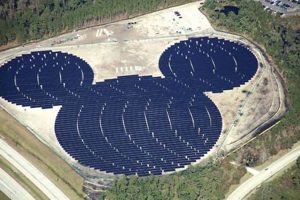
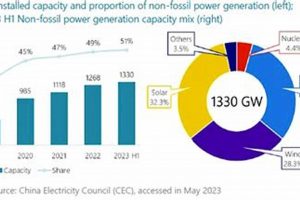
Capital expenditure in the renewable energy sector refers to the upfront investments required for the development, construction, and installation of renewable energy projects. These projects encompass a wide range of technologies, including solar, wind, hydro, geothermal, and biomass. An example would be the purchase and installation of wind turbines for a wind farm or the acquisition of land and solar panels for a solar power plant.
Investing in renewable energy infrastructure is crucial for transitioning to a sustainable energy future. These investments contribute to reduced greenhouse gas emissions, decreased reliance on fossil fuels, and increased energy independence. Historically, high upfront costs posed a significant barrier to widespread adoption. However, technological advancements and supportive government policies have driven down costs considerably, making renewable energy increasingly competitive with conventional energy sources.
This discussion will further explore key aspects of financing renewable energy projects, including the various funding mechanisms available, the role of government incentives, and the challenges and opportunities associated with large-scale deployment.
Tips for Renewable Energy Project Investment
Careful planning and execution are essential for successful renewable energy project investments. The following tips offer guidance for navigating the complexities of this sector.
Tip 1: Conduct Thorough Due Diligence: Comprehensive analysis of technical, financial, legal, and environmental aspects is crucial. This includes assessing resource availability, grid connection feasibility, permitting requirements, and potential environmental impacts.
Tip 2: Secure Long-Term Financing: Explore diverse funding options, including project finance, equity investments, and government grants. Securing favorable financing terms is essential for project viability.
Tip 3: Optimize Project Design: Efficient system design maximizes energy output and minimizes operational costs. This involves selecting appropriate technologies and optimizing plant layout.
Tip 4: Manage Risks Effectively: Identify and mitigate potential risks, such as technology failures, policy changes, and fluctuating energy prices. Risk management strategies can include insurance, hedging, and contingency planning.
Tip 5: Engage with Stakeholders: Effective communication and collaboration with local communities, government agencies, and other stakeholders are crucial for project success. This includes addressing community concerns and obtaining necessary permits.
Tip 6: Monitor and Evaluate Performance: Continuous monitoring and performance evaluation are essential for optimizing plant operations and identifying areas for improvement. Regular maintenance and upgrades can enhance efficiency and extend the project’s lifespan.
Tip 7: Explore Technological Advancements: Stay informed about the latest technological developments in the renewable energy sector. Adopting innovative technologies can improve performance and reduce costs.
By adhering to these guidelines, investors can increase the likelihood of successful project outcomes and contribute to a sustainable energy future.
These insights provide a foundation for informed decision-making in the dynamic landscape of renewable energy investment. The following section concludes with a summary of key considerations.
1. Initial Investment Costs

Initial investment costs represent a significant portion of capital expenditure in renewable energy projects. Understanding these costs is crucial for assessing project feasibility and securing appropriate financing. This section explores key facets of initial investment costs, providing insights into their components and implications.
- Equipment Acquisition:
Procuring major equipment, such as solar panels, wind turbines, or hydroelectric generators, constitutes a substantial upfront expense. The cost varies depending on technology, capacity, and manufacturer. For instance, the price of wind turbines is influenced by rotor diameter and generator capacity, while solar panel costs are affected by cell type and efficiency. These equipment costs significantly impact overall project budgets.
- Site Preparation and Infrastructure:
Preparing the site for construction, including land acquisition, grading, and access road development, represents another significant cost component. Furthermore, installing necessary infrastructure, such as foundations for wind turbines or mounting structures for solar panels, adds to the initial investment. For example, offshore wind farms require specialized foundations and submarine cable connections, adding to the complexity and cost of site preparation.
- Installation and Commissioning:
The cost of installing and commissioning equipment, including labor, transportation, and testing, contributes to the initial investment. Complex projects, such as large-scale solar farms or geothermal power plants, may require specialized expertise and equipment during the installation and commissioning phases. These costs can vary based on project location, labor rates, and the complexity of the technology being deployed.
- Permitting and Approvals:
Obtaining necessary permits and approvals from regulatory agencies can involve considerable time and expense. The permitting process varies depending on the project type, location, and environmental regulations. For example, projects located in environmentally sensitive areas may require extensive environmental impact assessments, adding to the upfront costs and potentially delaying project timelines.
These initial investment costs collectively influence the overall financial viability of renewable energy projects. Accurately estimating and managing these costs are essential for successful project development and long-term profitability. A clear understanding of these cost components allows developers to optimize project design, secure appropriate financing, and ensure sustainable returns on investment within the broader context of renewable energy capital expenditure.
2. Technology Selection

Technology selection plays a pivotal role in determining capital expenditure for renewable energy projects. The choice of technology significantly influences upfront investment costs, operating expenses, and overall project viability. Careful consideration of available technologies is essential for optimizing project economics and ensuring long-term sustainability. This section explores key facets of technology selection within the context of renewable energy capital expenditure.
- Cost-Benefit Analysis:
Conducting a thorough cost-benefit analysis is crucial for evaluating different renewable energy technologies. This analysis compares the upfront capital costs with the projected long-term energy generation and revenue streams. Factors such as equipment costs, installation expenses, and operational and maintenance requirements are considered. For example, while solar photovoltaic systems may have lower upfront costs compared to concentrated solar power, the latter might offer higher energy output in regions with abundant direct sunlight, potentially leading to better long-term returns.
- Resource Availability:
The availability of renewable resources at the project site dictates the suitability of different technologies. Regions with high wind speeds are ideal for wind farms, while areas with ample sunlight are suitable for solar power plants. Geothermal resources are geographically limited, requiring specific geological conditions. Matching technology to resource availability is crucial for maximizing energy output and optimizing project performance. For instance, deploying solar panels in a region with frequent cloud cover would result in lower energy generation compared to a location with consistent sunshine.
- Technological Maturity:
The maturity level of a technology influences its reliability, performance, and cost. Established technologies, such as onshore wind and solar photovoltaics, benefit from economies of scale and extensive operational experience. Emerging technologies, such as wave energy converters or advanced bioenergy systems, may offer higher potential but also carry higher risks and uncertainties associated with their development and deployment. Choosing a technology with an appropriate maturity level balances performance potential with risk mitigation.
- Environmental Impact:
Each renewable energy technology has specific environmental impacts. Wind turbines can affect bird and bat populations, while hydroelectric dams can alter river ecosystems. Solar farms require land use and can impact local biodiversity. Assessing and mitigating these environmental impacts are crucial for ensuring project sustainability and regulatory compliance. For example, implementing appropriate mitigation measures, such as bird deterrents on wind turbines or habitat restoration projects around hydroelectric dams, can minimize environmental impacts and facilitate project approval.
By carefully considering these facets of technology selection, developers can make informed decisions that optimize capital expenditure, maximize energy generation, and minimize environmental impacts. Effective technology selection lays the foundation for successful renewable energy projects and contributes to a sustainable energy future. Choosing the appropriate technology is integral to the overall financial viability and long-term success of renewable energy endeavors, directly impacting the initial capital outlay and subsequent operational costs.
3. Project Scale & Complexity

Project scale and complexity are critical determinants of capital expenditure in renewable energy. Larger and more complex projects typically require higher upfront investments, longer development timelines, and more intricate financing structures. Understanding the interplay between scale, complexity, and cost is essential for effective project planning and execution.
- Project Size and Capacity:
The size and capacity of a renewable energy project directly influence its capital expenditure. Larger projects, such as utility-scale solar farms or offshore wind farms, necessitate greater investments in equipment, infrastructure, and labor. For example, a 100 MW solar farm will require significantly more capital expenditure than a 1 MW rooftop solar installation. Capacity increases typically lead to economies of scale, but also present greater financial risks.
- Technological Complexity:
The complexity of the chosen technology impacts both upfront costs and ongoing maintenance expenses. Advanced technologies, such as concentrated solar power or wave energy converters, often involve higher initial investments due to specialized equipment and expertise requirements. Simpler technologies, such as onshore wind or solar photovoltaics, may have lower upfront costs but might require more extensive land areas for deployment. Technological complexity also influences operational challenges and potential maintenance costs.
- Site Conditions and Location:
Site conditions and geographical location significantly impact project complexity and cost. Remote locations or challenging terrain can increase construction and logistical expenses. Offshore wind farms, for instance, face higher installation costs due to the specialized vessels and infrastructure required for deployment in marine environments. Similarly, geothermal projects in geologically complex areas may encounter higher drilling and exploration costs. Site-specific factors play a crucial role in determining overall project expenditure.
- Grid Integration and Infrastructure:
Integrating a renewable energy project into the existing electricity grid can present significant challenges and costs, particularly for large-scale projects. Upgrading transmission lines, substations, and grid management systems may be necessary to accommodate the influx of renewable energy. Remote projects located far from existing grid infrastructure may require substantial investments in new transmission lines, increasing overall capital expenditure. Grid integration requirements are crucial considerations for project planning and budgeting.
These factors collectively influence the overall capital expenditure profile of renewable energy projects. Careful consideration of project scale, technological complexity, site conditions, and grid integration requirements is essential for accurate cost estimation, effective resource allocation, and successful project implementation. Understanding the dynamic relationship between these elements allows developers to optimize project design, manage financial risks, and maximize the long-term viability of renewable energy investments.
4. Geographic Location

Geographic location exerts a profound influence on capital expenditure in renewable energy projects. Resource availability, infrastructure requirements, permitting processes, and labor costs vary significantly across different regions, impacting the overall financial viability of renewable energy investments. Understanding the geographic nuances is crucial for optimizing project development and ensuring cost-effectiveness.
Resource availability directly correlates with geographic location. Solar energy projects are ideally suited for regions with high solar irradiance, such as desert areas or equatorial regions. Wind energy projects thrive in areas with consistent and strong wind resources, such as coastal regions or mountainous terrain. Hydroelectric projects require access to suitable water resources, such as rivers or reservoirs. Geographic variations in resource availability influence technology selection and project design, directly impacting capital expenditure. For instance, a solar farm located in a region with limited sunlight would require a larger surface area and more solar panels to generate the same amount of energy as a farm in a sunnier location, increasing upfront investment costs.
Existing infrastructure and accessibility influence project costs. Projects located in remote areas often require significant investments in new transmission lines and access roads, adding to the capital expenditure. Areas with limited grid capacity may necessitate upgrades to substations and grid management systems, further increasing costs. Labor costs also vary geographically, influencing construction and installation expenses. Projects in areas with higher labor costs will experience higher overall capital expenditure compared to projects in regions with lower labor rates. For example, constructing a wind farm in a remote mountainous region will likely involve higher transportation and logistical costs compared to a similar project located in a more accessible area. Navigating these geographic complexities is essential for accurate cost estimation and efficient project planning.
Furthermore, permitting and regulatory requirements differ across jurisdictions. Some regions may have streamlined permitting processes for renewable energy projects, while others may impose stricter environmental regulations or land use restrictions. These variations can impact project timelines and development costs. Understanding local regulations and engaging with relevant authorities are essential for navigating the permitting landscape and minimizing potential delays or cost overruns. Geographic location, therefore, plays a pivotal role in shaping the capital expenditure landscape for renewable energy projects, demanding careful consideration during project planning and execution. A comprehensive understanding of these geographic factors enables developers to optimize project siting, select appropriate technologies, and manage costs effectively, ultimately contributing to the successful deployment of renewable energy projects worldwide.
5. Government Policies & Incentives
Government policies and incentives play a crucial role in shaping investment decisions in renewable energy. These interventions can significantly influence the financial viability of projects by either mitigating upfront capital expenditures or enhancing long-term profitability. Understanding the landscape of government support is essential for navigating the complexities of renewable energy investment and maximizing project returns.
- Tax Credits and Deductions:
Tax credits and deductions directly reduce the tax burden for renewable energy projects, effectively lowering the net capital cost. For example, the Investment Tax Credit (ITC) in the United States provides a significant tax credit for solar and other renewable energy investments, incentivizing private sector participation. These incentives can substantially reduce the initial capital outlay required for project development.
- Feed-in Tariffs (FITs):
Feed-in tariffs guarantee a fixed price for renewable energy fed into the grid, providing revenue certainty for project developers. Germany’s early adoption of FITs played a key role in the rapid growth of its renewable energy sector. Guaranteed tariffs mitigate revenue risk, making projects more attractive to investors and facilitating access to financing.
- Renewable Portfolio Standards (RPS):
Renewable Portfolio Standards mandate that a certain percentage of electricity generation comes from renewable sources. These standards create demand for renewable energy, driving investment in new projects. RPS policies vary across states and countries, influencing the market dynamics and investment opportunities within specific jurisdictions. For example, California’s RPS has spurred significant growth in the state’s solar and wind energy sectors.
- Grants and Subsidies:
Government grants and subsidies provide direct financial support for renewable energy projects, reducing capital expenditure requirements. These programs can target specific technologies or project types, such as research and development grants for emerging technologies or deployment subsidies for community-scale renewable energy projects. These grants can be instrumental in supporting early-stage technologies or projects with high upfront costs.
These government interventions collectively influence the financial landscape of renewable energy projects. By reducing capital costs, mitigating risks, and creating market demand, these policies and incentives stimulate private sector investment and accelerate the transition to a sustainable energy future. The effectiveness of these measures depends on their design, implementation, and alignment with broader energy policy goals. A comprehensive understanding of these policy mechanisms is crucial for navigating the complexities of renewable energy investment and maximizing the potential for long-term financial success.
6. Grid Connection Infrastructure

Grid connection infrastructure represents a substantial component of capital expenditure in renewable energy projects. Integrating renewable energy sources, such as solar or wind farms, into the existing electricity grid requires significant investment in transmission lines, substations, and grid management systems. This expenditure is essential for transporting the generated electricity to consumers and ensuring grid stability.
The scale and complexity of grid connection infrastructure depend on several factors, including the size and location of the renewable energy project, the existing grid capacity, and the distance to load centers. Large-scale projects located far from existing transmission lines necessitate substantial investments in new infrastructure. For example, offshore wind farms often require dedicated subsea cables to transmit electricity to shore, adding significantly to the project’s capital expenditure. Similarly, solar farms in remote desert areas may necessitate the construction of new high-voltage transmission lines to connect to the grid, impacting overall project costs. Conversely, smaller-scale projects located closer to existing grid infrastructure may require less extensive grid connection work, reducing the associated capital expenditure.
Furthermore, the increasing penetration of intermittent renewable energy sources, such as solar and wind power, necessitates investments in grid modernization and smart grid technologies. These technologies enhance grid flexibility, reliability, and resilience, enabling the integration of larger amounts of variable renewable energy. Investments in advanced grid management systems, energy storage solutions, and demand-side management programs are crucial for ensuring grid stability and accommodating the growth of renewable energy. Therefore, grid connection infrastructure is not merely a cost factor but an integral component of the renewable energy transition. Understanding its cost implications and planning for its development are crucial for the successful and sustainable integration of renewable energy sources into the electricity grid.
7. Long-Term Operational Expenses

Long-term operational expenses (OPEX) represent a crucial aspect of the overall cost analysis of renewable energy projects. While capital expenditure (CAPEX) dominates initial investment discussions, a comprehensive understanding of OPEX is essential for evaluating the long-term financial viability and sustainability of renewable energy ventures. Effectively managing OPEX contributes significantly to the overall return on investment and the long-term success of these projects. A clear understanding of the interplay between CAPEX and OPEX allows for informed decision-making throughout the project lifecycle, from technology selection to operational strategies.
Although renewable energy technologies generally involve lower operational costs compared to traditional fossil fuel-based power plants, ongoing expenses remain a significant factor. These expenses encompass regular maintenance, component replacements, and operational staffing. For example, wind turbines require periodic inspections, lubrication, and occasional replacement of worn-out components such as gearboxes or blades. Solar farms necessitate cleaning of solar panels, inverter maintenance, and vegetation management around the installation. These operational activities contribute to maintaining optimal performance and ensuring the longevity of the renewable energy assets. Accurately forecasting and managing these expenses are critical for ensuring the project’s long-term profitability. For instance, neglecting regular maintenance can lead to premature equipment failure and higher replacement costs, impacting overall project economics.
The relationship between CAPEX and OPEX involves trade-offs. Investing in higher-quality, more durable equipment during the initial CAPEX phase can lead to lower OPEX in the long run. For example, choosing high-efficiency solar panels with longer warranties might increase initial investment costs but reduce future maintenance and replacement expenses. Similarly, investing in robust grid connection infrastructure during the CAPEX phase can minimize transmission losses and reduce operational costs associated with grid instability. A strategic balance between CAPEX and OPEX considerations is crucial for optimizing the overall financial performance of renewable energy projects throughout their operational lifespan. This holistic approach to cost management ensures the long-term sustainability and profitability of these essential investments in a cleaner energy future.
Frequently Asked Questions about Capital Expenditure in Renewable Energy
This section addresses common inquiries regarding capital expenditure in the renewable energy sector. Clear and concise answers provide insights into key financial considerations for renewable energy project development.
Question 1: How do government incentives impact capital expenditure for renewable energy projects?
Government incentives, such as tax credits, grants, and feed-in tariffs, can significantly reduce upfront capital costs. These incentives can make renewable energy projects more financially attractive by offsetting initial investment requirements and enhancing project profitability.
Question 2: What are the primary drivers of capital expenditure in offshore wind projects?
Key drivers include turbine costs, foundation installation, subsea cabling, and grid connection infrastructure. The marine environment presents unique challenges, leading to higher upfront costs compared to onshore wind projects. Specialized vessels and expertise also contribute to elevated capital expenditure.
Question 3: How does project scale influence capital expenditure in solar energy?
Project scale directly correlates with capital expenditure. Larger utility-scale solar farms require more extensive land areas, a greater number of solar panels, and more complex grid connection infrastructure, leading to higher overall capital costs. Economies of scale can partially offset these increased costs, but substantial upfront investment remains a key characteristic of large-scale solar projects.
Question 4: What are the key considerations for optimizing capital expenditure in geothermal energy projects?
Key considerations include resource exploration and assessment, drilling costs, power plant construction, and grid connection. Geothermal projects often involve significant upfront investments in exploration and drilling, which can vary depending on the geological complexity of the resource site. Optimizing drilling strategies and selecting appropriate power plant technology are crucial for managing capital expenditure.
Question 5: How does geographic location affect capital expenditure in renewable energy?
Geographic location significantly influences costs due to variations in resource availability, infrastructure requirements, labor costs, and permitting processes. Remote locations often necessitate greater investment in transmission infrastructure and logistical support. Areas with complex terrain or challenging environmental conditions can also increase project costs. Local regulations and permitting timelines further influence capital expenditure.
Question 6: What is the role of due diligence in managing capital expenditure for renewable energy projects?
Thorough due diligence is crucial for accurately assessing and mitigating potential risks that could impact capital expenditure. Comprehensive technical, financial, legal, and environmental assessments help identify potential challenges early on, allowing developers to optimize project design, secure appropriate financing, and manage costs effectively.
Careful consideration of these frequently asked questions provides a deeper understanding of the financial dynamics within the renewable energy sector. Informed decision-making regarding capital expenditure is essential for successful project development and the sustainable growth of renewable energy.
The following section delves further into specific aspects of renewable energy financing and investment strategies.
Conclusion
Capital expenditure in renewable energy represents a critical investment in a sustainable future. This exploration has highlighted the multifaceted nature of these investments, encompassing technology selection, project scale and complexity, geographic considerations, policy influences, grid infrastructure requirements, and long-term operational expenses. Understanding these factors is crucial for effective project planning, successful implementation, and maximizing the long-term financial viability of renewable energy ventures. From initial investment costs to ongoing operational expenses, careful cost management and strategic decision-making are essential for optimizing returns and ensuring project success.
The transition to a cleaner energy future requires substantial and sustained investment in renewable energy infrastructure. Navigating the complexities of capital expenditure within this dynamic sector demands a comprehensive understanding of technological advancements, policy landscapes, and market trends. Strategic allocation of capital, coupled with informed decision-making, will drive the growth of renewable energy and accelerate the global shift towards a more sustainable and resilient energy system. The future of energy depends on continued innovation and investment in the renewable energy sector.