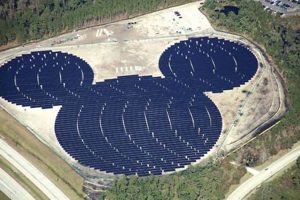
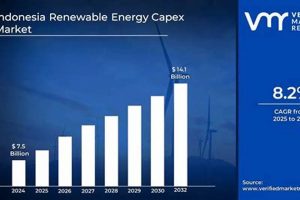
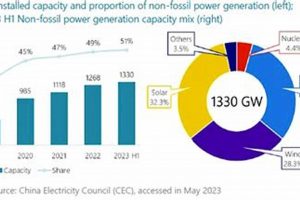
The concept of municipalities transitioning to fully sustainable power sources encompasses a global movement towards cleaner and more resilient energy systems. This involves replacing conventional fossil fuel-based electricity generation with sources like solar, wind, hydro, geothermal, and biomass. For example, a city might invest in large-scale solar farms, rooftop solar installations, offshore wind turbines, or enhance its existing hydroelectric infrastructure to achieve this goal.
Decentralized, clean energy production offers significant advantages. It reduces reliance on finite and often volatile fossil fuel markets, mitigating price fluctuations and enhancing energy security. Furthermore, the shift away from fossil fuels significantly reduces greenhouse gas emissions, contributing to climate change mitigation and improved air quality. The pursuit of fully renewable energy systems has gained momentum in recent decades, driven by growing environmental awareness, technological advancements, and decreasing costs of renewable energy technologies.
The transition presents various challenges and opportunities, including infrastructure development, grid management, energy storage solutions, and policy frameworks. Exploring these aspects is crucial to understanding the complexities and potential of this transformative shift in urban energy landscapes.
Tips for Transitioning to 100% Renewable Energy
Transitioning a municipality to entirely renewable energy sources requires careful planning and execution. The following tips offer guidance for navigating this complex process.
Tip 1: Conduct a Comprehensive Energy Audit: A thorough assessment of current energy consumption patterns and sources is essential. This audit should identify areas of high energy demand and potential for renewable energy integration.
Tip 2: Diversify Renewable Energy Sources: Relying on a mix of renewable energy technologies, such as solar, wind, and geothermal, can mitigate intermittency issues and enhance grid stability. A diversified portfolio also leverages the unique geographic advantages of a given location.
Tip 3: Invest in Energy Storage Solutions: Effective energy storage is crucial for managing the intermittent nature of some renewable sources. Exploring battery storage, pumped hydro, and other innovative storage technologies can ensure a reliable energy supply.
Tip 4: Modernize Grid Infrastructure: Upgrading existing grid infrastructure is essential to accommodate the influx of renewable energy. This includes investing in smart grids, improving transmission lines, and enhancing grid management systems.
Tip 5: Foster Community Engagement: Public support is vital for the success of any large-scale energy transition. Engaging with the community through educational programs and public forums can build consensus and address concerns.
Tip 6: Implement Supportive Policies: Favorable policies, such as feed-in tariffs, tax incentives, and renewable portfolio standards, can encourage investment in renewable energy technologies and accelerate the transition.
Tip 7: Explore Public-Private Partnerships: Collaborations between public entities and private sector companies can leverage expertise and resources to facilitate the development and implementation of renewable energy projects.
By implementing these strategies, municipalities can create more sustainable, resilient, and environmentally friendly energy systems, benefiting both the local community and the planet.
These actionable steps offer a pathway towards achieving ambitious renewable energy goals. Further exploration of specific case studies and technological advancements will provide deeper insights into the practical implementation of these strategies.
1. Decarbonization

Decarbonization is fundamental to the pursuit of 100% renewable energy in urban environments. It represents the reduction of carbon dioxide emissions, primarily from the combustion of fossil fuels, and is a critical step in mitigating climate change and improving urban air quality. The transition to fully renewable energy sources is a primary driver of decarbonization in cities.
- Emissions Reduction from Power Generation
A key facet of decarbonization involves replacing fossil fuel-based power plants with renewable energy sources. This shift eliminates direct emissions from electricity generation. For instance, cities like Reykjavik, Iceland, have successfully decarbonized their electricity supply primarily through geothermal and hydropower. The implications of this transition are significant, reducing a city’s carbon footprint and contributing to global climate goals.
- Transportation Sector Transformation
Decarbonizing transportation is another crucial element. This includes promoting electric vehicles, expanding public transit systems, and encouraging cycling and walking. Amsterdam, Netherlands, exemplifies this through its extensive cycling infrastructure and investment in electric public transport. This shift reduces reliance on gasoline and diesel, significantly decreasing emissions and enhancing urban mobility.
- Building Efficiency Improvements
Improving building energy efficiency plays a vital role in decarbonization. This encompasses retrofitting existing buildings with better insulation, energy-efficient windows, and sustainable heating and cooling systems. The city of Freiburg, Germany, is renowned for its sustainable building practices and passive house standards. These measures reduce energy consumption and lower the demand for fossil fuels, contributing to overall emissions reductions.
- Sustainable Urban Planning
Integrating decarbonization principles into urban planning is essential. This includes creating compact, walkable neighborhoods, promoting mixed-use developments, and incorporating green spaces. Copenhagen, Denmark, demonstrates this through its focus on urban density and green infrastructure. Such strategies reduce reliance on private vehicles, encourage active transportation, and enhance carbon sequestration, further contributing to decarbonization efforts.
These interconnected facets of decarbonization are vital for achieving 100% renewable energy targets in cities. By addressing emissions across various sectors, urban environments can significantly reduce their environmental impact, improve public health, and create more sustainable and resilient communities. The examples provided showcase how different cities have implemented these strategies, offering valuable lessons for other urban areas striving for a carbon-neutral future.
2. Energy Independence

Energy independence, within the context of municipalities transitioning to 100% renewable energy sources, signifies a reduced reliance on external energy providers and volatile fossil fuel markets. This transition empowers cities to generate their own power locally, enhancing energy security and mitigating the economic and geopolitical vulnerabilities associated with dependence on imported fuels. Cause and effect are directly linked; by embracing renewable sources, cities decrease their dependence on external suppliers, fostering greater control over their energy future. This independence becomes a critical component of the 100% renewable energy equation, bolstering resilience and self-sufficiency.
Real-world examples illustrate this connection effectively. Islands like El Hierro in the Canary Islands have demonstrated substantial energy independence through a combination of wind and hydropower, reducing their reliance on imported diesel. Similarly, Georgetown, Texas, has strategically moved towards 100% renewable energy procurement, enhancing its energy security and shielding its residents from fluctuating fossil fuel prices. These cases highlight the practical significance of energy independence, showcasing its tangible benefits for both individual communities and larger regions. Furthermore, decentralized energy generation inherent in many renewable technologies strengthens local grids, making them less susceptible to widespread outages caused by disruptions in centralized power plants or transmission lines.
The pursuit of energy independence through renewable sources represents a strategic move towards greater community resilience and economic stability. While challenges such as initial infrastructure investment and intermittency of certain renewable resources exist, the long-term benefits of reduced reliance on external energy markets, price volatility mitigation, and enhanced local grid security are substantial. This understanding is paramount for municipalities aiming to transition to 100% renewable energy, as it underscores the importance of localized power generation in building truly sustainable and resilient urban energy landscapes.
3. Grid Modernization

Grid modernization is essential for cities transitioning to 100% renewable energy sources. Traditional grids, designed for centralized fossil fuel generation, often lack the flexibility and intelligence required to manage the intermittent nature of renewable sources like solar and wind. Modernization efforts address these challenges, enabling reliable and efficient integration of renewable energy while maintaining grid stability.
- Smart Grid Technologies
Smart grids leverage digital technologies to enhance grid management. Real-time monitoring, advanced sensors, and two-way communication systems optimize energy flow, predict demand fluctuations, and facilitate the integration of distributed renewable energy resources. Examples include smart meters that provide consumers with real-time energy usage data and grid operators with insights into demand patterns, enabling dynamic pricing and demand-response programs. These technologies are crucial for balancing intermittent renewable supply with fluctuating demand, enhancing grid efficiency and reliability.
- Enhanced Grid Infrastructure
Upgrading existing grid infrastructure is crucial for accommodating increased renewable energy penetration. This includes strengthening transmission lines, expanding grid capacity, and improving substation infrastructure. For example, investments in high-voltage direct current (HVDC) transmission lines enable efficient long-distance transport of renewable energy from remote generation sites, such as large-scale solar or wind farms, to urban centers. These infrastructure improvements are essential for delivering renewable energy reliably and cost-effectively to consumers.
- Advanced Energy Storage Solutions
Energy storage plays a vital role in grid modernization and renewable energy integration. Batteries, pumped hydro storage, and other innovative storage technologies store excess renewable energy generated during peak production periods and release it during periods of low generation or high demand. This mitigates the intermittency challenges associated with renewable sources, ensuring a consistent and reliable energy supply. Examples include large-scale battery storage facilities co-located with solar or wind farms, providing grid stability and smoothing out fluctuations in renewable energy output.
- Decentralized Generation and Microgrids
Grid modernization also involves embracing decentralized generation and microgrids. Microgrids are localized grids that can operate independently or connect to the main grid, enhancing resilience and reliability. They often integrate distributed renewable energy resources, such as rooftop solar panels and community wind turbines, providing localized power generation and reducing reliance on the larger grid. Brooklyn Microgrid, developed in the aftermath of Hurricane Sandy, demonstrates the potential of microgrids to enhance community resilience and energy security during emergencies, showcasing the value of decentralized generation.
These facets of grid modernization are interconnected and essential for successfully integrating high levels of renewable energy into urban power systems. By enhancing grid flexibility, intelligence, and resilience, cities can create a robust and sustainable energy infrastructure capable of supporting a 100% renewable energy future. The examples provided illustrate how these technologies and strategies are being implemented in real-world contexts, paving the way for broader adoption and further innovation in urban energy management.
4. Technological Innovation

Technological innovation is a cornerstone of the transition to 100% renewable energy in urban environments. Advancements across various sectors drive cost reductions, improve efficiency, and unlock new possibilities for integrating renewable sources into urban energy systems. Continuous innovation is essential for overcoming challenges and achieving ambitious renewable energy targets. The following facets highlight the critical role of technology in facilitating this transformative shift.
- Next-Generation Solar Technologies
Advances in photovoltaic (PV) technology are crucial for maximizing solar energy harvesting in urban areas. This includes the development of more efficient solar panels, flexible solar cells for building-integrated photovoltaics (BIPV), and transparent solar panels for windows and facades. Perovskite solar cells, for example, offer the potential for higher efficiencies and lower manufacturing costs compared to traditional silicon-based cells. These innovations expand the possibilities for integrating solar energy into urban landscapes, maximizing energy generation potential even in space-constrained environments.
- Advanced Wind Energy Technologies
Innovations in wind turbine design, materials, and control systems are enhancing wind energy capture and grid integration. Larger rotor diameters, taller towers, and advanced blade designs increase energy capture efficiency, while improved control systems enhance grid stability and optimize power output. Floating offshore wind farms, for example, extend wind energy harvesting to deeper waters, accessing stronger and more consistent wind resources. These advancements are essential for increasing the contribution of wind energy to urban power supplies, particularly in coastal cities.
- Smart Energy Storage Solutions
Developing advanced energy storage solutions is critical for managing the intermittency of renewable energy sources and ensuring a reliable power supply. This includes innovations in battery technology, such as solid-state batteries and flow batteries, as well as exploring alternative storage solutions like pumped hydro storage, compressed air energy storage (CAES), and thermal energy storage. These technologies enable more effective storage and dispatch of renewable energy, optimizing grid stability and enhancing the reliability of urban power systems.
- Artificial Intelligence and Machine Learning
AI and machine learning algorithms are playing an increasingly important role in optimizing renewable energy integration and grid management. These technologies analyze vast amounts of data to predict energy demand, optimize renewable energy generation, and improve grid stability. AI-powered forecasting models, for example, predict fluctuations in solar and wind power output, enabling grid operators to make proactive adjustments and maintain a balanced energy supply. These intelligent systems are crucial for maximizing the efficiency and reliability of renewable energy-powered urban grids.
These technological advancements, and many others, are essential for achieving the goal of 100% renewable energy in cities. Continuous innovation across these sectors drives cost reductions, increases efficiency, and expands the possibilities for integrating renewable sources into urban energy systems. As cities strive to decarbonize their energy supplies and enhance their energy independence, technological innovation remains a critical driver of progress and a key enabler of a sustainable urban future.
5. Economic Opportunities

The transition to 100% renewable energy in urban environments presents significant economic opportunities. This shift stimulates job creation, fosters new industries, attracts investment, and reduces long-term energy costs, creating a positive feedback loop for sustainable economic development. The causal relationship is clear: investments in renewable energy infrastructure and technologies generate economic activity, while the resulting decrease in reliance on volatile fossil fuel markets enhances economic stability. Economic opportunities are therefore not merely a byproduct of the transition, but an integral component of its success. Real-world examples underscore this point. The growth of the wind energy sector in Denmark, for instance, has created thousands of jobs and spurred innovation in wind turbine technology, contributing significantly to the Danish economy. Similarly, the solar industry in Germany has experienced substantial growth, demonstrating the economic potential of renewable energy deployment.
Further analysis reveals that these economic benefits extend beyond direct job creation in the renewable energy sector. The transition also stimulates growth in related industries, such as energy storage, smart grid technologies, and energy efficiency services. Local businesses benefit from increased demand for these products and services, further amplifying the positive economic impact. Moreover, cities committed to 100% renewable energy often attract investment from companies seeking to operate in sustainable and forward-thinking environments. This influx of capital further strengthens local economies and promotes innovation. The practical significance of understanding this connection is substantial. Cities can leverage the economic opportunities associated with renewable energy to create jobs, attract investment, and enhance their long-term economic resilience.
In summary, economic opportunities represent a crucial driver and outcome of the transition to 100% renewable energy in cities. While challenges such as upfront investment costs and workforce development needs exist, the long-term economic benefits of this transition are undeniable. By fostering innovation, stimulating job growth, and enhancing energy independence, cities can create a virtuous cycle of sustainable economic development. This understanding is paramount for policymakers, businesses, and communities seeking to build thriving and resilient urban environments powered by clean energy.
6. Community Engagement

Community engagement plays a vital role in the successful transition of cities to 100% renewable energy. It fosters public support, addresses concerns, and ensures equitable distribution of benefits. Cause and effect are intertwined: robust community engagement leads to increased public acceptance of renewable energy projects, facilitating smoother implementation and maximizing positive social impact. This engagement is not merely a peripheral activity but a fundamental component of achieving 100% renewable energy goals. Real-world examples illustrate this connection. In Burlington, Vermont, extensive community engagement facilitated the city’s transition to 100% renewable electricity, demonstrating the power of collaborative decision-making. Similarly, community-owned wind farms in Denmark demonstrate how local involvement can drive renewable energy adoption and ensure equitable distribution of economic benefits. The practical significance of understanding this connection is substantial. Cities that prioritize community engagement are more likely to achieve their renewable energy targets and create a sense of shared ownership in the transition.
Further analysis reveals that community engagement encompasses a range of activities, including public forums, educational campaigns, participatory planning processes, and collaborative governance structures. These initiatives provide opportunities for residents to learn about renewable energy technologies, voice their concerns, and contribute to decision-making processes. This participatory approach builds trust, addresses potential conflicts, and fosters a sense of collective responsibility for the energy transition. For example, community solar projects empower residents to participate in renewable energy generation even if they cannot install solar panels on their own properties. Such initiatives expand access to renewable energy benefits and strengthen community support for broader sustainability initiatives.
In summary, community engagement is an essential ingredient for achieving 100% renewable energy in urban environments. While challenges such as reaching diverse communities and managing conflicting interests exist, the benefits of fostering public support, ensuring equitable outcomes, and building community ownership are undeniable. By prioritizing community engagement, cities can navigate the complexities of the energy transition, create more sustainable and resilient communities, and ensure that the benefits of renewable energy are shared by all. This understanding is paramount for urban planners, policymakers, and community leaders seeking to create a just and equitable energy future.
7. Policy Frameworks
Policy frameworks are essential instruments for driving the transition to 100% renewable energy in urban environments. They provide the necessary structure, incentives, and regulations to accelerate the adoption of renewable energy technologies, guide investments, and ensure a smooth and equitable transition. Effective policy frameworks are crucial for creating a supportive environment that enables cities to achieve ambitious renewable energy targets. The cause-and-effect relationship is clear: well-designed policies create a predictable and supportive market for renewable energy, driving innovation, attracting investment, and ultimately accelerating the transition to a sustainable energy future. Real-world examples demonstrate this connection. The success of renewable energy deployment in Germany, for example, can be attributed in part to its feed-in tariff policy, which provided long-term price guarantees for renewable energy generation, stimulating rapid growth in the sector. Similarly, renewable portfolio standards (RPS) in many US states have created a market demand for renewable energy, driving significant increases in renewable energy capacity.
- Renewable Portfolio Standards (RPS)
RPS policies mandate that a certain percentage of electricity generated within a jurisdiction must come from renewable sources. These policies create a stable market demand for renewable energy, driving investment in new renewable energy projects and accelerating the transition away from fossil fuels. California’s RPS, which requires 60% renewable electricity by 2030, exemplifies the effectiveness of this policy instrument in driving large-scale renewable energy deployment.
- Feed-in Tariffs (FITs)
FITs provide long-term price guarantees for renewable energy fed into the grid. This predictable revenue stream encourages investment in renewable energy projects, particularly for smaller-scale projects and community-owned renewable energy initiatives. Germany’s early success with FITs demonstrated the effectiveness of this policy in stimulating rapid growth in the renewable energy sector.
- Tax Incentives and Subsidies
Tax incentives, such as investment tax credits and production tax credits, reduce the cost of renewable energy technologies, making them more competitive with fossil fuels. These incentives can accelerate the adoption of renewable energy by both businesses and households. The federal investment tax credit in the United States has played a significant role in driving the growth of the solar industry.
- Building Codes and Energy Efficiency Standards
Building codes and energy efficiency standards mandate minimum levels of energy performance in new buildings, promoting the use of renewable energy technologies and reducing overall energy consumption. These policies can significantly reduce the energy footprint of urban areas and contribute to achieving 100% renewable energy targets. The Passive House standard in Europe exemplifies the effectiveness of stringent building codes in promoting energy efficiency and reducing reliance on fossil fuels.
These policy frameworks, along with other supportive measures such as net metering policies and streamlined permitting processes, are essential for creating a favorable environment for renewable energy deployment in urban areas. By providing clear signals to the market, incentivizing investment, and ensuring a smooth and equitable transition, effective policy frameworks are crucial for cities striving to achieve 100% renewable energy. The examples provided demonstrate how specific policies have driven significant progress in renewable energy adoption, offering valuable lessons for other cities seeking to accelerate their transition to a sustainable energy future. The interconnected nature of these policies, working in concert with technological advancements and community engagement, is crucial for achieving comprehensive and lasting change in urban energy landscapes.
Frequently Asked Questions
This section addresses common inquiries regarding the transition of municipalities to 100% renewable energy sources. Clear and concise answers aim to provide a deeper understanding of the challenges and opportunities associated with this transformative shift.
Question 1: Is a complete transition to 100% renewable energy feasible for all cities?
While the specific renewable resources available and the challenges faced vary depending on geographic location, resource availability, and existing infrastructure, the transition to 100% renewable energy is technically feasible for most cities. However, careful planning, significant investment, and supportive policies are crucial for successful implementation.
Question 2: How can the intermittency of renewable energy sources like solar and wind be addressed?
Intermittency can be effectively managed through a combination of strategies, including diversifying renewable energy sources, investing in energy storage technologies (such as batteries and pumped hydro), implementing smart grid management systems, and utilizing demand-response programs to balance energy supply and demand.
Question 3: What are the primary economic implications of transitioning to 100% renewable energy?
The transition typically stimulates job creation in the renewable energy sector and related industries, attracts investment in clean energy technologies, reduces long-term energy costs due to decreased reliance on volatile fossil fuel markets, and enhances energy independence, contributing to greater economic stability.
Question 4: How can public support for 100% renewable energy initiatives be effectively fostered?
Transparent communication, community engagement through public forums and educational campaigns, participatory planning processes, and demonstrable economic benefits are essential for building public trust, addressing concerns, and generating widespread support for renewable energy projects.
Question 5: What role do policy frameworks play in facilitating the transition to 100% renewable energy?
Supportive policies, such as renewable portfolio standards (RPS), feed-in tariffs (FITs), tax incentives, and building codes that promote energy efficiency, create a favorable market environment for renewable energy investments, accelerate adoption, and provide a clear pathway for achieving ambitious renewable energy targets.
Question 6: What are the key challenges municipalities face in their pursuit of 100% renewable energy?
Challenges include upfront investment costs for new infrastructure, integrating intermittent renewable sources into existing grids, managing energy storage solutions, ensuring equitable access to renewable energy benefits, and developing the necessary workforce to support the expanding renewable energy sector. Overcoming these challenges requires careful planning, innovative solutions, and sustained commitment.
Understanding the complexities, opportunities, and challenges associated with the transition to 100% renewable energy is crucial for informed decision-making and successful implementation. These FAQs provide a foundation for further exploration of the technical, economic, and social dimensions of this transformative shift.
Further sections will delve into specific case studies and explore the broader implications of urban energy transitions for building a more sustainable future.
Conclusion
The exploration of municipalities transitioning to entirely renewable energy sources reveals a multifaceted undertaking with significant implications for urban sustainability and global climate action. Key aspects examined include decarbonization strategies, the pursuit of energy independence, grid modernization requirements, the crucial role of technological innovation, the emergence of economic opportunities, the necessity of community engagement, and the establishment of supportive policy frameworks. Each element contributes to a comprehensive understanding of the complexities and potential benefits associated with this transformative shift in urban energy landscapes.
The transition to 100% renewable energy represents not merely a technological challenge, but a fundamental shift in how urban environments are powered and managed. While significant obstacles remain, the potential for creating more sustainable, resilient, and economically vibrant cities powered by clean energy is undeniable. The continued pursuit of this ambitious goal requires collaborative efforts from policymakers, industry leaders, researchers, and community members alike. The future of urban energy lies in embracing innovation, fostering collaboration, and implementing effective strategies to unlock the full potential of renewable resources. The transition to 100% renewable energy is not just a possibility; it is a necessity for building a sustainable and prosperous future for all.