Fossil fuels, such as coal and petroleum, are formed from the remains of ancient organisms over millions of years. Coal is a solid combustible rock composed primarily of carbon, while petroleum, also known as crude oil, is a liquid mixture of hydrocarbons found in underground reservoirs. These resources are finite and their extraction involves specific processes. Coal is mined from the earth, while petroleum is extracted by drilling wells.
These energy resources have played a vital role in industrialization and global development, providing a readily available and energy-dense power source for transportation, electricity generation, and various industrial processes. Their historical accessibility contributed significantly to economic growth throughout the 20th century. However, their use has significant environmental consequences, including air and water pollution and contributions to climate change through greenhouse gas emissions.
This article will further explore the distinct characteristics, extraction methods, and environmental impact of these energy forms, along with discussions of sustainable alternatives and future energy landscapes.
Tips for Responsible Energy Consumption
Given the finite nature and environmental impact of certain energy resources, responsible consumption practices are crucial for a sustainable future. The following tips offer guidance on minimizing reliance on these resources and promoting a transition towards more sustainable energy solutions.
Tip 1: Improve Building Insulation: Effective insulation significantly reduces energy loss for heating and cooling, lowering reliance on energy derived from finite resources.
Tip 2: Optimize Heating and Cooling Systems: Regular maintenance and upgrades to heating, ventilation, and air conditioning (HVAC) systems can improve efficiency and minimize energy waste.
Tip 3: Embrace Energy-Efficient Appliances: Choosing appliances with high energy efficiency ratings can significantly reduce overall energy consumption in homes and businesses.
Tip 4: Transition to Renewable Energy Sources: Exploring and adopting renewable energy options, such as solar or wind power, helps reduce dependence on finite resources.
Tip 5: Promote Sustainable Transportation: Utilizing public transport, cycling, walking, or electric vehicles helps decrease reliance on fossil fuels for transportation.
Tip 6: Support Energy Efficiency Policies: Advocating for policies that promote energy efficiency and the development of renewable energy technologies contributes to a broader societal shift towards sustainability.
Tip 7: Educate and Raise Awareness: Sharing information about responsible energy consumption and its importance empowers individuals and communities to make informed choices.
By implementing these tips, individuals and communities can contribute to a more sustainable future by reducing reliance on finite resources and mitigating their environmental impact. These actions collectively pave the way for a transition toward cleaner and more sustainable energy solutions.
These individual actions, when combined with larger-scale efforts in technological innovation and policy changes, can create a meaningful shift towards a more sustainable energy future.
1. Fossil Fuels
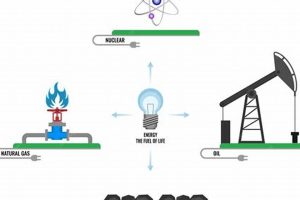
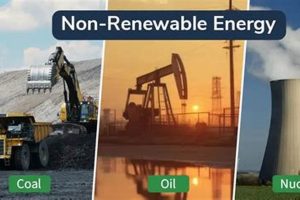
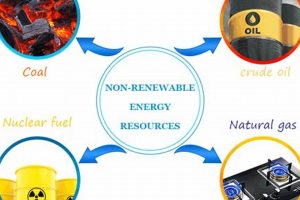
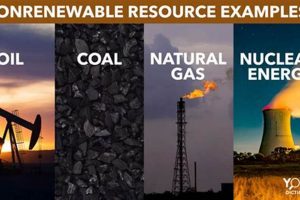
Fossil fuels constitute a primary category of non-renewable energy sources. Derived from ancient organic matter subjected to intense geological processes over millions of years, these fuelsprimarily coal, petroleum, and natural gasstore substantial amounts of energy. The combustion of these fuels releases this stored energy, driving various industrial processes, electricity generation, and transportation systems globally. Coal, formed from plant matter, provides a readily combustible solid fuel source. Petroleum, a liquid mixture of hydrocarbons, and natural gas, predominantly composed of methane, serve as crucial energy sources for heating, transportation, and industrial applications. The finite nature of these geological reserves defines their non-renewable status; their replenishment rate is negligible compared to current consumption rates.
The reliance on fossil fuels as a dominant energy source has significant implications. While enabling substantial technological and economic advancements, their utilization poses substantial environmental challenges. Combustion byproducts contribute to air pollution, impacting respiratory health and contributing to climate change through greenhouse gas emissions. Extraction processes, such as mining and drilling, can disrupt ecosystems and impact local communities. The geographic distribution of these resources also influences geopolitical dynamics, as access and control over these energy sources can become points of strategic importance and international relations. For instance, the Organization of the Petroleum Exporting Countries (OPEC) plays a significant role in global oil prices and supply.
Understanding the nature and implications of fossil fuels as non-renewable resources is critical for charting a sustainable energy future. Recognizing their limitations encourages the development and adoption of renewable energy alternatives and promotes responsible consumption practices. The transition away from fossil fuel dependence presents both challenges and opportunities, requiring technological innovation, policy adjustments, and global cooperation to ensure a secure and environmentally sound energy future.
2. Finite Resources

The concept of finite resources is intrinsically linked to non-renewable energy sources like coal and petroleum. These resources, formed over geological timescales, exist in limited quantities. Their extraction and consumption rates significantly exceed their natural replenishment, leading to inevitable depletion. Understanding the finite nature of these resources is crucial for managing their use and transitioning towards sustainable energy solutions.
- Resource Availability:
Finite resources exist in fixed amounts within the Earth’s crust. The total amount of coal and petroleum available for extraction is limited, and continuous extraction diminishes remaining reserves. Geological surveys and exploration efforts help estimate these reserves, but they remain finite. This limited availability necessitates careful management and exploration of alternative energy sources.
- Extraction Limits:
The extraction of finite resources becomes increasingly challenging and costly as readily accessible deposits are depleted. Deeper drilling, more complex mining operations, and enhanced recovery techniques are required, increasing economic and environmental costs. For example, extracting oil from tar sands or deep sea locations is more complex and resource-intensive than conventional oil extraction.
- Geological Timescale:
The formation of non-renewable energy sources takes millions of years under specific geological conditions. This timescale renders them effectively non-renewable in human terms. Consumption rates dwarf the natural replenishment rate, highlighting the unsustainability of relying solely on these resources for future energy needs.
- Depletion Timeline:
While predicting exact depletion timelines remains complex, estimates suggest that current consumption rates will lead to significant depletion of accessible reserves within a relatively short timeframe. This underscores the urgent need for diversification of energy sources and investment in renewable energy technologies to ensure long-term energy security.
The finite nature of coal and petroleum necessitates a shift towards sustainable energy practices. Recognizing the limitations of these resources encourages the development and adoption of renewable alternatives, promotes energy efficiency, and fosters responsible consumption patterns. Transitioning away from dependence on finite resources is crucial for mitigating the environmental impacts of their extraction and use and ensuring a sustainable energy future.
3. Energy Production

Energy production significantly relies on non-renewable sources, specifically coal and petroleum. Understanding this reliance requires examining the processes involved in converting these resources into usable energy forms, along with the associated efficiencies, environmental impacts, and future challenges.
- Combustion:
Combustion forms the cornerstone of energy production from coal and petroleum. This process involves the rapid oxidation of these fuels, releasing heat energy subsequently harnessed for electricity generation, powering industrial processes, or providing heat for residential and commercial purposes. Coal-fired power plants exemplify this process, where coal combustion heats water to produce steam, which then drives turbines to generate electricity. Similarly, internal combustion engines in vehicles utilize the controlled combustion of petroleum products to generate mechanical power. The efficiency of combustion processes directly influences overall energy output and impacts the environmental footprint due to emissions.
- Refining:
Petroleum undergoes refining to produce a range of usable fuels and other products. Crude oil, extracted from the ground, is a complex mixture of hydrocarbons requiring separation and processing. Refineries transform crude oil into gasoline, diesel, kerosene, and other petroleum-based products tailored for specific applications. This process plays a crucial role in supplying transportation fuels and providing feedstocks for the petrochemical industry. The refining process itself requires significant energy input and can generate various byproducts with environmental implications.
- Emissions and Environmental Impact:
Energy production from coal and petroleum inherently generates emissions with substantial environmental consequences. Combustion releases greenhouse gases, primarily carbon dioxide, contributing to climate change. Other pollutants, such as sulfur dioxide and nitrogen oxides, contribute to air pollution and respiratory health problems. Mitigating these emissions is a key challenge, requiring technologies like carbon capture and storage, as well as a shift towards cleaner energy alternatives.
- Future Energy Landscape:
The finite nature of coal and petroleum necessitates a transition toward a more diversified energy landscape. Continued reliance on these non-renewable sources poses long-term sustainability challenges. Research and development of renewable energy technologies, coupled with enhanced energy efficiency measures, are crucial for reducing dependence on these finite resources and mitigating their environmental impact. The future energy landscape will likely involve a mix of energy sources, with increasing emphasis on renewables.
The current dominance of coal and petroleum in energy production underscores the need for transformative changes. While these resources have fueled industrialization and economic growth, their inherent limitations and environmental consequences necessitate a strategic shift towards sustainable energy alternatives. Balancing current energy demands with long-term sustainability considerations requires a multi-faceted approach encompassing technological advancements, policy adjustments, and responsible consumption patterns.
4. Environmental Impact

The environmental impact of coal and petroleum, two primary non-renewable energy sources, presents significant challenges. Their extraction, processing, and combustion generate diverse environmental consequences, impacting air and water quality, contributing to climate change, and affecting ecosystems and biodiversity. Examining these impacts is crucial for understanding the need for sustainable energy alternatives.
- Air Pollution:
Combustion of coal and petroleum releases pollutants like sulfur dioxide, nitrogen oxides, and particulate matter into the atmosphere. These pollutants contribute to respiratory illnesses, acid rain, and smog formation, impacting human health and the environment. Coal-fired power plants are a major source of these air pollutants, contributing to regional and global air quality issues. Efforts to reduce these emissions include implementing stricter emission standards, adopting cleaner combustion technologies, and transitioning to alternative energy sources.
- Greenhouse Gas Emissions:
The combustion of coal and petroleum releases significant amounts of carbon dioxide, a primary greenhouse gas contributing to climate change. The increasing global energy demand and continued reliance on these fossil fuels exacerbate the greenhouse effect, leading to global warming and associated impacts like rising sea levels, extreme weather events, and disruptions to ecosystems. Transitioning to low-carbon energy sources and implementing carbon capture and storage technologies are crucial for mitigating these climate change impacts.
- Water Pollution:
Extraction and transportation of coal and petroleum pose risks of water contamination. Coal mining can lead to acid mine drainage, polluting waterways with heavy metals and acidic runoff. Oil spills, whether during extraction, transportation, or refining, can have devastating impacts on marine ecosystems and coastal communities. Implementing stringent environmental regulations and adopting safer extraction and transportation practices are essential for minimizing water pollution risks.
- Land Degradation:
Coal mining activities, including surface mining and mountaintop removal mining, can cause significant land degradation, habitat destruction, and soil erosion. Petroleum extraction, particularly in sensitive ecosystems like the Arctic, can disrupt wildlife habitats and impact local biodiversity. Reclamation efforts and responsible land management practices are crucial for mitigating these environmental impacts and restoring affected areas.
The cumulative environmental impacts of coal and petroleum underscore the urgent need for a transition towards sustainable energy sources. While these non-renewable resources have played a significant role in powering industrial development, their continued use poses substantial risks to the environment and human well-being. Investing in renewable energy technologies, improving energy efficiency, and adopting responsible consumption patterns are crucial steps towards mitigating these impacts and ensuring a sustainable energy future. The shift away from these non-renewable resources represents a complex but necessary transition for environmental protection and long-term sustainability.
5. Extraction Processes

Extraction processes are integral to utilizing coal and petroleum, forming the initial link in the energy supply chain. These processes, distinct for each resource, carry significant environmental and economic implications. Coal extraction primarily involves mining, encompassing surface mining, underground mining, and mountaintop removal mining. Each method disrupts the surrounding landscape and ecosystems. Surface mining strips away topsoil and vegetation, while underground mining risks ground subsidence and methane release. Mountaintop removal mining drastically alters topography and impacts water quality. Petroleum extraction relies on drilling, both onshore and offshore, to access underground reservoirs. This process can lead to habitat disruption, noise pollution, and the risk of oil spills, which can have devastating consequences for marine environments and coastal communities. Furthermore, hydraulic fracturing, or fracking, a technique used to extract oil and gas from shale formations, raises concerns about groundwater contamination and induced seismicity.
The environmental footprint of these extraction processes necessitates careful planning, stringent regulations, and ongoing monitoring. Reclamation efforts aim to restore mined lands, while advancements in drilling technologies seek to minimize environmental disruption. However, the inherent risks associated with extracting these non-renewable resources remain a significant concern. The economic viability of these processes is influenced by factors such as resource accessibility, global energy demand, and technological advancements. Fluctuations in energy prices and geopolitical events can significantly impact investment in extraction activities. For instance, the increasing demand for rare earth minerals, essential for certain renewable energy technologies, has led to intensified mining activities with associated environmental impacts. Furthermore, the extraction processes themselves consume energy, contributing to the overall energy footprint of these resources.
Understanding the extraction processes associated with coal and petroleum is fundamental to evaluating their true cost. Balancing the demand for energy with the environmental and social implications of resource extraction requires a comprehensive approach. This includes promoting energy efficiency, investing in renewable energy alternatives, and implementing stricter environmental regulations to minimize the impact of extraction activities. Furthermore, fostering international cooperation and developing sustainable resource management strategies are essential for ensuring a responsible and equitable approach to energy production in the face of growing global demand.
6. Global Consumption

Global consumption patterns are intricately linked to the utilization of non-renewable energy sources, particularly coal and petroleum. These resources have fueled industrialization and economic growth worldwide, shaping energy landscapes and driving demand across various sectors. Examining global consumption patterns reveals the extent of this reliance and its implications for future energy security and sustainability.
- Energy Demand by Sector:
Global energy consumption varies significantly across sectors. Industrial processes, transportation networks, and residential and commercial buildings represent major energy consumers. Coal and petroleum play dominant roles in powering these sectors, particularly in electricity generation, transportation fuels, and heating. Understanding sectoral energy demand is crucial for developing targeted strategies to improve energy efficiency and transition to alternative sources. For example, the transportation sector’s heavy reliance on petroleum products necessitates the development of electric vehicles and biofuels.
- Regional Disparities:
Energy consumption exhibits significant regional disparities, reflecting diverse economic development levels, population densities, and climatic conditions. Developed nations generally have higher per capita energy consumption compared to developing countries. Access to reliable and affordable energy remains a challenge in many regions, hindering economic development and social progress. These disparities highlight the need for equitable energy solutions and international cooperation to address energy access and affordability issues.
- Emerging Economies:
Rapidly developing economies significantly contribute to the growth in global energy demand. Industrialization, urbanization, and rising living standards drive increased energy consumption in these nations. Meeting this growing demand while transitioning towards sustainable energy pathways presents a significant challenge. Investing in renewable energy infrastructure, promoting energy efficiency, and fostering technological innovation are essential for balancing economic growth with environmental sustainability in emerging economies.
- Future Projections and Sustainability:
Projections of future global energy consumption indicate continued growth, driven by population growth, economic development, and increasing energy access in developing regions. Meeting this growing demand while mitigating the environmental impacts of non-renewable energy sources requires a fundamental shift towards sustainable energy solutions. Investing in renewable energy technologies, improving energy efficiency, and developing energy storage solutions are crucial for ensuring long-term energy security and environmental sustainability. The transition away from fossil fuels requires a global effort involving international cooperation, policy adjustments, and technological innovation.
Global consumption patterns highlight the complex relationship between energy demand and the reliance on non-renewable resources. While coal and petroleum have played a pivotal role in powering global development, their finite nature and environmental consequences necessitate a transition towards a more sustainable energy future. Understanding and addressing the diverse factors driving global consumption is essential for achieving a secure, affordable, and environmentally responsible energy landscape. This transition requires a concerted global effort, involving governments, industries, and individuals, to adopt sustainable energy practices and ensure a balanced approach to meeting future energy needs.
7. Economic Implications
Economic implications are intrinsically linked to the utilization of coal and petroleum, impacting diverse sectors and influencing global markets. These resources have historically played a pivotal role in industrial development and economic growth, but their finite nature and associated environmental costs present complex economic challenges. Fluctuations in global energy prices, driven by supply and demand dynamics, geopolitical events, and technological advancements, significantly impact national economies and international trade. The economic viability of industries heavily reliant on these energy sources, such as manufacturing, transportation, and power generation, is directly influenced by price volatility. For example, rising oil prices can increase transportation costs, impacting consumer goods prices and potentially leading to inflationary pressures. Conversely, declining oil prices can negatively affect the profitability of oil-producing nations and companies, impacting investment decisions and potentially leading to economic instability in regions heavily reliant on oil revenue.
Furthermore, the environmental costs associated with coal and petroleum use, including air and water pollution, climate change impacts, and healthcare expenses related to pollution-induced illnesses, represent significant economic burdens. These externalities, often not fully reflected in market prices, necessitate policy interventions such as carbon pricing mechanisms and environmental regulations to internalize these costs and incentivize the transition to cleaner energy alternatives. Investing in renewable energy technologies, improving energy efficiency, and developing sustainable transportation systems offer opportunities for economic diversification and job creation in emerging sectors. The transition to a low-carbon economy requires substantial investments in research, development, and infrastructure, but it also presents significant economic opportunities for innovation and sustainable growth. For example, the growth of the solar and wind energy industries has created numerous jobs in manufacturing, installation, and maintenance, contributing to economic diversification and reducing reliance on traditional fossil fuel industries.
The economic implications of relying on coal and petroleum extend beyond immediate market fluctuations and environmental costs. Long-term energy security concerns, resource depletion, and the geopolitical implications of resource dependence necessitate strategic planning and diversification of energy sources. Transitioning towards a more sustainable energy future requires careful consideration of economic factors, balancing the costs of transitioning with the long-term benefits of reduced environmental impacts, enhanced energy security, and the creation of new economic opportunities. Addressing the complex interplay between economic development, energy security, and environmental sustainability requires a holistic approach involving international cooperation, policy frameworks that incentivize sustainable practices, and ongoing investment in research and innovation to drive technological advancements in the energy sector.
Frequently Asked Questions
This section addresses common inquiries regarding the utilization and implications of coal and petroleum, aiming to provide clear and concise information.
Question 1: Why are coal and petroleum considered non-renewable?
Coal and petroleum are classified as non-renewable because their formation takes millions of years under specific geological conditions. Current consumption rates significantly exceed their natural replenishment rate, making them finite resources on a human timescale.
Question 2: What are the primary environmental impacts of using these energy sources?
Combustion of coal and petroleum releases greenhouse gases, contributing to climate change. Their use also contributes to air and water pollution, impacting ecosystems and human health. Extraction processes can disrupt landscapes and habitats.
Question 3: What are the main extraction methods for coal and petroleum?
Coal is extracted through mining, including surface, underground, and mountaintop removal methods. Petroleum extraction involves drilling wells, both onshore and offshore, often utilizing techniques like hydraulic fracturing.
Question 4: How does the finite nature of these resources affect global energy security?
The finite nature of coal and petroleum raises concerns about long-term energy security. Depleting reserves necessitates exploration of alternative energy sources and development of sustainable energy strategies to meet future energy demands.
Question 5: What are the economic implications of relying on these resources?
Economic reliance on coal and petroleum creates vulnerability to price fluctuations and supply disruptions. Environmental costs associated with their use, such as pollution and climate change impacts, present additional economic burdens.
Question 6: What are the alternatives to using coal and petroleum for energy production?
Renewable energy sources like solar, wind, hydro, and geothermal offer sustainable alternatives. Energy efficiency improvements and advancements in energy storage technologies also contribute to reducing reliance on non-renewable resources.
Understanding the characteristics, impacts, and limitations of coal and petroleum underscores the importance of transitioning towards a more diversified and sustainable energy future. Continued reliance on these finite resources poses significant environmental and economic challenges.
The subsequent sections will delve further into specific aspects of these energy sources, exploring their individual characteristics, extraction methods, environmental impacts, and the transition towards sustainable alternatives in greater detail.
Conclusion
Exploration of coal and petroleum reveals their significant role in powering global development, while simultaneously highlighting inherent limitations and substantial environmental consequences. Their finite nature necessitates a strategic transition toward sustainable alternatives. Extracting and utilizing these resources contributes to air and water pollution, greenhouse gas emissions, and landscape degradation, impacting both environmental and human well-being. The economic implications of this reliance encompass price volatility, resource depletion, and the long-term costs associated with environmental damage.
A sustainable energy future requires a multifaceted approach. Continued reliance on these finite resources presents significant challenges for both environmental sustainability and long-term energy security. Investing in renewable energy technologies, enhancing energy efficiency, and implementing responsible resource management strategies are crucial for mitigating the impacts of coal and petroleum use and ensuring a balanced approach to meeting future energy demands. This transition necessitates global cooperation, policy adjustments, and ongoing innovation to achieve a secure, affordable, and environmentally responsible energy landscape.