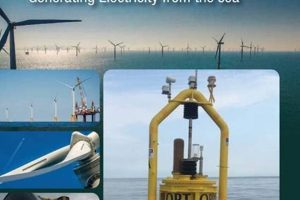
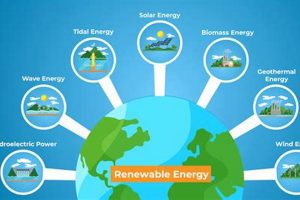
Hawaiian Electric Industries (HEI) and its subsidiaries, including Hawaiian Electric Company, are pursuing substantial investments in sustainable power generation. This involves harnessing various sources like solar, wind, geothermal, and hydropower, alongside exploring emerging technologies such as ocean thermal energy conversion and biomass. An example of this commitment can be seen in the increasing number of grid-tied solar photovoltaic systems across the islands.
The transition to cleaner energy sources in Hawaii is critical for several reasons. It reduces dependence on imported fossil fuels, enhancing energy security and price stability. Furthermore, it mitigates the environmental impact of power generation, contributing to a reduction in greenhouse gas emissions and promoting a healthier ecosystem. Historically, Hawaii has relied heavily on imported oil for electricity production. The shift toward sustainable power represents a significant step toward a more sustainable and resilient energy future for the state.
This commitment to a cleaner energy future impacts various aspects of Hawaiian life, from the economic landscape to the daily lives of residents. Further exploration will illuminate the specific technologies being deployed, the challenges faced in integrating renewable sources, and the projected outcomes of this transformative endeavor.
Tips for Supporting Renewable Energy in Hawaii
Residents and businesses can contribute to the growth of sustainable power generation in Hawaii through informed choices and proactive measures.
Tip 1: Consider rooftop solar photovoltaic (PV) systems. Evaluating the feasibility of installing solar panels on homes or businesses can significantly reduce reliance on grid electricity and lower energy costs. Consulting with qualified solar installers can provide tailored assessments and guidance.
Tip 2: Explore time-of-use (TOU) rates. TOU rate plans incentivize electricity consumption during off-peak hours when renewable energy sources are more abundant. Shifting energy-intensive activities to these periods can maximize the benefits of clean energy and potentially lower electricity bills.
Tip 3: Invest in energy-efficient appliances and practices. Reducing overall electricity consumption through energy-efficient appliances, proper insulation, and mindful energy usage minimizes the demand on the power grid and supports the transition to renewables.
Tip 4: Support policies and initiatives that promote renewable energy. Staying informed about local and state policies regarding renewable energy and advocating for supportive measures can accelerate the transition to a sustainable energy future.
Tip 5: Participate in community-based renewable energy programs. Exploring opportunities to participate in community solar projects or other shared renewable energy initiatives can provide access to clean power for those who may not have individual rooftop solar options.
Tip 6: Understand the benefits and limitations of different renewable energy sources. Learning about the various renewable technologies deployed in Hawaii, such as solar, wind, and geothermal, allows for informed decision-making and greater appreciation of the diverse energy landscape.
By adopting these practices, individuals and organizations can contribute to a more sustainable energy future for Hawaii, reducing reliance on fossil fuels and supporting a cleaner, more resilient power grid. These collective efforts accelerate the integration of renewable energy resources and promote a healthier environment.
The transition to a sustainable energy system requires a collaborative effort. The following conclusion will summarize the key benefits and outline the path forward for continued progress in this vital area.
1. Solar Integration

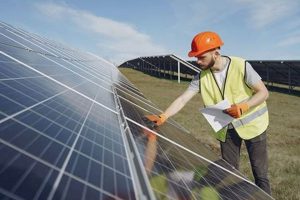
Solar integration represents a cornerstone of Hawaiian Electric’s renewable energy strategy. The abundant sunshine across the Hawaiian Islands provides a significant opportunity to harness solar power and reduce dependence on imported fossil fuels. This integration involves connecting both utility-scale solar farms and distributed rooftop solar photovoltaic (PV) systems to the electricity grid. A primary effect of increased solar integration is a decrease in the use of fossil fuel-based power plants, leading to a reduction in greenhouse gas emissions and contributing to Hawaii’s clean energy goals. For instance, the Kawailoa Solar project on Oahu, one of the largest solar farms in the state, significantly contributes to the island’s renewable energy portfolio. Similarly, the growing number of rooftop solar installations across residential and commercial properties further diversifies the energy mix and empowers customers to participate in the clean energy transition. The cause-and-effect relationship between solar integration and reduced fossil fuel reliance is a key driver in Hawaii’s pursuit of energy independence and environmental sustainability.
The importance of solar integration extends beyond simple energy generation. It contributes to grid stability and resilience. Advanced grid management technologies, such as smart inverters and energy storage systems, are crucial for managing the intermittent nature of solar power and ensuring a reliable electricity supply. For example, battery storage systems can store excess solar energy generated during peak sunshine hours and release it during periods of high demand or when solar production is low. This integration of smart grid technologies enhances the reliability and efficiency of the electricity system, facilitating the seamless integration of higher levels of solar power. Furthermore, solar integration stimulates economic growth by creating jobs in the solar installation, maintenance, and manufacturing sectors. It also contributes to local energy security by reducing dependence on volatile global fossil fuel markets. Understanding the practical significance of solar integration is essential for appreciating its multifaceted benefits and its crucial role in achieving Hawaii’s clean energy future.
Successful solar integration requires ongoing collaboration among utilities, policymakers, technology providers, and community members. Addressing challenges such as grid modernization, intermittency management, and equitable access to solar benefits is vital for maximizing the positive impact of this crucial renewable energy source. The ongoing evolution of solar technology, combined with innovative grid management strategies, positions solar power as a central component of Hawaii’s sustainable energy transformation. The continued expansion of solar integration promises to further reduce reliance on fossil fuels, enhance energy independence, and contribute to a cleaner, more resilient energy future for the state. It is a crucial step towards achieving a more sustainable and equitable energy landscape for Hawaii.
2. Wind Power Expansion

Wind power expansion represents a critical component of Hawaiian Electric’s renewable energy portfolio, complementing solar energy and other sustainable sources. Harnessing the consistent trade winds across the islands offers significant potential for generating clean electricity and reducing reliance on imported fossil fuels. This focus on wind energy aligns with the state’s renewable energy goals and contributes to a more diversified and resilient energy mix.
- Resource Assessment and Site Selection:
Accurate wind resource assessment is fundamental to successful wind power development. Detailed analysis of wind speed, direction, and consistency informs optimal site selection for wind turbine placement. Factors such as proximity to existing transmission infrastructure, environmental impact considerations, and community acceptance play a crucial role in determining viable locations. For instance, projects like the Pakini Nui Wind Farm on Maui demonstrate the importance of careful site selection in maximizing energy output while minimizing environmental disruption.
- Technology Selection and Integration:
Choosing appropriate wind turbine technology is crucial for maximizing energy capture and grid integration. Factors such as turbine size, capacity, and design are considered in relation to site-specific wind conditions. Advanced grid management systems are essential for integrating the variable output of wind power and maintaining grid stability. The use of smart inverters, forecasting tools, and energy storage solutions enhances the reliability and efficiency of wind power integration.
- Environmental Impact and Mitigation:
Assessing and mitigating the environmental impact of wind farms is a critical aspect of responsible development. Studies evaluate potential effects on avian populations, bat activity, and surrounding ecosystems. Mitigation measures, such as careful turbine siting, operational adjustments during migration periods, and habitat restoration efforts, minimize environmental disruption. Collaboration with environmental agencies and community stakeholders ensures that wind power development proceeds in a sustainable and environmentally responsible manner.
- Community Engagement and Acceptance:
Building community support for wind power projects is essential for successful implementation. Open communication, transparent engagement processes, and addressing community concerns regarding visual impacts, noise levels, and potential environmental effects foster trust and collaboration. Community benefit programs, such as local job creation and infrastructure improvements, contribute to positive relationships and ensure that wind power development aligns with community values and priorities. Successful projects often involve extensive community outreach and participation throughout the planning and development phases.
These facets of wind power expansion contribute significantly to Hawaiian Electric’s renewable energy goals. By strategically developing wind resources, the utility diversifies its energy portfolio, reduces reliance on fossil fuels, and creates a more sustainable and resilient energy system for Hawaii. The continued growth of wind power, alongside other renewable energy sources, positions Hawaii as a leader in the clean energy transition and contributes to a cleaner, more secure energy future.
3. Grid Modernization
Grid modernization is essential for the successful integration of renewable energy resources into Hawaiian Electric’s energy portfolio. The traditional electricity grid, designed for centralized power generation from fossil fuel plants, requires significant upgrades to accommodate the distributed and intermittent nature of renewable sources like solar and wind. This modernization involves implementing advanced technologies and control systems to manage the complexities of a grid increasingly reliant on renewable energy. Without these upgrades, the influx of renewable energy can lead to grid instability, voltage fluctuations, and challenges in balancing supply and demand. For example, the increasing prevalence of rooftop solar photovoltaic systems necessitates sophisticated grid management tools to ensure seamless integration and prevent disruptions to the electricity supply. Modernizing the grid enhances its capacity to absorb renewable energy, creating a more reliable and efficient system.
Several key aspects of grid modernization are crucial for supporting Hawaiian Electric’s renewable energy goals. Advanced metering infrastructure (AMI), also known as smart meters, provides real-time data on energy consumption and grid conditions, enabling more efficient energy management and facilitating the integration of distributed energy resources. Enhanced grid sensors and monitoring systems provide operators with greater visibility into grid performance, allowing them to proactively address potential issues and maintain grid stability. Improved grid automation and control systems enable faster and more precise responses to fluctuations in renewable energy generation, minimizing disruptions and ensuring a reliable electricity supply. Investments in energy storage solutions, such as batteries and pumped hydro storage, help balance the intermittency of renewable sources by storing excess energy during periods of high generation and releasing it during periods of low generation or peak demand. These advancements in grid technology are fundamental to effectively integrating renewable energy resources and maximizing their benefits.
The practical significance of grid modernization lies in its ability to unlock the full potential of renewable energy in Hawaii. A modernized grid enables higher penetrations of renewable energy, reducing reliance on fossil fuels and contributing to the state’s clean energy targets. It enhances grid resilience and reliability, minimizing disruptions caused by extreme weather events or fluctuations in renewable energy generation. Furthermore, grid modernization supports the growth of distributed energy resources, empowering customers to participate actively in the clean energy transition and contribute to a more decentralized and sustainable energy system. Addressing the challenges associated with grid modernization, such as cybersecurity threats and the need for interoperability between different technologies, is essential to ensure a secure and efficient transition to a renewable energy future. The integration of renewable resources and a modernized grid are intrinsically linked, representing a critical pathway towards a cleaner, more sustainable, and resilient energy future for Hawaii.
4. Community partnerships

Community partnerships play a vital role in advancing Hawaiian Electric’s renewable energy initiatives. Successful integration of renewable resources requires collaboration and engagement with local communities to ensure projects align with community values, address potential concerns, and maximize mutual benefits. These partnerships foster trust, transparency, and shared ownership in the transition to a sustainable energy future.
- Stakeholder Engagement and Collaboration:
Effective community partnerships begin with robust stakeholder engagement. This involves actively seeking input from residents, businesses, community organizations, and indigenous groups throughout the project lifecycle, from planning and development to implementation and operation. Transparent communication channels and accessible information sharing are crucial for building trust and addressing community concerns. For example, community meetings, public forums, and online platforms provide opportunities for dialogue and feedback. Collaborative decision-making processes ensure that community perspectives are incorporated into project design and execution.
- Education and Outreach:
Educating communities about renewable energy technologies, their benefits, and potential impacts is essential for fostering informed decision-making and building public support. Outreach programs, workshops, and educational materials provide accessible information about renewable energy projects and their integration into the local energy system. Addressing misconceptions and concerns through clear and factual communication helps build community understanding and acceptance. For instance, educational initiatives may highlight the economic benefits of renewable energy, such as job creation and local investment, as well as the environmental advantages of reduced greenhouse gas emissions.
- Benefit Sharing and Community Development:
Community partnerships often involve mechanisms for sharing the benefits of renewable energy projects with local communities. This can include direct financial contributions, infrastructure improvements, job training programs, and support for local businesses. Such initiatives ensure that the economic and social benefits of renewable energy are distributed equitably and contribute to community development. For example, a wind farm project might establish a community benefit fund to support local schools, healthcare facilities, or environmental conservation efforts. These programs enhance community well-being and create a sense of shared ownership in the project’s success.
- Cultural Sensitivity and Respect:
In Hawaii, cultural sensitivity and respect for indigenous knowledge and practices are paramount in community partnerships. Renewable energy development must consider potential impacts on cultural landscapes, traditional land uses, and sacred sites. Engaging with Native Hawaiian communities and incorporating their perspectives into project planning and implementation is crucial for ensuring that renewable energy development aligns with cultural values and promotes sustainable practices. Respectful consultation and collaboration with cultural practitioners and community leaders contribute to a culturally sensitive and responsible approach to renewable energy development.
These facets of community partnerships are integral to the successful integration of renewable energy in Hawaii. By fostering collaboration, transparency, and shared benefits, Hawaiian Electric cultivates strong community relationships that support the transition to a sustainable energy future. These partnerships demonstrate the importance of community engagement in achieving a clean energy transition that is both environmentally and socially responsible. The ongoing cultivation of these partnerships is crucial for navigating the complexities of energy transformation and creating a sustainable energy future that benefits all stakeholders.
5. Regulatory Landscape

The regulatory landscape significantly influences the development and implementation of Hawaiian Electric’s renewable energy initiatives. State and federal policies, regulations, and incentives shape the pace of renewable energy adoption, influence investment decisions, and determine the overall effectiveness of the clean energy transition. Understanding this regulatory context is crucial for comprehending the challenges and opportunities associated with achieving Hawaii’s renewable energy goals. For example, the state’s renewable portfolio standards (RPS) mandate a specific percentage of electricity generation from renewable sources by a target year, creating a regulatory driver for renewable energy development. Similarly, federal tax credits and incentives for renewable energy projects can significantly impact their financial viability and accelerate their deployment. The regulatory framework establishes the rules of engagement for all stakeholders, influencing market dynamics and the overall trajectory of renewable energy integration.
The interplay between regulatory frameworks and renewable energy outcomes can be observed in various aspects of Hawaiian Electric’s operations. Regulations governing interconnection processes, grid access, and pricing structures directly impact the feasibility and economics of renewable energy projects. Streamlined interconnection procedures can facilitate faster deployment of renewable energy resources, while complex and burdensome regulations can create barriers to entry. Rate design mechanisms, such as time-of-use rates and net metering policies, influence customer adoption of rooftop solar and other distributed generation technologies. Furthermore, regulatory decisions regarding grid modernization investments, energy storage mandates, and the retirement of fossil fuel-based power plants play a crucial role in shaping the overall energy mix and the pace of the clean energy transition. The effectiveness of regulatory interventions in achieving desired outcomes depends on factors such as policy design, enforcement mechanisms, and stakeholder engagement.
Navigating the regulatory landscape effectively is essential for Hawaiian Electric’s successful pursuit of its renewable energy goals. Regulatory stability and predictability provide investors with confidence and encourage long-term investments in renewable energy projects. Clear and consistent regulatory frameworks facilitate efficient project development and minimize uncertainty. Furthermore, adaptive regulatory approaches that accommodate technological advancements and evolving market conditions are crucial for maximizing the benefits of renewable energy integration. Addressing regulatory barriers, such as outdated grid interconnection procedures or inefficient rate structures, can unlock the full potential of renewable resources and accelerate the transition to a clean energy future. The regulatory landscape represents a critical component in shaping the future of renewable energy in Hawaii, influencing the pace of adoption, the economic viability of projects, and the overall effectiveness of the state’s clean energy transition. A well-designed and effectively implemented regulatory framework is essential for achieving a sustainable and resilient energy future.
6. Customer Engagement
Customer engagement is essential for the successful implementation of Hawaiian Electric’s renewable energy initiatives. The transition to a cleaner energy future requires active participation and support from customers, who play a crucial role in adopting new technologies, modifying energy consumption patterns, and contributing to a more sustainable energy system. Effective customer engagement strategies foster understanding, build trust, and empower customers to become active participants in the clean energy transformation. For example, providing customers with clear and accessible information about the benefits of renewable energy, such as reduced greenhouse gas emissions and increased energy independence, can encourage greater support for renewable energy projects. Similarly, offering incentives for adopting energy-efficient appliances and participating in demand-response programs can motivate customers to modify their energy consumption patterns and contribute to a more flexible and resilient grid. Customer engagement bridges the gap between utility initiatives and individual actions, creating a collaborative approach to achieving renewable energy goals.
The practical significance of customer engagement can be observed in several areas. Increased customer participation in rooftop solar programs, driven by effective outreach and streamlined interconnection processes, contributes significantly to the growth of distributed renewable energy generation. Customer adoption of time-of-use rate plans, encouraged by clear communication about their benefits and potential cost savings, allows for better integration of intermittent renewable resources by aligning energy demand with periods of high renewable generation. Furthermore, customer engagement in demand-response programs, facilitated by user-friendly technologies and clear incentives, enhances grid flexibility and reliability, enabling greater utilization of renewable energy sources. Addressing challenges such as information accessibility, customer trust, and equitable distribution of benefits is crucial for maximizing the positive impact of customer engagement initiatives. Real-world examples, such as community solar projects that empower customers to invest in shared renewable energy resources, demonstrate the potential of customer engagement to accelerate the clean energy transition.
Effective customer engagement is not merely a supplementary component but a fundamental pillar of Hawaiian Electric’s renewable energy strategy. It fosters a sense of shared responsibility and empowers customers to become active agents of change in the transition to a sustainable energy future. By fostering open communication, providing accessible information, and creating opportunities for meaningful participation, Hawaiian Electric can cultivate a strong partnership with its customers, maximizing the potential of renewable energy to create a cleaner, more resilient, and equitable energy system for Hawaii. Ongoing evaluation and adaptation of customer engagement strategies are essential for ensuring their continued effectiveness in the evolving energy landscape.
7. Technological Innovation

Technological innovation is a crucial driver of Hawaiian Electric’s transition to renewable energy. Advancements in renewable energy technologies, grid modernization solutions, and energy storage systems are essential for achieving the state’s clean energy targets and creating a more sustainable and resilient energy system. For instance, the development of more efficient and cost-effective solar photovoltaic (PV) panels has significantly reduced the cost of solar energy, making it a more competitive energy source. Similarly, advancements in wind turbine technology, such as larger rotor diameters and improved blade designs, have increased energy capture efficiency and reduced the cost of wind power. These technological breakthroughs directly impact the feasibility and economic viability of renewable energy projects, accelerating their deployment and contributing to a faster transition away from fossil fuels. The relationship between technological innovation and renewable energy adoption is a symbiotic one, with advancements in technology driving down costs, improving performance, and expanding the range of viable renewable energy solutions.
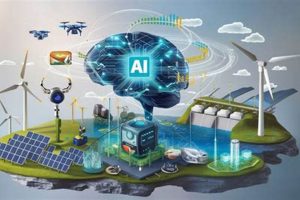
The practical significance of this connection can be observed in various aspects of Hawaiian Electric’s operations. The integration of smart grid technologies, such as advanced metering infrastructure and grid sensors, enables more efficient management of distributed renewable energy resources and enhances grid stability. The development of sophisticated energy storage systems, such as lithium-ion batteries and pumped hydro storage, addresses the intermittency challenges associated with renewable energy sources, ensuring a reliable and consistent electricity supply. Furthermore, innovations in areas such as forecasting and predictive analytics improve the accuracy of renewable energy generation projections, facilitating better grid planning and operation. Real-world examples, such as the use of artificial intelligence and machine learning for optimizing grid performance and integrating renewable energy resources, demonstrate the transformative potential of technological innovation in the energy sector. These advancements not only improve the efficiency and reliability of the electricity grid but also create new opportunities for economic growth and job creation in the clean energy industry.
Continued investment in research and development, coupled with supportive policies and regulatory frameworks, is essential for fostering technological innovation and accelerating the clean energy transition. Addressing challenges such as cybersecurity threats, interoperability issues, and workforce development needs is crucial for ensuring the successful integration of new technologies and maximizing their benefits. The ongoing pursuit of technological innovation is not merely a desirable objective but a fundamental requirement for achieving a sustainable, resilient, and affordable energy future for Hawaii. The link between technological advancements and the growth of renewable energy is undeniable, and its continued cultivation will determine the success of Hawaii’s clean energy transformation.
Frequently Asked Questions about Hawaiian Electric’s Renewable Energy Initiatives
This section addresses common inquiries regarding Hawaiian Electric’s commitment to renewable energy integration, aiming to provide clear and concise information.
Question 1: How does Hawaiian Electric plan to achieve its renewable portfolio standards (RPS) goals?
Hawaiian Electric’s RPS strategy involves a multifaceted approach encompassing increased deployment of utility-scale renewable energy projects (e.g., solar farms, wind farms), expansion of rooftop solar programs for customers, investments in grid modernization technologies to enhance renewable energy integration, and exploration of emerging renewable energy technologies.
Question 2: What are the primary benefits of transitioning to renewable energy in Hawaii?
Key benefits include reduced reliance on imported fossil fuels, enhanced energy security and price stability, decreased greenhouse gas emissions contributing to climate change mitigation, improved air quality and public health, and stimulation of economic growth through job creation and local investment in the renewable energy sector.
Question 3: How does the intermittent nature of renewable energy sources like solar and wind affect grid reliability?
Grid reliability is maintained through a combination of strategies: grid modernization efforts to enhance flexibility and responsiveness, integration of energy storage solutions (e.g., batteries) to store excess renewable energy and dispatch it during periods of low generation, diversified renewable energy portfolio to balance intermittency across different sources, and advanced forecasting tools to predict renewable energy generation and adjust grid operations accordingly.
Question 4: How can customers participate in Hawaiian Electric’s renewable energy initiatives?
Customers can participate by installing rooftop solar PV systems on their homes or businesses, enrolling in time-of-use rate programs to align energy consumption with peak renewable generation periods, investing in energy-efficient appliances and practices to reduce overall energy demand, and participating in community-based renewable energy programs.
Question 5: What challenges does Hawaiian Electric face in integrating renewable energy into the electricity grid?
Challenges include the need for significant grid modernization investments to accommodate the intermittent nature of renewable resources, managing the variability of renewable energy generation and ensuring grid stability, addressing potential land use and environmental impacts associated with renewable energy projects, and ensuring equitable access to renewable energy benefits for all customers.
Question 6: How does Hawaiian Electric ensure that renewable energy development considers community values and environmental protection?
Hawaiian Electric prioritizes community engagement through public forums, stakeholder meetings, and collaborative planning processes. Environmental impact assessments are conducted for renewable energy projects, and mitigation measures are implemented to minimize potential environmental impacts. Collaboration with environmental agencies and community organizations ensures that renewable energy development aligns with environmental protection goals and community values.
Understanding these key aspects of Hawaiian Electric’s renewable energy initiatives provides valuable insights into the complexities and opportunities associated with transitioning to a sustainable energy future. Continued community dialogue, technological advancements, and supportive policies are essential for achieving these goals.
The next section will provide an overview of upcoming Hawaiian Electric renewable energy projects currently under development.
HECO Renewable Energy
This exploration of Hawaiian Electric’s renewable energy initiatives has highlighted the multifaceted nature of this transformative undertaking. From the integration of solar and wind resources to the modernization of the electricity grid, the pursuit of a sustainable energy future requires a comprehensive and collaborative approach. The importance of community partnerships, customer engagement, and a supportive regulatory landscape has been underscored as crucial elements for success. Technological innovation continues to play a pivotal role in driving down costs, improving efficiency, and expanding the range of renewable energy solutions. Addressing the inherent challenges, such as grid stability, intermittency management, and equitable access to benefits, remains paramount for ensuring a just and sustainable energy transition.
The pursuit of renewable energy represents more than a technological shift; it embodies a commitment to a more sustainable and resilient future for Hawaii. The ongoing efforts to integrate renewable resources signify a fundamental shift towards energy independence, environmental stewardship, and economic prosperity. Continued dedication to these initiatives, coupled with ongoing innovation and community collaboration, will pave the way for a cleaner, more secure, and sustainable energy future for generations to come. The transition to renewable energy is not merely a goal but an ongoing journey requiring sustained commitment, adaptability, and a shared vision for a brighter future.