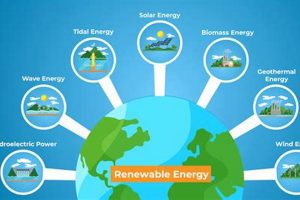
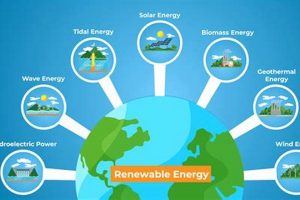
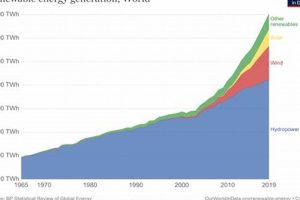
Harnessing power from sources that naturally replenish themselves offers significant advantages over traditional fossil fuels. For instance, solar energy converts sunlight into electricity, while wind turbines capture kinetic energy from the wind, both providing clean power generation.
The advantages of these resources are multifaceted, ranging from environmental protection to economic growth. Reduced reliance on finite fossil fuel reserves enhances energy security and mitigates the risks associated with price volatility. Moreover, clean energy technologies contribute to cleaner air and water, mitigating the adverse effects of climate change and improving public health. The increasing adoption of these technologies has also spurred innovation and created new employment opportunities within the energy sector.
This discussion will further examine the specific benefits of various renewable energy sources, explore the challenges associated with their widespread implementation, and analyze the evolving policies that shape the future of the renewable energy landscape.
Practical Steps Towards a Sustainable Energy Future
Transitioning towards sustainable energy solutions requires informed decision-making and proactive measures. The following tips offer practical guidance for embracing the advantages of clean energy resources.
Tip 1: Evaluate Energy Consumption: Understanding current energy usage patterns is the first step towards effective reduction. Conducting a home energy audit can identify areas for improvement and potential savings.
Tip 2: Explore Rooftop Solar: Residential solar installations offer a viable option for generating clean electricity directly from sunlight. Consider factors such as roof orientation, shading, and local regulations when assessing solar potential.
Tip 3: Invest in Energy-Efficient Appliances: Replacing outdated appliances with energy-efficient models can significantly reduce electricity consumption and lower utility bills. Look for appliances with high Energy Star ratings.
Tip 4: Support Renewable Energy Initiatives: Advocate for policies that promote the development and adoption of clean energy technologies. Participate in community initiatives and support organizations working towards a sustainable energy future.
Tip 5: Reduce, Reuse, Recycle: Minimizing waste and maximizing resource utilization indirectly reduces the demand for energy-intensive production processes. Embrace sustainable practices such as recycling and composting.
Tip 6: Consider Electric Vehicles: Transportation represents a significant source of greenhouse gas emissions. Switching to electric vehicles powered by renewable energy can contribute to cleaner air and reduced carbon footprints.
Tip 7: Educate and Engage: Sharing information about the benefits of clean energy with friends, family, and colleagues can inspire collective action and accelerate the transition towards a sustainable energy future.
Adopting these strategies can empower individuals and communities to contribute meaningfully to a cleaner, more sustainable energy landscape. These individual actions collectively contribute to a larger societal shift towards responsible energy consumption and a healthier planet.
By embracing these practices, a transition towards a more sustainable and environmentally responsible future becomes achievable. The subsequent sections will further elaborate on the broader implications of these strategies.
1. Environmental Protection

Environmental protection represents a core benefit of renewable energy adoption. The combustion of fossil fuels releases greenhouse gases, contributing to climate change and its associated negative impacts, such as rising sea levels, extreme weather events, and disruptions to ecosystems. Renewable energy sources, in contrast, produce little to no greenhouse gas emissions during operation. This fundamental difference underscores their crucial role in mitigating climate change and safeguarding the environment. For example, replacing coal-fired power plants with wind farms significantly reduces carbon dioxide emissions, contributing to cleaner air and a healthier atmosphere.
The environmental advantages extend beyond climate change mitigation. Fossil fuel extraction and transportation can cause significant environmental damage, including habitat destruction, water pollution, and soil contamination. Renewable energy sources generally have a lower environmental footprint across their lifecycle. Solar farms, for instance, can be integrated into existing landscapes with minimal disruption, and hydropower projects, while requiring careful planning and management, can offer benefits such as flood control and water storage. Furthermore, reduced reliance on fossil fuels diminishes the demand for environmentally damaging extraction practices, contributing to overall ecosystem health.
Transitioning to renewable energy offers a pathway towards a more sustainable future. While challenges remain in terms of infrastructure development, energy storage, and grid integration, the environmental benefits are undeniable. Addressing these challenges through technological innovation, policy support, and public awareness is essential to realizing the full potential of renewable energy in protecting the planet and ensuring a healthy environment for future generations. The shift towards renewable energy is not merely a technological advancement, but a critical step towards environmental stewardship and global sustainability.
2. Sustainable Resource

The sustainability of renewable energy sources represents a fundamental advantage over finite fossil fuels. Fossil fuels, formed over millions of years, are being depleted at a rate far exceeding their natural replenishment. This unsustainable consumption pattern raises concerns about future energy security and price volatility. Renewable energy sources, however, are naturally replenished over relatively short timeframes. Solar energy, wind energy, hydropower, geothermal energy, and biomass energy derive their power from ongoing natural processes, ensuring a continuous supply of energy for generations to come. This inherent sustainability makes renewable energy a cornerstone of long-term energy planning and resource management. For instance, solar radiation provides a consistent energy source, regardless of past consumption, unlike finite oil reserves that diminish with use.
The continuous availability of renewable resources translates into greater energy independence and resilience. Reliance on finite resources creates vulnerabilities to geopolitical instability and supply disruptions. Renewable energy sources, being domestically accessible in many cases, reduce dependence on imported fuels, enhancing energy security and price stability. For example, a nation harnessing its wind energy potential reduces its reliance on imported natural gas, mitigating the economic and political risks associated with international energy markets. This localized energy production fosters greater control over energy resources and strengthens national energy independence. Furthermore, the distributed nature of many renewable energy technologies, such as rooftop solar, enhances grid resilience by diversifying energy sources and reducing the impact of localized outages.
The shift towards renewable energy as a sustainable resource offers a pathway towards a more secure and environmentally responsible energy future. While challenges remain in terms of intermittency, infrastructure development, and storage solutions, the long-term benefits of utilizing renewable resources are substantial. Investing in renewable energy technologies and infrastructure represents an investment in long-term sustainability, energy independence, and a more resilient energy landscape. This transition not only addresses current energy needs but also safeguards the energy resources of future generations, ensuring a sustainable energy future for all. The sustainability of renewable energy is not merely an environmental advantage but a fundamental component of long-term energy security and economic prosperity.
3. Economic Growth

Renewable energy technologies represent a significant driver of economic growth, offering diverse opportunities for job creation, innovation, and investment. The development, manufacturing, installation, and maintenance of renewable energy systems create jobs across various skill levels, from engineers and technicians to construction workers and support staff. For example, the growth of the solar industry has generated numerous jobs in manufacturing, installation, and maintenance, stimulating local economies and providing employment opportunities. Furthermore, the transition to renewable energy stimulates innovation in related sectors, such as energy storage, smart grids, and energy efficiency technologies, fostering technological advancements and creating new markets. Investments in renewable energy projects also contribute to economic growth by injecting capital into local communities and supporting infrastructure development. For instance, the construction of a wind farm creates jobs during the construction phase and generates ongoing revenue for landowners through lease agreements. This economic activity strengthens local economies and contributes to regional development.
The economic benefits of renewable energy extend beyond direct job creation. Reduced reliance on imported fossil fuels improves national trade balances and strengthens energy independence. The stable and predictable costs associated with renewable energy sources, once the initial investment is recovered, provide price stability for businesses and consumers, shielding them from the volatility of fossil fuel markets. This price stability enhances business planning and fosters long-term economic growth. Moreover, investments in renewable energy infrastructure improve energy access in underserved communities, promoting economic development and improving quality of life. For example, off-grid solar systems can provide electricity to remote villages, empowering local businesses and enabling access to essential services such as education and healthcare. This improved energy access fosters economic empowerment and reduces inequalities.
The transition to a renewable energy-based economy offers significant potential for sustainable economic growth and development. While challenges remain in terms of upfront investment costs and grid integration, the long-term economic benefits are substantial. Policies that incentivize renewable energy adoption, support research and development, and facilitate workforce training are essential to unlocking the full economic potential of this sector. Embracing renewable energy not only addresses environmental concerns but also creates economic opportunities, enhances energy security, and promotes sustainable development. The shift towards a renewable energy future represents a strategic investment in long-term economic prosperity and a more resilient and equitable energy landscape.
4. Energy Security

Energy security is intrinsically linked to the advantages of renewable energy. It represents the uninterrupted availability of energy sources at an affordable price. Reliance on finite and geographically concentrated fossil fuels creates vulnerabilities. Price volatility, supply disruptions due to geopolitical instability, and dependence on imports compromise energy security. Renewable energy sources offer a pathway to greater energy independence and resilience. Domestically available resources, such as solar, wind, and geothermal, reduce reliance on imported fuels, mitigating risks associated with international energy markets. For instance, a nation harnessing its wind potential reduces dependence on imported natural gas, thereby enhancing its energy security. Diversifying energy sources through renewables further strengthens resilience against disruptions affecting a single source. A grid powered by a mix of solar, wind, and hydro is less susceptible to outages caused by disruptions affecting a single fuel type. This diversification buffers against price fluctuations and supply chain vulnerabilities, enhancing overall energy system stability.
The decentralized nature of many renewable energy technologies further bolsters energy security. Distributed generation, such as rooftop solar panels, reduces reliance on centralized power plants and transmission infrastructure, making the energy system less vulnerable to large-scale disruptions. Localized generation empowers communities and individuals, providing greater control over their energy supply. For example, communities with microgrids powered by solar and battery storage can maintain essential services during grid outages, enhancing resilience against natural disasters or cyberattacks. This distributed generation model enhances both individual and national energy security, fostering greater self-reliance and reducing vulnerabilities to external shocks. The shift towards renewable energy not only addresses environmental concerns but also strengthens energy security through diversification and decentralization, contributing to a more stable and resilient energy landscape.
Transitioning to a renewable energy-based system enhances long-term energy security by mitigating reliance on finite resources and geopolitical vulnerabilities. While challenges remain in terms of intermittency, storage solutions, and grid integration, the long-term benefits for national and global energy security are substantial. Policies that promote renewable energy development, incentivize distributed generation, and support grid modernization are crucial for realizing a more secure and sustainable energy future. The transition to renewable energy is not merely an environmental imperative but a strategic investment in long-term energy security, resilience, and national well-being. By embracing renewable energy, nations can enhance their energy independence, protect their economies from price volatility, and build a more resilient and sustainable energy future.
5. Improved Public Health

Improved public health is a significant benefit linked to the adoption of renewable energy. Combustion of fossil fuels releases pollutants contributing to respiratory illnesses, cardiovascular problems, and other health issues. These pollutants degrade air and water quality, impacting vulnerable populations disproportionately. Renewable energy sources offer a cleaner alternative, mitigating these adverse health effects. Transitioning to renewable energy reduces air pollution, leading to fewer respiratory illnesses and improved cardiovascular health. For instance, replacing coal-fired power plants with solar farms diminishes particulate matter and sulfur dioxide emissions, improving air quality and reducing the incidence of respiratory problems in surrounding communities. Cleaner energy also contributes to cleaner water resources by reducing the need for water-intensive fossil fuel extraction processes, such as hydraulic fracturing, which can contaminate groundwater supplies. This shift to cleaner energy sources results in a healthier environment and a healthier population.
The positive impacts of renewable energy on public health extend beyond reduced air and water pollution. Noise pollution from fossil fuel-powered vehicles and industrial facilities can cause stress, sleep disturbances, and even hearing loss. Electric vehicles powered by renewable energy offer a quieter alternative, reducing noise pollution in urban areas and improving overall quality of life. Furthermore, the decentralized nature of some renewable energy technologies, such as rooftop solar, can improve energy access in underserved communities, enabling access to essential healthcare services and promoting better health outcomes. For example, solar-powered clinics in remote areas can provide reliable electricity for refrigeration of medicines and operation of medical equipment, improving healthcare access and quality of care.
The transition to renewable energy represents a significant investment in public health. While challenges remain in terms of infrastructure development and technological advancements, the health benefits are substantial and far-reaching. Policies that support renewable energy adoption, promote energy efficiency, and incentivize sustainable transportation can create healthier communities and reduce the burden of pollution-related illnesses. By prioritizing clean energy, societies can improve air and water quality, reduce noise pollution, enhance access to healthcare, and ultimately create a healthier and more sustainable future for all. The shift towards renewable energy is not just an environmental or economic imperative but a crucial step towards improving public health and well-being globally. This connection underscores the importance of continued investment and policy support for renewable energy development and adoption.
Frequently Asked Questions
This section addresses common inquiries regarding the advantages of transitioning to renewable energy sources.
Question 1: What is the most significant environmental benefit of renewable energy?
The most significant environmental benefit is the reduction of greenhouse gas emissions, mitigating climate change and its associated impacts, such as rising sea levels and extreme weather events. Renewable energy sources produce little to no greenhouse gases during operation, unlike fossil fuels.
Question 2: How does renewable energy contribute to economic growth?
Renewable energy stimulates economic growth through job creation in manufacturing, installation, and maintenance of renewable energy systems. It also fosters innovation in related sectors, such as energy storage and smart grids, and drives investment in infrastructure development.
Question 3: Can renewable energy sources reliably meet global energy demands?
Technological advancements and strategic deployment are continuously improving the reliability of renewable energy. While intermittency remains a challenge, solutions like energy storage, grid management systems, and diversification of renewable sources are enhancing their reliability to meet growing energy demands.
Question 4: What are the primary challenges hindering wider adoption of renewable energy?
Primary challenges include upfront costs of installation, intermittency of some sources (like solar and wind), the need for grid modernization to accommodate renewable energy integration, and public awareness regarding the benefits and feasibility of renewable energy technologies.
Question 5: How does renewable energy improve public health?
Renewable energy reduces air and water pollution associated with fossil fuel combustion and extraction. This leads to fewer respiratory and cardiovascular illnesses, improved water quality, and reduced noise pollution, contributing to better overall public health.
Question 6: How does renewable energy enhance energy security?
Renewable energy enhances energy security by reducing reliance on imported fossil fuels, diversifying energy sources, and promoting decentralized energy generation. This reduces vulnerability to geopolitical instability, price volatility, and supply disruptions, contributing to a more resilient energy system.
Transitioning to renewable energy addresses multiple global challenges, offering substantial environmental, economic, and societal benefits. Continued research, development, and policy support are essential to realizing the full potential of renewable energy for a sustainable future.
The following section will explore specific examples of successful renewable energy projects worldwide.
Conclusion
The exploration of the advantages of renewable energy sources reveals a compelling case for their widespread adoption. From mitigating climate change and improving public health to fostering economic growth and enhancing energy security, the benefits are multifaceted and far-reaching. Renewable energy offers a pathway towards a more sustainable, resilient, and equitable energy future. The transition away from finite fossil fuels towards sustainable energy sources is not merely a technological shift; it represents a fundamental shift in how energy is produced and consumed, with profound implications for the environment, the economy, and global well-being. Addressing the challenges associated with renewable energy integration, such as intermittency and infrastructure development, is crucial for realizing its full potential.
The future of energy hinges on continued investment in renewable energy technologies, supportive policies, and informed public discourse. Embracing renewable energy is not simply a choice; it is a necessity for a sustainable and prosperous future. The transition represents an investment in a healthier planet, a more resilient economy, and a more secure energy future for generations to come. The imperative for renewable energy adoption is clear, demanding collective action and a commitment to building a sustainable energy landscape that benefits all.