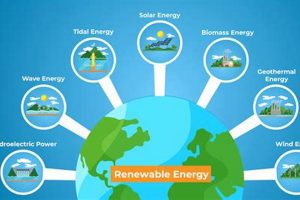
Sustainable energy sources replenish themselves naturally over a relatively short period, unlike fossil fuels, which are finite. Examples include solar, wind, hydro, geothermal, and biomass energy. These sources harness naturally occurring phenomena like sunlight, wind currents, the water cycle, and Earth’s internal heat. Biomass utilizes organic matter, from wood to agricultural residues, as fuel.
Harnessing these resources offers significant advantages, reducing reliance on depleting fossil fuels and mitigating their associated environmental impacts, such as greenhouse gas emissions. The shift toward sustainable practices is essential for combating climate change and ensuring long-term energy security. Historically, reliance on renewable sources like wind and water power predates the widespread adoption of fossil fuels. The current resurgence of interest in these technologies represents a return to these fundamental principles, albeit with significantly advanced technological capabilities.
Further exploration of specific sustainable energy technologies, their practical applications, and their role in the global energy transition will follow.
Tips for Transitioning to Sustainable Energy
The following tips offer guidance for individuals and communities interested in adopting sustainable energy practices.
Tip 1: Evaluate Energy Consumption: Understanding current energy usage patterns is the first step towards effective change. Conduct an energy audit to identify areas for improvement and potential savings.
Tip 2: Explore Available Incentives: Many governments and organizations offer financial incentives, such as tax credits and rebates, to encourage the adoption of sustainable energy technologies. Research applicable programs to maximize cost-effectiveness.
Tip 3: Consider Local Resources: The suitability of specific sustainable energy technologies varies depending on geographical location and available resources. Assess the potential of solar, wind, geothermal, or other options based on local conditions.
Tip 4: Invest in Energy Efficiency: Implementing energy efficiency measures, like insulation and energy-efficient appliances, reduces overall energy demand and maximizes the benefits of sustainable energy investments.
Tip 5: Support Sustainable Energy Policies: Advocate for policies that promote the development and implementation of sustainable energy technologies at the local and national levels.
Tip 6: Research and Compare Technologies: Different sustainable energy technologies have varying costs, benefits, and environmental impacts. Thorough research is essential for making informed decisions.
Tip 7: Engage with Community Initiatives: Explore local community solar projects or other collaborative initiatives to participate in the transition to sustainable energy even without direct rooftop installations.
By implementing these tips, individuals and communities can contribute to a more sustainable energy future and reduce their environmental footprint.
The transition to sustainable energy represents a significant shift toward a more resilient and environmentally responsible energy landscape.
1. Sustainable
Sustainability lies at the heart of renewable energy. Renewable energy sources are inherently sustainable due to their capacity for replenishment over relatively short periods. This contrasts sharply with finite fossil fuels, whose extraction and consumption deplete a limited resource. The continuous natural regeneration of renewable energy sources, such as solar radiation, wind, and water flow, ensures a consistent supply for future generations. This inherent sustainability reduces dependence on dwindling resources and contributes significantly to long-term energy security. For example, solar farms harnessing sunlight do not deplete the sun’s energy, ensuring a continuous energy supply as long as the sun shines. Similarly, wind turbines convert wind energy into electricity without diminishing the wind itself.
The sustainability of renewable energy extends beyond resource availability. It encompasses environmental considerations. Utilizing these resources minimizes the environmental impact associated with energy production. Unlike fossil fuels, renewable energy sources generate minimal greenhouse gas emissions, a primary driver of climate change. They also reduce reliance on environmentally damaging extraction processes, such as mining and drilling. For instance, geothermal power plants harness heat from the Earth’s core, producing electricity with significantly lower greenhouse gas emissions compared to coal-fired power plants. The environmental sustainability of these energy sources contributes to a healthier planet and mitigates the risks associated with climate change.
Understanding the connection between sustainability and renewable energy is fundamental to promoting a responsible energy future. This understanding informs policy decisions, technological advancements, and individual choices. While challenges remain in terms of infrastructure development and storage solutions, the inherent sustainability of renewable energy positions it as a cornerstone of future energy systems. Transitioning towards these resources is essential not only for environmental protection but also for ensuring a secure and sustainable energy supply for generations to come. This transition requires ongoing research, innovation, and policy support to overcome existing barriers and accelerate the widespread adoption of sustainable energy technologies.
2. Replenishable

The defining characteristic of renewable energy sources lies in their replenishability. This signifies their ability to regenerate naturally within a timeframe relevant to human energy consumption. Unlike fossil fuels, which require millennia to form, renewable resources are constantly replenished by natural processes. Solar energy, derived from sunlight, is a prime example. Sunlight continuously reaches Earth, providing a consistent source of energy regardless of human usage. Similarly, wind energy, driven by atmospheric pressure differences, is perpetually renewed by weather patterns. Hydropower relies on the water cycle, with rainfall and snowmelt replenishing water sources that drive turbines. This inherent replenishment cycle differentiates renewable energy from finite resources, ensuring a sustainable energy supply for the foreseeable future. The cause-and-effect relationship is clear: natural processes drive the replenishment of these resources, ensuring their continued availability for energy generation.
Replenishability is not merely a desirable feature of renewable energy; it is a fundamental component of its definition. Resources considered “renewable” must possess this capacity for natural regeneration. This characteristic has profound practical implications. It enables a transition away from finite resources, decreasing dependence on fossil fuels and their associated geopolitical and environmental challenges. For instance, the continuous replenishment of solar energy allows solar farms to generate electricity without depleting the resource itself. This creates a more secure energy future, less vulnerable to price volatility and resource scarcity. Similarly, the ongoing nature of the water cycle ensures a consistent supply of energy for hydropower plants, reducing reliance on finite energy sources. The practical significance of this understanding lies in the potential for long-term energy independence and stability.
In summary, replenishability is a critical attribute of renewable energy, distinguishing it from finite fossil fuels. This inherent capacity for regeneration ensures a sustainable and secure energy future. While technological advancements continue to improve the efficiency and affordability of renewable energy technologies, the fundamental principle of replenishability remains at its core. Addressing the challenges of intermittency and storage remains crucial for maximizing the potential of these resources. Continued investment in research, development, and infrastructure is essential for fully realizing the promise of a replenishable energy future.
3. Environmentally friendly

The environmental friendliness of renewable energy sources constitutes a primary driver for their adoption. Unlike fossil fuels, which release significant greenhouse gases and pollutants during combustion, renewable energy sources offer a cleaner alternative. Solar, wind, hydro, and geothermal power generation produce minimal to no greenhouse gas emissions during operation. This significantly reduces their contribution to climate change compared to conventional energy sources. The cause-and-effect relationship is clear: the utilization of renewable energy mitigates atmospheric pollution and its associated environmental consequences. Biomass energy, while emitting some carbon dioxide during combustion, is considered carbon-neutral as the carbon released was previously absorbed by the plants during their growth. This inherent environmental advantage is fundamental to the definition of “renewable” as it implies not only resource replenishment but also minimized environmental impact. For example, replacing a coal-fired power plant with a solar farm significantly reduces sulfur dioxide and nitrogen oxide emissions, which contribute to acid rain and respiratory problems. Similarly, wind farms displace the need for fossil fuel-based electricity generation, reducing the overall carbon footprint of energy consumption.
The environmental benefits of renewable energy extend beyond reduced emissions. Hydroelectric dams, while providing clean energy, can alter river ecosystems. Wind turbines can pose a threat to birds and bats. Solar farms require land use that can impact local habitats. However, these environmental impacts are often localized and less severe than the widespread effects of fossil fuel extraction and combustion, such as habitat destruction from mining and air and water pollution from power plants. Moreover, technological advancements and careful planning can minimize these impacts. For example, bird-friendly wind turbine designs and strategic placement of solar farms can mitigate ecological disruptions. Understanding these nuances is crucial for responsible development and deployment of renewable energy technologies. Life cycle assessments, which consider the environmental impacts of a technology from cradle to grave, provide a comprehensive evaluation of the overall environmental footprint.
In summary, the environmentally friendly nature of renewable energy is not merely a desirable benefit; it is a defining characteristic. While not entirely without environmental impact, renewable energy sources offer a significantly cleaner alternative to fossil fuels, reducing greenhouse gas emissions, mitigating air and water pollution, and minimizing habitat destruction. Addressing the remaining environmental challenges through technological innovation and responsible planning is crucial for maximizing the positive environmental impact of the transition to a renewable energy future. Continued research and development are essential for further reducing the environmental footprint of these technologies and ensuring their long-term sustainability.
4. Naturally Occurring

The “naturally occurring” aspect of renewable energy sources is fundamental to their definition and underscores their inherent sustainability. These energy sources derive from natural processes continuously unfolding within the Earth’s environment. Solar energy originates from the sun’s constant nuclear fusion, radiating outwards and reaching Earth as sunlight. Wind energy arises from atmospheric pressure differences caused by uneven heating of the Earth’s surface by the sun. Hydropower harnesses the energy of flowing water, driven by the natural water cycle of evaporation, precipitation, and runoff. Geothermal energy taps into the Earth’s internal heat, a product of radioactive decay and residual heat from planetary formation. Biomass energy utilizes organic matter, a product of natural biological processes. This reliance on naturally occurring phenomena distinguishes renewable energy from fossil fuels, which require extraction from finite geological reserves. The cause-and-effect relationship is clear: natural processes drive the continuous replenishment of these energy sources, ensuring their availability without human intervention in their creation. For example, solar panels passively capture readily available sunlight, converting it directly into electricity. Wind turbines harness the kinetic energy of naturally occurring wind currents. This direct utilization of natural phenomena eliminates the need for resource extraction, a key differentiator from fossil fuel-based energy systems.
The “naturally occurring” nature of renewable energy has significant practical implications. It allows for decentralized energy generation, reducing reliance on large, centralized power plants. Solar panels can be installed on rooftops, wind turbines can be erected in rural areas, and geothermal systems can provide localized heating and cooling. This distributed generation enhances energy security by diversifying energy sources and reducing vulnerability to disruptions in centralized supply chains. For example, a community powered by a combination of solar, wind, and geothermal energy is less reliant on distant fossil fuel power plants and therefore less susceptible to fuel price fluctuations or supply disruptions. This decentralized approach fosters greater energy independence and resilience, particularly in remote or isolated communities. Moreover, the utilization of naturally occurring resources minimizes the environmental disruption associated with resource extraction, such as mining or drilling, preserving natural ecosystems and reducing pollution. This further reinforces the sustainability and environmental benefits of renewable energy systems.
In summary, the “naturally occurring” attribute of renewable energy sources is intrinsically linked to their sustainability and practical advantages. By harnessing continuously available natural phenomena, these energy sources offer a pathway to a more secure, decentralized, and environmentally responsible energy future. Addressing the intermittency of some renewable sources, such as solar and wind, through advancements in energy storage technologies remains a key focus for maximizing their potential. Continued investment in research, development, and infrastructure will be crucial for fully realizing the promise of a sustainable energy system built upon naturally occurring resources.
5. Diverse Sources
The diversity of renewable energy sources is a crucial aspect of their potential to transform global energy systems. A range of technologies harnesses distinct natural phenomena, offering flexibility and adaptability in diverse geographical and climatic contexts. Examining this diversity provides insights into the multifaceted nature of renewable energy and its capacity to address varied energy needs.
- Solar Energy
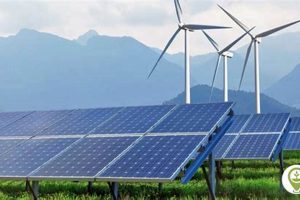
Solar energy captures sunlight using photovoltaic cells or concentrated solar power systems. Photovoltaic cells directly convert sunlight into electricity, while concentrated solar power uses mirrors to focus sunlight, heating a fluid that generates steam to drive turbines. Examples include rooftop solar installations powering homes and large-scale solar farms contributing to national grids. This technology is particularly effective in sun-rich regions and offers decentralized energy generation potential.
- Wind Energy
Wind energy utilizes wind turbines to convert the kinetic energy of wind into electricity. Turbines range from small-scale residential turbines to large-scale offshore wind farms. Coastal regions and areas with consistent wind patterns are particularly suitable for wind energy development. Examples include offshore wind farms in the North Sea and onshore wind farms across the Great Plains of North America. Wind energy offers a scalable and increasingly cost-competitive renewable energy solution.
- Hydropower
Hydropower harnesses the energy of moving water to generate electricity. This can involve large-scale hydroelectric dams or smaller run-of-river systems that minimize environmental impact. Regions with substantial river systems or elevation changes are ideal for hydropower projects. Examples include the Three Gorges Dam in China and the Itaipu Dam in South America. Hydropower provides a reliable source of baseload power but requires careful consideration of ecological impacts.
- Geothermal Energy
Geothermal energy utilizes heat from the Earth’s interior for electricity generation or direct heating and cooling. Geothermal power plants tap into underground reservoirs of steam or hot water, while geothermal heat pumps utilize stable ground temperatures for heating and cooling buildings. Geographically limited to areas with high geothermal activity, such as Iceland and parts of the western United States, geothermal energy offers a continuous and reliable energy source.
The diversity of these renewable energy sources provides a robust foundation for a sustainable energy future. Each technology offers unique advantages and suitability for different geographical and climatic conditions. Integrating these diverse sources into a cohesive energy system enhances resilience, reduces reliance on fossil fuels, and mitigates the environmental impacts associated with conventional energy generation. The continued development and deployment of these diverse technologies are crucial for achieving global climate goals and ensuring long-term energy security.
Frequently Asked Questions about Renewable Energy
This section addresses common inquiries regarding renewable energy technologies, their applications, and their role in the global energy transition.
Question 1: What distinguishes renewable energy sources from conventional energy sources?
Renewable energy sources replenish naturally over relatively short periods, unlike finite fossil fuels (coal, oil, and natural gas). This replenishment occurs through natural processes such as sunlight, wind, water flow, and geothermal heat.
Question 2: How does renewable energy contribute to environmental sustainability?
Renewable energy sources produce minimal greenhouse gas emissions during operation, mitigating air pollution and reducing the environmental impact associated with energy generation compared to fossil fuels.
Question 3: What are the primary types of renewable energy technologies currently available?
Primary renewable energy technologies include solar, wind, hydro, geothermal, and biomass. Each harnesses a distinct natural resource, offering diverse applications and suitability for different geographic regions.
Question 4: Are there limitations or challenges associated with renewable energy implementation?
Challenges include the intermittency of some resources (solar and wind), energy storage limitations, infrastructure development costs, and potential environmental impacts depending on the specific technology and location.
Question 5: How can individuals contribute to the transition to renewable energy?
Individuals can contribute by reducing energy consumption, exploring available incentives for renewable energy adoption, investing in energy-efficient technologies, and supporting policies that promote renewable energy development.
Question 6: What is the long-term outlook for renewable energy in the global energy landscape?
Renewable energy is poised to play an increasingly prominent role in the global energy landscape, driven by declining costs, technological advancements, growing environmental awareness, and supportive government policies. The ongoing transition towards renewable energy is crucial for achieving global climate goals and ensuring a sustainable energy future.
Understanding these fundamental aspects of renewable energy is essential for informed decision-making and active participation in the global energy transition.
The next section will delve into specific case studies of successful renewable energy projects worldwide.
Renewable Energy
Exploration of energy sources classified as “renewable” reveals their defining characteristic: the capacity for natural replenishment. Solar, wind, hydro, geothermal, and biomass energy derive from perpetually available or naturally recurring resources. This inherent replenishability distinguishes them from finite fossil fuels, offering a pathway towards long-term energy security. Furthermore, the utilization of these resources generally results in significantly lower greenhouse gas emissions and reduced environmental impact compared to conventional energy generation, mitigating climate change and promoting environmental sustainability. The diversity of these resources allows for adaptable implementation across various geographical and climatic contexts, enhancing energy independence and resilience.
The transition to renewable energy represents not merely a technological shift, but a fundamental realignment of human interaction with the environment. Continued investment in research, development, and infrastructure is essential for realizing the full potential of these resources. Embracing sustainable energy practices is crucial not only for mitigating environmental challenges but also for securing a stable and prosperous energy future for generations to come.