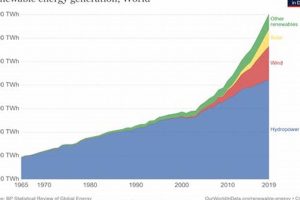
Conventional energy sources, primarily fossil fuels (coal, oil, and natural gas), release significant amounts of greenhouse gases, such as carbon dioxide, methane, and nitrous oxide, when burned to generate electricity or power vehicles. These gases trap heat in the atmosphere, contributing to global warming and climate change. In contrast, renewable energy sources like solar, wind, hydro, geothermal, and biomass derive their power from natural processes that are constantly replenished. Solar panels convert sunlight directly into electricity, wind turbines capture the kinetic energy of wind, hydroelectric dams harness the power of flowing water, geothermal plants tap into the Earth’s internal heat, and biomass utilizes organic matter for energy production. These processes produce little to no greenhouse gas emissions during operation.
Minimizing reliance on fossil fuels through the adoption of renewable energy is critical for mitigating climate change and its associated impacts, such as rising sea levels, extreme weather events, and disruptions to ecosystems. Historically, societies have been heavily dependent on fossil fuels, but the increasing awareness of their environmental consequences has spurred a global transition towards cleaner energy alternatives. Renewable energy offers a sustainable path toward decarbonizing the energy sector, improving air quality, and enhancing energy security by reducing dependence on finite fossil fuel reserves.
The following sections will delve deeper into the specific mechanisms by which different renewable energy technologies contribute to greenhouse gas reduction, explore the economic and social benefits of this transition, and discuss the challenges and opportunities associated with widespread renewable energy deployment.
Tips for Supporting Renewable Energy and Reducing Greenhouse Gas Emissions
Transitioning to a cleaner energy future requires collective action. The following tips provide practical strategies for supporting renewable energy adoption and contributing to greenhouse gas emission reductions.
Tip 1: Invest in Energy-Efficient Appliances: Choosing appliances with high energy efficiency ratings, such as Energy Star certified products, reduces overall electricity consumption, thus lessening the demand for power generation from greenhouse gas-emitting sources.
Tip 2: Support Renewable Energy Initiatives: Advocate for policies that promote renewable energy development and deployment, including tax incentives, renewable portfolio standards, and streamlined permitting processes.
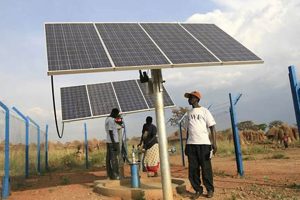
Tip 3: Explore Rooftop Solar Installations: Consider installing solar panels on residential or commercial rooftops to generate electricity directly from sunlight, reducing reliance on grid electricity sourced from fossil fuels.
Tip 4: Reduce Energy Consumption at Home and Work: Simple actions like turning off lights when leaving a room, using natural light whenever possible, and unplugging electronic devices when not in use can cumulatively contribute to significant energy savings.
Tip 5: Opt for Sustainable Transportation: Choose public transportation, cycling, walking, or electric vehicles whenever feasible to minimize reliance on gasoline-powered vehicles and reduce transportation-related emissions.
Tip 6: Educate and Engage with Others: Raising awareness about the benefits of renewable energy and the urgency of climate action can encourage broader adoption of sustainable practices within communities.
Tip 7: Support Businesses Committed to Sustainability: Patronize businesses that prioritize renewable energy use and sustainable practices, signaling market demand for environmentally responsible products and services.
By adopting these practices, individuals and communities can actively contribute to a cleaner, more sustainable energy future, reducing greenhouse gas emissions and mitigating the impacts of climate change.
These individual and collective actions are essential steps toward a more sustainable energy future. The concluding section will summarize the key benefits of transitioning to renewable energy and offer a vision for a decarbonized world.
1. Emission-free operation

Emission-free operation is a defining characteristic of renewable energy technologies and a primary driver of their contribution to greenhouse gas reduction. Unlike conventional power plants that rely on the combustion of fossil fuels, renewable energy sources harness naturally occurring phenomenasunlight, wind, water flow, geothermal heatto generate electricity without releasing harmful pollutants into the atmosphere. This fundamental difference in operational processes directly addresses the root cause of greenhouse gas emissions from the energy sector.
The significance of emission-free operation becomes readily apparent when comparing renewable energy sources with fossil fuel counterparts. A coal-fired power plant, for example, releases substantial amounts of carbon dioxide, a potent greenhouse gas, during the combustion process. In contrast, a solar photovoltaic array generates electricity from sunlight without any direct emissions. Similarly, wind turbines harness the kinetic energy of wind, and hydroelectric dams utilize the potential energy of water, both operating without emitting greenhouse gases. These real-world examples illustrate the crucial role of emission-free operation in mitigating climate change.
Understanding the practical significance of emission-free operation is essential for informing policy decisions and promoting the widespread adoption of renewable energy. By transitioning away from fossil fuel-based electricity generation towards renewable sources, societies can substantially reduce their carbon footprint and mitigate the adverse effects of climate change. While challenges remain in terms of intermittency, storage, and infrastructure development, the emission-free nature of renewable energy operation represents a critical step towards a sustainable energy future.
2. Sustainable resource utilization

Sustainable resource utilization is intrinsically linked to the reduction of greenhouse gases through renewable energy. Fossil fuels, by definition, are finite resources extracted from the Earth, their use contributing to both resource depletion and greenhouse gas emissions. Renewable energy, conversely, relies on perpetually replenished resources like sunlight, wind, and water flow. This fundamental difference in resource utilization has profound implications for long-term environmental sustainability and climate change mitigation. Harnessing resources that regenerate naturally ensures a continuous supply of energy without the environmental consequences associated with resource extraction and depletion, a core component of how renewable energy reduces greenhouse gas emissions.
The practical implications of sustainable resource utilization in renewable energy are evident in various applications. Solar power, for instance, harnesses sunlight, an inexhaustible resource, converting it directly into electricity. Wind energy captures the kinetic energy of wind, a continuously replenished resource driven by atmospheric pressure differences. Hydropower leverages the natural water cycle, utilizing the potential energy of water stored at higher elevations. These examples demonstrate how renewable energy technologies harness naturally occurring, sustainable resources to generate power, effectively decoupling energy production from the consumption of finite resources and their associated environmental impacts. The shift towards sustainable resource utilization forms a cornerstone of the transition towards a cleaner, more sustainable energy future.
The transition to a renewable energy system powered by sustainably utilized resources offers significant long-term advantages. By reducing reliance on finite fossil fuels, renewable energy minimizes the environmental disruption associated with resource extraction, contributing to ecosystem preservation and reducing greenhouse gas emissions. Furthermore, the continuous replenishment of renewable resources ensures long-term energy security, reducing dependence on volatile global commodity markets and geopolitical instability. While challenges remain in optimizing resource utilization within renewable energy systems, the inherent sustainability of these resources offers a critical pathway towards a more environmentally and economically sound energy future.
3. Reduced air pollution

Reduced air pollution is a significant co-benefit of transitioning to renewable energy, directly linked to how these technologies mitigate greenhouse gas emissions. Combustion of fossil fuels releases not only greenhouse gases but also a range of air pollutants, including particulate matter, sulfur dioxide, nitrogen oxides, and volatile organic compounds. These pollutants contribute to respiratory illnesses, cardiovascular problems, and other health issues. Renewable energy sources, operating without combustion, inherently avoid these air quality problems, offering a cleaner, healthier environment.
The contrast between the air quality impacts of fossil fuels and renewable energy is stark. Coal-fired power plants, for example, are major sources of particulate matter, a pollutant linked to respiratory and cardiovascular diseases. Shifting to solar or wind power eliminates this pollution source, leading to tangible improvements in local air quality. Similarly, replacing gasoline-powered vehicles with electric vehicles powered by renewable energy reduces tailpipe emissions, further contributing to cleaner air in urban areas. These examples illustrate the direct, positive impact of renewable energy on air quality, a crucial factor often overlooked in discussions of climate change mitigation.
The practical significance of reduced air pollution from renewable energy extends beyond immediate health benefits. Improved air quality translates to reduced healthcare costs, increased worker productivity, and enhanced overall quality of life. Furthermore, mitigating air pollution can lessen the environmental damage associated with acid rain and smog, preserving ecosystems and protecting biodiversity. Integrating air quality considerations into energy policy decisions strengthens the case for renewable energy adoption, highlighting its multifaceted benefits for both human health and the environment. While challenges remain in addressing the lifecycle impacts of renewable energy technologies, the significant air quality improvements they offer represent a compelling argument for accelerating the transition to a cleaner energy future.
4. Climate change mitigation

Climate change mitigation is inextricably linked to the reduction of greenhouse gas emissions, and renewable energy plays a pivotal role in achieving this objective. The burning of fossil fuels for energy production is a primary driver of anthropogenic climate change, releasing substantial quantities of greenhouse gases into the atmosphere. These gases trap heat, leading to a warming planet and associated climate disruptions. Renewable energy technologies offer a pathway to decarbonize the energy sector, mitigating climate change by fundamentally altering how energy is generated and consumed. The shift from fossil fuel-based energy to renewable sources directly addresses the root cause of human-induced climate change.
The practical significance of renewable energy in climate change mitigation can be observed through real-world examples. Replacing a coal-fired power plant with a solar farm significantly reduces carbon dioxide emissions, directly mitigating the plant’s contribution to climate change. Similarly, transitioning transportation systems from gasoline-powered vehicles to electric vehicles powered by renewable energy reduces tailpipe emissions, further contributing to climate change mitigation efforts. These examples demonstrate the tangible impact of renewable energy deployment on reducing greenhouse gas emissions and mitigating the drivers of climate change. Large-scale deployment of renewable energy, coupled with energy efficiency measures, is crucial for achieving global climate goals and averting the most severe consequences of climate change.
The transition to a renewable energy-powered future presents both opportunities and challenges. While renewable energy technologies offer a viable pathway to decarbonize the energy sector and mitigate climate change, significant investments in infrastructure, research, and development are required to fully realize their potential. Furthermore, addressing intermittency issues associated with some renewable energy sources, such as solar and wind, requires innovative storage solutions and grid management strategies. Overcoming these challenges is essential for achieving a sustainable energy future and effectively mitigating the long-term impacts of climate change. The successful integration of renewable energy into the global energy mix will be crucial for achieving climate stability and ensuring a sustainable future for generations to come.
5. Enhanced energy security

Enhanced energy security is a critical benefit intertwined with the greenhouse gas reductions achieved through renewable energy adoption. Reliance on fossil fuels often entails dependence on volatile global markets and geopolitical factors, creating vulnerabilities in energy supply. Renewable energy sources, being domestically available in many cases, enhance energy independence and security. This reduces vulnerability to price fluctuations and supply disruptions associated with fossil fuels, bolstering national energy resilience. By diversifying energy sources and reducing reliance on imported fuels, nations can strengthen their energy security while simultaneously mitigating greenhouse gas emissionsa key aspect of how renewable energy contributes to a more stable and sustainable future.
The practical implications of enhanced energy security through renewable energy are evident in various contexts. A nation heavily reliant on imported oil for transportation, for example, can enhance its energy security by transitioning to electric vehicles powered by domestically sourced renewable electricity. This reduces reliance on volatile oil markets and strengthens domestic energy infrastructure. Similarly, island nations dependent on imported diesel for electricity generation can achieve greater energy independence by deploying solar and wind power, reducing their vulnerability to fuel price fluctuations and supply disruptions. These examples illustrate the tangible link between renewable energy adoption and enhanced energy security, demonstrating how climate change mitigation strategies can simultaneously strengthen national energy resilience.
The transition to renewable energy offers a pathway to enhance energy security while mitigating climate change. While challenges remain in terms of infrastructure development and integration of intermittent renewable sources, the long-term benefits of enhanced energy independence and reduced reliance on volatile fossil fuel markets are substantial. Strengthening energy security through renewable energy adoption not only reduces greenhouse gas emissions but also fosters greater economic stability and reduces geopolitical vulnerabilities. Addressing these interconnected challenges is essential for achieving a sustainable energy future that balances environmental protection with national energy security needs. A comprehensive understanding of these interconnected benefits strengthens the imperative for transitioning to a renewable energy-powered world.
Frequently Asked Questions about Renewable Energy and Greenhouse Gas Reduction
This section addresses common inquiries regarding the role of renewable energy in mitigating greenhouse gas emissions, providing concise and informative responses.
Question 1: How significantly can renewable energy reduce greenhouse gas emissions compared to fossil fuels?
Renewable energy sources produce little to no greenhouse gases during operation, offering a substantial reduction compared to fossil fuels, which release significant amounts of greenhouse gases upon combustion. The exact reduction depends on the specific renewable technology and the fossil fuel it replaces.
Question 2: Are there any greenhouse gas emissions associated with the manufacturing and disposal of renewable energy technologies?
While the operation of renewable energy technologies is generally emission-free, some greenhouse gas emissions are associated with the manufacturing and disposal processes. However, lifecycle assessments consistently demonstrate that the overall emissions from renewable energy are significantly lower than those from fossil fuels.
Question 3: How does the intermittency of renewable energy sources, such as solar and wind, affect their ability to reduce greenhouse gas emissions reliably?
Intermittency is addressed through grid management strategies, energy storage technologies (like batteries and pumped hydro), and diversification of renewable energy sources. These approaches ensure a reliable supply of electricity while maximizing the greenhouse gas reduction benefits.
Question 4: What are the economic implications of transitioning to a renewable energy-based economy?
Transitioning to renewable energy creates new economic opportunities in manufacturing, installation, maintenance, and research. It also reduces reliance on volatile fossil fuel markets, enhancing energy price stability and stimulating economic growth.
Question 5: How can individuals contribute to the transition to renewable energy and support greenhouse gas emission reductions?
Individuals can support renewable energy by investing in energy-efficient appliances, advocating for supportive policies, exploring rooftop solar installations, reducing energy consumption at home and work, and opting for sustainable transportation options.
Question 6: What are the key barriers to widespread renewable energy adoption, and how can they be overcome?
Key barriers include upfront costs, infrastructure development needs, and policy and regulatory frameworks. Overcoming these barriers requires targeted investments, supportive policies, technological advancements, and public awareness campaigns.
Transitioning to renewable energy offers a viable and essential pathway to mitigate climate change and build a more sustainable future. Addressing common concerns and misconceptions surrounding renewable energy empowers informed decision-making and accelerates the global shift towards cleaner energy sources.
The following section will explore future trends and innovations in renewable energy technologies, offering a glimpse into the evolving landscape of sustainable energy solutions.
Conclusion
Renewable energy’s role in greenhouse gas reduction is multifaceted. Its operation avoids the direct emissions associated with fossil fuel combustion. The utilization of perpetually replenished resources like sunlight, wind, and water offers a sustainable alternative to finite fossil fuels. The resulting reduction in air pollution offers significant public health benefits. These factors coalesce to mitigate climate change, enhancing energy security and fostering a more sustainable energy landscape. The transition to renewable energy is not merely a technological shift; it represents a fundamental change in how energy is generated, consumed, and valued.
The imperative to transition towards renewable energy sources is underscored by the urgency of addressing climate change and ensuring a sustainable future. While challenges remain in terms of technological advancements, infrastructure development, and policy frameworks, the long-term benefits of reduced greenhouse gas emissions, enhanced energy security, and improved public health are undeniable. Continued investment in research, development, and deployment of renewable energy technologies is essential. The future of energy hinges on embracing sustainable alternatives and mitigating the environmental consequences of conventional energy sources. The transition to renewable energy is not simply an option; it is a necessity for a sustainable and prosperous future.