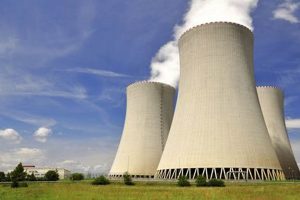
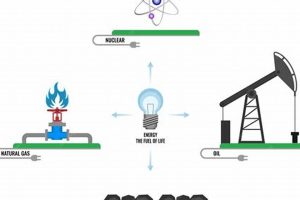
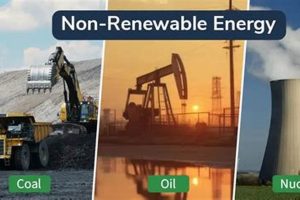
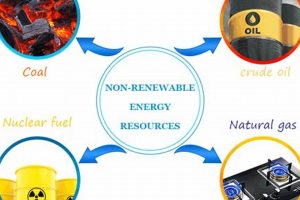
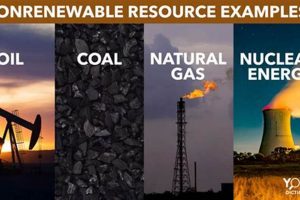
Sustainable power sources, like solar, wind, hydro, geothermal, and biomass, replenish naturally over relatively short periods. Conversely, finite resources such as fossil fuels (coal, oil, and natural gas) and nuclear energy, derived from uranium, are consumed faster than they are replenished by geological processes, making their availability limited.
The shift towards sustainable power is critical for mitigating climate change, reducing air pollution, enhancing energy security, and fostering economic growth through job creation and technological innovation. Historically, societies relied heavily on finite resources, leading to environmental challenges and geopolitical dependencies. The growing awareness of these issues has propelled the development and adoption of sustainable alternatives.
This discussion will further explore the distinct characteristics, advantages, and challenges associated with both sustainable and finite energy sources, providing a comprehensive understanding of the evolving energy landscape.
Tips for Transitioning to Sustainable Practices
Implementing sustainable energy solutions can significantly reduce environmental impact and promote long-term energy independence. The following tips offer guidance for individuals, businesses, and communities seeking to adopt more responsible energy practices.
Tip 1: Conduct an Energy Audit: Assessing current energy consumption patterns provides a baseline for identifying areas for improvement and potential energy savings. Specialized audits can offer detailed insights into building efficiency and equipment performance.
Tip 2: Invest in Energy-Efficient Appliances: Replacing outdated appliances with Energy Star certified models can significantly reduce electricity consumption and lower utility bills.
Tip 3: Explore Renewable Energy Options: Consider installing solar panels, wind turbines, or geothermal systems to generate clean energy on-site. Government incentives and tax credits may be available to offset initial investment costs.
Tip 4: Optimize Building Insulation: Proper insulation minimizes energy loss by preventing heat transfer, reducing the need for excessive heating and cooling.
Tip 5: Promote Sustainable Transportation: Encourage the use of public transportation, cycling, walking, and electric vehicles to reduce reliance on fossil fuels and minimize greenhouse gas emissions.
Tip 6: Support Sustainable Energy Policies: Advocate for policies that promote renewable energy development, energy efficiency standards, and carbon reduction targets.
Tip 7: Educate and Engage Communities: Raising awareness about the benefits of sustainable practices can inspire collective action and drive broader societal change.
Adopting these practices contributes to a more sustainable energy future, mitigating environmental impact and promoting economic stability.
These actionable steps offer a pathway towards a future powered by clean, reliable, and sustainable resources.
1. Source Replenishment

A fundamental distinction between renewable and non-renewable energy lies in the replenishment rate of their respective sources. This characteristic significantly impacts long-term sustainability and energy security. Examining source replenishment reveals core differences in resource availability and environmental impact.
- Natural Replenishment Rates
Renewable resources are replenished by natural processes at a pace comparable to or faster than their consumption rate. Solar energy, derived from sunlight, and wind energy, generated by atmospheric circulation, exemplify continuous replenishment. Conversely, non-renewable resources, formed over geological timescales, are depleted far more rapidly than nature can replace them. Fossil fuels, extracted from deep underground, illustrate this finite nature.
- Resource Depletion
Continuous extraction of non-renewable resources leads to depletion, creating concerns about future energy availability and price volatility. Reliance on finite resources necessitates exploration of alternative energy sources to ensure long-term energy security. Renewable resources, however, offer a sustainable solution by minimizing depletion risks.
- Environmental Impact of Extraction
The extraction and processing of non-renewable resources often entail significant environmental consequences. Fossil fuel extraction can lead to habitat destruction, water contamination, and greenhouse gas emissions. Renewable resource harnessing generally exhibits a lower environmental footprint. While some impact exists (e.g., land use for solar farms), it is typically less intensive and disruptive.
- Sustainable Energy Strategies
Understanding replenishment rates is crucial for developing sustainable energy strategies. Transitioning towards renewable sources mitigates resource depletion concerns and reduces reliance on environmentally damaging extraction processes. Diversifying energy portfolios to incorporate renewable options contributes to long-term energy security and environmental sustainability.
Replenishment rates underpin the core definition of renewable and non-renewable energy, driving the global shift towards sustainable energy solutions. The finite nature of non-renewable resources necessitates a transition to renewable alternatives to ensure a secure and environmentally responsible energy future.
2. Environmental Impact

A critical aspect of the dichotomy between renewable and non-renewable energy sources lies in their respective environmental impacts. Evaluating these impacts is essential for informed decision-making regarding energy production and consumption, ultimately shaping a sustainable energy future. The following facets illuminate the environmental consequences associated with each energy type.
- Greenhouse Gas Emissions
Fossil fuel combustion releases significant quantities of greenhouse gases, primarily carbon dioxide, contributing to climate change. Renewable energy sources, in contrast, generate minimal greenhouse gas emissions during operation, mitigating atmospheric pollution and its associated environmental consequences. For example, solar and wind power produce electricity without direct greenhouse gas emissions, while hydroelectric power’s emissions are significantly lower than those from fossil fuel-based power plants. This difference in emissions profiles is a key driver in the transition towards renewable energy.
- Air and Water Pollution
Non-renewable energy extraction and combustion processes often contribute to air and water pollution. Coal-fired power plants, for instance, release particulate matter, sulfur dioxide, and nitrogen oxides into the atmosphere, impacting air quality and respiratory health. Oil spills and fracking operations can contaminate water sources, posing risks to ecosystems and human health. Renewable energy sources offer a cleaner alternative, minimizing air and water pollution and promoting environmental preservation. While some renewable technologies, like hydropower, can have localized environmental impacts on water bodies, their overall pollution footprint is generally lower than that of non-renewable sources.
- Land Use and Habitat Disruption
Energy production, regardless of the source, often requires land utilization, potentially disrupting natural habitats. Large-scale solar and wind farms require substantial land areas, while fossil fuel extraction activities, such as mining and drilling, can fragment landscapes and alter ecosystems. Hydroelectric dams can inundate vast areas, displacing wildlife and altering river flows. The land use intensity and habitat disruption associated with each energy source vary, necessitating careful planning and mitigation strategies to minimize environmental impact.
- Waste Generation and Disposal
Non-renewable energy sources, particularly nuclear power, generate radioactive waste requiring specialized long-term storage solutions. Fossil fuel combustion produces ash and other byproducts that require disposal, potentially contaminating soil and water resources. Renewable energy technologies generate minimal waste during operation, although the manufacturing and disposal of components, such as solar panels and wind turbine blades, present challenges that require ongoing innovation and sustainable recycling practices.
Considering the environmental impacts of energy production is crucial for promoting sustainable development. The transition towards renewable energy sources offers a pathway to mitigate pollution, reduce greenhouse gas emissions, and minimize habitat disruption, contributing to a healthier and more sustainable planet. While challenges remain in implementing renewable energy systems, the long-term environmental benefits significantly outweigh those associated with continued reliance on non-renewable resources.
3. Resource Availability
Resource availability is a defining characteristic differentiating renewable and non-renewable energy sources. Non-renewable resources, such as fossil fuels (coal, oil, and natural gas) and uranium (for nuclear power), exist in finite quantities. Their formation takes geological timescales, rendering their replenishment rate insignificant compared to current consumption rates. This finite nature necessitates strategic management and exploration of alternative energy sources. Conversely, renewable resources, including solar, wind, hydro, geothermal, and biomass, are naturally replenished at a rate equal to or exceeding their consumption. Sunlight, wind, water flow, and geothermal heat are virtually inexhaustible on human timescales, offering a sustainable foundation for long-term energy production.
The geographic distribution of resources further complicates availability. Fossil fuel reserves are concentrated in specific regions, creating geopolitical dependencies and potential vulnerabilities. Access to these resources can influence international relations and energy security. Renewable resources, while more geographically dispersed, exhibit variability. Solar energy potential is highest in sunny regions, while wind resources are strongest in coastal areas or mountainous terrain. Understanding these distribution patterns is crucial for optimizing renewable energy infrastructure and ensuring reliable energy access. For instance, countries with limited fossil fuel reserves may prioritize developing their abundant solar or wind resources to enhance energy independence.
The contrasting availability profiles of renewable and non-renewable resources have profound implications for future energy planning. Dependence on finite resources necessitates a transition towards renewable alternatives to ensure long-term energy security and mitigate the environmental consequences associated with non-renewable energy extraction and consumption. Investing in renewable energy technologies, optimizing resource management strategies, and diversifying energy portfolios are crucial steps towards a sustainable energy future. Addressing the challenges associated with resource variability, such as intermittency of solar and wind power, requires innovative solutions like energy storage technologies and grid management systems to ensure a reliable and resilient energy supply.
4. Cost Fluctuations

Cost fluctuations represent a significant factor in the ongoing debate surrounding renewable and non-renewable energy sources. Non-renewable energy prices, particularly for fossil fuels, are inherently volatile, subject to geopolitical events, market speculation, and fluctuating supply and demand dynamics. Oil price shocks, for instance, can significantly impact global economies and energy markets. Renewable energy sources, while exhibiting higher upfront capital costs for infrastructure development, offer greater price stability over the long term. Operating costs are generally lower due to the absence of fuel purchase requirements. This inherent price stability can shield consumers and economies from the volatile price swings characteristic of fossil fuel markets.
The initial investment costs for renewable energy technologies, such as solar panels, wind turbines, and geothermal power plants, have historically been a barrier to widespread adoption. However, technological advancements and economies of scale have significantly reduced these costs in recent years, making renewable energy increasingly competitive with non-renewable sources. Government incentives, such as tax credits and subsidies, further reduce the financial burden of transitioning to renewable energy. Furthermore, advancements in energy storage technologies are addressing the intermittency challenges associated with some renewable sources, enhancing their reliability and economic viability. The decreasing cost of battery storage, for instance, enables more effective utilization of solar and wind power, even when the sun isn’t shining or the wind isn’t blowing.
Understanding cost fluctuations and long-term price trends is crucial for informed energy policy decisions. While short-term price volatility in fossil fuel markets can create economic uncertainty, the long-term price stability and declining costs associated with renewable energy technologies offer a compelling argument for transitioning towards a sustainable energy future. Investing in renewable energy infrastructure, coupled with supportive policies and technological innovation, can lead to greater energy independence, reduced greenhouse gas emissions, and a more stable energy market. Careful consideration of cost dynamics and lifecycle analysis of energy projects are essential for maximizing economic benefits and achieving sustainable development goals.
5. Energy Security

Energy security is intrinsically linked to the choice between renewable and non-renewable energy sources. Reliance on finite, geographically concentrated resources, such as fossil fuels, creates vulnerabilities. Price volatility stemming from geopolitical instability, supply disruptions, and market manipulation can jeopardize national energy security. Diversifying energy portfolios with renewable sources enhances energy independence by reducing reliance on imported fuels. Domestically sourced renewable energy, such as solar, wind, and geothermal, insulates nations from global energy market fluctuations, bolstering energy security and resilience. For example, nations heavily reliant on imported natural gas may experience energy insecurity during geopolitical conflicts or supply disruptions. Investing in domestic renewable energy capacity mitigates this risk by reducing dependence on external sources.
The distributed nature of renewable energy resources further strengthens energy security. Unlike centralized power plants fueled by fossil fuels or uranium, renewable energy generation can be decentralized, utilizing rooftop solar panels, small-scale wind turbines, and community-based renewable energy projects. This distributed generation model enhances resilience against natural disasters and targeted attacks, which can cripple centralized power grids. Moreover, the modularity of renewable energy systems allows for rapid deployment and scalability, adapting to evolving energy demands and enhancing energy access in remote or underserved areas. Microgrids powered by renewable energy can provide critical services during grid outages, further bolstering energy security at the local level. For instance, following a natural disaster, communities with distributed solar and battery storage can maintain essential services while the larger grid is restored.
Transitioning to renewable energy is not merely an environmental imperative but a strategic necessity for enhancing energy security. Reducing dependence on finite, geographically concentrated resources mitigates vulnerabilities to price volatility and supply disruptions. The distributed nature of renewable energy strengthens grid resilience and enhances energy access. Investing in renewable energy infrastructure, coupled with robust energy storage solutions and smart grid technologies, offers a pathway towards a more secure, sustainable, and resilient energy future. Addressing the intermittency challenges associated with some renewable sources through technological advancements and grid management strategies is crucial for ensuring reliable energy supply and maximizing the energy security benefits of renewable resources.
6. Technological Advancement
Technological advancement plays a crucial role in the evolving landscape of energy production and consumption, significantly impacting both renewable and non-renewable energy sources. Innovation drives efficiency improvements, cost reductions, and the development of novel solutions that shape the future of energy. Examining the interplay between technology and energy reveals key trends and opportunities for a sustainable energy transition.
- Renewable Energy Innovation
Technological breakthroughs are continuously enhancing the efficiency and affordability of renewable energy technologies. Advancements in photovoltaic cell technology, for instance, have dramatically increased the efficiency and reduced the cost of solar panels, making solar power increasingly competitive with conventional energy sources. Similarly, innovations in wind turbine design, including larger rotor diameters and improved blade aerodynamics, enhance energy capture and reduce the cost of wind energy. These advancements are crucial for accelerating the adoption of renewable energy and achieving a sustainable energy mix.
- Energy Storage Solutions
Addressing the intermittency of renewable energy sources, such as solar and wind power, requires efficient and cost-effective energy storage solutions. Technological advancements in battery technology, pumped hydro storage, and other storage methods are crucial for ensuring a reliable and continuous energy supply from renewable sources. Improved battery chemistries and declining battery costs are enabling wider deployment of grid-scale energy storage systems, enhancing the reliability and dispatchability of renewable energy. These advancements are essential for integrating higher percentages of renewable energy into existing power grids.
- Smart Grid Technologies
Modernizing power grids with smart grid technologies enhances the efficiency, reliability, and flexibility of electricity transmission and distribution. Smart grids utilize digital communication technologies and advanced sensors to monitor and control energy flow, optimizing grid performance and enabling greater integration of renewable energy sources. Demand-side management programs, facilitated by smart grid technologies, can balance energy supply and demand, reducing peak loads and improving grid stability. These advancements are essential for creating a more resilient and adaptable energy infrastructure capable of accommodating the increasing penetration of renewable energy.
- Fossil Fuel Efficiency Improvements
While the focus shifts towards renewable energy, technological advancements continue to improve the efficiency of fossil fuel-based power generation. Advanced combustion technologies, carbon capture and storage (CCS) systems, and enhanced oil and gas extraction techniques aim to reduce the environmental impact of fossil fuels. However, these technologies often face economic and scalability challenges. While efficiency improvements can mitigate some environmental impacts, they do not address the fundamental limitations of finite fossil fuel resources. The long-term focus remains on transitioning to renewable energy sources for a truly sustainable energy future.
Technological advancements are pivotal in shaping the future of energy. While innovations in renewable energy technologies, energy storage solutions, and smart grids are driving the transition towards a sustainable energy future, improvements in fossil fuel efficiency offer a bridge towards this transition. Continued investment in research and development, coupled with supportive policies, is crucial for accelerating the adoption of clean energy technologies and achieving a secure, reliable, and environmentally responsible energy system. The interplay between technological progress and energy choices will ultimately determine the trajectory of the global energy landscape.
Frequently Asked Questions
Addressing common inquiries regarding sustainable and finite energy sources provides clarity for informed decision-making and promotes broader understanding of the evolving energy landscape.
Question 1: What is the primary difference between renewable and non-renewable energy?
Renewable energy sources replenish naturally over relatively short periods, while non-renewable sources are finite and deplete over time.
Question 2: Why is the transition to renewable energy important?
Transitioning to renewable energy mitigates climate change, reduces air pollution, enhances energy security, and fosters economic growth.
Question 3: Are renewable energy sources reliable enough to meet global energy demands?
Advancements in energy storage and smart grid technologies are enhancing the reliability and integration of renewable energy sources, enabling them to meet growing energy demands.
Question 4: What are the main barriers to widespread renewable energy adoption?
Upfront infrastructure costs, intermittency of some renewable sources, and existing energy infrastructure dependencies pose challenges to widespread adoption. Policy support and technological innovation are addressing these barriers.
Question 5: How does energy choice impact energy security?
Reliance on finite, geographically concentrated resources creates energy security vulnerabilities. Diversifying energy portfolios with renewable sources enhances energy independence and resilience.
Question 6: What role does technological innovation play in the energy sector?
Technological advancements drive efficiency improvements, cost reductions, and the development of novel solutions in both renewable and non-renewable energy sectors, shaping the future of energy production and consumption.
Understanding the distinctions between renewable and non-renewable energy sources is crucial for navigating the complex energy landscape and making informed choices for a sustainable future. Continued exploration of these topics promotes informed public discourse and empowers individuals, businesses, and governments to contribute to a more sustainable energy future.
Further exploration of specific renewable and non-renewable energy technologies will provide a deeper understanding of their respective characteristics, advantages, and challenges.
Renewable Energy vs. Non-Renewable Energy
The examination of renewable and non-renewable energy sources reveals a critical juncture in the global energy landscape. Finite resources, while currently prevalent, present significant long-term challenges related to resource depletion, environmental degradation, and geopolitical instability. Sustainable alternatives offer a pathway towards a more secure, resilient, and environmentally responsible energy future. The key distinctions lie in resource replenishment rates, environmental impact, cost fluctuations, energy security implications, and the influence of technological advancements. These factors underscore the imperative to transition towards sustainable energy systems.
The choice between these energy paradigms will profoundly impact future generations. Embracing sustainable energy solutions requires a concerted global effort, encompassing policy support, technological innovation, and responsible energy consumption practices. The transition represents not merely a technological shift but a fundamental societal transformation towards a more sustainable and equitable energy future. Continued exploration, investment, and informed decision-making are essential for navigating this critical juncture and securing a sustainable energy future for all.