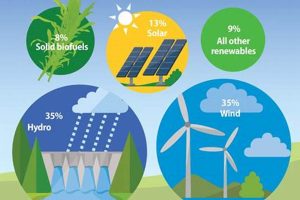
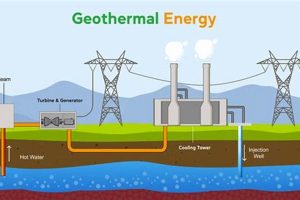
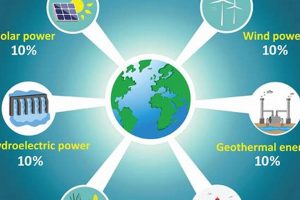
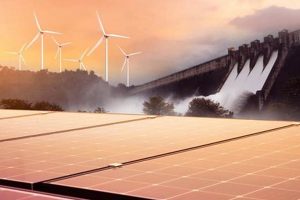
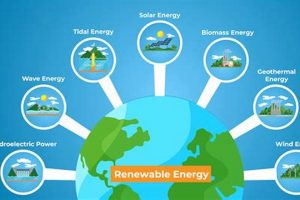
Decentralized power generation harnesses naturally replenishing resources to supply residential properties with electricity, heating, and cooling. Solar photovoltaic (PV) panels converting sunlight into electricity, geothermal heat pumps utilizing the Earth’s stable subsurface temperatures, and small-scale wind turbines capturing kinetic energy are examples of these systems. These technologies offer alternatives to traditional grid-dependent energy supplies.
Integrating these technologies offers multiple advantages, encompassing reduced reliance on fossil fuels, diminished carbon emissions, and long-term cost savings for homeowners. Historically, adoption was limited by high initial costs and technological constraints; however, advancements in technology, coupled with government incentives and growing environmental awareness, have spurred increasing implementation. This shift contributes to greater energy independence and a more sustainable energy future.
The subsequent sections will examine the specific types of readily available options, analyze the economic considerations associated with their installation and operation, and detail the regulatory frameworks influencing their adoption. Furthermore, practical advice concerning system selection, maintenance, and grid integration will be provided.
Practical Guidance for Integrating Renewable Energy
Implementing decentralized energy systems effectively requires careful planning and execution. The following guidance ensures optimal performance and long-term value.
Tip 1: Conduct a Comprehensive Energy Audit: Before investing in any system, assess energy consumption patterns to determine the appropriate system size and potential savings. Identify areas of inefficiency to minimize overall energy demand.
Tip 2: Evaluate Site Suitability: Conduct a thorough site analysis to determine the feasibility of each technology. Solar PV systems require unobstructed sunlight exposure, while wind turbines necessitate sufficient wind resources. Geothermal systems depend on suitable geological conditions.
Tip 3: Research Available Incentives and Rebates: Numerous government programs and utility companies offer financial incentives to encourage adoption. Investigate available options at the federal, state, and local levels to reduce upfront costs.
Tip 4: Select Certified Equipment and Installers: Ensure that all components meet industry standards for performance and safety. Employ qualified and experienced installers to guarantee proper installation and system longevity.
Tip 5: Implement a Monitoring System: Monitor system performance regularly to identify potential issues and optimize energy production. Real-time data analysis enables proactive maintenance and maximizes system efficiency.
Tip 6: Understand Grid Interconnection Requirements: If connecting to the existing electrical grid, adhere to all applicable regulations and guidelines. Ensure compatibility with the grid infrastructure and obtain necessary permits.
Tip 7: Establish a Maintenance Schedule: Regular maintenance is crucial for maintaining system performance and extending lifespan. Schedule periodic inspections and repairs to prevent costly breakdowns.
By following these guidelines, homeowners can successfully integrate these decentralized power technologies, contributing to both personal energy savings and a more sustainable energy landscape.
The subsequent conclusion will synthesize the key considerations discussed and reinforce the value proposition of embracing these technologies.
1. Solar Photovoltaic Viability

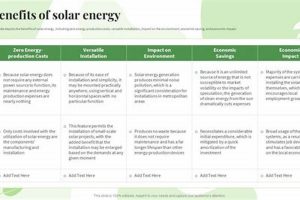
Solar photovoltaic (PV) viability represents a foundational consideration within the broader context of residential renewable energy adoption. The effective harnessing of solar energy is contingent upon a confluence of technical, economic, and environmental factors, each exerting a significant influence on the overall feasibility and return on investment for homeowners.
- Sunlight Availability and Panel Orientation
Solar PV viability is directly proportional to the amount of sunlight received at a given location. Factors such as latitude, cloud cover, and shading from surrounding structures or vegetation significantly impact the energy generation potential. Optimal panel orientation, typically facing south in the northern hemisphere, maximizes sunlight capture. Deviations from this ideal orientation reduce energy output and overall system efficiency. For example, a roof with significant tree coverage might render solar PV economically unfeasible despite homeowner interest.
- Technological Efficiency and Panel Degradation
The efficiency of solar PV panels, measured by their ability to convert sunlight into electricity, varies depending on the technology employed (e.g., monocrystalline, polycrystalline, thin-film). Higher efficiency panels generate more electricity per unit area, making them suitable for installations with limited roof space. However, all panels degrade over time, experiencing a gradual reduction in output. Understanding the degradation rate specified by the manufacturer is crucial for projecting long-term energy production and financial returns. The Longi LR5-72HPH-550M panel, with a degradation rate of 0.55% annually, stands out as a high-efficiency option.
- Economic Feasibility and Government Incentives
The economic viability of solar PV installations is determined by the upfront costs of equipment and installation, the potential for electricity bill savings, and the availability of government incentives. While initial investment can be substantial, federal and state tax credits, rebates, and net metering policies can significantly reduce the financial burden. Net metering, in particular, allows homeowners to sell excess electricity generated back to the grid, offsetting electricity costs. Without these incentives, the payback period for a solar PV system may extend beyond a homeowner’s planning horizon, diminishing its attractiveness.
- Grid Interconnection and Energy Storage
Successful integration of solar PV systems relies on a stable grid interconnection process. Compliance with local utility regulations and permitting requirements is essential for exporting surplus electricity. Furthermore, the intermittent nature of solar energy necessitates consideration of energy storage solutions, such as battery systems. These batteries store excess solar energy generated during peak sunlight hours for use during periods of low sunlight or at night. The implementation of energy storage enhances the reliability of solar PV systems and reduces reliance on the grid, but adds to the overall system cost and complexity.
These facets illustrate that the viability of solar PV in residences is a multifaceted issue demanding a holistic assessment. Homeowners must meticulously evaluate sunlight availability, technological options, economic incentives, and grid integration requirements to determine if solar PV represents a practical and cost-effective solution for their energy needs. Ignoring any of these considerations can lead to suboptimal system performance and a diminished return on investment.
2. Wind Turbine Placement

Effective integration of wind energy into residential settings hinges critically on appropriate turbine placement. Suboptimal siting can negate the potential benefits of this renewable resource, rendering investments ineffective and potentially creating nuisance issues for property owners and neighbors.
- Wind Resource Assessment
Prior to installation, a comprehensive wind resource assessment is paramount. This involves analyzing historical wind data, conducting on-site measurements with anemometers, and utilizing wind resource maps to determine average wind speeds and prevailing wind directions. Residential-scale turbines require consistent wind speeds of at least 9 mph to generate meaningful power. Locations shielded by buildings, trees, or terrain obstructions may experience significantly reduced wind flow, rendering turbine placement unviable. Accurate assessment minimizes the risk of underperforming systems.
- Zoning Regulations and Permitting
Local zoning regulations and permitting processes significantly influence turbine placement options. Many municipalities have specific ordinances governing turbine height, setback distances from property lines, noise levels, and visual impact. Compliance with these regulations is mandatory to avoid legal complications and project delays. Some jurisdictions may prohibit wind turbines altogether in residential areas due to concerns about aesthetics, noise, or safety. Understanding and adhering to local requirements is a prerequisite for successful project implementation.
- Turbine Height and Tower Design
Turbine height directly affects the amount of energy captured, as wind speeds typically increase with altitude. Taller towers lift the turbine above ground-level obstructions and turbulence, maximizing power generation. However, taller towers are also more visible and may face greater regulatory scrutiny. Tower design must account for structural integrity, wind loading, and potential aesthetic concerns. Guyed towers offer a cost-effective solution for smaller turbines, while freestanding towers provide greater clearance and visual appeal for larger systems. The selection of appropriate tower design is crucial for both performance and acceptance.
- Noise and Shadow Flicker Mitigation
Operating wind turbines generate noise and can create shadow flicker, potentially causing disturbance for nearby residents. Careful turbine placement is essential to mitigate these impacts. Locating turbines far from property lines and using noise-reducing blade designs can minimize noise pollution. Shadow flicker, caused by the sun shining through rotating blades, can be addressed by positioning turbines to avoid casting shadows on neighboring properties during critical hours of the day. Addressing these concerns proactively fosters positive community relations and minimizes the likelihood of complaints.
The facets of wind turbine placement are interconnected and collectively determine the feasibility of residential wind energy systems. Neglecting any single factor can compromise the overall effectiveness and acceptance of the installation. Thorough planning, diligent assessment, and adherence to regulatory requirements are essential for harnessing wind power sustainably and responsibly in residential environments. The integration of a complete wind energy system should be completed with a certified installer to ensure safety and longevity of the investment.
3. Geothermal system suitability

Geothermal system suitability constitutes a critical determinant in the effective deployment of renewable energy sources in homes. The efficacy of a geothermal heating and cooling system is intrinsically linked to the geological characteristics of the site. A favorable subsurface thermal profile directly translates to higher operational efficiency and reduced energy consumption. Conversely, unsuitable geological conditions can render the system economically unviable and functionally ineffective. For example, a home situated above a shallow, high-yielding aquifer can efficiently utilize a ground-source heat pump to extract and reject heat, providing a sustainable and cost-effective alternative to conventional HVAC systems. Conversely, a site with shallow bedrock or dry, sandy soil may significantly impede heat transfer, reducing system performance and increasing energy costs.
The practical significance of understanding geothermal suitability extends to long-term cost savings and environmental impact reduction. Prior to installation, a thorough site assessment, including geological surveys and thermal conductivity testing, is essential to determine the feasibility and potential benefits of a geothermal system. This assessment informs the design and implementation of the ground loop, which is the critical component responsible for heat exchange with the Earth. Properly designed and installed ground loops, tailored to the specific geological conditions, maximize system efficiency and minimize environmental disturbance. In cases where subsurface conditions are less than ideal, advanced drilling techniques or enhanced ground loop designs may be necessary to achieve optimal performance. For instance, vertical ground loops can be installed in deeper, more stable geological formations, while horizontal loops can be adapted to accommodate shallow bedrock or limited land area.
In conclusion, geothermal system suitability is a cornerstone of residential renewable energy adoption. A comprehensive understanding of geological conditions and appropriate system design are paramount for ensuring long-term performance, cost-effectiveness, and environmental sustainability. While geothermal energy offers a promising pathway towards reducing reliance on fossil fuels, its successful implementation hinges on a meticulous assessment of site-specific conditions and the application of appropriate engineering solutions. Overlooking this essential element can lead to compromised system performance, increased energy costs, and ultimately, a diminished return on investment for homeowners.
4. Energy storage integration

Energy storage integration is a pivotal element in maximizing the effectiveness and reliability of renewable energy sources deployed in residential environments. The inherent intermittency of solar and wind power necessitates robust storage solutions to ensure a consistent and dependable energy supply, mitigating fluctuations and aligning energy production with demand.
- Battery System Technologies
Battery storage systems, primarily lithium-ion batteries, are the most prevalent technology for residential applications. These systems store excess energy generated during peak production periods for use during periods of low or no renewable energy generation. For example, a home equipped with solar panels and a battery system can store daytime solar energy to power the residence at night. The capacity, efficiency, and lifespan of the battery system directly impact the overall cost-effectiveness and reliability of the renewable energy installation. Battery technology continues to evolve, with improvements in energy density, cycle life, and safety features.
- Grid Interconnection and Net Metering
Energy storage integration often involves interconnection with the electrical grid. Net metering policies allow homeowners to send excess stored energy back to the grid, receiving credit for the electricity supplied. This bidirectional energy flow optimizes energy utilization and provides financial incentives for renewable energy adoption. However, grid interconnection requires adherence to specific technical standards and regulatory requirements to ensure grid stability and safety. Sophisticated control systems manage the energy flow between the renewable energy source, the battery system, and the grid.
- Demand Response and Peak Shaving
Energy storage enables participation in demand response programs, where homeowners reduce their electricity consumption during peak demand periods in exchange for financial incentives. Battery systems can discharge stored energy during these peak periods, reducing strain on the grid and lowering electricity costs. This practice, known as peak shaving, optimizes energy usage and contributes to grid stability. Smart home energy management systems automate this process, optimizing energy usage based on real-time grid conditions and homeowner preferences.
- Backup Power and Resilience
Energy storage provides backup power during grid outages, enhancing resilience and ensuring a continuous energy supply for critical loads. During a power outage, the battery system seamlessly switches to backup mode, powering essential appliances and maintaining essential services. The size of the battery system determines the duration of backup power, ranging from several hours to several days. This capability is particularly valuable in regions prone to severe weather events and grid disruptions.
In conclusion, energy storage integration is integral to unlocking the full potential of renewable energy sources in homes. By mitigating intermittency, enabling grid interaction, facilitating demand response, and providing backup power, energy storage enhances the reliability, affordability, and resilience of residential renewable energy systems. Continued advancements in battery technology and smart grid infrastructure will further accelerate the adoption of energy storage and contribute to a more sustainable energy future.
5. Financial incentive structures

The adoption rate of renewable energy sources in homes is significantly influenced by the design and availability of financial incentive structures. These mechanisms, which aim to reduce the upfront costs and improve the economic viability of renewable energy systems, represent a crucial catalyst for homeowner investment. The absence or inadequacy of such incentives can pose a substantial barrier to entry, particularly for technologies with high initial capital expenditures. For instance, solar panel installations, despite their long-term cost savings and environmental benefits, often necessitate a considerable initial investment that many homeowners find prohibitive without financial assistance. Federal tax credits, state rebates, and local grants directly address this challenge by reducing the net cost of these systems, thereby enhancing their attractiveness to potential adopters.
Net metering policies, another form of financial incentive, further incentivize renewable energy adoption by allowing homeowners to sell excess electricity generated back to the grid. This not only offsets their energy consumption costs but also provides a revenue stream, improving the return on investment for renewable energy systems. However, the effectiveness of net metering policies depends on the specific terms and conditions set by local utilities and regulatory bodies. Some jurisdictions offer more favorable net metering rates than others, creating disparities in the economic benefits of renewable energy adoption across different regions. Property tax exemptions for renewable energy installations serve as an additional financial incentive by preventing increased property tax assessments due to the addition of these systems. This reduces the ongoing costs associated with renewable energy ownership, further enhancing its economic appeal.
In conclusion, financial incentive structures play a pivotal role in promoting the widespread adoption of renewable energy sources in homes. These incentives, ranging from tax credits and rebates to net metering policies and property tax exemptions, address the economic barriers that often hinder homeowner investment. The design and implementation of effective incentive programs are essential for accelerating the transition to a more sustainable energy future, fostering economic growth, and mitigating the environmental impacts of traditional energy sources. A holistic and sustained approach to financial incentives is necessary to ensure that renewable energy becomes an accessible and affordable option for a broader range of homeowners.
Frequently Asked Questions
The following questions address common inquiries regarding the integration of renewable energy technologies into residential properties, providing factual and objective responses.
Question 1: What are the primary types of renewable energy sources suitable for residential applications?
The most prevalent options include solar photovoltaic (PV) systems, small-scale wind turbines, and geothermal heat pumps. Solar PV converts sunlight into electricity, wind turbines harness kinetic energy from the wind, and geothermal systems utilize the Earth’s subsurface temperatures for heating and cooling. Each option’s suitability depends on site-specific factors and energy consumption patterns.
Question 2: What are the typical upfront costs associated with installing renewable energy systems in a home?
Installation costs vary widely based on the technology, system size, and location. Solar PV systems typically range from $15,000 to $30,000, while small wind turbines can cost between $10,000 and $50,000. Geothermal heat pumps usually fall within the $20,000 to $40,000 range. These figures represent initial investments that can be offset by long-term energy savings and government incentives.
Question 3: How long does it take for a renewable energy system to pay for itself?
Payback periods depend on several factors, including energy consumption, system performance, electricity prices, and available incentives. Solar PV systems typically have payback periods of 7 to 12 years, while wind turbines may take 10 to 15 years. Geothermal heat pumps often offer faster returns, ranging from 5 to 10 years. These estimates are subject to change based on individual circumstances and evolving energy market dynamics.
Question 4: What are the maintenance requirements for residential renewable energy systems?
Maintenance requirements vary by technology. Solar PV systems generally require minimal upkeep, primarily involving periodic cleaning and inspection. Wind turbines necessitate more frequent maintenance, including lubrication and component checks. Geothermal heat pumps typically require annual inspections and filter replacements. Regular maintenance is crucial for optimizing system performance and extending lifespan.
Question 5: How does net metering work, and what are its benefits?
Net metering allows homeowners to sell excess electricity generated by renewable energy systems back to the grid. When the system produces more electricity than the home consumes, the surplus is sent to the grid, and the homeowner receives credit on their electricity bill. This reduces overall energy costs and incentivizes renewable energy adoption. The specific terms of net metering policies vary by jurisdiction.
Question 6: What are the environmental benefits of using renewable energy sources in homes?
Renewable energy systems significantly reduce reliance on fossil fuels, mitigating carbon emissions and air pollution. By harnessing solar, wind, and geothermal resources, homeowners contribute to a cleaner energy future and reduce their environmental footprint. These technologies also conserve natural resources and promote energy independence.
This FAQ section provides a concise overview of key considerations related to implementing these technologies. A careful evaluation of individual circumstances and thorough research is necessary for informed decision-making.
The subsequent segment will offer resources for further exploration and expert consultation regarding residential renewable energy solutions.
Renewable Energy Sources in Homes
This exploration has illuminated the diverse facets of integrating renewable energy sources into residential properties. Key considerations span technological viability, economic feasibility, regulatory compliance, and environmental impact. A comprehensive understanding of these factors is paramount for homeowners contemplating a transition to sustainable energy solutions. The deployment of solar photovoltaic systems, wind turbines, and geothermal heat pumps necessitates meticulous site assessments, adherence to established guidelines, and a clear grasp of available financial incentives. Successful implementation translates to reduced carbon emissions, long-term cost savings, and enhanced energy independence.
The widespread adoption of renewable energy sources in homes represents a critical step toward a more sustainable energy future. Informed decision-making, coupled with proactive engagement with evolving technologies and policies, will drive the continued growth of this sector. The long-term benefits of embracing sustainable energy solutions extend beyond individual households, contributing to a cleaner environment and a more resilient energy infrastructure for future generations. Therefore, continued research, development, and policy support are essential to accelerate the transition towards a decentralized and environmentally responsible energy system.