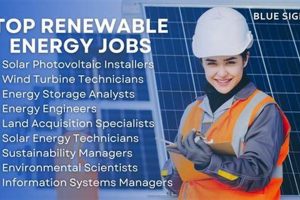
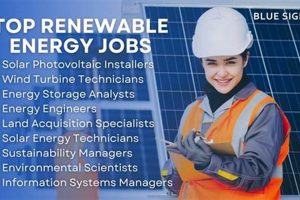
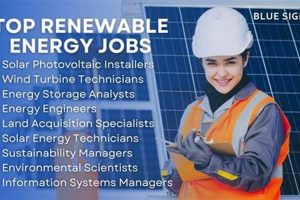
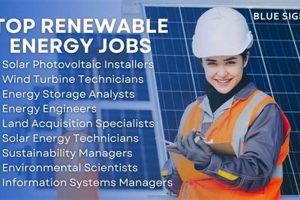
Careers within the renewable energy sector offering top compensation often require specialized skills and experience. Examples include roles in engineering, project management, and executive leadership within solar, wind, geothermal, and hydropower industries. These positions may involve overseeing large-scale projects, developing innovative technologies, or managing complex regulatory processes.
The increasing global demand for clean energy has elevated the value of specialized professionals in this field. Attractive salaries reflect the critical need for expertise in developing, implementing, and maintaining these essential technologies. This growing sector provides not only competitive remuneration but also the opportunity to contribute to a sustainable future and mitigate the effects of climate change. Historically, compensation in traditional energy sectors dominated, but the rapid growth and investment in renewables have shifted the landscape, creating lucrative career pathways.
This demand for skilled professionals opens up exciting possibilities for career advancement and specialization within the renewable energy industry. The following sections delve deeper into specific career paths, required qualifications, and anticipated salary ranges, offering a detailed roadmap for those seeking rewarding opportunities in this vital sector.
Tips for Pursuing Lucrative Renewable Energy Careers
Strategic career planning is essential for accessing the highest-paying opportunities within the renewable energy sector. The following tips provide guidance for professionals aiming to maximize their earning potential in this rapidly evolving field.
Tip 1: Specialize in In-Demand Technologies: Focusing on areas like offshore wind, energy storage, or smart grid technologies can increase marketability due to the high demand for specialized expertise.
Tip 2: Develop Project Management Skills: Positions involving project oversight and coordination often command premium salaries. Obtaining certifications like Project Management Professional (PMP) can be beneficial.
Tip 3: Cultivate Data Analytics Expertise: Analyzing large datasets to optimize energy production and consumption is crucial. Developing skills in data science and statistical modeling can enhance career prospects.
Tip 4: Gain Experience in Emerging Markets: Expanding markets offer significant growth potential. Seeking opportunities in regions with rapid renewable energy development can lead to higher compensation.
Tip 5: Network Strategically: Attending industry conferences and engaging with professional organizations provides valuable connections and insights into emerging trends and career paths.
Tip 6: Pursue Advanced Education: Master’s degrees or specialized certifications in renewable energy engineering, finance, or policy can significantly increase earning potential.
Tip 7: Develop Strong Communication Skills: Effectively conveying technical information to both technical and non-technical audiences is essential for leadership roles and client interaction.
By focusing on these strategic areas, professionals can position themselves for competitive salaries and long-term career success within the dynamic renewable energy industry.
These insights provide a strong foundation for navigating the renewable energy job market. The following section explores specific career paths in greater detail.
1. Engineering

Engineering disciplines form a cornerstone of the renewable energy sector, driving innovation and implementation of sustainable technologies. The demand for highly skilled engineers translates directly to competitive salaries and diverse career opportunities within this rapidly growing field. This section explores key engineering specializations relevant to high-paying renewable energy jobs.
- Wind Energy Engineering
Wind energy engineers design, develop, and oversee the installation and maintenance of wind turbines. They analyze wind resource data, optimize turbine placement, and address structural and electrical challenges. Expertise in aerodynamics, control systems, and materials science is crucial for success in this field, contributing to its high earning potential. Experienced wind energy engineers, particularly those specializing in offshore wind projects, are highly sought after, commanding substantial salaries.
- Solar Energy Engineering
Solar energy engineers focus on the design and development of photovoltaic systems, concentrating solar power plants, and other solar energy technologies. They work on optimizing energy conversion efficiency, developing innovative materials, and integrating solar systems into existing infrastructure. As solar energy continues its rapid expansion, skilled engineers specializing in areas like photovoltaics and energy storage are highly valued, reflected in their competitive compensation.
- Energy Storage Engineering
Energy storage engineers address the intermittent nature of renewable energy sources by developing and implementing storage solutions. They work with battery technologies, pumped hydro storage, and other innovative approaches to ensure a reliable and consistent energy supply. The growing importance of energy storage in grid modernization and the increasing integration of renewable energy sources contribute to the high demand and attractive salaries for professionals in this field.
- Power Systems Engineering
Power systems engineers play a critical role in integrating renewable energy sources into the existing electricity grid. They manage grid stability, optimize power flow, and develop smart grid technologies to ensure a reliable and efficient energy distribution network. The complexity of integrating intermittent renewable energy sources demands specialized expertise, leading to competitive salaries for power systems engineers with experience in grid integration and management.
These engineering disciplines are integral to the advancement and widespread adoption of renewable energy technologies. The specialized skills and knowledge required in these areas contribute significantly to the high earning potential associated with these careers, positioning engineers at the forefront of the global transition to sustainable energy systems.
2. Management

Management roles within the renewable energy sector are crucial for successful project execution, operational efficiency, and strategic growth. These positions often command high salaries due to the complex nature of renewable energy projects and the increasing demand for experienced leaders capable of navigating the evolving industry landscape.
- Project Management
Project managers oversee all aspects of renewable energy projects, from planning and development to implementation and completion. They manage budgets, timelines, resources, and stakeholders, ensuring projects are delivered on time and within budget. Examples include managing the construction of a large-scale solar farm or the installation of an offshore wind farm. Effective project management is essential for maximizing return on investment and ensuring the long-term success of renewable energy initiatives, making experienced project managers highly valuable and well-compensated.
- Operations Management
Operations managers are responsible for the day-to-day operation and maintenance of renewable energy facilities. They ensure optimal performance, minimize downtime, and maximize energy production. For instance, an operations manager might oversee the maintenance of wind turbines, ensuring efficient energy generation and minimizing disruptions. Their expertise in optimizing performance and minimizing operational costs directly impacts profitability, justifying the competitive salaries offered in this area.
- Business Development
Business development managers identify new market opportunities, develop strategic partnerships, and secure project financing. They play a critical role in the growth and expansion of renewable energy companies. For example, a business development manager might negotiate power purchase agreements or secure funding for new projects. Successful business development directly contributes to revenue generation and market share, leading to high earning potential for professionals in this field.
- Executive Leadership
Executive leaders, such as CEOs and CFOs of renewable energy companies, set the overall strategic direction, manage corporate finances, and oversee all aspects of the business. They guide the company’s growth and development within the dynamic renewable energy market. The success of renewable energy companies heavily relies on effective leadership, making these roles highly demanding and rewarding, often accompanied by significant compensation packages.
The diverse management roles within the renewable energy sector are essential for driving growth and innovation. The high level of responsibility, specialized expertise, and significant impact on project success and profitability contribute to the attractive compensation associated with these positions. As the industry continues to expand, the demand for skilled and experienced managers will likely increase, further enhancing the earning potential in these critical areas.
3. Research & Development
Research and development (R&D) plays a critical role in driving innovation and advancement within the renewable energy sector. The pursuit of more efficient, cost-effective, and sustainable energy solutions fuels the demand for highly skilled researchers and developers, translating to competitive salaries and significant career opportunities for those contributing to breakthroughs in this vital field. This continuous quest for improvement directly impacts the creation of high-paying jobs across the industry.
- Materials Science
Developing new materials with enhanced properties is crucial for improving the performance and durability of renewable energy technologies. For example, researchers explore advanced materials for solar panels to increase energy conversion efficiency and lifespan. These advancements create demand for specialized materials scientists and engineers, leading to competitive compensation in both research institutions and private companies.
- Energy Storage Technologies
Addressing the intermittency of renewable energy sources like solar and wind requires innovative energy storage solutions. R&D efforts focus on developing advanced battery technologies, exploring pumped hydro storage, and investigating other storage methods. The increasing importance of energy storage translates to high demand and attractive salaries for researchers and engineers specializing in this critical area.
- Grid Integration and Smart Grid Technologies
Integrating renewable energy sources seamlessly into existing power grids requires sophisticated control systems and smart grid technologies. R&D in this area focuses on optimizing power flow, enhancing grid stability, and developing advanced monitoring and control systems. The complexity of grid integration creates opportunities for specialized engineers and researchers, commanding competitive salaries in both utilities and technology companies.
- Artificial Intelligence and Machine Learning
Artificial intelligence (AI) and machine learning (ML) are increasingly used to optimize renewable energy systems. R&D efforts explore applications of AI and ML in areas like predictive maintenance, energy forecasting, and resource optimization. The growing adoption of AI and ML in the renewable energy sector generates demand for data scientists, software engineers, and other specialists, contributing to high-paying job opportunities.
The continuous pursuit of innovation through R&D is essential for the growth and advancement of the renewable energy sector. These advancements not only improve the efficiency and affordability of renewable energy technologies but also create a dynamic job market with high-paying opportunities for skilled professionals. The ongoing demand for expertise in areas like materials science, energy storage, grid integration, and AI/ML further reinforces the strong connection between R&D and competitive compensation within the renewable energy industry.
4. Finance
Financial expertise plays a crucial role in the development, deployment, and success of renewable energy projects, directly influencing the availability of high-paying jobs within the sector. Significant capital investment is required for research, development, manufacturing, and implementation of renewable energy technologies. Professionals with a strong understanding of project finance, investment analysis, and risk management are essential for securing funding and ensuring the financial viability of these projects. This, in turn, drives job creation and supports competitive salaries across various disciplines within the renewable energy industry. For example, securing funding for a large-scale offshore wind farm requires sophisticated financial modeling and negotiation with investors, demanding specialized expertise and commanding high compensation for those involved.
The increasing demand for renewable energy has created a rapidly expanding market for investment. This growth attracts private equity firms, venture capitalists, and institutional investors seeking opportunities in sustainable technologies. Financial professionals specializing in renewable energy investments analyze market trends, assess project risks, and manage investment portfolios, contributing significantly to the financial ecosystem supporting the sector’s growth. Their expertise in evaluating and mitigating investment risks is critical for attracting capital, which directly fuels job creation and drives up salaries for specialized roles in engineering, project management, and research. Moreover, government incentives and subsidies designed to promote renewable energy development often require specialized financial analysis to navigate complex regulations and maximize financial benefits, further increasing the demand for skilled professionals in this area.
The financial viability of renewable energy projects is fundamental to the sector’s continued growth and the creation of high-paying jobs. Financial expertise is not only essential for securing funding and managing investments but also for optimizing project costs, maximizing returns, and mitigating financial risks. As the global transition to sustainable energy accelerates, the demand for skilled financial professionals within the renewable energy sector will continue to rise, leading to further growth in competitive compensation and career opportunities. Understanding the complex interplay between finance and renewable energy development provides valuable insights into the forces driving job creation and shaping the future of this critical industry. This financial ecosystem, from project finance to investment management, underpins the sector’s growth and the creation of high-paying jobs, emphasizing the interconnectedness of financial expertise and the expansion of the renewable energy workforce.
5. Policy
Government policies play a crucial role in shaping the renewable energy landscape, directly influencing investment, innovation, and job creation. Understanding the interplay between policy and the renewable energy sector is essential for identifying high-paying career opportunities. Supportive policies can stimulate industry growth, leading to increased demand for skilled professionals and subsequently higher salaries. Conversely, unfavorable or inconsistent policies can hinder development, limiting job prospects and potentially impacting compensation.
- Renewable Portfolio Standards (RPS)
RPS policies mandate that a certain percentage of electricity generation comes from renewable sources. These standards create a direct market demand for renewable energy, driving investment in projects and creating jobs across the sector. Strong RPS targets can lead to significant growth in renewable energy capacity, resulting in higher demand for engineers, project managers, and other specialized professionals, ultimately increasing earning potential.
- Tax Incentives and Subsidies
Financial incentives like tax credits, rebates, and grants can significantly reduce the cost of renewable energy projects, making them more financially attractive to investors. These incentives stimulate market growth and job creation, leading to competitive salaries for professionals involved in project development, financing, and implementation. For instance, the Investment Tax Credit (ITC) in the United States has played a significant role in the growth of the solar industry, supporting thousands of high-paying jobs.
- Carbon Pricing Mechanisms
Policies like carbon taxes or cap-and-trade systems put a price on carbon emissions, making fossil fuels less competitive and incentivizing the adoption of cleaner energy sources. This shift in market dynamics creates opportunities for growth in the renewable energy sector, leading to increased demand for skilled professionals and potentially higher salaries. Economists and policy analysts specializing in carbon pricing mechanisms play a crucial role in shaping these policies and analyzing their impact on the renewable energy job market.
- Permitting and Regulatory Processes
Streamlined permitting processes and clear regulatory frameworks can facilitate the development of renewable energy projects, reducing delays and costs. Efficient regulatory environments attract investment and accelerate project deployment, leading to increased job creation and competitive salaries for professionals involved in project permitting, environmental compliance, and regulatory affairs. Conversely, complex or inefficient permitting processes can hinder development and limit job growth.
The interplay between policy and the renewable energy sector significantly impacts job creation and compensation. Supportive policies stimulate market growth, driving demand for skilled professionals and increasing earning potential. Understanding the policy landscape is therefore crucial for navigating the renewable energy job market and identifying high-paying career opportunities. Analyzing the impact of policies on market trends and investment decisions provides valuable insights for professionals seeking to advance their careers in this dynamic and growing industry. The effectiveness and design of these policies directly influence the financial viability of projects, impacting investment decisions and job creation. Therefore, policy expertise is crucial not only for shaping regulations but also for understanding market dynamics and identifying lucrative career paths within the renewable energy industry.
Frequently Asked Questions
Addressing common inquiries regarding lucrative career paths within the renewable energy sector provides clarity for professionals seeking opportunities in this dynamic field. The following questions and answers offer valuable insights into career prospects, required qualifications, and potential compensation.
Question 1: What are the typical educational requirements for high-paying renewable energy jobs?
Many roles require at least a bachelor’s degree in engineering, science, or a related field. Advanced degrees, such as a master’s or doctorate, and specialized certifications can enhance career prospects and earning potential. For management and executive positions, business administration or related qualifications are often preferred.
Question 2: How does experience influence compensation in renewable energy?
Experience significantly impacts earning potential. Entry-level positions typically offer lower salaries, while senior roles with extensive experience command substantially higher compensation. Demonstrated expertise in specialized areas like offshore wind or energy storage can further enhance salary expectations.
Question 3: Are renewable energy jobs geographically concentrated?
While some regions have higher concentrations of renewable energy activity due to favorable resources or policy landscapes, the industry is expanding globally. Opportunities exist across various locations, though specific skillsets may be in higher demand in certain areas.
Question 4: How can one gain relevant experience in the renewable energy sector?
Internships, entry-level positions, and research opportunities provide valuable experience. Networking with industry professionals and participating in relevant conferences or workshops can also facilitate career entry and advancement.
Question 5: What are the long-term career prospects in renewable energy?
The renewable energy sector is projected to experience significant growth in the coming decades, driven by global demand for clean energy and policy support. This growth translates to promising long-term career prospects and increasing demand for skilled professionals.
Question 6: What are the most in-demand skills in renewable energy?
Technical expertise in areas like engineering, data analysis, and project management is highly sought after. Additionally, strong communication, problem-solving, and leadership skills are essential for success in many roles.
Strategic career planning, continuous learning, and a focus on in-demand skills are crucial for maximizing earning potential within the renewable energy sector. The industrys ongoing expansion presents numerous opportunities for professionals seeking rewarding and well-compensated careers contributing to a sustainable future.
Further exploration of specific career paths and detailed salary information can be found in the following resources.
Conclusion
Highly compensated positions within the renewable energy sector reflect the increasing global demand for clean energy solutions. This analysis explored key areas offering substantial earning potential, including specialized engineering disciplines, project management, research and development, finance, and policy. These roles demand a combination of technical expertise, strategic thinking, and an understanding of the complex dynamics shaping the industry. Factors influencing compensation include experience, education, specialized skills, and geographic location. The evolving landscape of renewable energy technologies and market demands necessitates continuous learning and adaptation for professionals seeking to maximize their earning potential.
The transition to a sustainable energy future presents significant opportunities for skilled professionals. Strategic career planning, focused development of in-demand skills, and a commitment to innovation are crucial for success in this rapidly evolving sector. As the world continues to invest in clean energy solutions, the demand for expertise in renewable energy will likely persist, creating a dynamic and rewarding job market for those dedicated to shaping a sustainable future. The future of energy is intrinsically linked to the ingenuity and dedication of those working within this critical field, signifying the long-term potential and societal impact of pursuing careers in renewable energy.