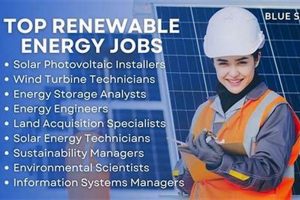
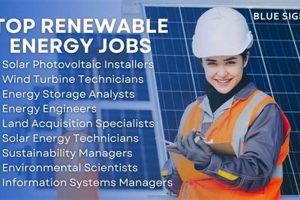
Positions for recent graduates or those new to the renewable energy engineering field typically involve assisting experienced engineers in design, development, and implementation of sustainable energy systems. These roles often include tasks such as data analysis, report preparation, site assessments, and component testing within solar, wind, hydroelectric, geothermal, or biomass energy projects. A practical example could be a junior engineer supporting the design of a new wind farm layout by conducting wind resource assessments or modeling turbine performance.
These foundational positions are crucial for the continued growth of the renewable energy sector. They provide a pathway for aspiring engineers to gain practical experience, develop specialized skills, and contribute to the transition towards more sustainable energy sources. Historically, entry-level positions have served as a critical pipeline for talent, enabling the industry to adapt to technological advancements and meet growing global energy demands. These roles are also beneficial for individuals, offering opportunities for career development and contributing to a field with significant positive environmental and societal impact.
This article will further explore key aspects of launching a career in renewable energy engineering, including required educational backgrounds, relevant skill sets, typical job responsibilities, potential career paths, and current market trends.
Tips for Securing a Position in Renewable Energy Engineering
The following tips offer guidance for individuals pursuing early-career opportunities in the renewable energy engineering sector.
Tip 1: Develop a Strong Foundation in Engineering Fundamentals: A solid grasp of core engineering principles, including mathematics, physics, and thermodynamics, is essential. Academic coursework in electrical, mechanical, or chemical engineering provides a robust base.
Tip 2: Specialize in Renewable Energy Technologies: Focus on a specific area within renewable energy, such as solar photovoltaic systems, wind turbine technology, or geothermal energy. Targeted coursework, research projects, or internships in a chosen specialization can significantly enhance a candidate’s profile.
Tip 3: Gain Practical Experience: Internships, co-op programs, and research opportunities provide invaluable hands-on experience. Practical experience demonstrates a commitment to the field and allows individuals to develop essential skills.
Tip 4: Network with Industry Professionals: Attend industry conferences, join professional organizations, and connect with professionals on online platforms. Networking can lead to mentorship opportunities and insights into job openings.
Tip 5: Develop Key Soft Skills: Effective communication, teamwork, problem-solving, and analytical skills are highly valued in the engineering field. Cultivating these skills can improve job prospects and career advancement.
Tip 6: Craft a Targeted Resume and Cover Letter: Tailor application materials to highlight relevant skills and experience for each specific position. Emphasize projects, coursework, and internships related to renewable energy.
Tip 7: Prepare for Technical Interviews: Review fundamental engineering concepts and be prepared to discuss technical projects and experiences. Practice answering common interview questions related to the specific renewable energy field.
By focusing on these strategies, aspiring engineers can enhance their competitiveness and increase their chances of securing a rewarding position in the growing renewable energy sector.
This information provides a starting point for individuals seeking entry-level roles within this dynamic and impactful field. The subsequent sections of this article will delve deeper into specific career paths, market trends, and future prospects.
1. Foundational Engineering Skills
Foundational engineering skills form the bedrock of successful performance in entry-level renewable energy engineering jobs. These core competencies, typically acquired through formal education and early professional experiences, provide the necessary framework for understanding and applying renewable energy principles. A strong foundation in mathematics, physics, and chemistry enables analysis of energy systems, resource assessment calculations, and component design. Understanding thermodynamics is critical for evaluating energy conversion processes within solar thermal plants or geothermal systems. Proficiency in electrical engineering principles is crucial for working with photovoltaic systems, wind turbine generators, and power distribution networks. For example, analyzing the efficiency of a solar panel array requires applying mathematical models based on solar irradiance and material properties, highlighting the direct link between foundational knowledge and practical application.
Further emphasizing this connection, consider the design of a wind turbine blade. Aerodynamic principles derived from physics and fluid mechanics dictate the blade’s shape and performance. Structural analysis, rooted in mechanics of materials, ensures the blade’s integrity under varying wind loads. These fundamental engineering principles translate directly into practical design decisions, impacting the turbine’s efficiency and longevity. Lacking a strong foundation in these core areas can limit an engineer’s ability to contribute effectively to project development and problem-solving in real-world scenarios.
In summary, robust foundational engineering skills are not merely prerequisites but essential tools for success in entry-level renewable energy engineering positions. They empower individuals to navigate the complexities of sustainable energy systems, contribute meaningfully to project development, and ultimately advance the transition to a cleaner energy future. Developing and maintaining these core competencies is crucial for career advancement and continued professional growth within this dynamic field. Further exploration of specialized renewable energy skills will demonstrate how these foundational principles are applied within specific sectors of the industry.
2. Renewable Energy Specialization
While a strong foundation in general engineering principles is essential for all renewable energy engineering roles, specialization within a particular area of renewable energy technology is increasingly important for securing and excelling in entry-level positions. This focused expertise allows individuals to contribute meaningfully to specific project needs and demonstrates a commitment to a particular sector within the broader field. Focusing on a specific area allows entry-level engineers to develop a deeper understanding of the relevant technologies, design principles, and industry challenges. It also enhances their ability to contribute effectively to project teams and positions them for career advancement within their chosen specialization.
- Solar Photovoltaic (PV) Systems
Specialization in solar PV involves understanding the design, installation, and maintenance of solar panel systems. This includes knowledge of different PV technologies, system components such as inverters and mounting structures, and performance modeling under varying environmental conditions. For example, an entry-level engineer specializing in solar PV might contribute to site assessments for optimal panel placement, design system layouts, or analyze energy yield projections. This focused expertise is highly relevant given the rapid growth of the solar PV industry and the increasing demand for skilled professionals in this area.
- Wind Energy Systems
Wind energy specialization focuses on the design, operation, and maintenance of wind turbines and wind farms. This involves understanding aerodynamics, turbine control systems, power electronics, and grid integration. An entry-level engineer specializing in wind energy might contribute to wind resource assessments, turbine performance analysis, or structural integrity evaluations. The increasing global investment in wind energy creates a growing demand for professionals with this specialized skill set.
- Geothermal Energy Systems
Geothermal energy specialization involves understanding the principles of harnessing heat from the Earth for power generation or direct use applications. This includes knowledge of geothermal resource exploration, well drilling techniques, power plant design, and environmental impact assessments. An entry-level engineer specializing in geothermal energy might contribute to reservoir modeling, system optimization, or environmental monitoring. While a niche area within renewables, geothermal offers unique career opportunities for engineers with specialized training.
- Energy Storage Systems
With the increasing reliance on intermittent renewable sources like solar and wind, energy storage is becoming increasingly critical. Specializing in energy storage technologies, such as batteries, pumped hydro, or thermal storage, involves understanding the principles of energy conversion, storage capacity optimization, and integration with renewable energy systems. An entry-level engineer in this area might contribute to system design, performance analysis, or techno-economic assessments of different storage solutions. This rapidly evolving field presents exciting opportunities for entry-level engineers to contribute to innovative solutions for grid stability and reliability.
These specializations, while distinct, are interconnected within the broader renewable energy landscape. For example, expertise in energy storage is highly complementary to solar and wind specializations, as storage solutions are essential for managing the intermittency of these resources. By cultivating a focused specialization early in their careers, entry-level engineers can position themselves for greater impact and career advancement within the rapidly evolving renewable energy sector. This focused expertise, combined with a solid foundation in engineering fundamentals, creates a compelling profile for prospective employers and sets the stage for a successful and fulfilling career in this critical industry.
3. Practical Experience (Internships)

Practical experience, often gained through internships, plays a crucial role in bridging the gap between academic knowledge and the real-world demands of entry-level renewable energy engineering jobs. Internships provide opportunities to apply theoretical concepts learned in the classroom to practical engineering challenges, thereby solidifying understanding and developing essential skills. This direct exposure to industry practices and technologies significantly enhances the competitiveness of candidates seeking entry-level positions. The value of internships extends beyond technical skill development. They offer insights into workplace dynamics, project management methodologies, and professional communication practices within the renewable energy sector. For example, an internship involving the design and installation of a solar photovoltaic system exposes an individual to site assessment procedures, system component selection, permitting processes, and safety protocols, providing valuable practical knowledge not typically gained in academic settings. Similarly, an internship with a wind energy company might involve data analysis of wind resource data, turbine performance monitoring, or grid integration studies, offering hands-on experience with specialized software and industry-standard practices.
The practical significance of internships lies in their ability to transform theoretical knowledge into tangible skills. Participating in real-world projects allows aspiring engineers to develop problem-solving abilities, adapt to dynamic work environments, and contribute meaningfully to project outcomes. Moreover, internships offer networking opportunities, enabling individuals to establish connections with industry professionals, gain mentorship, and potentially secure future employment. Evidence suggests that candidates with relevant internship experience are often preferred by employers. They demonstrate a proactive approach to career development, possess a baseline understanding of industry practices, and require less initial training compared to candidates with limited practical experience. For instance, a candidate with an internship involving energy storage system integration would be better positioned for an entry-level role focusing on battery storage optimization compared to a candidate lacking such practical experience.
In conclusion, practical experience gained through internships represents a vital component of career preparation for aspiring renewable energy engineers. Internships offer a unique blend of technical skill development, industry exposure, and networking opportunities, significantly enhancing a candidate’s competitiveness in the job market. This practical experience not only complements academic qualifications but also serves as a crucial bridge connecting theoretical knowledge with the practical demands of the rapidly evolving renewable energy industry. Cultivating practical experience through strategically chosen internships is an investment that yields substantial returns throughout an engineer’s career trajectory.
4. Networking and Industry Connections

Cultivating a robust network of industry connections is essential for securing and excelling in entry-level renewable energy engineering jobs. These connections provide access to valuable resources, insights, and opportunities that can significantly impact career trajectories. Networking facilitates knowledge sharing, mentorship, and awareness of emerging trends within the dynamic renewable energy landscape. This section explores key facets of networking and their relevance to entry-level positions.
- Professional Organizations
Engaging with professional organizations, such as the American Society of Mechanical Engineers (ASME), the Institute of Electrical and Electronics Engineers (IEEE), and specialized renewable energy associations, offers numerous benefits. Membership often includes access to industry publications, conferences, and networking events, facilitating connections with established professionals and potential employers. For instance, attending a conference presentation on advancements in solar cell technology allows an aspiring engineer to learn about cutting-edge research, connect with experts in the field, and potentially explore internship or job opportunities.
- Industry Conferences and Career Fairs
Attending industry conferences and career fairs provides targeted opportunities to connect with recruiters, hiring managers, and experienced professionals. These events offer platforms to showcase skills, learn about current industry needs, and explore potential career paths. For example, a career fair focused on renewable energy can connect entry-level engineers with companies seeking candidates with specific specializations, such as wind turbine design or energy storage system integration. Preparing a concise and impactful elevator pitch about career goals and relevant skills is crucial for maximizing these networking opportunities.
- Informational Interviews
Conducting informational interviews with professionals working in the renewable energy sector provides valuable insights into different career paths, industry trends, and company cultures. These conversations offer personalized advice, expand professional networks, and can lead to mentorship opportunities or job referrals. For instance, an informational interview with a project manager at a solar energy company could provide insights into the day-to-day responsibilities of the role, the required skills and experience, and the company’s overall project portfolio. This personalized information can help entry-level engineers tailor their career strategies and target their job applications more effectively.
- Online Platforms and Social Media
Utilizing online platforms, such as LinkedIn, and engaging in relevant online communities provides opportunities to connect with professionals, share insights, and stay updated on industry developments. Building a professional online presence and actively participating in discussions related to renewable energy can increase visibility and attract potential employers. For example, sharing an insightful article about the latest advancements in battery storage technology on LinkedIn can spark discussions with professionals in the field and demonstrate expertise, potentially leading to networking opportunities or job prospects.
These interconnected networking strategies contribute significantly to career success in the renewable energy sector. Building a strong network not only enhances job prospects for entry-level positions but also fosters ongoing professional development, mentorship opportunities, and access to valuable resources throughout a career. The ability to connect with and learn from experienced professionals is essential for navigating the evolving landscape of renewable energy engineering and maximizing the potential for long-term career growth.
5. Competitive Salary Expectations

Competitive salary expectations represent a significant factor influencing career decisions for individuals pursuing entry-level renewable energy engineering jobs. The renewable energy sector, experiencing substantial growth driven by increasing global demand for sustainable energy solutions, offers competitive compensation packages to attract and retain qualified talent. This competitive landscape benefits entry-level engineers, providing opportunities to earn attractive salaries while contributing to a rapidly expanding and impactful industry. The correlation between competitive salaries and the demand for skilled engineers reflects the industry’s recognition of the value these professionals bring to the development, implementation, and maintenance of renewable energy technologies. For example, the increasing need for engineers specializing in energy storage solutions, driven by the growth of intermittent renewable sources like solar and wind, translates into competitive salary offers for entry-level positions in this specialized area. Similarly, the growing complexity of offshore wind farm projects creates demand for engineers with specialized expertise in structural analysis, marine engineering, and power systems integration, leading to competitive compensation packages to attract individuals with these skills.
Understanding prevailing salary trends within specific renewable energy sub-sectors informs career planning and allows individuals to assess the financial viability of different career paths. Factors such as geographic location, company size, specific job responsibilities, and educational background influence salary expectations. Researching industry salary surveys and utilizing online resources, such as professional networking platforms, provides valuable data for benchmarking salary expectations and negotiating competitive offers. For instance, entry-level engineers specializing in solar PV system design in California may have different salary expectations compared to those working in wind turbine maintenance in Texas. Recognizing these regional and specialization-specific variations is crucial for making informed career choices and maximizing earning potential. Furthermore, the availability of competitive benefits packages, including health insurance, retirement plans, and professional development opportunities, contributes to the overall attractiveness of entry-level positions within the renewable energy sector.
In conclusion, competitive salary expectations play a significant role in attracting and retaining talent within the renewable energy engineering field. The industry’s growth and the increasing demand for specialized engineering skills contribute to a competitive compensation landscape, benefiting entry-level engineers. Understanding market trends, researching salary data, and recognizing the influence of factors like location, specialization, and company size empowers individuals to make informed career decisions and negotiate competitive offers. This understanding of the financial aspects of entry-level positions complements the broader consideration of career growth potential, positive environmental impact, and the opportunity to contribute to a sustainable energy future, forming a comprehensive perspective on the value proposition of renewable energy engineering careers.
6. Career Growth Potential
Career growth potential represents a crucial factor for individuals considering entry-level renewable energy engineering jobs. The dynamic nature of the renewable energy sector, driven by technological advancements and increasing global demand, creates numerous opportunities for professional development and career advancement. Entry-level positions serve as a springboard for specialization, skill development, and upward mobility within this rapidly expanding field. The inherent connection between entry-level roles and career growth potential stems from the industry’s need for a skilled workforce capable of adapting to evolving technologies and managing increasingly complex projects. For example, an entry-level engineer specializing in solar PV system design might progress to a project management role overseeing large-scale solar farm installations. Similarly, an engineer starting in wind turbine maintenance could advance to a lead engineering role responsible for optimizing turbine performance and reliability across an entire wind farm. These career progression pathways demonstrate the practical significance of entry-level positions as gateways to more specialized and higher-level roles.
Several factors contribute to the significant career growth potential within the renewable energy sector. The ongoing transition to sustainable energy sources fuels demand for engineers with expertise in diverse areas, such as energy storage, grid integration, and smart grid technologies. This demand translates into opportunities for specialization, leadership roles, and increased responsibilities. Furthermore, the industry’s focus on innovation and technological advancement creates a dynamic environment where continuous learning and skill development are essential for career progression. For instance, the emergence of advanced battery storage technologies creates new career paths for engineers specializing in battery management systems, power electronics, and grid integration. This continuous evolution within the renewable energy sector necessitates ongoing professional development, creating opportunities for career growth and specialization throughout an engineer’s career trajectory. The expanding global reach of renewable energy projects also presents opportunities for international experience and cross-cultural collaboration, further enriching career development potential.
In conclusion, career growth potential represents a defining characteristic of entry-level renewable energy engineering jobs. The industry’s dynamic nature, driven by technological innovation and increasing global demand, creates numerous pathways for professional development and advancement. Entry-level positions provide the foundational experience and skill development necessary for pursuing specialized roles, leadership opportunities, and increased responsibility within the renewable energy sector. Understanding this intrinsic link between entry-level roles and career growth potential is crucial for individuals seeking a challenging and rewarding career in a field contributing to a sustainable energy future. This potential for advancement, combined with the positive societal and environmental impact of the renewable energy sector, positions these entry-level roles as attractive and impactful starting points for aspiring engineers.
7. Positive Environmental Impact

A significant driver for many individuals pursuing entry-level renewable energy engineering jobs is the opportunity to contribute directly to a positive environmental impact. These positions offer a tangible way to address climate change, reduce reliance on fossil fuels, and promote a more sustainable energy future. The inherent connection between these roles and environmental stewardship stems from the nature of the work itself: developing, implementing, and maintaining technologies that generate clean energy. This direct contribution to environmental sustainability differentiates renewable energy engineering from other engineering disciplines and attracts individuals motivated by a desire to make a positive difference. For example, an entry-level engineer working on the design of a new wind farm contributes directly to reducing greenhouse gas emissions by displacing fossil fuel-based electricity generation. Similarly, an engineer involved in the optimization of a solar photovoltaic system enhances the efficiency of clean energy production, further reducing the environmental footprint of electricity consumption. These tangible contributions to environmental protection resonate deeply with many individuals seeking purpose-driven careers.
The practical significance of this connection extends beyond individual motivation. The growing global awareness of climate change and the increasing demand for sustainable solutions elevate the importance of renewable energy engineering. This heightened importance translates into increased investment, job growth, and career development opportunities within the sector. Furthermore, the positive environmental impact of renewable energy projects often extends beyond reducing emissions. For instance, solar farms can be designed to minimize land use impacts and incorporate pollinator-friendly vegetation, creating co-benefits for local ecosystems. Similarly, offshore wind farms can be planned and managed to minimize disruptions to marine life and promote biodiversity. These multifaceted environmental benefits further enhance the appeal of entry-level positions within the renewable energy sector, attracting individuals seeking careers that align with their environmental values.
In summary, the positive environmental impact associated with entry-level renewable energy engineering jobs represents a significant motivating factor for aspiring engineers. These positions offer a direct and tangible way to contribute to a more sustainable future, addressing climate change and promoting environmental stewardship. The growing global importance of renewable energy solutions further enhances the significance of these roles, creating a virtuous cycle of positive impact, career growth, and societal benefit. Understanding this intrinsic connection between renewable energy engineering and environmental sustainability reinforces the value proposition of these careers and underscores their crucial role in shaping a cleaner and more sustainable future.
Frequently Asked Questions (FAQ)
This FAQ section addresses common inquiries regarding entry-level renewable energy engineering positions, providing clarity for individuals exploring career options within this dynamic field.
Question 1: What educational background is typically required for entry-level renewable energy engineering roles?
A bachelor’s degree in engineering, such as mechanical, electrical, or chemical engineering, is typically required. Specialized coursework in renewable energy technologies, such as solar, wind, or geothermal energy, is highly beneficial. Some positions may consider candidates with related science degrees and relevant experience.
Question 2: What are the most important skills for success in these roles?
Strong analytical, problem-solving, and technical skills are essential. Proficiency in relevant software, such as CAD software for design and modeling, is often required. Effective communication and teamwork skills are also highly valued.
Question 3: How can relevant experience be gained prior to applying for entry-level positions?
Internships, co-op programs, research projects, and volunteer work related to renewable energy provide valuable practical experience and enhance candidacy. Participating in student engineering competitions or clubs focused on sustainable energy can also demonstrate interest and develop relevant skills.
Question 4: What are typical entry-level job titles in renewable energy engineering?
Common entry-level job titles include Junior Engineer, Assistant Engineer, Project Engineer, Design Engineer, Field Engineer, and Research Assistant. The specific title and responsibilities may vary based on the company and the nature of the project.
Question 5: What is the typical career progression for someone starting in an entry-level renewable energy engineering role?
Career progression often involves increasing responsibility and specialization within a chosen area of renewable energy. Entry-level engineers may progress to senior engineering roles, project management positions, or specialized technical expert roles. Continued professional development and advanced education can further enhance career advancement opportunities.
Question 6: What are the long-term career prospects in the renewable energy engineering field?
The long-term career prospects are generally considered excellent due to the anticipated continued growth of the renewable energy sector. The increasing global demand for sustainable energy solutions and the ongoing advancements in renewable energy technologies are expected to create sustained demand for qualified engineers.
Understanding these key aspects of entry-level renewable energy engineering positions empowers individuals to make informed career decisions and pursue opportunities within this impactful and growing field.
The next section will explore specific resources and strategies for finding and securing entry-level positions in renewable energy engineering.
Conclusion
Entry-level renewable energy engineering jobs represent a critical entry point into a dynamic and impactful field. This exploration has highlighted the importance of foundational engineering skills, the benefits of specialization within renewable energy technologies, the value of practical experience gained through internships, and the significance of networking and industry connections. Competitive salary expectations, coupled with significant career growth potential and the opportunity to contribute to a positive environmental impact, position these roles as attractive options for aspiring engineers. The increasing global demand for sustainable energy solutions underscores the long-term viability and societal importance of these careers.
The transition to a sustainable energy future requires a skilled and dedicated workforce. Entry-level renewable energy engineering positions offer a pathway for individuals to contribute meaningfully to this critical global endeavor. Pursuing these opportunities not only promises a rewarding career trajectory but also empowers individuals to shape a cleaner, more sustainable world for future generations. The future of energy is renewable, and entry-level engineering roles represent the foundation upon which this future is built.