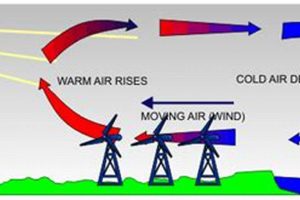
Renewable energy sources, while offering a sustainable alternative to fossil fuels, are inherently influenced by location. Solar power requires ample sunlight, making its viability dependent on latitude, cloud cover, and seasonal variations. Wind energy relies on consistent and strong winds, often found in coastal regions, mountainous areas, or open plains. Hydropower requires suitable river systems and elevation changes, while geothermal energy is limited to areas with accessible geothermal activity. Similarly, biomass energy depends on the availability of organic matter, which can vary significantly across regions.
Understanding these locational dependencies is critical for effective energy planning and resource allocation. Addressing such constraints enables efficient deployment of renewables, maximizing their potential while minimizing environmental and economic costs. Historically, centralized power generation from fossil fuels allowed for distribution across vast distances. However, the distributed nature of renewable energy sources necessitates careful consideration of regional resource availability and infrastructure development to ensure a stable and resilient energy supply. This understanding has driven innovation in energy storage and grid management technologies.
The following sections will delve into the specific challenges and opportunities associated with harnessing various renewable energy sources in different geographic contexts. These include an examination of technological advancements aimed at mitigating locational constraints, policy frameworks designed to incentivize strategic deployment, and the evolving role of renewable energy in creating a more sustainable and decentralized energy future.
Tips for Addressing Locational Constraints of Renewable Energy
Maximizing the potential of renewable energy requires careful consideration of its inherent geographic dependencies. The following tips offer guidance for strategic planning and development:
Tip 1: Resource Mapping and Assessment: Conduct thorough assessments of available renewable resources, including solar irradiance, wind speeds, geothermal activity, and biomass potential. Detailed mapping helps identify optimal locations for specific technologies.
Tip 2: Hybrid Renewable Energy Systems: Combine different renewable energy sources to overcome individual limitations and ensure a more consistent energy supply. For example, pairing solar with wind can offset diurnal and seasonal variations.
Tip 3: Energy Storage Solutions: Integrate energy storage technologies, such as batteries or pumped hydro, to address the intermittency of renewable resources and provide a stable power output.
Tip 4: Grid Modernization and Expansion: Invest in upgrading and expanding existing grid infrastructure to accommodate the decentralized nature of renewable energy and facilitate efficient energy transmission.
Tip 5: Policy and Regulatory Frameworks: Implement supportive policies and regulations that incentivize renewable energy development, streamline permitting processes, and promote grid integration.
Tip 6: Community Engagement and Education: Engage local communities in the planning process to address potential concerns, build support for renewable energy projects, and ensure equitable access to benefits.
Tip 7: Technological Advancements: Continued research and development of innovative technologies, such as floating offshore wind turbines or enhanced geothermal systems, can expand the geographic reach of renewable energy.
By implementing these strategies, regions can effectively harness the potential of renewable energy sources while mitigating the challenges posed by their geographic distribution.
These considerations are crucial for transitioning towards a sustainable energy future powered by locally available, clean resources. The subsequent sections will further explore specific regional case studies and the broader implications of incorporating renewable energy into global energy systems.
1. Resource Availability

Resource availability is a fundamental constraint governing the feasibility and effectiveness of renewable energy deployment. The geographic distribution of renewable resources, such as sunlight, wind, water, and geothermal heat, is inherently uneven, creating distinct advantages and disadvantages for different regions. Understanding these variations is crucial for strategic planning and maximizing the potential of renewable energy technologies.
- Solar Irradiance
Solar energy potential is directly linked to the amount of solar radiation received at a specific location. Regions with high solar irradiance, such as deserts and equatorial zones, are ideally suited for solar power generation. Conversely, areas with frequent cloud cover or shorter daylight hours experience reduced solar energy potential. This variability necessitates careful site selection and consideration of supplemental energy sources or storage solutions.
- Wind Resources
Wind energy relies on consistent and strong winds. Coastal areas, mountainous terrain, and open plains often experience higher wind speeds compared to inland or densely forested regions. Variations in wind speed and direction influence the efficiency and output of wind turbines, requiring detailed wind resource assessments to determine optimal placement and turbine selection.
- Water Resources
Hydropower depends on the availability of suitable rivers and elevation changes to generate electricity. Regions with abundant rainfall and topographic variations are advantageous for hydropower development. However, water availability can fluctuate due to seasonal changes, droughts, or competing demands for water resources, impacting the reliability of hydropower generation.
- Geothermal Resources
Geothermal energy relies on accessing heat from the Earth’s interior. Geothermal activity is concentrated in specific geological formations, such as volcanic regions or areas with tectonic plate boundaries. The accessibility and temperature of geothermal resources determine the feasibility and efficiency of geothermal power plants, limiting its widespread deployment.
These facets of resource availability underscore the inherent geographic limitations of renewable energy. Successfully integrating renewable energy into a region’s energy mix requires careful consideration of local resource endowments, technological suitability, and complementary strategies to address intermittency and resource variability. Understanding these limitations is crucial for effective energy planning, policy development, and the transition towards a sustainable energy future.
2. Intermittency

Intermittency, the fluctuating nature of renewable energy generation, presents a significant challenge related to geographic limitations. Renewable resources like solar and wind are inherently dependent on weather patterns, leading to periods of high and low energy production. This variability poses complexities for grid stability and requires strategies to mitigate its impact on reliable energy supply. The geographic distribution of these resources further influences the degree and characteristics of intermittency, requiring region-specific solutions.
- Solar Power Variability
Solar power output fluctuates throughout the day, peaking during midday and diminishing at dawn and dusk. Cloud cover and seasonal variations in sunlight further influence energy generation. Regions with predictable sunshine experience less intermittency compared to areas with frequent cloud cover. This variability necessitates energy storage solutions or supplemental power sources to ensure consistent energy availability.
- Wind Power Fluctuations
Wind power generation varies with wind speed and direction. While some regions experience consistent winds, others encounter periods of calm or gusts, creating unpredictable power output. Geographic factors such as terrain and proximity to coastlines influence wind patterns, leading to site-specific intermittency challenges. Predictive modeling and grid management strategies are essential to address these fluctuations.
- Hydropower Seasonality
Hydropower generation can be affected by seasonal variations in rainfall and snowmelt. Regions with distinct wet and dry seasons may experience significant fluctuations in water availability, impacting power output. Geographic factors such as reservoir capacity and river flow rates influence the degree of seasonality, requiring careful water resource management and potentially supplemental generation during dry periods.
- Grid Management Strategies
Addressing intermittency requires sophisticated grid management strategies. These include forecasting renewable energy output, integrating diverse generation sources, utilizing energy storage systems, and implementing demand-side management programs. The geographic distribution of renewable resources influences the complexity and cost of these strategies, requiring tailored approaches for different regions.
The interplay between intermittency and geographic limitations underscores the need for integrated energy planning. Strategies that consider both resource availability and variability are crucial for maximizing the potential of renewable energy while ensuring grid stability and reliable power supply. Technological advancements in energy storage, forecasting, and grid management continue to evolve, offering solutions to mitigate the challenges of intermittency and unlock the full potential of renewable energy across diverse geographic contexts.
3. Transmission Infrastructure

Transmission infrastructure plays a crucial role in the context of geographic limitations of renewable energy. Renewable resources are often located far from population centers, necessitating extensive transmission networks to deliver power to consumers. The cost and feasibility of constructing and maintaining these networks are significantly influenced by geographic factors, impacting the overall viability of renewable energy projects. Understanding the interplay between transmission infrastructure and geographic constraints is essential for effective renewable energy integration.
- Distance and Terrain
The distance between renewable energy generation sites and load centers directly impacts transmission costs and energy losses. Transmission lines spanning vast distances, particularly across challenging terrain such as mountains or deserts, require substantial investment and can experience significant energy loss during transport. Geographic factors such as elevation changes, land ownership patterns, and environmental sensitivities further complicate infrastructure development, increasing costs and potentially delaying project timelines.
- Grid Capacity and Congestion
Existing grid infrastructure may lack the capacity to accommodate the influx of power from new renewable energy sources. Congestion on existing transmission lines can limit the amount of renewable energy that can be integrated into the grid, curtailing project output and potentially hindering further development. Geographic areas with limited grid capacity or outdated infrastructure face greater challenges integrating renewable energy and may require significant grid modernization efforts to accommodate new generation sources.
- Offshore Wind Transmission
Offshore wind farms, while offering significant renewable energy potential, pose unique transmission challenges. Subsea cables are required to transmit power from offshore turbines to onshore grid connections, adding considerable expense and complexity to project development. Water depth, seabed conditions, and distance from shore influence the cost and feasibility of offshore wind transmission, with geographic factors playing a critical role in project viability.
- Grid Interconnection and Stability
Integrating renewable energy sources into the grid requires careful consideration of grid stability and reliability. Intermittency of renewable generation can create fluctuations in power flow, potentially impacting grid stability. Geographic factors such as the distribution of renewable resources and the existing grid architecture influence the complexity of grid interconnection and the need for grid stabilization technologies. Advanced grid management systems and energy storage solutions are often necessary to ensure reliable power delivery when integrating large amounts of renewable energy.
These facets highlight the significant influence of transmission infrastructure on the geographic limitations of renewable energy. Addressing these challenges requires strategic planning, investment in grid modernization, and innovative approaches to transmission technology. Overcoming these infrastructure constraints is crucial for unlocking the full potential of renewable energy and transitioning towards a sustainable energy future.
4. Land Use Requirements

Land use requirements represent a significant aspect of the geographic limitations associated with renewable energy development. Different renewable energy technologies require varying amounts of land, and the availability of suitable land in proximity to energy demand centers influences project feasibility and overall effectiveness. Understanding these land use dynamics is crucial for strategic planning and minimizing potential conflicts with other land uses.
- Solar Power Plant Footprints
Large-scale solar power plants require substantial land areas. While deserts and other sparsely populated regions may offer ample space, siting solar farms near urban areas often faces competition from agricultural land, residential development, or conservation areas. The land intensity of solar power generation necessitates careful site selection and consideration of land use trade-offs. Strategies such as agrivoltaics, which combines solar energy generation with agricultural practices, can potentially mitigate land use conflicts.
- Wind Farm Spatial Distribution
Wind farms require sufficient spacing between turbines to maximize energy capture and minimize wake effects. This spatial distribution can lead to significant land use requirements, particularly in areas with lower wind speeds. Terrain and topography further influence turbine placement and overall land use. While individual turbines have a relatively small footprint, the cumulative land requirements of a large wind farm can be considerable, potentially impacting land use patterns and requiring careful integration with surrounding landscapes.
- Hydropower Reservoir Impacts
Hydropower projects, particularly large-scale dams, can significantly alter land use patterns. Reservoir creation inundates vast areas, potentially displacing communities, impacting ecosystems, and submerging valuable agricultural land. The geographic extent of these impacts depends on the size and location of the dam, with significant land use implications for surrounding areas. Run-of-river hydropower projects, which utilize natural river flow without large reservoirs, generally have a smaller land use footprint but may still require alterations to riverbanks and surrounding vegetation.
- Biomass Feedstock Production
Biomass energy relies on the cultivation and harvesting of organic matter for fuel. Depending on the feedstock used, biomass production can require substantial land areas for dedicated energy crops or compete with food production for existing agricultural land. The geographic distribution of suitable land for biomass cultivation and the efficiency of biomass conversion processes influence the overall land use intensity of this renewable energy source. Sustainable land management practices are crucial to minimize the environmental impact of biomass feedstock production.
These land use considerations highlight the interconnectedness between geographic limitations and renewable energy development. Balancing the need for renewable energy generation with competing land uses requires careful planning, stakeholder engagement, and innovative approaches to minimize land use conflicts. Understanding these dynamics is crucial for maximizing the benefits of renewable energy while minimizing its impact on existing land use patterns and ecological systems.
5. Environmental Impacts

While renewable energy sources offer a cleaner alternative to fossil fuels, they are not without environmental impacts. These impacts are often intertwined with geographic limitations, as the suitability of a location for renewable energy development can influence the type and magnitude of environmental effects. Understanding these interactions is crucial for responsible and sustainable renewable energy deployment.
- Habitat Disruption
Renewable energy infrastructure, such as wind farms, solar power plants, and hydropower dams, can disrupt natural habitats. Wind turbines can pose a collision risk for birds and bats, while large-scale solar farms can alter desert ecosystems. Hydropower reservoirs inundate land, displacing wildlife and fragmenting habitats. The geographic location of these projects determines the specific ecosystems affected and the severity of habitat disruption. Siting projects in already degraded areas or minimizing their footprint within sensitive habitats can mitigate these impacts.
- Water Usage
Certain renewable energy technologies, such as concentrated solar power and hydropower, require significant amounts of water for cooling or electricity generation. In water-scarce regions, these demands can exacerbate water stress and compete with other water users, such as agriculture and municipalities. The geographic distribution of water resources and the water intensity of different renewable energy technologies influence the potential for water-related conflicts. Dry cooling technologies or alternative renewable energy sources may be more suitable in arid regions.
- Land Modification
Renewable energy projects can alter land cover and topography. Large-scale solar farms and wind farms require significant land areas, potentially impacting soil erosion, vegetation patterns, and local microclimates. Hydropower dams fundamentally alter river flows and sediment transport, impacting downstream ecosystems. The geographic context, including soil type, vegetation cover, and hydrological patterns, influences the extent and nature of these land modifications. Careful site selection and mitigation measures can minimize land disturbance and promote ecosystem resilience.
- Material Sourcing and Manufacturing
The manufacturing of renewable energy technologies requires raw materials and industrial processes that have environmental impacts. Mining for materials such as rare earth elements for wind turbine magnets or silicon for solar panels can generate pollution and habitat destruction. The geographic location of these mining operations and manufacturing facilities determines the specific environmental pressures associated with material sourcing. Recycling programs and sustainable material sourcing practices are essential for minimizing the environmental footprint of renewable energy technologies.
Considering these environmental impacts in conjunction with geographic limitations is essential for sustainable renewable energy development. Strategic planning, environmental impact assessments, and ongoing monitoring are crucial for minimizing negative effects and maximizing the environmental benefits of renewable energy. By carefully evaluating the interplay between geographic factors and environmental impacts, it is possible to develop renewable energy projects that contribute to a cleaner and more sustainable energy future while safeguarding ecological integrity.
6. Economic Factors
Economic factors play a crucial role in shaping the feasibility and effectiveness of renewable energy projects, particularly within the context of geographic limitations. The geographic distribution of renewable resources influences project costs, requiring careful economic analysis to determine viability and maximize returns on investment. Understanding the interplay between economic considerations and geographic constraints is essential for successful renewable energy deployment.
The cost of renewable energy projects varies significantly depending on location. Regions with abundant resources, such as high solar irradiance or strong winds, generally experience lower generation costs compared to areas with less favorable resource endowments. Geographic factors such as terrain, accessibility, and proximity to existing infrastructure further influence project expenses. For example, constructing a wind farm in a remote mountainous area with limited grid access will incur higher costs compared to a similar project located on flat terrain near existing transmission lines. Similarly, solar power plants in regions with ample sunshine require fewer panels to generate the same amount of electricity compared to installations in less sunny locations, impacting overall project costs. These geographic variations necessitate detailed cost-benefit analyses to determine the economic viability of renewable energy projects in different locations.
Financial incentives and government policies also influence the economic landscape of renewable energy development. Tax credits, subsidies, and feed-in tariffs can significantly impact project economics, making renewable energy more competitive with traditional fossil fuels. However, the availability and structure of these incentives often vary geographically, creating regional disparities in the economic attractiveness of renewable energy investments. For instance, some regions may offer generous tax incentives for solar power installations, while others may prioritize wind energy development through feed-in tariffs. These geographic variations in policy support can influence investment decisions and shape the overall renewable energy landscape. Furthermore, policy stability and regulatory certainty play a crucial role in attracting long-term investments in renewable energy projects. Regions with clear and consistent regulatory frameworks are more likely to attract private sector investment, accelerating the deployment of renewable energy technologies.
Understanding the interplay between economic factors and geographic limitations is essential for effective renewable energy planning and policy development. Conducting thorough resource assessments, evaluating transmission costs, and considering regional policy incentives are crucial steps in determining the economic viability of renewable energy projects. By incorporating economic considerations into project development and policy frameworks, it is possible to maximize the economic benefits of renewable energy while addressing the challenges posed by geographic constraints.
7. Technological Development

Technological advancements play a crucial role in mitigating the geographic limitations of renewable energy, expanding its accessibility and effectiveness in diverse locations. Continuous innovation in areas such as energy generation, storage, and transmission is essential for overcoming the inherent challenges posed by the uneven distribution of renewable resources and enabling a wider adoption of clean energy technologies.
- Enhanced Energy Conversion Efficiency
Improving the efficiency of energy conversion technologies directly addresses geographic limitations by maximizing energy output from available resources. For example, advancements in photovoltaic cell technology have significantly increased the efficiency of solar panels, allowing them to generate more electricity from the same amount of sunlight. This enhanced efficiency reduces the land area required for solar power plants and makes solar energy more viable in regions with moderate solar irradiance. Similarly, advancements in wind turbine design, such as larger rotor diameters and improved blade aerodynamics, enhance energy capture from wind resources, making wind power more effective in areas with lower wind speeds.
- Advanced Energy Storage Solutions
Energy storage technologies are critical for addressing the intermittency of renewable resources like solar and wind power. Innovations in battery technology, pumped hydro storage, and other storage solutions enable the storage of excess energy generated during periods of high resource availability and its subsequent release during periods of low generation. This capability enhances grid stability and reduces reliance on conventional power plants, enabling greater integration of intermittent renewable energy sources into the electricity mix, regardless of geographic location. Advanced energy storage systems also facilitate the deployment of renewable energy in remote areas with limited grid access, providing reliable power supply independent of grid infrastructure.
- Improved Transmission and Distribution Networks
Technological advancements in transmission and distribution infrastructure are essential for overcoming the geographic limitations posed by the distance between renewable energy resources and population centers. High-voltage direct current (HVDC) transmission lines enable efficient long-distance transport of electricity, minimizing energy losses and facilitating the integration of remotely located renewable energy projects. Smart grid technologies, including advanced sensors, communication networks, and control systems, optimize grid management, enhance grid stability, and facilitate the integration of distributed renewable energy sources. These advancements reduce transmission costs and improve the reliability of renewable energy delivery, expanding its reach to a wider geographic area.
- Resource Forecasting and Grid Integration
Accurate forecasting of renewable energy generation and advanced grid integration techniques are essential for managing the intermittency of renewable resources and ensuring grid stability. Sophisticated weather forecasting models combined with machine learning algorithms predict renewable energy output with increasing accuracy, enabling grid operators to anticipate fluctuations and adjust power dispatch accordingly. Advanced grid management systems and control algorithms optimize the integration of diverse generation sources, including renewable energy, conventional power plants, and energy storage systems, ensuring a balanced and reliable electricity supply. These technological advancements mitigate the challenges of intermittency and enable greater penetration of renewable energy into the grid, regardless of geographic constraints.
These technological advancements are continuously evolving, pushing the boundaries of renewable energy deployment and mitigating the constraints imposed by geography. As technology progresses, renewable energy becomes increasingly accessible and cost-effective in a wider range of locations, paving the way for a more sustainable and decentralized energy future. Further research and development in areas such as materials science, energy conversion, and grid management will be crucial for unlocking the full potential of renewable energy and overcoming the remaining geographic limitations.
Frequently Asked Questions
This section addresses common inquiries regarding the geographic constraints associated with renewable energy development, providing concise and informative responses.
Question 1: How does latitude affect solar energy potential?
Latitude significantly influences the amount of solar radiation received at a given location. Regions closer to the equator receive more direct sunlight throughout the year, resulting in higher solar energy potential compared to higher latitudes, which experience greater seasonal variations in sunlight.
Question 2: Can wind energy be harnessed in inland areas?
While coastal regions and mountainous areas often experience higher wind speeds, wind energy can be harnessed in inland areas with sufficient wind resources. Detailed wind resource assessments are crucial for determining the viability of inland wind energy projects.
Question 3: What are the primary constraints for geothermal energy development?
Geothermal energy development is limited to areas with accessible geothermal activity, typically associated with volcanic regions or tectonic plate boundaries. The depth and temperature of geothermal resources influence project feasibility and economic viability.
Question 4: How does water availability impact renewable energy generation?
Water availability is a crucial factor for hydropower generation and certain types of concentrated solar power plants that require water for cooling. In water-scarce regions, these technologies may face limitations or require alternative cooling methods.
Question 5: Do transmission lines pose a significant barrier to renewable energy deployment?
Transmission infrastructure is essential for delivering renewable energy from generation sites to consumption centers. The distance and terrain between these locations can significantly impact transmission costs and project feasibility, particularly for remote renewable energy resources.
Question 6: How can land use conflicts associated with renewable energy projects be minimized?
Careful site selection, incorporating stakeholder input, and implementing strategies such as agrivoltaics or dual-use land management practices can help minimize potential land use conflicts associated with renewable energy development.
Understanding these geographic limitations is essential for informed decision-making and effective renewable energy planning. Continued technological advancements and strategic deployment strategies are crucial for overcoming these challenges and maximizing the potential of renewable energy resources.
The following section explores specific regional case studies, highlighting the diverse approaches to harnessing renewable energy in different geographic contexts.
Conclusion
Geographic limitations significantly influence the feasibility, cost-effectiveness, and environmental impact of renewable energy technologies. Resource availability, intermittency, transmission infrastructure requirements, land use considerations, and potential environmental impacts vary considerably across geographic regions, necessitating careful planning and region-specific strategies for successful renewable energy integration. Technological advancements in energy conversion, storage, and transmission are crucial for mitigating these limitations, expanding the reach and effectiveness of renewable energy in diverse locations. Addressing economic factors, including project costs, financial incentives, and policy frameworks, is essential for creating a supportive environment for renewable energy investment and deployment.
Transitioning towards a sustainable energy future requires a comprehensive understanding of the geographic factors that influence renewable energy development. Strategic planning, technological innovation, supportive policies, and community engagement are essential for overcoming these limitations and maximizing the potential of renewable energy resources. Continued efforts to address geographic constraints will pave the way for a more resilient, decentralized, and environmentally responsible energy system, contributing to a cleaner and more sustainable future for all.