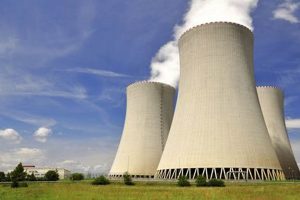
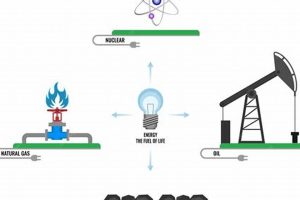
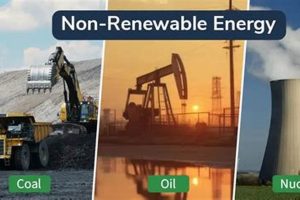
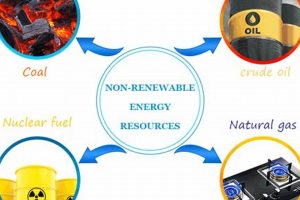
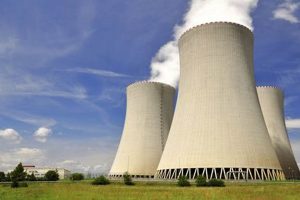
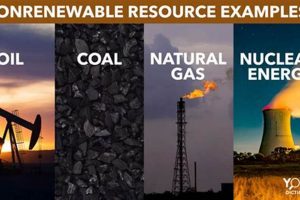
Energy resources are broadly categorized into two fundamental types: those that replenish naturally over relatively short periods, and those that exist in finite quantities and are depleted with use. Sources like solar, wind, hydro, geothermal, and biomass are considered sustainable because they are constantly replenished by natural processes. Conversely, resources like fossil fuels (coal, oil, and natural gas) and nuclear fuels (uranium) are finite and take millions of years to form, making them unsustainable in the long term.
The distinction between these energy types is critical for the future of human society. Sustainable sources offer a path towards energy independence, reduced greenhouse gas emissions, and a healthier environment. The reliance on finite resources, in contrast, poses significant challenges including price volatility, geopolitical instability, and environmental degradation. The shift towards sustainable practices began gaining momentum in the late 20th century as awareness of environmental issues and resource limitations grew.
This understanding of different energy sources provides a foundation for exploring the complexities of energy production, distribution, and consumption. The following sections delve into specific types of sustainable and non-sustainable resources, examining their advantages, disadvantages, and potential roles in the future energy landscape.
Practical Applications of Energy Source Knowledge
Understanding the distinction between sustainable and finite energy resources empowers informed decision-making at individual, community, and global levels. The following tips offer practical guidance for applying this knowledge:
Tip 1: Evaluate Energy Consumption: Analyze current energy usage patterns at home and in the workplace. Identify areas where energy efficiency can be improved and consumption reduced.
Tip 2: Explore Sustainable Alternatives: Investigate the feasibility of incorporating sustainable energy solutions, such as solar panels or geothermal heating, depending on geographic location and resource availability.
Tip 3: Support Sustainable Policies: Advocate for policies that promote the development and adoption of sustainable energy technologies and infrastructure.
Tip 4: Invest Responsibly: Consider directing investments towards companies and projects focused on sustainable energy solutions.
Tip 5: Educate and Engage: Share knowledge about sustainable and non-sustainable resources with others to raise awareness and encourage responsible energy practices within communities.
Tip 6: Consider Transportation Choices: Opt for fuel-efficient vehicles, public transportation, cycling, or walking whenever possible to reduce reliance on fossil fuels.
Tip 7: Reduce, Reuse, Recycle: Minimizing consumption and waste reduces the overall demand for energy required in manufacturing and disposal processes.
By implementing these practices, individuals and communities can contribute to a more sustainable energy future and mitigate the negative impacts associated with reliance on finite resources.
These practical steps represent tangible actions that can be taken based on the core principles of energy resource classification. The concluding section reinforces the significance of these actions in shaping a sustainable energy future.
1. Replenishable vs. Finite

The core of understanding energy resources lies in the distinction between replenishable and finite supplies. This fundamental difference dictates long-term sustainability, environmental impact, and energy security. Examining specific facets of this dichotomy provides crucial insights into the future of energy production and consumption.
- Resource Availability Over Time
Replenishable resources, such as solar and wind energy, are naturally replenished over relatively short timeframes. Their availability remains consistent, barring variations in weather patterns. Finite resources, like fossil fuels, exist in limited quantities and are depleted with use. Their extraction becomes increasingly challenging and expensive as readily available reserves diminish.
- Environmental Impact
Harnessing replenishable resources generally results in a lower environmental footprint compared to exploiting finite resources. Solar and wind power generation produce minimal greenhouse gas emissions, while fossil fuel combustion releases significant quantities of pollutants, contributing to climate change and air pollution. Nuclear energy, though finite, offers a low-carbon alternative, but carries risks associated with waste disposal and potential accidents.
- Energy Security
Reliance on finite resources often creates dependencies on geopolitical factors and global markets, impacting energy security. Replenishable resources, being more geographically dispersed, offer greater potential for localized energy production, enhancing energy independence and mitigating vulnerabilities associated with resource scarcity and international conflicts.
- Economic Considerations
The economic landscape of energy production is significantly influenced by the replenishable versus finite nature of resources. While initial investments in renewable energy infrastructure can be substantial, operational costs are typically lower due to the absence of fuel costs. Finite resources, conversely, entail ongoing fuel expenses and are subject to price volatility influenced by market dynamics and geopolitical events.
These interconnected facets highlight the fundamental differences between replenishable and finite resources, demonstrating the importance of transitioning towards a sustainable energy future. This shift necessitates strategic investments in renewable energy technologies, infrastructure development, and policy frameworks that promote energy efficiency and reduce reliance on finite resources.
2. Sustainable vs. Unsustainable

The sustainability of energy production is intrinsically linked to the nature of the resource being utilized. Sustainable energy practices rely on resources that can be replenished naturally, ensuring long-term availability without depleting finite reserves. Unsustainable practices, conversely, depend on finite resources that are consumed faster than they are replenished, raising concerns about future availability and environmental consequences. This distinction is central to understanding the long-term implications of different energy choices.
- Long-Term Resource Availability
Sustainable energy sources, such as solar, wind, and hydro, offer continuous energy production due to their inherent renewability. This ensures long-term energy security without the risk of resource depletion. Unsustainable sources, primarily fossil fuels, are finite and their extraction becomes progressively more challenging and costly as readily accessible reserves diminish, creating uncertainty about future energy supplies.
- Environmental Impact
Sustainable energy production minimizes environmental damage. Solar and wind power generate minimal greenhouse gas emissions and air pollution. Unsustainable practices, especially fossil fuel combustion, release substantial greenhouse gases, contributing to climate change, air pollution, and other environmental problems. Nuclear power, while a finite resource, presents a low-carbon alternative but raises concerns regarding nuclear waste disposal and the risk of accidents.
- Economic Stability
Sustainable energy sources contribute to long-term economic stability by reducing reliance on volatile global fuel markets. They can also create new economic opportunities in manufacturing, installation, and maintenance of renewable energy technologies. Conversely, dependence on unsustainable, finite resources exposes economies to price fluctuations and geopolitical instability, impacting energy affordability and access.
- Social Equity
The shift towards sustainable energy can promote social equity by creating jobs in renewable energy sectors and providing access to clean and affordable energy in underserved communities. Reliance on unsustainable resources can disproportionately impact vulnerable populations who may face higher energy costs or bear the brunt of environmental damage caused by resource extraction and pollution.
The sustainability of energy production is a critical factor in determining long-term energy security, environmental health, and economic stability. Transitioning to a sustainable energy future requires a concerted effort to develop and implement renewable energy technologies, promote energy efficiency, and adopt policies that incentivize sustainable practices. This transition is essential not only for mitigating the negative impacts of unsustainable practices but also for securing a stable and equitable energy future for all.
3. Environmental Impact
A critical factor differentiating renewable and non-renewable energy sources is their environmental impact. The extraction, processing, and utilization of these resources have varying consequences for ecosystems, air and water quality, and the global climate. Understanding these impacts is crucial for making informed decisions about energy production and consumption.
- Greenhouse Gas Emissions
Fossil fuel combustion releases significant amounts of greenhouse gases, primarily carbon dioxide, contributing to climate change. Renewable energy sources, such as solar and wind, produce minimal greenhouse gas emissions during operation, offering a more climate-friendly alternative. This difference in emissions profiles significantly impacts long-term global climate patterns.
- Air and Water Quality
Burning fossil fuels releases pollutants like sulfur dioxide and nitrogen oxides, contributing to acid rain and respiratory problems. Extraction and processing of fossil fuels can also contaminate water sources. Renewable energy sources generally have a less detrimental impact on air and water quality, though some, like hydropower, can affect aquatic ecosystems.
- Land Use and Habitat Disruption
Energy production, regardless of the source, often requires land use. Fossil fuel extraction can lead to habitat destruction and fragmentation. Large-scale renewable energy projects, such as solar farms and wind farms, also require land and can potentially impact wildlife. However, careful planning and siting can minimize these impacts.
- Waste Generation and Disposal
Fossil fuel combustion generates ash and other byproducts requiring disposal. Nuclear power produces radioactive waste that necessitates long-term storage solutions. Renewable energy sources produce minimal waste, though the manufacturing process of some components, such as solar panels, does generate some waste requiring proper management.
The environmental impact of energy production is a key consideration in evaluating the long-term sustainability of different energy sources. The transition to renewable energy sources offers a pathway toward mitigating the negative environmental consequences associated with traditional fossil fuel-based energy systems, paving the way for a cleaner and healthier environment.
4. Energy Security

Energy security is intrinsically linked to the choice between renewable and non-renewable energy sources. It encompasses the reliable availability of energy resources at affordable prices, while also considering environmental sustainability and geopolitical factors. Reliance on non-renewable resources, particularly fossil fuels, often creates vulnerabilities due to price volatility, resource depletion, and geopolitical instability. For example, nations heavily reliant on imported fossil fuels can experience economic hardship and supply disruptions during times of global conflict or political tension. Conversely, diversifying energy portfolios with renewable sources enhances energy independence and resilience. A nation generating a significant portion of its electricity from solar, wind, or hydropower is less susceptible to external market fluctuations and supply chain disruptions. This decentralized energy production model strengthens national energy security by reducing dependence on imported fuels and fostering self-sufficiency.
The pursuit of energy security through renewable resources presents both opportunities and challenges. While renewable energy technologies offer a pathway towards greater energy independence and price stability, their intermittent nature requires innovative solutions for energy storage and grid management. For instance, integrating battery storage systems or pumped hydro storage facilities with solar and wind farms can ensure a continuous and reliable energy supply. Furthermore, investments in smart grid technologies can optimize energy distribution and minimize transmission losses. Addressing these challenges is crucial for maximizing the potential of renewable resources to enhance energy security.
Transitioning towards a more secure energy future requires a strategic approach that balances the utilization of both renewable and non-renewable resources while actively promoting the development and adoption of sustainable energy technologies. Diversification of energy sources, coupled with investments in energy efficiency and grid modernization, are essential components of a comprehensive energy security strategy. This multifaceted approach not only reduces dependence on volatile global energy markets but also fosters economic growth, protects the environment, and enhances national resilience in the face of global challenges.
5. Economic Implications

The economic implications of choosing between renewable and non-renewable energy sources are substantial and multifaceted. These implications extend beyond immediate costs of energy production to encompass job creation, technological innovation, market dynamics, and long-term economic growth. Understanding these economic factors is crucial for informed decision-making at both individual and societal levels.
Non-renewable energy sources, particularly fossil fuels, have historically dominated the global energy landscape. Established infrastructure and economies of scale have often resulted in lower initial costs for fossil fuel-based power generation. However, this economic picture is incomplete without considering the externalities associated with fossil fuels, such as air and water pollution, and the long-term costs of climate change mitigation. Furthermore, the price volatility of fossil fuels exposes economies to unpredictable energy costs and potential disruptions to economic activity. The Organization of the Petroleum Exporting Countries (OPEC)’s influence on oil prices serves as a prominent example of this vulnerability.
Renewable energy sources, while often requiring higher upfront investment in infrastructure, offer distinct economic advantages in the long term. Declining costs of renewable energy technologies, coupled with government incentives and subsidies, are making renewable energy increasingly competitive with fossil fuels. Furthermore, the operational costs of renewable energy are generally lower due to the absence of fuel costs. This price stability protects economies from the fluctuations inherent in fossil fuel markets. The growth of the solar photovoltaic industry, with its declining costs and expanding job market, exemplifies the positive economic ripple effects of renewable energy adoption. Moreover, investments in renewable energy create new industries and job opportunities in manufacturing, installation, maintenance, and research and development, stimulating economic growth and fostering technological innovation. The burgeoning electric vehicle market, driven by advancements in battery technology and renewable energy integration, illustrates this economic transformation.
In conclusion, the economic implications of energy choices extend far beyond immediate production costs. A comprehensive economic analysis must consider the long-term costs and benefits, including environmental externalities, price volatility, job creation, and technological innovation. Transitioning towards a renewable energy-based economy presents significant opportunities for sustainable economic growth, enhanced energy security, and a healthier environment. Addressing the challenges associated with this transition, such as upfront investment costs and grid integration, is crucial for realizing the full economic potential of renewable energy. Recognizing the interconnectedness of energy choices, environmental sustainability, and economic prosperity is essential for navigating the complex energy landscape and securing a sustainable future.
6. Technological Advancement
Technological advancement plays a crucial role in the evolution and utilization of both renewable and non-renewable energy sources. Advancements influence efficiency, cost-effectiveness, and environmental impact across the energy spectrum. For renewable energy, technological progress drives down costs and improves energy conversion rates. For example, advancements in photovoltaic cell technology have significantly reduced the cost of solar energy, making it increasingly competitive with traditional fossil fuels. Similarly, improvements in wind turbine design and materials have enhanced energy capture efficiency, leading to greater energy output from wind farms. These advancements are essential for expanding the adoption of renewable energy and reducing reliance on finite resources.
Technological advancements also impact non-renewable energy sources, primarily through improved extraction techniques and enhanced efficiency in power generation. For instance, hydraulic fracturing (fracking) has revolutionized the extraction of natural gas, making previously inaccessible reserves economically viable. Similarly, advancements in combined cycle gas turbine technology have increased the efficiency of natural gas power plants, reducing fuel consumption and greenhouse gas emissions. However, it is important to recognize that technological advancements in non-renewable energy extraction can also have negative environmental consequences, such as increased water pollution and habitat disruption. Furthermore, while efficiency improvements can reduce emissions per unit of energy generated, they do not address the fundamental issue of finite resource depletion.
In summary, technological advancement is a double-edged sword in the energy sector. While it drives innovation and efficiency improvements in both renewable and non-renewable energy, its application and impact must be carefully considered. The focus should be on fostering technological advancements that support the transition towards a sustainable energy future, prioritizing renewable energy development, energy efficiency, and environmentally responsible resource management. This strategic approach to technological advancement is essential for balancing the need for reliable and affordable energy with the imperative to protect the environment and ensure long-term energy security.
7. Long-Term Viability
Long-term viability in the context of energy production is inextricably linked to the fundamental distinction between renewable and non-renewable resources. This viability encompasses the ability of an energy source to meet future energy demands reliably, affordably, and sustainably. Non-renewable resources, by definition, possess inherent limitations in their long-term viability due to their finite nature. Fossil fuels, for example, are projected to become increasingly scarce and expensive to extract as readily accessible reserves are depleted. This scarcity poses significant challenges for future energy security and economic stability. Furthermore, the continued reliance on fossil fuels exacerbates climate change, further jeopardizing long-term societal well-being.
Renewable energy sources, in contrast, offer a pathway towards long-term energy viability. Solar, wind, hydro, and geothermal energy are naturally replenished and therefore not susceptible to depletion. While challenges remain in terms of intermittency, storage, and infrastructure development, these challenges are actively being addressed through technological advancements and policy initiatives. The declining costs of renewable energy technologies, coupled with growing concerns about climate change and energy security, are driving a global transition towards renewable energy systems. The integration of smart grids, battery storage, and demand-side management strategies further enhances the long-term viability of renewable energy by addressing issues of intermittency and grid stability. Examples of successful long-term renewable energy integration can be seen in countries like Denmark, which has achieved a high percentage of wind power in its energy mix, and Costa Rica, which has powered itself primarily with renewable sources for extended periods.
The long-term viability of energy systems is a critical factor in determining future prosperity and environmental sustainability. The choice between renewable and non-renewable resources has profound implications for energy security, economic stability, and climate change mitigation. While the transition to a fully renewable energy system presents challenges, it is essential for ensuring a sustainable and prosperous future. Continued investment in research, development, and deployment of renewable energy technologies, coupled with supportive policy frameworks, is crucial for realizing the full potential of renewable resources and securing long-term energy viability. Ignoring the finite nature of non-renewable resources and delaying the transition to sustainable energy systems jeopardizes future generations ability to meet their energy needs and maintain a healthy planet.
Frequently Asked Questions
This section addresses common inquiries regarding the distinctions between renewable and non-renewable energy sources, aiming to provide clear and concise answers.
Question 1: What is the primary difference between renewable and non-renewable energy?
Renewable energy sources replenish naturally over relatively short periods, while non-renewable sources exist in finite quantities and are depleted with use.
Question 2: Why is the transition to renewable energy important?
Transitioning to renewable energy is crucial for mitigating climate change, enhancing energy security, and promoting sustainable economic growth.
Question 3: Are renewable energy sources truly sustainable?
While renewable energy sources offer significant environmental advantages over fossil fuels, their sustainability depends on responsible resource management and lifecycle considerations.
Question 4: What are the main barriers to widespread renewable energy adoption?
Key barriers include upfront infrastructure costs, intermittency of some renewable sources, and the need for grid modernization.
Question 5: How can individuals contribute to the transition to renewable energy?
Individuals can contribute by reducing energy consumption, supporting policies that promote renewable energy, and investing in sustainable technologies.
Question 6: What is the role of government policy in promoting renewable energy?
Government policies play a vital role through incentives, regulations, and investments that support renewable energy development and adoption.
Understanding the nuances of renewable and non-renewable energy is essential for informed decision-making and responsible energy practices. The transition to a sustainable energy future requires collective action and a commitment to embracing clean energy solutions.
For further exploration, the following sections delve into specific renewable and non-renewable energy technologies, offering detailed insights into their respective advantages, disadvantages, and potential contributions to the future energy landscape.
Renewable Energy and Non-Renewable Energy Definition
This exploration of the definition of renewable and non-renewable energy has highlighted the fundamental differences between these two categories of resources. The finite nature of fossil fuels and the environmental consequences associated with their extraction and use underscore the need for a transition to sustainable energy sources. Renewable energy technologies, while presenting challenges related to intermittency and infrastructure development, offer a pathway towards long-term energy security, economic stability, and environmental sustainability. The economic implications of this transition are significant, with renewable energy creating new industries, jobs, and opportunities for innovation.
The future of energy hinges on embracing the potential of renewable resources. Continued investment in research, development, and deployment of renewable energy technologies, coupled with supportive policy frameworks, is crucial for realizing a sustainable energy future. Understanding the distinction between renewable and non-renewable energy is not merely an academic exercise; it is a call to action for individuals, communities, and nations to make informed choices that will shape the future of our planet.