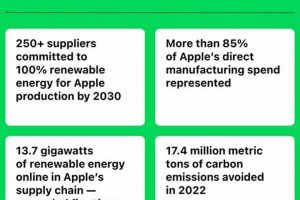
Substituting fossil fuels with sustainable energy sources diminishes greenhouse gas emissions. Burning fossil fuels for electricity, heat, and transportation releases substantial amounts of carbon dioxide, methane, and nitrous oxide, the primary drivers of global warming. Sources like solar, wind, hydro, geothermal, and biomass generate power without these harmful emissions, mitigating the human impact on the climate system. For example, a solar panel converts sunlight directly into electricity without producing greenhouse gases.
The shift to sustainable power generation offers significant long-term advantages. Reduced air pollution leads to improved public health and lower healthcare costs. Enhanced energy security stems from diversifying energy supplies and reducing reliance on volatile global fossil fuel markets. The development and deployment of these technologies also stimulate economic growth and create new job opportunities. Historically, reliance on fossil fuels has shaped geopolitical landscapes and contributed significantly to the current climate crisis. Transitioning away from them is paramount for a sustainable future.
This discussion will explore the specific contributions of various sustainable energy sources, the challenges in their implementation, and the policies that promote their wider adoption. Further examination will include the economic implications of this transition and the technological advancements driving innovation in the sustainable energy sector.
Tips for Supporting the Transition to Renewable Energy
Individuals, communities, and governments can contribute to the expansion of renewable energy through informed choices and proactive measures. The following tips provide practical guidance for promoting a sustainable energy future.
Tip 1: Advocate for Supportive Policies: Engage with local and national representatives to support policies that incentivize renewable energy development, such as tax credits, renewable portfolio standards, and streamlined permitting processes. These policies can accelerate the transition to a cleaner energy system.
Tip 2: Invest in Renewable Energy: Explore opportunities to invest directly in renewable energy projects, such as community solar or wind farms. This can provide financial returns while supporting sustainable development.
Tip 3: Reduce Energy Consumption: Implementing energy efficiency measures at home and in the workplace can lessen reliance on all energy sources, including fossil fuels. This includes using energy-efficient appliances, improving insulation, and reducing overall energy demand.
Tip 4: Choose Renewable Energy Options: Opt for electricity providers that offer renewable energy sources, such as wind or solar. In some regions, consumers can choose a green energy tariff or purchase renewable energy certificates.
Tip 5: Support Businesses Committed to Sustainability: Patronize businesses that prioritize renewable energy and sustainable practices. Consumer choices can influence corporate decision-making and encourage broader adoption of sustainable practices.
Tip 6: Educate and Engage: Share information about the benefits of renewable energy with family, friends, and colleagues. Public awareness and support are crucial for accelerating the transition to a sustainable energy future.
Tip 7: Embrace Technological Advancements: Stay informed about the latest advancements in renewable energy technologies, such as improved battery storage and smart grid systems. These innovations can enhance the efficiency and reliability of renewable energy sources.
By implementing these tips, individuals and communities can actively participate in the global effort to mitigate climate change and create a more sustainable energy future. Collective action is essential for achieving a significant and lasting impact.
These actions contribute to a broader movement toward a cleaner, more sustainable future powered by renewable energy sources.
1. Reduces Greenhouse Gas Emissions

The core connection between renewable energy and climate change mitigation lies in the reduction of greenhouse gas emissions. Fossil fuel combustion for electricity generation, transportation, and industrial processes releases substantial amounts of carbon dioxide, methane, and nitrous oxide into the atmosphere. These gases trap heat, contributing to global warming and associated climate change impacts. Renewable energy sources, such as solar, wind, hydro, and geothermal, offer alternative methods for generating power without these harmful emissions. This fundamental difference is crucial for mitigating climate change. For example, a wind turbine generates electricity from kinetic energy, emitting no greenhouse gases during operation, unlike a coal-fired power plant which releases significant amounts of CO2.
The significance of reducing greenhouse gas emissions cannot be overstated. The Intergovernmental Panel on Climate Change (IPCC) has repeatedly highlighted the urgent need for substantial emissions reductions to limit global warming to 1.5C above pre-industrial levels and avert the most catastrophic consequences of climate change. Transitioning to renewable energy is a critical pathway for achieving these reductions. The displacement of fossil fuels by renewable sources directly lowers emissions, contributing to global climate goals and creating a more sustainable energy system. This transition requires significant investment in renewable energy infrastructure, supportive policies, and continued technological advancements.
Ultimately, the ability of renewable energy to reduce greenhouse gas emissions is central to its role in addressing climate change. The practical implications are far-reaching, influencing energy security, economic development, and public health. While challenges remain in terms of cost, intermittency, and infrastructure development, the continued expansion of renewable energy is essential for a sustainable future. Further research and development are crucial for maximizing the potential of renewable energy to mitigate climate change and create a cleaner, healthier planet.
2. Replaces Fossil Fuels
Addressing climate change requires a fundamental shift in energy production, moving away from fossil fuels and towards sustainable alternatives. Renewable energy sources play a crucial role in this transition by directly replacing fossil fuels in various sectors, thereby reducing greenhouse gas emissions and mitigating the impacts of climate change. This substitution is a cornerstone of sustainable energy strategies and a key factor in achieving global climate goals.
- Power Generation:
Renewable energy sources, such as solar and wind, are increasingly replacing fossil fuels in electricity generation. Large-scale solar farms and wind turbines now provide substantial amounts of electricity to grids worldwide, displacing coal, natural gas, and oil-fired power plants. This displacement directly reduces emissions from the power sector, a significant contributor to global greenhouse gas emissions. For example, in regions with abundant solar resources, solar farms can effectively replace conventional power plants, significantly reducing carbon emissions.
- Transportation:
Electric vehicles (EVs) powered by renewable energy offer a sustainable alternative to gasoline and diesel-powered vehicles. As the electricity grid transitions to renewable sources, EVs contribute to decarbonizing the transportation sector, a major source of greenhouse gas emissions. Furthermore, biofuels derived from sustainable sources can replace conventional fuels in existing vehicles, reducing their carbon footprint. The growth of EV charging infrastructure powered by renewable energy further accelerates this transition.
- Heating and Cooling:
Renewable energy technologies, such as geothermal heat pumps and solar thermal systems, provide sustainable solutions for heating and cooling buildings. Geothermal heat pumps utilize the Earth’s constant temperature to provide efficient heating and cooling, while solar thermal systems harness solar energy for water heating and space heating. These technologies replace conventional heating and cooling systems that rely on fossil fuels, reducing emissions from the building sector.
- Industrial Processes:
Renewable energy can also play a role in decarbonizing industrial processes. For instance, solar thermal systems can provide heat for industrial applications, replacing fossil fuel-based systems. Furthermore, the production of green hydrogen using renewable energy offers a sustainable alternative to fossil fuels in various industrial processes, including the production of fertilizers and steel. These applications reduce emissions from the industrial sector, a significant contributor to greenhouse gas emissions.
The replacement of fossil fuels by renewable energy sources is a multifaceted process with far-reaching implications for climate change mitigation. By decarbonizing key sectors, including power generation, transportation, heating and cooling, and industrial processes, renewable energy reduces greenhouse gas emissions, mitigates air pollution, and contributes to a more sustainable energy future. The continued advancement and deployment of renewable energy technologies are essential for accelerating this transition and achieving global climate goals.
3. Mitigates Air Pollution

Renewable energy’s contribution to climate change mitigation extends beyond reducing greenhouse gases. It also plays a crucial role in mitigating air pollution, a significant environmental and public health concern. Fossil fuel combustion releases harmful pollutants, including particulate matter, nitrogen oxides, and sulfur dioxide, which contribute to respiratory illnesses, cardiovascular diseases, and other health problems. Transitioning to renewable energy sources significantly reduces these harmful emissions, leading to cleaner air and improved public health outcomes. This connection between renewable energy and air quality is a critical component of its overall environmental and societal benefits.
- Reduced Respiratory Illnesses:
Renewable energy adoption leads to lower concentrations of particulate matter and other air pollutants associated with respiratory illnesses like asthma and bronchitis. For instance, replacing coal-fired power plants with wind farms reduces particulate matter emissions, leading to fewer hospital admissions for respiratory problems in surrounding communities. Studies have demonstrated a direct correlation between reduced air pollution levels and improved respiratory health in areas with higher renewable energy penetration.
- Improved Cardiovascular Health:
Air pollution from fossil fuels contributes to cardiovascular diseases. The transition to renewable energy helps reduce this risk by lowering the concentration of harmful pollutants in the air. A study by the American Heart Association found a link between long-term exposure to air pollution and an increased risk of heart attacks and strokes. Renewable energy adoption can mitigate these risks by improving air quality.
- Decreased Healthcare Costs:
Improved air quality resulting from renewable energy adoption can lead to substantial reductions in healthcare costs associated with air pollution-related illnesses. A study by the World Health Organization estimated that air pollution costs the global economy trillions of dollars annually in healthcare expenditures and lost productivity. Investing in renewable energy can help reduce these costs and improve overall economic well-being.
- Enhanced Environmental Justice:
Air pollution disproportionately affects vulnerable populations and communities located near fossil fuel power plants and other polluting industries. The transition to renewable energy promotes environmental justice by reducing pollution in these communities, leading to improved health outcomes and greater environmental equity. This shift addresses systemic inequalities and contributes to a more just and sustainable energy system.
The mitigation of air pollution through renewable energy adoption offers significant benefits for both public health and the environment. Cleaner air contributes to healthier communities, reduces healthcare burdens, and promotes environmental justice. These benefits, combined with the reduction of greenhouse gas emissions, underscore the crucial role of renewable energy in creating a sustainable and healthy future. This interconnectedness highlights the importance of transitioning to renewable energy sources as a comprehensive solution for addressing both climate change and air pollution challenges.
4. Combats Global Warming

The central mechanism by which renewable energy helps address climate change is its ability to combat global warming. Global warming, driven primarily by increased concentrations of greenhouse gases in the atmosphere, results in a range of adverse climate impacts, including rising sea levels, extreme weather events, and disruptions to ecosystems. Renewable energy sources offer a pathway to mitigate global warming by fundamentally altering how energy is generated. By replacing fossil fuels, the primary source of human-caused greenhouse gas emissions, with renewable alternatives, the release of these heat-trapping gases is significantly reduced. This reduction directly addresses the root cause of global warming, slowing its progression and mitigating its associated impacts. For instance, transitioning from coal-fired power plants to solar farms reduces carbon dioxide emissions, a key contributor to global warming, thus helping to stabilize the global climate system. This shift is not merely a technological change but a fundamental step towards environmental sustainability.
The practical significance of this connection lies in the potential for renewable energy to limit the magnitude of future warming. Scientific consensus, as presented by the Intergovernmental Panel on Climate Change (IPCC), emphasizes the urgent need for substantial emissions reductions to limit global warming to 1.5C above pre-industrial levels. Renewable energy deployment plays a crucial role in achieving these reductions and preventing the most catastrophic consequences of climate change. For example, widespread adoption of wind energy can displace fossil fuel-based electricity generation, significantly reducing emissions and contributing to global efforts to limit warming. Furthermore, the transition to renewable energy sources offers co-benefits, such as improved air quality and enhanced energy security, strengthening the overall case for their adoption. Investing in renewable energy infrastructure and supportive policies are essential for accelerating this transition and realizing its full potential in combating global warming.
Combating global warming through the adoption of renewable energy represents a pivotal component of addressing climate change. The direct link between reduced emissions and mitigated warming underscores the importance of accelerating the transition to a renewable energy-powered future. While challenges remain in terms of technological development, infrastructure deployment, and policy implementation, the potential benefits of renewable energy in mitigating global warming and its associated impacts are undeniable. Continued research, innovation, and policy support are essential for maximizing the effectiveness of renewable energy in combating this global challenge and ensuring a sustainable future for generations to come.
5. Supports Energy Independence

Renewable energy’s contribution to climate change mitigation intersects significantly with enhanced energy independence. Reliance on fossil fuels often creates dependencies on volatile global markets and geopolitical factors. This vulnerability can impact energy security and affordability. Renewable energy sources, being domestically available in many cases, offer a pathway to greater energy independence. By generating power from resources like sunlight, wind, and geothermal heat, nations can reduce their reliance on imported fossil fuels, bolstering energy security and mitigating the economic and political risks associated with energy dependence. This shift strengthens national energy resilience and reduces susceptibility to global energy price fluctuations. For example, a country investing heavily in solar power reduces its dependence on imported oil, thus enhancing its energy independence and shielding its economy from external shocks. This decoupling from fossil fuel imports is a key aspect of how renewable energy fosters energy security.
The practical implications of this enhanced energy independence are substantial. Reduced reliance on imported fossil fuels translates to greater control over energy prices and supply, shielding economies from global market volatility. This stability fosters economic growth and reduces the risk of energy disruptions. Moreover, energy independence can enhance national security by reducing vulnerability to geopolitical tensions related to fossil fuel resources. For instance, a nation with significant geothermal resources can develop its geothermal power capacity, reducing its dependence on imported natural gas and strengthening its energy security. This ability to generate power domestically enhances resilience against external pressures and promotes long-term stability. The shift towards renewable energy, therefore, contributes not only to environmental sustainability but also to greater economic and geopolitical stability.
In conclusion, the link between renewable energy and energy independence is a crucial component of its contribution to climate change mitigation. By diversifying energy sources and reducing reliance on imported fossil fuels, nations can enhance their energy security, bolster their economies, and mitigate geopolitical risks. This enhanced energy independence reinforces the broader benefits of renewable energy, making it a compelling solution for both climate change and energy security challenges. While the transition to renewable energy requires significant investments and infrastructure development, the long-term benefits of energy independence, combined with the environmental advantages, solidify its importance in creating a sustainable and secure energy future.
6. Promotes Sustainable Development

Renewable energy’s role in mitigating climate change is intrinsically linked to its contribution to sustainable development. Sustainable development aims to meet present needs without compromising the ability of future generations to meet their own needs. This encompasses economic growth, social equity, and environmental protection. Renewable energy, by providing clean and accessible energy, serves as a cornerstone of sustainable development, fostering economic opportunities, enhancing social well-being, and safeguarding the environment for future generations. This interconnectedness underscores the importance of renewable energy in achieving broader sustainability goals.
- Economic Growth:
Renewable energy technologies stimulate economic growth by creating new industries, jobs, and investment opportunities. The manufacturing, installation, and maintenance of renewable energy systems generate employment across various skill levels. Furthermore, decentralized renewable energy systems, such as rooftop solar installations, empower local communities and contribute to rural development. For example, the growth of the solar panel manufacturing industry has created thousands of jobs worldwide, while community-owned wind farms provide economic benefits to rural areas. This economic activity contributes to sustainable development by generating income and improving livelihoods.
- Social Equity:
Access to clean and affordable energy is a fundamental requirement for social equity. Renewable energy can address energy poverty in remote and underserved communities, providing access to electricity for essential services such as lighting, healthcare, and education. Off-grid renewable energy systems, such as solar-powered microgrids, can electrify rural villages, improving quality of life and promoting social inclusion. For instance, solar-powered water pumps can provide clean water to communities lacking access to traditional grid infrastructure, enhancing public health and well-being.
- Environmental Protection:
Renewable energy plays a crucial role in environmental protection by reducing reliance on fossil fuels, mitigating air and water pollution, and conserving natural resources. The transition to renewable energy protects ecosystems, safeguards biodiversity, and promotes a healthier environment for both present and future generations. For example, hydropower projects, while providing clean energy, can also have environmental impacts on river ecosystems, necessitating careful planning and mitigation measures to minimize negative effects and ensure sustainable development.
- Climate Change Mitigation:
Renewable energy is a key driver of climate change mitigation by reducing greenhouse gas emissions and helping to stabilize the global climate system. This contributes to long-term sustainability by preventing the most severe impacts of climate change, including sea-level rise, extreme weather events, and disruptions to ecosystems. For example, replacing coal-fired power plants with wind farms significantly reduces carbon dioxide emissions, helping to limit global warming and mitigate its associated risks, which is a cornerstone of sustainable development.
The multifaceted contributions of renewable energy to sustainable development reinforce its importance in addressing global challenges. By fostering economic growth, promoting social equity, protecting the environment, and mitigating climate change, renewable energy serves as a catalyst for a more sustainable future. This integrated approach highlights the interconnectedness of these goals and the crucial role of renewable energy in achieving a truly sustainable development pathway. The ongoing transition to a renewable energy-powered world is therefore not only an environmental imperative but also a fundamental requirement for building a more equitable, prosperous, and sustainable future for all.
Frequently Asked Questions about Renewable Energy and Climate Change
This section addresses common inquiries regarding the role of renewable energy in mitigating climate change.
Question 1: How significantly can renewable energy reduce greenhouse gas emissions?
The extent of greenhouse gas reduction from renewable energy depends on the scale and speed of its adoption. Complete replacement of fossil fuels with renewable sources could eliminate a substantial portion of global emissions, significantly mitigating climate change. The rate of reduction is contingent upon policy support, technological advancements, and investment in infrastructure.
Question 2: Are renewable energy sources reliable enough to meet global energy demands?
The reliability of renewable energy sources like solar and wind is constantly improving with technological advancements. Concerns about intermittency are addressed through grid management strategies, energy storage solutions, and diversification of renewable energy sources. Integrating various renewable sources and utilizing advanced forecasting technologies enhances reliability and ensures consistent energy supply.
Question 3: What are the primary economic benefits of transitioning to renewable energy?
Transitioning to renewable energy creates new economic opportunities, including jobs in manufacturing, installation, maintenance, and research. It also stimulates innovation, reduces reliance on volatile fossil fuel markets, and can lower energy costs in the long term, leading to more stable and sustainable economic growth.
Question 4: Do renewable energy technologies require large amounts of land use?
Land use requirements vary depending on the specific renewable energy technology. While large-scale solar and wind farms require significant land areas, rooftop solar installations and offshore wind farms minimize land use impacts. Careful planning and siting considerations are crucial for minimizing environmental impacts and optimizing land use efficiency.
Question 5: How do governments incentivize the adoption of renewable energy?
Governments employ various policy mechanisms to incentivize renewable energy adoption, including tax credits, feed-in tariffs, renewable portfolio standards, carbon pricing mechanisms, and streamlined permitting processes. These policies encourage investment in renewable energy projects and accelerate the transition to a cleaner energy system. International agreements and collaborations also play a role in promoting global renewable energy adoption.
Question 6: What role does energy storage play in the future of renewable energy?
Energy storage technologies, such as batteries and pumped hydro storage, are essential for addressing the intermittency of renewable energy sources. Storing excess energy generated during peak production periods allows for its utilization during periods of lower generation or higher demand, ensuring a stable and reliable energy supply. Advancements in battery technology and other storage solutions are crucial for maximizing the effectiveness and integration of renewable energy into the grid.
Understanding these key aspects of renewable energy’s role in climate change mitigation is crucial for informed decision-making and effective implementation of sustainable energy strategies. The transition to renewable energy represents a significant opportunity for environmental stewardship, economic growth, and a more sustainable future.
The following section will explore specific case studies of successful renewable energy integration in various regions and analyze the policy frameworks that facilitated their implementation.
Conclusion
This exploration has detailed how the adoption of renewable energy technologies offers a multifaceted solution to the climate crisis. The shift away from fossil fuels towards sustainable energy sources like solar, wind, hydro, and geothermal directly reduces greenhouse gas emissions, mitigating the primary driver of global warming. Furthermore, the transition to renewable energy enhances energy independence, reduces air pollution with associated public health benefits, stimulates economic growth through job creation and technological innovation, and promotes a more equitable and sustainable development pathway. The interconnectedness of these benefits underscores the crucial role of renewable energy in building a more resilient and sustainable future.
The urgency of the climate crisis demands immediate and decisive action. Accelerated investment in renewable energy infrastructure, coupled with supportive policies and ongoing technological advancements, is paramount for achieving meaningful emissions reductions and mitigating the most severe impacts of climate change. The transition to a renewable energy future represents not just an environmental imperative but a fundamental shift towards a more secure, prosperous, and sustainable world for generations to come. The time for decisive action is now, and the potential of renewable energy to reshape the global energy landscape and address the climate crisis is within reach.