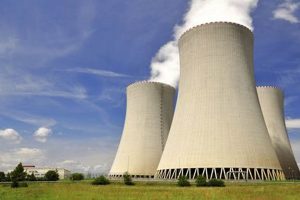
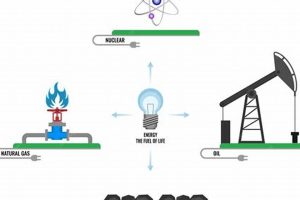
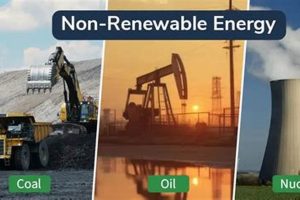
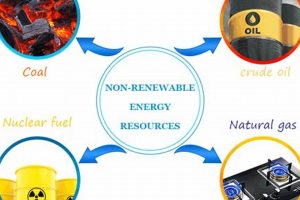
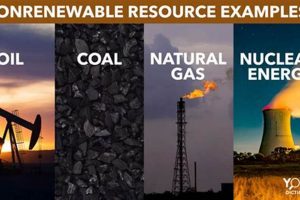
Sustainable power sources replenish themselves naturally over relatively short periods, offering a consistent energy flow. Examples include solar, wind, hydro, geothermal, and biomass energy. Conversely, finite resources, formed over millions of years, are depleted upon use. Fossil fuels (coal, oil, and natural gas) and nuclear energy derived from uranium are prime examples of these exhaustible sources.
The shift towards sustainable practices in energy production is critical for environmental and economic stability. Finite resources contribute significantly to greenhouse gas emissions, driving climate change. Their eventual depletion also poses a significant threat to global energy security. Sustainable alternatives offer a pathway to mitigate these risks, fostering a cleaner environment and a more secure energy future. The growing awareness of these benefits has spurred significant advancements in sustainable technologies and policies over the past few decades.
The following sections will delve deeper into the specific advantages and disadvantages of each energy type, explore current technological advancements, and analyze the policy landscape shaping the future of energy production and consumption.
Tips for Transitioning to Sustainable Practices
Implementing changes in energy consumption habits, both individually and collectively, is crucial for a sustainable future. The following tips offer practical guidance for supporting and adopting more environmentally responsible energy solutions.
Tip 1: Invest in Energy-Efficient Appliances: Choosing appliances with high energy efficiency ratings, such as Energy Star certified products, significantly reduces energy consumption and lowers long-term costs.
Tip 2: Optimize Home Insulation: Proper insulation minimizes energy loss during heating and cooling, leading to substantial energy savings and reduced reliance on finite resources.
Tip 3: Explore Solar Energy Options: Installing solar panels, whether on rooftops or through community solar programs, harnesses a clean and abundant energy source.
Tip 4: Support Sustainable Transportation: Utilizing public transport, cycling, walking, or electric vehicles minimizes reliance on fossil fuels and contributes to cleaner air.
Tip 5: Advocate for Policy Changes: Supporting policies that promote sustainable energy development, such as renewable energy incentives and carbon pricing, is crucial for systemic change.
Tip 6: Reduce Energy Consumption: Simple actions like turning off lights when leaving a room, unplugging electronic devices, and using energy-efficient lighting contribute to overall energy reduction.
Tip 7: Educate and Engage: Staying informed about sustainable energy options and engaging in conversations about their importance fosters community-wide adoption.
By adopting these practices, individuals and communities contribute to a cleaner environment, reduced reliance on finite resources, and a more sustainable energy future.
These collective efforts, alongside technological advancements and policy changes, are essential steps towards a future powered by sustainable energy.
1. Source Replenishment

Source replenishment is the defining characteristic distinguishing renewable from non-renewable energy. Renewable sources, such as solar, wind, hydro, geothermal, and biomass, are naturally replenished over relatively short timeframes. Sunlight continuously bathes the Earth, winds persistently blow, and water cycles maintain a consistent flow for hydroelectric power. This natural replenishment ensures a consistent energy supply, independent of finite resource depletion. Conversely, non-renewable sources, primarily fossil fuels (coal, oil, and natural gas) and uranium for nuclear energy, are formed over geological timescales, far exceeding human lifetimes. Their extraction and consumption deplete finite reserves, raising concerns about future energy security and the environmental consequences of their use.
The practical significance of understanding source replenishment lies in its implications for long-term energy planning and sustainability. Reliance on finite resources presents challenges related to resource depletion, price volatility, and environmental degradation. The continuous replenishment of renewable resources offers a pathway towards a more sustainable energy future, mitigating these challenges. For instance, while a coal-fired power plant depletes a finite coal reserve, a solar farm harnesses perpetually replenished sunlight, providing a consistent energy output without diminishing the source itself. This fundamental difference underscores the importance of transitioning towards renewable energy sources for a secure and sustainable energy future.
Transitioning to a predominantly renewable-based energy system addresses both resource depletion and environmental concerns associated with non-renewable sources. While challenges remain in terms of intermittency and infrastructure development for renewable energy, the inherent advantage of continuous replenishment makes these resources a crucial component of long-term energy strategies. The finite nature of non-renewable resources necessitates a shift towards sustainable alternatives, ensuring a secure and environmentally responsible energy future for generations to come. This transition requires ongoing technological advancements, policy support, and informed decision-making at individual, community, and global levels.
2. Environmental Impact
A critical distinction between renewable and non-renewable energy sources lies in their environmental impact. Non-renewable energy sources, particularly fossil fuels, are primary contributors to greenhouse gas emissions, a leading cause of climate change. Their extraction and combustion release substantial amounts of carbon dioxide, methane, and other pollutants into the atmosphere, with far-reaching consequences for ecosystems and global climate patterns. Renewable energy sources offer a significantly lower environmental footprint, mitigating these adverse effects and paving the way for a more sustainable energy future.
- Greenhouse Gas Emissions
Combustion of fossil fuels releases significant quantities of greenhouse gases, driving climate change. Renewable sources, in contrast, produce minimal greenhouse gas emissions during operation. For example, a solar panel generates electricity without emitting greenhouse gases, unlike a coal-fired power plant, which releases substantial CO2. This difference in emissions profiles is a key factor in the environmental advantage of renewable energy.
- Air and Water Pollution
Extraction and combustion of fossil fuels contribute significantly to air and water pollution. Coal mining can contaminate water sources, while oil spills pose severe threats to marine ecosystems. Burning fossil fuels releases particulate matter and other pollutants, impacting air quality and public health. Renewable energy sources generally have a much lower impact on air and water quality. For instance, wind turbines produce clean electricity without releasing air pollutants, and hydroelectric dams, while having some ecological impact, do not contribute to air pollution.
- Land Use and Habitat Disruption
Energy production, both renewable and non-renewable, requires land use, potentially impacting natural habitats. Large-scale solar and wind farms can require significant land areas, although often less than the cumulative land affected by coal mining and oil and gas extraction. Careful planning and siting of renewable energy projects are crucial to minimizing habitat disruption. For example, offshore wind farms can reduce land use impacts compared to onshore installations.
- Waste Disposal
Non-renewable energy sources generate waste products that require careful disposal. Nuclear power plants produce radioactive waste requiring long-term storage solutions. Fossil fuel combustion generates ash and other byproducts that can contaminate soil and water. Renewable energy sources produce significantly less waste. Solar panels can be recycled at the end of their lifespan, and while wind turbine blades present disposal challenges, research is ongoing to develop more sustainable recycling methods.
The environmental impact of energy choices is a pivotal factor in shaping sustainable energy policies. The reduced greenhouse gas emissions, air and water pollution, and waste generation associated with renewable energy sources position them as a crucial element in mitigating climate change and promoting environmental sustainability. While careful consideration of land use and habitat impacts remains important for renewable energy projects, their overall environmental benefits significantly outweigh those of non-renewable sources, driving the global transition towards a cleaner energy future.
3. Resource Availability
Resource availability is a critical factor differentiating renewable and non-renewable energy sources and significantly influences long-term energy security. Non-renewable resources, by definition, are finite and subject to depletion. Their availability is geographically constrained, often leading to geopolitical dependencies and price volatility. Renewable resources, conversely, are virtually inexhaustible, offering a more secure and sustainable energy future.
- Fossil Fuel Depletion
Fossil fuels, formed over millions of years, exist in finite quantities. As extraction continues, readily accessible reserves dwindle, leading to increased extraction costs and potential supply disruptions. For example, declining oil reserves necessitate exploration in more challenging environments, such as deep-sea drilling, increasing both cost and environmental risk. This inherent limitation of fossil fuels underscores the need for alternative energy sources.
- Renewable Resource Abundance
Renewable energy sources, such as solar, wind, and hydro, are virtually inexhaustible. Sunlight, wind, and water cycles provide a continuous energy flow, independent of finite reserves. This abundance ensures long-term energy security, reducing dependence on geographically limited resources. For instance, solar energy can be harnessed globally, offering a decentralized energy source less susceptible to geopolitical instability.
- Geopolitical Implications
Reliance on non-renewable resources can create geopolitical vulnerabilities. Countries heavily dependent on imported fossil fuels are susceptible to price fluctuations and supply disruptions driven by political instability or international conflicts. Diversification of energy sources, particularly through the adoption of renewable energy, enhances energy independence and national security. For example, a country investing heavily in domestic solar and wind power reduces its reliance on imported oil and gas, strengthening its energy security.
- Resource Accessibility
Access to energy resources varies significantly geographically. Some regions are rich in fossil fuel reserves, while others have greater potential for renewable energy generation. This uneven distribution influences energy prices and access to electricity. Developing countries with limited access to fossil fuels can leapfrog to renewable energy technologies, fostering sustainable development and reducing energy poverty. For instance, a remote village without access to a power grid can utilize solar panels to generate electricity, improving living standards and fostering local economic development.
The contrasting resource availability of renewable and non-renewable energy sources has profound implications for global energy security and sustainable development. The finite nature of fossil fuels necessitates a transition towards renewable energy, ensuring a reliable and accessible energy future. Leveraging the abundance and widespread availability of renewable resources offers a pathway to greater energy independence, reduced environmental impact, and enhanced global energy security.
4. Cost Fluctuations

Cost fluctuations represent a significant point of divergence between renewable and non-renewable energy sources. The price volatility inherent in non-renewable energy markets poses economic risks, while the relative cost stability of renewable energy offers predictable long-term budgeting and investment opportunities. Understanding these cost dynamics is crucial for informed decision-making regarding energy choices.
- Fuel Price Volatility
Non-renewable energy prices, particularly for fossil fuels, are subject to significant fluctuations influenced by global supply and demand dynamics, geopolitical events, and market speculation. Oil price shocks, for instance, can ripple through economies, impacting transportation costs, manufacturing, and consumer goods. This volatility creates uncertainty for businesses and consumers, making long-term financial planning challenging. Renewable energy sources, once established, are largely insulated from fuel price fluctuations. Solar and wind energy, for example, have no fuel costs associated with their operation, providing price stability and predictable energy costs over the long term.
- Operating Costs
While renewable energy technologies typically involve higher upfront capital costs, their operating costs are generally lower than those of non-renewable energy sources. Fossil fuel power plants require continuous fuel purchases and incur costs associated with emissions control and waste disposal. Renewable energy sources, such as wind and solar, have minimal operating costs once installed, primarily related to maintenance and occasional repairs. This difference in operating costs contributes to the long-term cost-effectiveness of renewable energy.
- Externalized Costs
Non-renewable energy sources often carry significant externalized costs expenses not directly reflected in market prices but borne by society as a whole. These costs include the environmental and health impacts of air and water pollution, as well as the economic consequences of climate change. Renewable energy sources have significantly lower externalized costs, reducing the burden on public health and the environment. For example, the health costs associated with air pollution from coal-fired power plants are a significant externalized cost not reflected in the price of electricity generated from coal.
- Technological Advancements and Cost Reductions
Technological advancements continue to drive down the costs of renewable energy technologies. Increased production efficiency, economies of scale, and research and development efforts have led to significant cost reductions for solar panels, wind turbines, and other renewable energy technologies in recent decades. This trend is expected to continue, making renewable energy increasingly competitive with non-renewable sources. For instance, the cost of solar photovoltaic modules has decreased dramatically over the past decade, making solar energy a more affordable option for consumers and businesses.
The contrasting cost dynamics of renewable and non-renewable energy sources have significant implications for economic development and energy planning. The price volatility associated with non-renewable resources creates economic risks, while the declining costs and price stability of renewable energy offer a more secure and sustainable energy future. Understanding these cost fluctuations is crucial for informed decision-making, policy development, and investment strategies in the energy sector. As renewable energy technologies continue to mature and become more cost-competitive, their role in the global energy mix is expected to expand significantly.
5. Energy Security

Energy security is intrinsically linked to the choice between renewable and non-renewable energy sources. It encompasses the reliable availability of energy resources at affordable prices, while minimizing disruptions to supply and mitigating environmental impacts. The long-term sustainability and resilience of energy systems are central to national and international security concerns. The dependence on finite, geographically concentrated non-renewable resources creates vulnerabilities, whereas diversified energy portfolios incorporating renewable sources enhance energy independence and stability.
- Import Dependence and Geopolitics
Reliance on imported fossil fuels exposes nations to geopolitical risks and price volatility. Supply disruptions due to international conflicts, political instability, or trade disputes can jeopardize energy security. For example, reliance on oil imports from politically volatile regions can create vulnerabilities for energy-dependent nations. Diversifying energy sources by integrating domestically sourced renewable energy reduces import dependence, enhancing energy independence and mitigating geopolitical risks.
- Resource Depletion and Future Availability
The finite nature of fossil fuels poses a long-term threat to energy security. As reserves deplete, extraction becomes more complex and costly, potentially leading to supply shortages and price increases. For instance, declining conventional oil reserves necessitate exploration in more challenging and environmentally sensitive areas, such as deep-sea drilling or Arctic regions. Renewable energy sources, being virtually inexhaustible, offer a more sustainable and secure energy future, mitigating the risks associated with resource depletion.
- Infrastructure Vulnerability and Resilience
Energy infrastructure, including power plants, pipelines, and transmission lines, is vulnerable to natural disasters, cyberattacks, and physical disruptions. Centralized power generation systems dependent on a limited number of large facilities are particularly susceptible to widespread outages. For example, a hurricane damaging a major oil refinery or a cyberattack targeting a power grid can have cascading effects on energy supply. Decentralized renewable energy systems, such as rooftop solar panels and distributed wind farms, enhance grid resilience by diversifying energy sources and reducing reliance on single points of failure.
- Price Volatility and Economic Stability
Fluctuations in fossil fuel prices, driven by global market dynamics and geopolitical events, can negatively impact economic stability. Price spikes can increase energy costs for businesses and consumers, impacting production, transportation, and overall economic activity. For example, a sudden increase in oil prices can inflate transportation costs, affecting the price of goods and services throughout the economy. Renewable energy sources, with their relatively stable operating costs, contribute to price stability and long-term economic planning.
The pursuit of energy security is inextricably linked to the transition from non-renewable to renewable energy sources. Diversifying energy portfolios with renewable energy enhances energy independence, mitigates geopolitical risks, ensures long-term resource availability, strengthens infrastructure resilience, and promotes economic stability. Embracing sustainable energy solutions is not merely an environmental imperative but a crucial strategy for ensuring a secure and prosperous energy future.
6. Technological Advancement
Technological advancement plays a crucial role in the evolution of both renewable and non-renewable energy sectors. Innovation drives efficiency improvements, cost reductions, and the development of new energy solutions. Examining the specific impacts of technological advancements within each sector provides crucial insights into the ongoing energy transition.
- Renewable Energy Innovation
Technological advancements are central to the growth and competitiveness of renewable energy. Improvements in photovoltaic cell efficiency, wind turbine design, and energy storage technologies have significantly reduced the cost of renewable energy, making it increasingly viable. For example, advancements in battery technology enable more effective storage of solar and wind energy, addressing intermittency challenges. Further innovation in areas like smart grids, wave energy converters, and geothermal power generation holds immense potential for expanding the role of renewable energy in the global energy mix. These innovations are crucial for achieving a sustainable energy future.
- Fossil Fuel Efficiency and Emission Reduction
While the focus shifts towards renewable energy, technological advancements continue to improve the efficiency and reduce the environmental impact of non-renewable energy sources. For example, advancements in carbon capture and storage technologies aim to mitigate greenhouse gas emissions from fossil fuel power plants. Enhanced oil and gas extraction techniques, such as horizontal drilling and hydraulic fracturing, have increased access to previously inaccessible reserves. These technologies, while extending the lifespan of fossil fuels, should be viewed as a transitional strategy, not a long-term solution, as the ultimate goal remains a shift towards sustainable energy sources.
- Nuclear Energy Advancements
Technological advancements in nuclear energy focus on enhancing safety, improving waste management, and exploring next-generation reactor designs. For example, research into advanced reactor concepts, such as small modular reactors and fusion power, aims to address concerns associated with conventional nuclear power. These advancements, while potentially offering a low-carbon energy source, require careful consideration of safety, waste disposal, and proliferation risks. The future role of nuclear energy in the global energy mix remains subject to ongoing debate and technological development.
- Smart Grids and Energy Management
Technological advancements in smart grids and energy management systems play a critical role in optimizing energy consumption and integrating renewable energy sources. Smart grids utilize digital technologies to monitor and control energy flow, improving grid stability and efficiency. For example, demand-side management programs can incentivize consumers to reduce energy consumption during peak demand periods, reducing strain on the grid and facilitating the integration of intermittent renewable energy sources. These advancements are crucial for maximizing the benefits of renewable energy and creating a more resilient and efficient energy system. Advanced metering infrastructure and data analytics enable more precise monitoring and control of energy consumption, optimizing grid performance and facilitating the integration of distributed renewable energy resources.
Technological advancements are shaping the future of energy, driving both the growth of renewable energy and the evolution of non-renewable energy technologies. Continued innovation is crucial for achieving a sustainable energy transition, improving energy efficiency, and mitigating the environmental impact of energy production and consumption. While advancements in non-renewable energy technologies offer incremental improvements, the transformative potential of renewable energy innovation, coupled with smart grid technologies, holds the key to a truly sustainable and secure energy future.
Frequently Asked Questions
This section addresses common inquiries regarding sustainable and finite energy sources, aiming to provide clear and concise information for a broader understanding of the energy landscape.
Question 1: What is the primary environmental advantage of sustainable energy sources over finite energy sources?
Sustainable sources produce significantly fewer greenhouse gas emissions, mitigating climate change impacts compared to finite sources like fossil fuels, which release substantial pollutants during combustion.
Question 2: Why is the transition to sustainable energy considered crucial for global energy security?
Finite energy resources are geographically concentrated and subject to depletion, creating geopolitical vulnerabilities. Sustainable sources offer distributed and virtually inexhaustible alternatives, enhancing energy independence and long-term stability.
Question 3: How do the long-term costs of sustainable energy compare to those of finite energy sources?
While initial investments in sustainable energy technologies can be higher, their operational costs are typically lower due to the absence of fuel costs. Furthermore, they avoid the externalized costs associated with environmental damage and health impacts linked to finite energy.
Question 4: What are the main challenges hindering wider adoption of sustainable energy?
Key challenges include intermittency of some sources (solar and wind), infrastructure development needs (grid modernization, energy storage), and initial capital costs, although technological advancements are continuously addressing these issues.
Question 5: How can individuals contribute to the transition towards sustainable energy?
Individuals can contribute through various actions: investing in energy-efficient appliances, adopting sustainable transportation methods, supporting policies promoting sustainable energy, and reducing overall energy consumption.
Question 6: What role does technological advancement play in the future of energy?
Technological innovation is crucial for improving the efficiency and affordability of sustainable energy technologies, developing smart grids, and exploring new energy solutions, ultimately shaping the future of energy production and consumption.
Understanding the distinctions between sustainable and finite energy sources is crucial for informed decision-making regarding energy choices. Transitioning towards sustainable practices is essential for environmental protection, economic stability, and global energy security.
The subsequent section delves further into specific sustainable energy technologies, exploring their functionalities, advantages, and integration within the evolving energy landscape.
Conclusion
This exploration of renewable and non-renewable energy sources has highlighted the critical juncture at which global energy systems currently stand. Finite resources, while currently prevalent, present inherent limitations regarding availability, price volatility, and environmental impact. Conversely, renewable energy technologies offer a pathway to a more sustainable and secure energy future, characterized by resource abundance, price stability, and reduced environmental footprint. The transition towards such sustainable practices requires concerted efforts across technological innovation, policy implementation, and societal adaptation.
The imperative to transition towards renewable energy is not merely an environmental concern; it represents a fundamental shift towards a more secure, sustainable, and prosperous future. The choices made today regarding energy production and consumption will profoundly impact generations to come. Embracing renewable energy technologies is not just a technological or economic imperative, but a responsibility to safeguard the planet and ensure a resilient energy future for all.