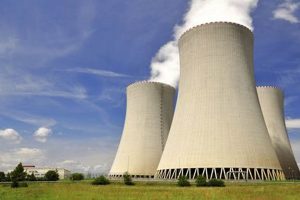
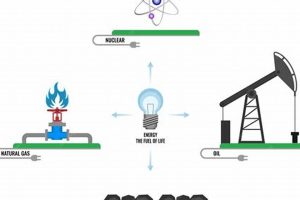
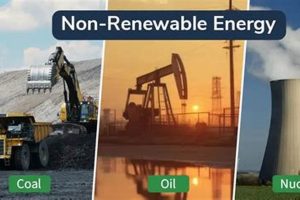
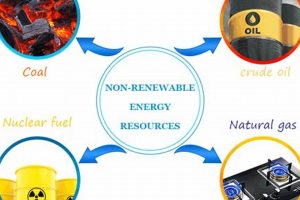
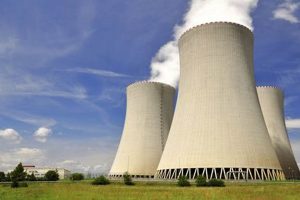
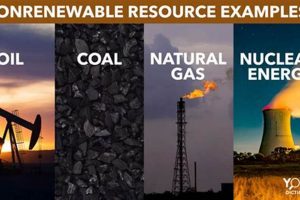
Finite reserves, environmental pollution, and geopolitical instability characterize the challenges associated with energy derived from sources like fossil fuels (coal, oil, and natural gas) and nuclear fission. Fossil fuel combustion releases greenhouse gases, contributing to climate change, and also produces air and water pollutants with detrimental health and ecological impacts. Nuclear power, while not emitting greenhouse gases during operation, generates radioactive waste requiring long-term storage and poses risks associated with accidents and potential proliferation of nuclear materials.
Understanding these challenges is crucial for transitioning towards sustainable energy systems. Historically, reliance on these resources fueled industrialization and economic growth, but their inherent limitations now necessitate a shift towards renewable alternatives. Addressing these limitations offers significant benefits, including mitigating climate change, improving public health, enhancing energy security, and fostering economic opportunities in the renewable energy sector.
This exploration delves into the specific environmental, economic, and social ramifications of continued dependence on finite energy resources, examining the impacts of each and the pathways towards a more sustainable energy future.
Mitigating the Challenges of Non-Renewable Energy
Transitioning away from dependence on finite energy resources requires a multi-faceted approach. The following recommendations offer pathways toward mitigating the negative impacts and fostering a more sustainable energy future.
Tip 1: Invest in Renewable Energy Infrastructure: Prioritizing investments in renewable energy technologies like solar, wind, hydro, and geothermal power is essential. This includes developing new generation facilities, strengthening grid infrastructure to accommodate renewable energy sources, and supporting research and development of innovative renewable energy technologies.
Tip 2: Improve Energy Efficiency: Reducing energy consumption through efficiency improvements in buildings, transportation, and industrial processes minimizes reliance on all energy sources, including non-renewable ones. This can be achieved through building retrofits, adoption of fuel-efficient vehicles, and optimization of industrial processes.
Tip 3: Implement Carbon Capture and Storage: For existing fossil fuel power plants, implementing carbon capture and storage technologies can help reduce greenhouse gas emissions. This involves capturing CO2 emissions before they enter the atmosphere and storing them underground.
Tip 4: Promote Sustainable Transportation: Shifting towards electric vehicles, public transportation, cycling, and walking reduces reliance on oil and mitigates air pollution. Investing in charging infrastructure and promoting sustainable urban planning are key components of this transition.
Tip 5: Diversify Energy Sources: Over-reliance on any single energy source creates vulnerabilities. Diversifying the energy mix by incorporating various renewable sources enhances energy security and resilience.
Tip 6: Enact Supportive Policies: Government policies play a crucial role in driving the transition towards sustainable energy. This includes carbon pricing mechanisms, renewable energy mandates, and incentives for energy efficiency improvements.
Tip 7: Foster International Cooperation: Addressing the global challenges associated with non-renewable energy requires international collaboration. Sharing best practices, coordinating research efforts, and establishing international agreements are crucial for achieving global sustainability goals.
Adopting these strategies not only mitigates the negative consequences associated with non-renewable resources but also creates economic opportunities, improves public health, and enhances energy security.
The transition towards sustainable energy is a complex but necessary undertaking. By embracing these recommendations, a cleaner, more secure, and sustainable energy future can be realized.
1. Resource Depletion

Resource depletion is a fundamental problem inherent to non-renewable energy sources. These resources, formed over geological timescales, are finite and consumed at rates far exceeding their natural replenishment. This leads to a range of interconnected challenges, impacting energy security, economic stability, and environmental sustainability.
- Finite Reserves:
Non-renewable energy sources exist in limited quantities. Fossil fuels, such as coal, oil, and natural gas, are extracted from finite geological reserves. As these reserves are exploited, the remaining resources become increasingly difficult and expensive to access, leading to higher energy costs and potential supply disruptions. The finite nature of uranium, the fuel for nuclear fission, also presents long-term resource constraints.
- Extraction Challenges:
As easily accessible reserves are depleted, extraction becomes more complex and costly. This includes accessing resources in remote locations, deeper underground, or in challenging environments like deep-sea oil drilling. These complex extraction methods often carry higher environmental risks, including habitat disruption, spills, and increased greenhouse gas emissions.
- Economic Volatility:
Dependence on finite resources creates vulnerability to price volatility. As supplies dwindle, prices can fluctuate dramatically, impacting energy markets and national economies. This volatility can hinder economic planning and disproportionately affect vulnerable populations.
- Supply Chain Disruptions:
Resource depletion can contribute to supply chain disruptions. As readily available resources are exhausted, reliance on imports from politically unstable regions or regions with volatile geopolitical landscapes can increase. This dependence can create vulnerabilities to supply interruptions due to political conflicts, trade disputes, or natural disasters.
The depletion of non-renewable energy sources underscores the need for a transition to sustainable energy alternatives. Continued reliance on finite resources exacerbates economic vulnerabilities, environmental degradation, and energy security risks. Investing in renewable energy sources and improving energy efficiency are essential strategies for mitigating the challenges associated with resource depletion and ensuring a sustainable energy future.
2. Greenhouse Gas Emissions
Combustion of fossil fuelscoal, oil, and natural gasfor energy production is a primary driver of greenhouse gas emissions. This process releases significant quantities of carbon dioxide (CO2), methane (CH4), and nitrous oxide (N2O) into the atmosphere. These gases trap heat, contributing to the greenhouse effect and driving climate change. Coal combustion, in particular, is a major source of CO2 emissions, while natural gas extraction and distribution can lead to methane leaks, a potent greenhouse gas. The cumulative effect of these emissions contributes to rising global temperatures, altered weather patterns, and increased frequency of extreme weather events.
The link between greenhouse gas emissions from non-renewable energy sources and climate change is demonstrably clear. Scientific consensus confirms the role of anthropogenic greenhouse gas emissions in observed warming trends. For example, analyses of ice core data reveal a correlation between atmospheric CO2 concentrations and global temperatures over millennia. Furthermore, the observed warming trend over the past century aligns with increased fossil fuel consumption. The consequences of this warming include sea-level rise, ocean acidification, and disruptions to ecosystems, impacting both human societies and the natural world.
Understanding the direct link between non-renewable energy use and greenhouse gas emissions is crucial for mitigating climate change. Transitioning to renewable energy sources, which produce minimal greenhouse gas emissions, is essential. Improved energy efficiency and reduced energy consumption also play vital roles. Addressing greenhouse gas emissions from non-renewable energy sources requires a multifaceted approach involving technological advancements, policy changes, and shifts in individual and collective behaviors. The urgency of this issue demands immediate and sustained action to mitigate the long-term consequences of climate change.
3. Air and Water Pollution

Non-renewable energy sources contribute significantly to air and water pollution, posing substantial threats to both environmental and human health. Combustion of fossil fuels releases a complex mixture of pollutants into the atmosphere, including particulate matter, sulfur dioxide, nitrogen oxides, and volatile organic compounds. These pollutants contribute to respiratory illnesses, cardiovascular problems, and other health issues. Furthermore, acid rain, resulting from sulfur dioxide and nitrogen oxide emissions, damages ecosystems and infrastructure. Extraction and transportation of fossil fuels also pose risks of spills and leaks, contaminating water sources and harming aquatic life.
The extraction and processing of non-renewable resources often contaminate water sources through various pathways. Coal mining, for example, can lead to acid mine drainage, releasing heavy metals and other toxic substances into rivers and streams. Oil spills, whether during extraction, transportation, or refining, pose significant threats to marine ecosystems and coastal communities. Fracking, a method used to extract natural gas, can contaminate groundwater with chemicals used in the process. These forms of water pollution disrupt aquatic ecosystems, threaten human health through contaminated drinking water, and damage agricultural lands.
Addressing air and water pollution from non-renewable energy sources is crucial for protecting public health and preserving ecosystems. Transitioning to cleaner energy alternatives, such as renewable energy sources, is essential. Implementing stricter emission controls on existing power plants and industrial facilities can reduce air pollution. Investing in technologies to prevent and remediate water contamination from extraction and transportation activities is also necessary. Furthermore, promoting energy efficiency and conservation reduces overall energy demand, thereby minimizing pollution from all sources. Ultimately, a comprehensive approach encompassing technological advancements, policy changes, and individual actions is needed to mitigate the detrimental impacts of air and water pollution associated with non-renewable energy sources.
4. Geopolitical Instability

The global distribution of non-renewable energy resources is uneven, creating dependencies and power imbalances that contribute to geopolitical instability. Control over vital resources like oil and natural gas can become a source of international tension and conflict. Nations heavily reliant on energy imports may face vulnerabilities to supply disruptions due to political instability in producer countries. Competition for dwindling resources can exacerbate existing conflicts and create new ones, impacting international relations and global security. Furthermore, the economic power wielded by major energy-producing nations can influence global politics and create dependencies that constrain the policy choices of energy-importing countries.
The history of oil provides ample examples of resource-driven geopolitical tensions. The oil crises of the 1970s, triggered by disruptions in Middle Eastern oil supplies, demonstrated the vulnerability of industrialized nations to energy shocks and highlighted the interconnectedness of energy security and international politics. More recently, competition for access to oil and gas reserves in the Arctic region has become a source of tension among nations with overlapping claims. These examples illustrate the tangible link between non-renewable energy resources and geopolitical stability. The pursuit of energy security can drive nations to engage in complex alliances and rivalries, shaping the global political landscape.
Understanding the nexus between non-renewable energy and geopolitical instability is crucial for promoting global security and cooperation. Diversifying energy sources, particularly through investments in renewable energy technologies, can reduce dependence on volatile regions and mitigate the risks associated with resource competition. International cooperation on energy policy and resource management is essential for navigating the challenges of a changing energy landscape. Promoting energy efficiency and reducing overall energy consumption can further lessen reliance on non-renewable resources and enhance energy independence. Addressing these interconnected issues is essential for fostering a more stable and sustainable global order.
5. Habitat Destruction

Extraction and transportation of non-renewable energy resources significantly contribute to habitat destruction, posing a severe threat to biodiversity and ecosystem health. From mountaintop removal mining for coal to deforestation for oil palm plantations used in biofuels (a non-renewable plant-based fuel source), the pursuit of these resources transforms landscapes, disrupts ecological processes, and displaces wildlife. Understanding the interconnectedness of energy production and habitat loss is crucial for developing sustainable energy strategies that minimize environmental impact.
- Fossil Fuel Extraction:
Fossil fuel extraction activities, including coal mining, oil drilling, and natural gas fracking, directly damage habitats. Mountaintop removal mining, for instance, blasts away entire mountaintops to access coal seams, burying streams and valleys and destroying forests. Oil drilling operations can fragment habitats, disrupt wildlife migration patterns, and introduce pollutants into the environment. Fracking requires large volumes of water and chemicals, potentially contaminating groundwater and impacting surrounding ecosystems.
- Pipeline Construction and Transport:
Construction of pipelines to transport oil and gas requires clearing land, fragmenting habitats, and disrupting wildlife corridors. Pipeline leaks and spills can contaminate soil and water, further damaging ecosystems and harming wildlife. Transporting fossil fuels by rail or tanker also carries risks of accidents and spills, with potentially devastating consequences for sensitive habitats.
- Biofuel Production:
While often presented as a renewable alternative, certain biofuels, like those derived from oil palm, contribute to habitat destruction. Large-scale oil palm plantations often replace diverse tropical forests, resulting in biodiversity loss and habitat fragmentation. This conversion also releases significant amounts of carbon dioxide into the atmosphere, negating some of the climate benefits associated with biofuels.
- Nuclear Power Plant Siting and Waste Disposal:
Although nuclear power generation itself doesn’t directly consume large land areas, the siting of nuclear power plants and the disposal of nuclear waste pose environmental challenges. Plants require significant water resources for cooling, potentially impacting aquatic ecosystems. The long-term storage of radioactive waste necessitates secure geological repositories to prevent contamination of surrounding environments and protect human health. Finding suitable locations for these repositories can be challenging and can potentially disrupt existing habitats.
The cumulative impact of these activities contributes to widespread habitat loss and fragmentation, driving biodiversity decline and disrupting ecosystem services. Transitioning to renewable energy sources that minimize land use and environmental impact, such as solar and wind power, is crucial for mitigating habitat destruction associated with non-renewable energy. Furthermore, implementing sustainable land management practices, protecting existing ecosystems, and promoting responsible resource extraction are essential for safeguarding biodiversity and maintaining healthy ecosystems.
6. Nuclear Waste Disposal
Nuclear waste disposal presents a significant challenge within the broader context of problems associated with non-renewable energy sources. While nuclear fission, the process powering nuclear plants, doesn’t directly emit greenhouse gases during operation, it generates radioactive waste products that require long-term management and secure storage. This waste remains hazardous for thousands of years, posing ongoing environmental and safety risks. The absence of a permanent disposal solution for high-level radioactive waste necessitates interim storage solutions, which present continuous monitoring and security challenges. The long-term costs and potential liabilities associated with nuclear waste management are substantial factors contributing to the overall problems with this non-renewable energy source.
The complexity of nuclear waste disposal stems from the diverse nature of the waste itself. Spent nuclear fuel, the primary waste product from nuclear reactors, contains highly radioactive isotopes with long half-lives. Other waste streams, including contaminated equipment and materials from nuclear power plant operations, also require careful handling and disposal. The long-term radiotoxicity of these materials necessitates robust containment strategies to prevent environmental contamination and protect human health. The development of geologically stable repositories for deep geological disposal is considered the most viable long-term solution, but the selection and licensing of such sites often face technical, political, and societal hurdles. For instance, the Yucca Mountain Nuclear Waste Repository in the United States, designated as a potential permanent storage site, faced significant opposition and remains unused after decades of planning and investment.
The challenges associated with nuclear waste disposal represent a significant barrier to the long-term viability of nuclear power as a non-renewable energy source. The need for safe and secure management of radioactive waste for millennia generates significant costs and poses ongoing technical and societal challenges. The lack of a permanent disposal solution introduces uncertainties and potential long-term liabilities. Addressing the issue of nuclear waste disposal effectively is crucial for assessing the true costs and benefits of nuclear power within the context of sustainable energy strategies. Failure to develop and implement robust waste management solutions exacerbates the overall problems associated with non-renewable energy sources, hindering the transition towards a sustainable energy future.
Frequently Asked Questions
This section addresses common inquiries regarding the challenges associated with non-renewable energy sources.
Question 1: What is the primary environmental concern associated with fossil fuels?
The combustion of fossil fuels releases greenhouse gases, primarily carbon dioxide, contributing significantly to climate change. This process also emits air pollutants that negatively impact respiratory health and ecosystems.
Question 2: Why is nuclear waste disposal a significant challenge?
Nuclear waste remains radioactive for thousands of years, requiring safe and secure storage solutions to prevent environmental contamination. Currently, no permanent disposal solution exists, posing ongoing management and security challenges.
Question 3: How does reliance on non-renewable energy contribute to geopolitical instability?
Uneven global distribution of fossil fuels creates dependencies between nations, leading to potential conflicts and power imbalances. Competition for these finite resources can exacerbate existing geopolitical tensions.
Question 4: What are the long-term economic implications of resource depletion?
As non-renewable resources become scarcer, extraction becomes more expensive, leading to increased energy costs and potential supply disruptions. This can negatively impact economic stability and growth.
Question 5: How does habitat destruction relate to non-renewable energy production?
Extraction activities, such as mining and drilling, directly damage ecosystems and displace wildlife. Pipeline construction and transport further fragment habitats and pose risks of spills and contamination.
Question 6: What role does energy efficiency play in mitigating the problems associated with non-renewable energy sources?
Improved energy efficiency reduces overall energy demand, lessening reliance on non-renewable resources. This, in turn, mitigates environmental impacts and enhances energy security.
Understanding the multifaceted challenges associated with non-renewable energy sources is critical for informed decision-making and transitioning towards a sustainable energy future. Continued reliance on these finite resources poses significant environmental, economic, and geopolitical risks.
The subsequent sections will explore viable alternatives and pathways toward a sustainable energy transition.
Problems with Non-Renewable Energy Sources
This exploration has detailed the significant challenges inherent in continued reliance on non-renewable energy sources. From the finite nature of fossil fuels and the environmental consequences of their combustion to the complex geopolitical ramifications and the persistent problem of nuclear waste disposal, the drawbacks are substantial and interconnected. Resource depletion, greenhouse gas emissions, air and water pollution, habitat destruction, and geopolitical instability represent critical issues demanding immediate attention. The economic volatility associated with fluctuating fuel prices and the long-term environmental costs further underscore the need for transformative change within the energy sector.
The transition to a sustainable energy future necessitates a fundamental shift away from non-renewable resources. Embracing renewable energy technologies, enhancing energy efficiency, and fostering international cooperation are essential steps towards mitigating the detrimental effects outlined herein. The urgency of this transition cannot be overstated. Future generations depend on decisive action today to address these challenges and secure a sustainable energy landscape for tomorrow. A concerted global effort is paramount to navigate this complex transition and ensure a future powered by clean, sustainable, and equitable energy sources.