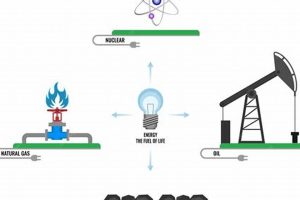
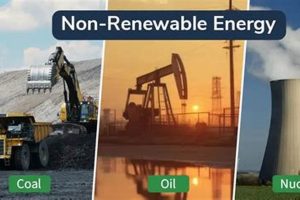
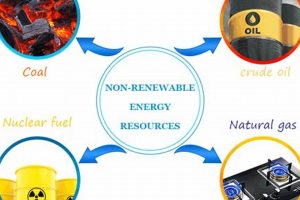
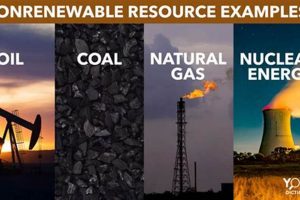
Fossil fuels like coal, oil, and natural gas represent readily available and concentrated energy sources. Their established infrastructure, from extraction and processing to distribution and utilization, enables a consistent and predictable energy supply. For instance, the internal combustion engine, a technology deeply intertwined with petroleum use, powers a significant portion of global transportation. This existing infrastructure and technology represent substantial investments that continue to influence energy choices.
Historically, the high energy density of these fuels propelled industrialization and economic growth. The relative ease of access and transport compared to other energy forms allowed for rapid development in various sectors, including manufacturing, transportation, and agriculture. This reliance has created entrenched economic systems and geopolitical considerations that contribute to continued dependence. Furthermore, the energy industry itself provides significant employment opportunities globally.
While established infrastructure and economic factors play a key role in the persistent use of conventional energy resources, exploring alternative energy sources and addressing environmental consequences remains crucial for future sustainability. Understanding the complexities of energy transition necessitates examining the environmental impact of fossil fuels, the economic and technological challenges of renewable energy integration, and the policies that shape energy choices.
Tips for Transitioning to Renewable Energy Sources
Given the environmental implications associated with continued reliance on conventional energy resources, a shift toward sustainable alternatives is paramount. The following tips offer guidance for transitioning away from dependence on non-renewable energy sources.
Tip 1: Invest in Energy Efficiency: Reducing overall energy consumption lessens dependence on all energy sources, including fossil fuels. Improvements in building insulation, more efficient appliances, and optimized industrial processes are crucial steps.
Tip 2: Support Renewable Energy Development: Promote policies and investments that encourage the growth of renewable energy technologies, such as solar, wind, hydro, and geothermal power. This includes supporting research and development, as well as streamlining permitting processes.
Tip 3: Diversify Energy Sources: A balanced energy portfolio that incorporates various renewable sources can enhance energy security and resilience, mitigating risks associated with over-reliance on any single source.
Tip 4: Implement Carbon Pricing Mechanisms: Putting a price on carbon emissions can incentivize businesses and individuals to reduce their carbon footprint, encouraging a shift towards cleaner energy options.
Tip 5: Foster International Collaboration: Global cooperation is essential for sharing best practices, promoting technological advancements, and coordinating efforts to address the challenges of climate change and energy transition.
Tip 6: Educate and Raise Awareness: Promoting public understanding of the benefits of renewable energy and the urgency of climate action can drive societal support for necessary changes.
Tip 7: Modernize Energy Infrastructure: Upgrading existing grids and developing smart grid technologies are essential for integrating renewable energy sources efficiently and reliably.
Transitioning to a sustainable energy future requires concerted efforts across multiple sectors. By implementing these strategies, societies can reduce their dependence on finite resources, mitigate environmental impacts, and build a more resilient energy system.
The transition to renewable energy sources is a complex undertaking, requiring careful consideration of economic, social, and environmental factors. A multifaceted approach is necessary to achieve a sustainable energy future.
1. Existing Infrastructure

Substantial global infrastructure designed for the extraction, processing, distribution, and consumption of non-renewable energy sources significantly influences continued reliance on these resources. This established infrastructure represents substantial investment and ingrained practices, creating inertia that resists rapid transitions to alternative energy systems. Understanding the role of existing infrastructure is crucial for analyzing persistent dependence on non-renewable energy.
- Extraction and Processing Facilities
Extensive networks of oil and gas wells, refineries, and coal mines represent significant capital investments. These facilities are often located in specific geographic regions, requiring dedicated transportation networks and specialized equipment. The scale and complexity of these operations create economic dependencies and logistical challenges for transitioning to alternative energy sources.
- Transportation and Distribution Networks
Pipelines, tanker fleets, and rail systems designed for transporting fossil fuels represent another layer of entrenched infrastructure. These networks are optimized for specific fuel types, requiring substantial modifications or replacements to accommodate alternative energy carriers like hydrogen or electricity. The geographic reach of these networks also influences energy access and cost.
- Power Generation Plants
Power plants designed to burn fossil fuels represent significant infrastructure investments. These facilities are often integrated into existing electricity grids, requiring substantial upgrades to accommodate intermittent renewable energy sources like solar and wind. The operational lifespan of these plants further contributes to continued reliance on non-renewable energy.
- End-Use Technologies
From internal combustion engines in vehicles to gas-fired furnaces in homes, technologies designed for non-renewable energy are deeply embedded in daily life. Replacing these technologies with alternatives requires not only technological advancements but also consumer adoption and potentially significant financial investments. This widespread integration of end-use technologies contributes to sustained dependence on existing energy sources.
The interconnected nature of these infrastructure components creates complex dependencies that perpetuate the use of non-renewable energy. Transitioning to a more sustainable energy future necessitates not only developing alternative energy technologies but also strategically addressing the challenges posed by existing infrastructure. This requires careful planning, substantial investment, and coordinated efforts across various sectors to dismantle, adapt, or replace existing systems while building new, sustainable infrastructure.
2. High Energy Density
The high energy density of non-renewable energy sources, particularly fossil fuels, plays a significant role in their continued prevalence. Energy density refers to the amount of energy stored in a given volume or mass. Fossil fuels possess considerably higher energy density compared to many renewable alternatives, making them attractive for applications requiring substantial power output or energy storage. This characteristic influences various sectors, from transportation to industrial processes, and contributes significantly to the persistent use of non-renewable resources.
- Transportation
The high energy density of gasoline and diesel makes them ideal for powering vehicles. A relatively small volume of fuel can provide the energy needed for long-distance travel. While battery technology is advancing, the energy density of batteries still lags behind that of fossil fuels, limiting the range and practicality of electric vehicles, particularly for heavy-duty transport like trucking and aviation.
- Industrial Processes
Many industrial processes, such as steel manufacturing and cement production, require substantial heat and energy input. The high energy density of fossil fuels makes them a convenient and cost-effective energy source for these applications. Transitioning to lower-density energy sources in these sectors requires significant technological advancements and infrastructure modifications.
- Power Generation
Fossil fuels are readily combusted to generate electricity. Their high energy density allows for efficient power generation in centralized power plants. While renewable energy sources like solar and wind are becoming increasingly cost-competitive, integrating these intermittent sources into existing grids presents challenges in terms of grid stability and energy storage.
- Portable Power
The high energy density of fossil fuels makes them suitable for portable power applications, such as generators and portable heaters. This is particularly relevant in situations where access to electricity grids is limited or unavailable, such as in remote areas or during emergencies. While portable battery systems exist, their energy capacity and lifespan often fall short of fossil fuel-powered alternatives.
The high energy density of non-renewable resources offers practical advantages in various sectors, influencing continued reliance on these energy sources. While the development of renewable energy technologies and energy storage solutions continues to progress, the energy density advantage of fossil fuels remains a significant factor shaping energy choices. Overcoming this advantage requires ongoing research and innovation to improve the energy density and efficiency of renewable alternatives and associated technologies.
3. Established Technologies

Existing technologies designed around non-renewable energy sources represent a significant factor contributing to their continued use. These technologies, deeply integrated into various sectors, represent substantial investments and ingrained practices. Understanding the role of established technologies is crucial for analyzing the persistent reliance on non-renewable energy and the challenges associated with transitioning to alternative energy systems.
- Internal Combustion Engine
The internal combustion engine (ICE) remains a dominant technology in transportation, powering a vast majority of vehicles globally. Its widespread use, coupled with existing infrastructure for fuel production and distribution, creates significant inertia against transitioning to electric or other alternative fuel vehicles. The ICE’s relatively high efficiency and power output, combined with its mature technology and established supply chains, further contribute to its continued prevalence.
- Fossil Fuel Power Plants
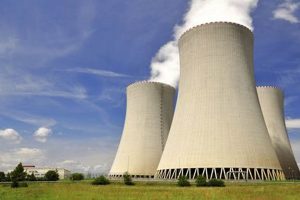
Conventional power plants designed for burning coal, oil, and natural gas represent a substantial portion of global electricity generation capacity. These facilities are often integrated into existing electricity grids and represent significant capital investments. The operational lifespan of these plants, combined with the technical challenges of integrating intermittent renewable energy sources, contributes to the continued reliance on fossil fuel-based power generation.
- Industrial Processes and Heating Systems
Numerous industrial processes rely on fossil fuels for heat and energy input. Established technologies in sectors like steel manufacturing, cement production, and chemical processing often utilize fossil fuels due to their high energy density and readily available infrastructure. Similarly, many heating systems in buildings rely on natural gas or oil, representing another significant area where established technologies contribute to continued fossil fuel use.
- Petrochemical Industry
The petrochemical industry, which relies heavily on petroleum as a feedstock for producing plastics, fertilizers, and other essential materials, represents a significant consumer of non-renewable resources. Established technologies within this industry are optimized for utilizing petroleum-based feedstocks, creating complex dependencies that contribute to sustained demand for oil and gas.
The prevalence of these established technologies reinforces the dependence on non-renewable energy sources. Transitioning away from these technologies requires not only developing and deploying alternative technologies but also addressing the economic and logistical challenges associated with replacing existing infrastructure and adapting industrial processes. Significant investment in research, development, and deployment of new technologies, along with supportive policies and incentives, is essential to overcome the inertia created by established technologies and facilitate a shift towards a more sustainable energy future.
4. Cost-effectiveness (currently)
The perceived cost-effectiveness of non-renewable energy sources significantly contributes to their continued dominance in the global energy mix. While long-term environmental and social costs are increasingly recognized, the immediate financial costs associated with extracting, processing, and utilizing fossil fuels often appear lower compared to renewable alternatives. This perceived affordability, influenced by existing infrastructure, established supply chains, and economies of scale, plays a crucial role in shaping energy choices across various sectors.
- Extraction and Production Costs
Established infrastructure and streamlined processes for extracting and processing fossil fuels contribute to relatively low production costs, particularly for coal and conventional oil and gas reserves. While exploration and development of new reserves can be expensive, existing production facilities benefit from economies of scale. In contrast, renewable energy technologies often require higher upfront investments, although operating costs are typically lower.
- Transportation and Distribution Infrastructure
Existing pipelines, tanker fleets, and rail networks optimized for transporting fossil fuels contribute to lower transportation costs compared to developing new infrastructure for renewable energy distribution. For example, transporting oil through pipelines is generally more cost-effective than transporting electricity over long distances. This existing infrastructure advantage influences energy choices, particularly in regions with established fossil fuel networks.
- Subsidies and Market Structures
Existing subsidies and market structures often favor non-renewable energy sources, further enhancing their perceived cost-effectiveness. Historically, fossil fuel industries have benefited from significant government subsidies, which artificially lower their market price. These subsidies distort market signals and create an uneven playing field for renewable energy technologies, hindering their competitiveness.
- Externalized Environmental Costs
A critical aspect of the cost-effectiveness debate involves the externalization of environmental costs. The environmental damage associated with fossil fuel extraction, processing, and combustion, such as air and water pollution and climate change impacts, is often not fully reflected in the market price of these resources. This externalization of costs creates a false impression of affordability, masking the true long-term costs of non-renewable energy dependence.
While non-renewable energy sources often appear cost-effective in the short term, a comprehensive analysis requires considering the long-term environmental and social costs. Failing to account for these externalities leads to unsustainable energy choices that ultimately jeopardize long-term economic stability and environmental health. As renewable energy technologies mature and economies of scale are realized, their cost-competitiveness continues to improve, challenging the perceived economic advantage of non-renewable resources. Furthermore, incorporating environmental costs into market mechanisms through carbon pricing or other policy instruments can create a more level playing field and incentivize the transition towards a sustainable energy future.
5. Abundant resources (currently)

The perceived abundance of non-renewable energy resources, particularly fossil fuels, significantly influences their continued use. While finite, the current availability of substantial reserves contributes to their perceived reliability and cost-effectiveness. This perceived abundance shapes energy policies, infrastructure investments, and consumer choices, reinforcing dependence on these resources despite their long-term unsustainability. Understanding the role of perceived abundance is crucial for analyzing the persistent reliance on non-renewable energy.
- Proven Reserves and Production Capacity
Extensive proven reserves of coal, oil, and natural gas create a sense of security regarding energy supply. Existing production infrastructure, built around these reserves, enables large-scale extraction and distribution, reinforcing the perception of abundance. This existing capacity and readily available supply contribute to the continued dominance of non-renewable resources in the global energy mix.
- Geographic Distribution and Access
While unevenly distributed globally, significant fossil fuel reserves are accessible to many industrialized nations, either domestically or through established trade routes. This accessibility reinforces the perception of abundance and reduces the urgency to transition to alternative energy sources. However, this reliance on geographically concentrated resources can create geopolitical vulnerabilities and price volatility.
- Technological Advancements in Extraction
Technological advancements, such as hydraulic fracturing (fracking) and enhanced oil recovery techniques, have expanded access to previously uneconomical reserves. These advancements reinforce the perception of abundance by extending the lifespan of fossil fuel dependence. However, these technologies often come with their own environmental and social costs, which are not always fully considered.
- Delayed Transition to Alternatives
The perceived abundance of non-renewable resources has historically contributed to complacency and delayed investment in alternative energy sources. This delayed transition has created a significant infrastructure gap and technological deficit in the renewable energy sector, further reinforcing reliance on readily available fossil fuels.
While non-renewable resources currently appear abundant, their finite nature necessitates a shift towards sustainable alternatives. The perception of abundance can create a false sense of security, delaying crucial investments in renewable energy technologies and infrastructure. Recognizing the limitations of finite resources and the long-term costs associated with their continued use is essential for transitioning to a sustainable energy future. Overreliance on these resources, despite their current abundance, jeopardizes long-term energy security and exacerbates environmental challenges. A strategic shift towards diversified and sustainable energy sources is crucial for mitigating future risks and ensuring long-term energy stability.
6. Reliable supply (generally)
The generally reliable supply of non-renewable energy sources, particularly fossil fuels, represents a significant factor contributing to their continued prevalence. Established infrastructure, coupled with centralized production and distribution systems, enables a consistent and predictable energy supply. This reliability is a crucial consideration for industries, economies, and societies dependent on uninterrupted energy access. For example, power plants relying on coal or natural gas can typically generate electricity on demand, ensuring a stable power supply for essential services like hospitals and data centers. This perceived reliability contrasts with the intermittency of some renewable energy sources like solar and wind, which are dependent on weather conditions.
The perception of reliability influences investment decisions and long-term energy planning. Industries requiring continuous operation often prioritize energy sources with predictable availability, contributing to substantial investments in fossil fuel-based infrastructure. This focus on reliability also influences policy decisions, with governments often prioritizing energy security and stability. For instance, countries concerned about energy independence might prioritize domestic fossil fuel production to reduce reliance on potentially volatile international markets. However, this emphasis on reliability can sometimes overshadow the long-term environmental consequences associated with non-renewable energy sources.
While non-renewable energy sources have historically offered a relatively reliable supply, this reliability is increasingly challenged by factors such as resource depletion, geopolitical instability, and climate change impacts. Furthermore, advancements in energy storage technologies and grid management systems are enhancing the reliability and integration of renewable energy sources. Understanding the evolving landscape of energy reliability and the interplay between different energy sources is crucial for informed decision-making and the transition towards a sustainable energy future. Recognizing the limitations of finite resources and the environmental implications of their continued use is essential for developing resilient and sustainable energy strategies.
7. Industrial Inertia
Industrial inertia, the resistance to change within established industries and technological systems, plays a significant role in the continued reliance on non-renewable energy sources. This resistance stems from several interconnected factors, including substantial investments in existing infrastructure, established supply chains, specialized workforces, and regulatory frameworks designed around conventional energy technologies. These factors create a powerful force that hinders the adoption of alternative energy sources and perpetuates the use of fossil fuels.
Existing infrastructure, such as pipelines, refineries, and power plants designed for fossil fuels, represents significant sunk costs. Shifting away from these established systems requires substantial new investments in alternative infrastructure, which can be perceived as financially risky. Established supply chains optimized for fossil fuel extraction, processing, and distribution further reinforce this inertia. Disrupting these complex networks can lead to short-term economic disruptions and job losses, creating resistance to change within affected industries. Specialized workforces trained in conventional energy technologies also contribute to industrial inertia. Transitioning to alternative energy sources requires retraining and workforce development, which can be time-consuming and costly. Regulatory frameworks designed around existing energy systems can further hinder the adoption of new technologies. Permitting processes, safety regulations, and market structures often favor established industries, creating barriers to entry for emerging renewable energy technologies.
For example, the automotive industry, built around the internal combustion engine, demonstrates the powerful influence of industrial inertia. Despite the growing awareness of environmental concerns and the development of electric vehicle technologies, the transition away from gasoline-powered vehicles has been relatively slow. Existing manufacturing facilities, supply chains, and dealership networks optimized for conventional vehicles create significant resistance to change. Similarly, the power generation sector, with its substantial investments in fossil fuel power plants, exhibits significant industrial inertia. Transitioning to renewable energy sources requires not only building new generation capacity but also upgrading existing grid infrastructure to accommodate intermittent sources like solar and wind. This complex and costly undertaking faces resistance from established utilities and regulatory bodies invested in maintaining the status quo.
Overcoming industrial inertia requires a multifaceted approach involving policy interventions, technological innovation, and societal shifts in attitudes and behaviors. Government policies, such as carbon pricing mechanisms, renewable energy mandates, and research and development funding, can create incentives for change and level the playing field for alternative energy sources. Technological advancements, such as improved energy storage solutions and smart grid technologies, can address the challenges associated with integrating renewable energy into existing systems. Finally, raising public awareness about the environmental and economic benefits of renewable energy can create broader societal support for the necessary transitions. Addressing industrial inertia is crucial for accelerating the shift towards a sustainable energy future and mitigating the long-term risks associated with continued reliance on non-renewable resources.
Frequently Asked Questions about Non-Renewable Energy Use
This section addresses common inquiries regarding the continued reliance on non-renewable energy sources, offering concise and informative responses.
Question 1: Why is there still such heavy reliance on non-renewable energy sources despite their environmental impact?
Several factors contribute to this continued reliance. Existing infrastructure built around fossil fuels represents substantial investment, creating inertia against change. Additionally, the high energy density of these resources makes them attractive for various applications, while established technologies and supply chains further reinforce their use. Economic considerations, including perceived cost-effectiveness and abundant reserves, also play a role. Finally, industrial inertia and resistance to change within established industries hinder the rapid adoption of alternatives.
Question 2: What are the primary obstacles to transitioning away from non-renewable energy sources?
Key obstacles include the high upfront costs associated with developing and deploying renewable energy technologies and infrastructure. Integrating intermittent renewable sources like solar and wind into existing grids presents technical challenges. Furthermore, industrial inertia and resistance to change within established energy sectors pose significant barriers. Addressing these challenges requires policy interventions, technological innovation, and societal shifts in attitudes and behaviors.
Question 3: Are non-renewable energy sources truly more cost-effective than renewable alternatives?
While non-renewable sources often appear cheaper in the short term due to existing infrastructure and economies of scale, this perception often neglects the long-term environmental and social costs associated with their use. These externalized costs, such as air and water pollution and climate change impacts, are not fully reflected in market prices. As renewable energy technologies mature and economies of scale are realized, their cost-competitiveness continues to improve.
Question 4: How does the perceived abundance of non-renewable resources influence energy choices?
The perception of abundant fossil fuel reserves contributes to complacency and delays investments in alternative energy sources. This perceived abundance can create a false sense of security, hindering the development of renewable energy technologies and infrastructure. However, non-renewable resources are finite, and their continued use exacerbates environmental challenges.
Question 5: What role does technology play in the transition to sustainable energy systems?
Technological innovation is crucial for developing and deploying cost-effective renewable energy technologies, improving energy storage solutions, and modernizing grid infrastructure to accommodate intermittent renewable sources. Advancements in areas like battery technology, smart grids, and carbon capture and storage are essential for accelerating the transition to a sustainable energy future.
Question 6: What can individuals do to contribute to the transition away from non-renewable energy?
Individuals can contribute by reducing their own energy consumption through energy efficiency measures, supporting policies that promote renewable energy development, investing in renewable energy technologies, and advocating for sustainable energy practices within their communities and workplaces. These collective actions can create significant momentum towards a cleaner energy future.
Transitioning away from non-renewable energy sources requires a multifaceted approach involving technological advancements, policy interventions, and societal shifts. Understanding the factors contributing to continued reliance on these resources is crucial for developing effective strategies to promote a sustainable energy future.
The following section will delve deeper into specific strategies for promoting renewable energy adoption and accelerating the transition towards a more sustainable energy landscape.
Conclusion
The continued reliance on non-renewable energy sources is a complex issue driven by a confluence of factors. This exploration has highlighted the significant influence of existing infrastructure, the advantages of high energy density, the prevalence of established technologies, and the perceived cost-effectiveness of fossil fuels. Abundant reserves and generally reliable supply further contribute to this dependence. Furthermore, industrial inertia and resistance to change within established sectors pose significant obstacles to transitioning towards alternative energy systems. Understanding these interconnected factors is crucial for developing effective strategies to promote a sustainable energy future.
While the challenges are substantial, the transition to renewable energy is not merely an aspirational goal but a necessary undertaking for long-term global well-being. The environmental consequences associated with continued reliance on non-renewable resources necessitate a shift towards sustainable alternatives. Addressing the factors that perpetuate the use of fossil fuels requires a multifaceted approach involving policy interventions, technological innovation, and societal shifts in attitudes and behaviors. The future of energy lies in embracing sustainable practices and diversifying energy sources to mitigate environmental risks and ensure long-term energy security for generations to come.