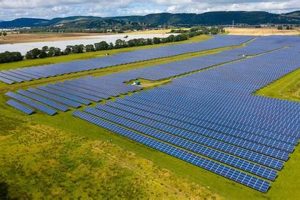
The alteration of global weather patterns influences the availability and effectiveness of power generation from sources like solar, wind, hydro, and geothermal. For example, altered precipitation patterns can affect hydropower reservoir levels and river flows, while temperature increases can reduce the efficiency of solar panels.
Understanding the interplay between a shifting climate and sustainable power generation is crucial for ensuring energy security and a reliable transition to a low-carbon future. Historically, energy systems have been designed for stable climatic conditions. Now, considering the dynamic nature of a changing climate is paramount for effective energy planning and resource management. This knowledge enables informed decision-making regarding infrastructure development, resource allocation, and policy implementation.
This discussion will further explore specific effects on individual renewable energy resources, the broader implications for energy systems, and potential adaptation and mitigation strategies.
Adapting to a Changing Climate
Proactive strategies are essential to minimize disruptions to renewable energy supply chains and ensure continued performance in the face of climate change.
Tip 1: Diversify Renewable Energy Portfolios: Over-reliance on a single renewable energy source creates vulnerability. Integrating a mix of solar, wind, geothermal, and other resources enhances resilience against climate-related impacts affecting specific technologies.
Tip 2: Enhance Grid Infrastructure: Modernizing and expanding electricity grids allows for efficient distribution of power from diverse renewable sources, accommodating fluctuations in availability and demand.
Tip 3: Integrate Climate Projections into Planning: Utilizing climate models and data during the planning and development phases of renewable energy projects enables accurate assessments of future resource availability and potential risks.
Tip 4: Develop Climate-Resilient Technologies: Research and development of technologies designed to withstand extreme weather events and changing climatic conditions are crucial for long-term reliability.
Tip 5: Implement Water Management Strategies: Developing effective water conservation and management techniques is particularly critical for hydropower generation and other water-dependent renewable energy resources.
Tip 6: Strengthen International Collaboration: Sharing knowledge, best practices, and technologies across borders fosters innovation and accelerates the implementation of effective adaptation measures.
Tip 7: Invest in Early Warning Systems: Implementing advanced monitoring and forecasting systems allows for proactive responses to climate-related threats and minimizes potential damage to renewable energy infrastructure.
By adopting these strategies, stakeholders can ensure the long-term viability of renewable energy resources and contribute to a more sustainable and secure energy future, even in the face of a changing climate.
These adaptation measures offer a pathway toward a more resilient and sustainable energy future. The following conclusion will synthesize these concepts and offer a perspective on the future of renewable energy in a changing climate.
1. Hydropower Vulnerability

Hydropower, while a significant source of renewable energy, faces substantial challenges due to climate change. Alterations in precipitation patterns, rising temperatures, and increased frequency of extreme weather events directly impact the reliability and output of hydropower facilities. Understanding these vulnerabilities is crucial for developing effective adaptation and mitigation strategies within the broader context of climate change impacts on renewable energy supply.
- Reduced Water Availability
Changes in precipitation patterns, including reduced snowfall and increased evaporation, can lead to lower reservoir levels and diminished river flows, directly impacting electricity generation. Regions heavily reliant on glacial meltwater for hydropower face heightened vulnerability as glaciers recede. The Colorado River Basin in the United States, for example, has experienced significant declines in water availability, impacting hydropower production and raising concerns about future energy security.
- Increased Sedimentation
More intense rainfall events can increase erosion and sediment transport into rivers and reservoirs. This sedimentation reduces reservoir storage capacity and can damage hydropower turbines, further impacting electricity generation. Increased sediment loads in the Mekong River, for instance, pose a growing threat to hydropower operations in Southeast Asia.
- Temperature Impacts on Water Quality and Aquatic Ecosystems
Rising water temperatures can negatively impact water quality and aquatic ecosystems, potentially disrupting hydropower operations. Warmer water holds less dissolved oxygen, which can harm fish populations and other aquatic life. Changes in water temperature can also influence the growth of algae and other aquatic plants, potentially clogging intake systems and reducing turbine efficiency.
- Extreme Weather Event Impacts
More frequent and intense extreme weather events, such as floods and droughts, pose significant risks to hydropower infrastructure. Floods can damage dams and powerhouses, while droughts can lead to operational shutdowns due to insufficient water levels. The 2022 floods in Pakistan, which severely damaged hydropower infrastructure, exemplify the vulnerability of hydropower to extreme weather events.
These vulnerabilities highlight the interconnectedness between climate change and hydropower generation. Addressing these challenges through adaptive management strategies, technological advancements, and diversified energy portfolios is crucial for maintaining a reliable and sustainable energy supply in a changing climate. Furthermore, understanding the specific vulnerabilities of hydropower within different geographic contexts is essential for developing effective and targeted solutions.
2. Solar Efficiency
Solar panel efficiency, crucial for maximizing renewable energy generation, is directly influenced by climate change. Elevated temperatures, altered precipitation patterns, and increased cloud cover can significantly impact the performance and output of photovoltaic systems. Understanding this dynamic interplay is paramount for optimizing solar energy production and mitigating the broader impacts of climate change on renewable energy supply. For instance, studies have shown that higher temperatures can reduce the voltage output of silicon-based solar panels, thus decreasing their overall energy conversion efficiency. This temperature-dependent performance decline necessitates consideration during system design and placement, particularly in regions experiencing rising average temperatures. Furthermore, altered precipitation patterns can affect the accumulation of dust and soiling on solar panels, further impeding their ability to capture sunlight effectively and highlighting the necessity of regular cleaning and maintenance in affected areas.
Increased cloud cover, a consequence of changing weather patterns, also presents a challenge for solar energy generation. Clouds reduce the amount of sunlight reaching solar panels, directly impacting energy output. Predicting and accounting for cloud cover variability becomes increasingly important for accurately forecasting solar energy production and ensuring grid stability. Innovative tracking systems and energy storage solutions can help mitigate the impact of cloud cover by maximizing sunlight capture during clear periods and providing backup power when sunlight is limited. Moreover, integrating climate projections into the planning and development of solar energy projects allows for more accurate assessments of future energy output and informed decision-making regarding system design and capacity.
In conclusion, climate change impacts on solar efficiency present significant challenges for renewable energy supply. Addressing these challenges requires a multi-faceted approach encompassing technological advancements, improved forecasting models, and adaptive management strategies. Understanding the complex interplay between climate change and solar panel performance is critical for optimizing solar energy generation and ensuring a reliable and sustainable energy future. Integrating this understanding into policy decisions, infrastructure development, and public awareness campaigns will further enhance the resilience of solar energy systems in a changing climate.
3. Wind Resource Variability

Wind energy, a cornerstone of renewable energy strategies, faces inherent variability influenced by atmospheric conditions. Climate change further complicates this variability, posing challenges to reliable energy production. Understanding how changing weather patterns affect wind resources is crucial for effective integration of wind power into energy grids and mitigating the broader climate change impacts on renewable energy supply.
- Shifting Wind Patterns
Climate change models predict alterations in global wind patterns, including shifts in wind speeds and directions. These changes can impact the consistency of wind resources in specific locations, potentially affecting the output of existing wind farms and influencing the siting of future projects. For example, some coastal regions may experience increased wind speeds due to changes in atmospheric pressure gradients, while other inland areas might see a decrease. Accurately projecting these shifts is critical for long-term planning and investment in wind energy infrastructure.
- Increased Turbulence
Changes in atmospheric temperatures and wind shear can lead to increased turbulence, affecting the performance and lifespan of wind turbines. Higher turbulence levels can cause increased wear and tear on turbine components, potentially leading to more frequent maintenance and repairs. This adds to the operational costs of wind energy and necessitates the development of more robust turbine designs capable of withstanding increased stress.
- Extreme Wind Events
Climate change is projected to increase the frequency and intensity of extreme wind events, such as hurricanes and cyclones. These events pose significant risks to wind turbine infrastructure, potentially causing substantial damage and disrupting energy production. Designing and constructing wind farms to withstand these extreme conditions is crucial for ensuring the long-term viability of wind energy investments. For example, strengthening turbine foundations and incorporating advanced warning systems can enhance resilience and minimize damage during extreme wind events.
- Interaction with Other Climate Variables
Wind resource variability interacts with other climate change impacts, such as rising sea levels and altered precipitation patterns. These combined effects can exacerbate challenges for offshore wind farms, potentially affecting foundation stability and increasing the risk of damage from storm surges. Coastal erosion, driven by rising sea levels and increased storm activity, further threatens the long-term viability of coastal wind energy installations. Integrated coastal zone management strategies are crucial for addressing these combined challenges and ensuring the resilience of offshore wind energy infrastructure.
These facets of wind resource variability underscore the complex relationship between climate change and renewable energy supply. Adapting to these changes requires a multifaceted approach that includes improved forecasting models, robust turbine designs, strategic siting of wind farms, and integrated planning that considers the combined effects of multiple climate variables. By addressing these challenges proactively, the wind energy sector can continue to play a critical role in the transition to a sustainable energy future.
4. Biomass Feedstock Availability

Biomass feedstock, a renewable energy source derived from organic matter, plays a significant role in the global energy mix. However, its availability is intricately linked to climate change, impacting the reliability and sustainability of this energy source. Changes in temperature, precipitation patterns, and the frequency of extreme weather events directly influence the growth, yield, and accessibility of biomass feedstock. For example, increased drought frequency and severity in certain regions can significantly reduce the productivity of energy crops, impacting the availability of feedstock for bioenergy production. Similarly, altered precipitation patterns can disrupt the growth cycles of forest biomass, affecting the supply of wood residues for bioenergy applications. The pine beetle infestations in western North America, exacerbated by warmer winters, provide a stark example of how climate change can disrupt forest ecosystems and impact biomass feedstock availability.
The relationship between biomass feedstock availability and climate change is not unidirectional. While climate change affects feedstock production, biomass production itself can influence climate dynamics. Sustainable biomass management practices, such as afforestation and reforestation, can act as carbon sinks, sequestering atmospheric carbon dioxide. Conversely, unsustainable practices, including deforestation and land-use change for biomass production, can contribute to greenhouse gas emissions and exacerbate climate change. The conversion of rainforests for palm oil plantations, for instance, illustrates the negative climate impacts of unsustainable biomass production. Balancing the demand for biomass feedstock with sustainable land management practices is crucial for mitigating climate change and ensuring the long-term viability of biomass as a renewable energy source.
Understanding the complex interplay between biomass feedstock availability and climate change is essential for developing sustainable bioenergy strategies. Incorporating climate projections into land-use planning and biomass resource management can help mitigate the negative impacts of climate change on feedstock production. Furthermore, promoting sustainable biomass harvesting and cultivation practices, alongside advancements in bioenergy technologies, can enhance the efficiency and environmental benefits of bioenergy production. Addressing these challenges requires a comprehensive approach that considers the ecological, economic, and social dimensions of bioenergy production within the context of a changing climate. The future of biomass as a sustainable energy source hinges on striking a balance between meeting energy demands and mitigating the impacts of climate change.
5. Extreme Weather Events

Extreme weather events, exacerbated by climate change, pose significant threats to renewable energy infrastructure and supply. Understanding these threats is crucial for developing resilient energy systems and mitigating the broader impacts of climate change on renewable energy supply. The increasing frequency and intensity of these events necessitate proactive adaptation and mitigation strategies to ensure the long-term viability of renewable energy sources.
- Physical Damage to Infrastructure
Extreme weather events, such as hurricanes, floods, and wildfires, can cause extensive damage to renewable energy infrastructure. High winds can topple wind turbines, floods can inundate hydropower plants, and wildfires can damage solar and biomass facilities. The 2017 hurricane season in the Caribbean, which devastated numerous island nations and severely damaged renewable energy infrastructure, exemplifies the destructive potential of these events. Reinforcing infrastructure and implementing robust building codes are crucial for minimizing damage and ensuring rapid recovery after extreme weather events.
- Disrupted Energy Production
Extreme weather events can disrupt energy production from renewable sources, leading to power outages and energy shortages. Droughts can reduce hydropower generation, extreme heat can decrease solar panel efficiency, and severe storms can disrupt wind energy production. The 2021 Texas power crisis, triggered by a severe winter storm, highlighted the vulnerability of energy systems, including renewable energy sources, to extreme weather events. Diversifying energy sources and implementing robust grid management strategies can enhance resilience and minimize disruptions during extreme weather events.
- Supply Chain Disruptions
Extreme weather events can disrupt supply chains for renewable energy technologies, delaying the deployment of new projects and hindering the maintenance of existing infrastructure. Floods and storms can damage transportation networks, hindering the delivery of components and materials. The 2011 floods in Thailand, which disrupted global supply chains for various industries, including renewable energy, illustrate the interconnectedness of global supply chains and their vulnerability to extreme weather events. Developing resilient supply chains and diversifying sourcing strategies can mitigate these disruptions.
- Increased Operational Costs
The increasing frequency and intensity of extreme weather events can lead to higher operational costs for renewable energy facilities. More frequent repairs, increased insurance premiums, and the need for enhanced protective measures can add to the overall cost of renewable energy production. Furthermore, the costs associated with grid stabilization and backup power systems, necessary to mitigate the impacts of intermittent renewable energy sources during extreme weather events, can further strain energy budgets. Investing in climate-resilient infrastructure and incorporating climate risk assessments into financial planning can help mitigate these increasing costs.
These facets of extreme weather events underscore the critical need for climate change adaptation and mitigation within the renewable energy sector. Building resilient energy systems requires a multi-pronged approach encompassing robust infrastructure design, diversified energy portfolios, resilient supply chains, and proactive planning that accounts for the increasing frequency and intensity of extreme weather events. Investing in these measures is essential for ensuring a reliable and sustainable energy future in the face of a changing climate. Failure to address these challenges will not only jeopardize the renewable energy sector but also undermine global efforts to mitigate climate change and transition to a sustainable energy future.
Frequently Asked Questions
This section addresses common inquiries regarding the impacts of climate change on renewable energy supply. Clear and concise answers are provided to foster understanding of this critical issue.
Question 1: How does climate change affect hydropower generation?
Altered precipitation patterns, including reduced snowfall and increased evaporation, can lead to lower reservoir levels and diminished river flows, directly impacting hydropower output. Increased sedimentation and changes in water temperature further exacerbate these challenges.
Question 2: What is the impact of higher temperatures on solar panel efficiency?
Elevated temperatures can reduce the voltage output of solar panels, decreasing their overall energy conversion efficiency. Dust accumulation, exacerbated by altered precipitation patterns, further hinders solar energy generation.
Question 3: How does climate change influence wind resources?
Shifting wind patterns, increased turbulence, and more frequent extreme wind events can impact the reliability and output of wind energy. These changes necessitate robust turbine designs and strategic siting of wind farms.
Question 4: What are the climate change impacts on biomass feedstock availability?
Changes in temperature and precipitation, along with increased frequency of extreme weather events, influence the growth, yield, and accessibility of biomass feedstock. Sustainable land management practices are crucial for mitigating these impacts.
Question 5: How do extreme weather events affect renewable energy infrastructure?
Hurricanes, floods, and wildfires can damage renewable energy infrastructure, disrupt energy production, and cause supply chain disruptions, highlighting the need for resilient infrastructure and diversified energy portfolios.
Question 6: What are the key adaptation strategies for ensuring renewable energy reliability in a changing climate?
Key adaptation strategies include diversifying renewable energy portfolios, enhancing grid infrastructure, integrating climate projections into planning, developing climate-resilient technologies, and implementing effective water management strategies.
Understanding the complex interplay between climate change and renewable energy supply is crucial for effective planning and investment in a sustainable energy future. Proactive adaptation and mitigation strategies are essential for ensuring a reliable and resilient energy transition.
The following section explores future research directions and innovative solutions to address these ongoing challenges.
The Future of Renewable Energy in a Changing Climate
The exploration of climate change impacts on renewable energy supply reveals a complex and evolving landscape. Altered weather patterns, rising temperatures, and increased frequency of extreme weather events present significant challenges to the reliability and efficiency of renewable energy technologies. From reduced hydropower potential due to shifting precipitation patterns to decreased solar panel efficiency in extreme heat, the effects of climate change permeate all facets of renewable energy generation. Furthermore, the vulnerability of wind turbines to extreme winds and the impact of climate change on biomass feedstock availability underscore the interconnectedness of these challenges. Ignoring these impacts risks jeopardizing the long-term viability of renewable energy and undermining global efforts to transition to a sustainable energy future.
Addressing these challenges requires a fundamental shift in how renewable energy systems are planned, designed, and operated. A proactive and adaptive approach is crucial, encompassing robust infrastructure development, diversified energy portfolios, and integrated climate projections. Furthermore, continuous innovation in renewable energy technologies, coupled with effective policy frameworks and international collaboration, is essential for navigating the complexities of a changing climate. The future of renewable energy hinges on a collective commitment to understanding, mitigating, and adapting to these evolving challenges. Only through concerted global action can the full potential of renewable energy be realized, ensuring a sustainable and resilient energy future for generations to come.