

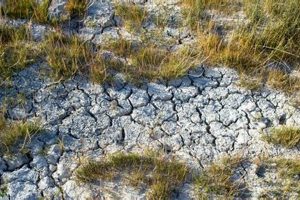

The alteration of global weather patterns influences the availability and effectiveness of power generation from sources like solar, wind, hydro, and geothermal. For example, altered precipitation patterns can affect hydropower reservoir levels... Read more »
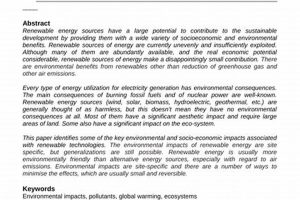
The process of generating power from renewable sources like solar, wind, hydro, geothermal, and biomass inevitably interacts with the surrounding ecosystems. These interactions can manifest in various ways, including land use changes,... Read more »

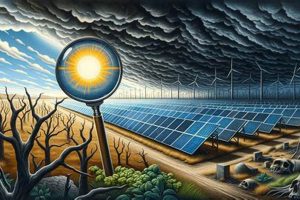
Renewable energy sources, while offering a crucial pathway towards a sustainable future, present certain environmental and socio-economic challenges. These drawbacks, often overlooked in the broader push for clean energy adoption, can range... Read more »
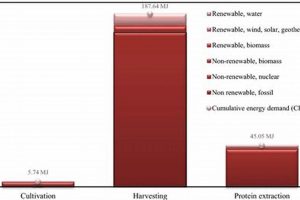
Fossil fuels and nuclear energy, resources not replenished on a human timescale, exert considerable influence on the environment, economy, and geopolitics. Burning fossil fuels releases greenhouse gases, contributing to climate change and... Read more »
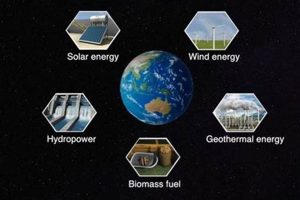
The adoption of alternative power generation methods presents a complex interplay between the need for sustainable energy and the potential for ecological consequences. While often considered environmentally benign compared to fossil fuels,... Read more »

Fossil fuels (coal, oil, and natural gas) and nuclear energy, the primary non-renewable energy sources, have significantly shaped modern civilization. Their extraction, processing, and utilization, however, generate a range of adverse effects... Read more »