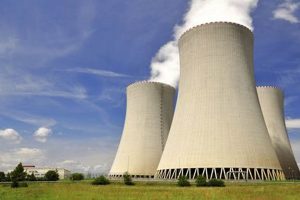
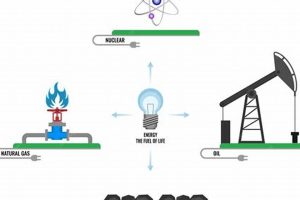
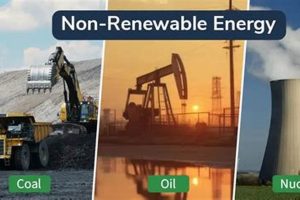
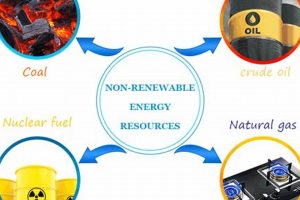
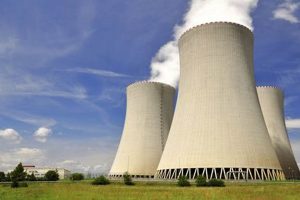
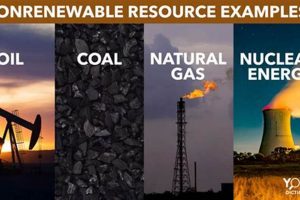
Non-renewable energy sources, primarily fossil fuels (coal, oil, and natural gas) and nuclear fission, present several drawbacks. These include the finite nature of these resources, meaning they will eventually be depleted. Furthermore, their extraction and utilization often lead to environmental damage, such as habitat destruction from mining or drilling, and air and water pollution from combustion or processing. For instance, burning fossil fuels releases greenhouse gases, contributing to climate change, while nuclear power generation produces radioactive waste that requires long-term storage.
Understanding the limitations of non-renewable energy is crucial for developing sustainable energy strategies. Historically, reliance on these sources has fueled industrial growth, but their negative impacts are now widely recognized. A shift towards renewable energy sources is essential for mitigating climate change, improving air and water quality, and ensuring long-term energy security.
The following sections will delve into the specific disadvantages of non-renewable energy sources in more detail, exploring their environmental impact, economic volatility, and geopolitical implications. This examination will further highlight the urgency and importance of transitioning to a more sustainable energy future.
Tips for Mitigating the Impacts of Non-Renewable Energy
Given the inherent drawbacks of non-renewable energy sources, adopting strategies to lessen their impact is crucial. These tips focus on practical steps and informed choices that contribute to a more sustainable energy landscape.
Tip 1: Improve Energy Efficiency: Reducing energy consumption through better insulation, energy-efficient appliances, and optimized industrial processes lessens demand for non-renewable resources.
Tip 2: Support Renewable Energy Development: Investing in and advocating for renewable energy technologies, such as solar, wind, and geothermal, accelerates the transition away from fossil fuels.
Tip 3: Advocate for Sustainable Transportation: Promoting public transportation, cycling, walking, and electric vehicles reduces reliance on oil-based fuels.
Tip 4: Reduce, Reuse, and Recycle: Manufacturing processes often rely heavily on non-renewable energy. Minimizing consumption and maximizing recycling reduce this demand.
Tip 5: Support Policy Changes: Advocate for policies that incentivize renewable energy adoption, carbon pricing, and stricter environmental regulations related to non-renewable resource extraction.
Tip 6: Educate and Raise Awareness: Understanding the disadvantages of non-renewable energy empowers individuals to make informed choices and contribute to collective action.
Tip 7: Invest in Research and Development: Continued research into energy storage solutions and more efficient renewable energy technologies is essential for a sustainable future.
By embracing these strategies, individuals, communities, and governments can contribute to a significant reduction in reliance on non-renewable energy, paving the way for a cleaner, more sustainable future.
The transition away from non-renewable energy sources presents both challenges and opportunities. The following conclusion will summarize the key takeaways and offer a perspective on the future of energy production and consumption.
1. Resource Depletion

Resource depletion is a fundamental disadvantage of non-renewable energy. Non-renewable energy sources, by definition, are finite. Fossil fuels, formed over millions of years, are being consumed at a rate far exceeding their natural replenishment. This unsustainable consumption pattern inevitably leads to depletion, creating energy security concerns for future generations. For example, proven oil reserves, while subject to revision with new discoveries, are ultimately limited, and extraction becomes increasingly challenging and expensive as readily accessible deposits are exhausted.
The finite nature of these resources necessitates a transition to alternative energy sources. Continued reliance on non-renewable energy creates a precarious dependence on dwindling supplies, potentially leading to price spikes, geopolitical instability, and energy shortages. Consider the historical fluctuations in oil prices, often driven by supply concerns and geopolitical events. These fluctuations underscore the vulnerability associated with dependence on finite resources. Investing in renewable energy technologies and improving energy efficiency offer pathways to mitigate the risks associated with resource depletion.
Addressing resource depletion requires a multi-pronged approach. Developing sustainable energy strategies that prioritize renewable resources, such as solar, wind, and geothermal energy, is essential. Furthermore, improving energy efficiency in various sectors, from transportation to industrial processes, can significantly reduce the rate of resource consumption. Ultimately, recognizing the inherent limitations of non-renewable resources and actively pursuing alternatives is crucial for ensuring long-term energy security and mitigating the negative consequences of resource depletion.
2. Environmental Pollution

Environmental pollution is a significant consequence of utilizing non-renewable energy sources. The extraction, processing, and combustion of fossil fuels, as well as the operation of nuclear power plants, contribute to various forms of pollution that negatively impact ecosystems, human health, and the global climate.
- Air Pollution:
Burning fossil fuels releases pollutants such as sulfur dioxide, nitrogen oxides, particulate matter, and mercury into the atmosphere. These pollutants contribute to respiratory problems, acid rain, and smog, impacting both human health and the environment. Coal-fired power plants are a major source of air pollution, emitting substantial quantities of greenhouse gases and harmful pollutants.
- Water Pollution:
Oil spills, fracking wastewater, and acid mine drainage contaminate water sources, harming aquatic life and potentially impacting human health through contaminated drinking water supplies. For example, oil spills can devastate marine ecosystems, while fracking, a method used to extract natural gas, can contaminate groundwater with harmful chemicals.
- Land Degradation:
Mining operations for coal and uranium can lead to habitat destruction, soil erosion, and landscape scarring. The extraction process often requires the removal of vast amounts of earth, disrupting ecosystems and impacting biodiversity. Mountaintop removal mining, a particularly destructive practice, permanently alters landscapes and can pollute surrounding waterways.
- Radioactive Waste:
Nuclear power generation produces radioactive waste that requires safe and secure long-term storage. The disposal of this waste poses a significant challenge due to its long half-life and potential environmental hazards. Finding suitable storage solutions for radioactive waste remains a complex issue, with potential risks of contamination and environmental damage.
These forms of pollution, arising from the use of non-renewable energy, represent substantial environmental and health costs. Transitioning to cleaner, renewable energy sources offers a pathway to mitigate these negative impacts and build a more sustainable energy future. The continued reliance on non-renewable resources perpetuates a cycle of environmental degradation, underscoring the urgency of embracing alternative energy solutions.
3. Climate Change Contribution

A primary disadvantage of non-renewable energy, particularly fossil fuels, is their significant contribution to climate change. Combustion of these fuels releases greenhouse gases, primarily carbon dioxide, into the atmosphere. This process intensifies the greenhouse effect, trapping heat and leading to global warming and associated climate disruptions.
- Greenhouse Gas Emissions:
Burning fossil fuels releases substantial amounts of carbon dioxide (CO2), methane (CH4), and nitrous oxide (N2O), all potent greenhouse gases. These gases trap heat in the atmosphere, leading to a warming planet. For instance, coal-fired power plants are major emitters of CO2, a key driver of climate change. The cumulative effect of these emissions over time contributes to long-term warming trends.
- Global Warming:
Increased greenhouse gas concentrations in the atmosphere cause a rise in global average temperatures. This warming trend has numerous consequences, including melting glaciers and polar ice, rising sea levels, and more frequent and intense extreme weather events. The observed warming trend over the past century is strongly linked to human activities, primarily the burning of fossil fuels.
- Ocean Acidification:
Increased CO2 in the atmosphere also leads to increased absorption of CO2 by the oceans. This process lowers the pH of ocean water, a phenomenon known as ocean acidification. Ocean acidification poses a significant threat to marine ecosystems, particularly to shellfish and coral reefs, which are sensitive to changes in ocean acidity. The ongoing acidification of the oceans has far-reaching consequences for marine biodiversity and the health of ocean ecosystems.
- Disrupted Weather Patterns:
Climate change, driven by greenhouse gas emissions, disrupts established weather patterns, leading to more frequent and intense heatwaves, droughts, floods, and storms. These extreme weather events have devastating impacts on agriculture, infrastructure, and human populations. The increased frequency and intensity of extreme weather events represent a significant challenge for communities and economies worldwide.
The contribution of non-renewable energy sources to climate change presents a compelling argument for transitioning to renewable alternatives. Mitigating the long-term impacts of climate change requires a significant reduction in greenhouse gas emissions, achievable through investments in renewable energy technologies, improvements in energy efficiency, and sustainable land management practices. The continued reliance on non-renewable energy exacerbates climate change, jeopardizing the health of the planet and the well-being of future generations.
4. Geopolitical Instability

The uneven distribution of non-renewable energy resources, particularly fossil fuels, contributes significantly to geopolitical instability. Nations with abundant reserves often wield considerable political and economic influence, while resource-poor nations face energy dependence and potential vulnerability to price fluctuations and supply disruptions. This dependence can create power imbalances and exacerbate existing tensions, leading to conflicts over resource control. The history of oil-rich regions, for example, illustrates how competition for these resources can fuel regional conflicts and international tensions. Control over vital energy resources becomes a strategic objective, influencing foreign policy and international relations. Furthermore, the pursuit of non-renewable resources can sometimes lead to internal conflicts within nations, as different groups compete for control over resource-rich territories. This dynamic can destabilize regions and undermine governance.
The reliance on non-renewable energy also creates complex interdependencies between nations. Energy-importing countries become reliant on the political and economic stability of exporting countries. This dependence can limit foreign policy options and create vulnerabilities to political pressures. For instance, disruptions to oil supplies, whether due to political instability or natural disasters, can have cascading economic effects globally. The interconnectedness of the global energy market amplifies the geopolitical consequences of disruptions in the supply of non-renewable resources. This interdependence can be a source of both cooperation and conflict, depending on the evolving political and economic landscape.
Transitioning away from non-renewable energy sources offers a pathway to mitigate the geopolitical risks associated with resource dependence. Diversifying energy supplies through investments in renewable energy technologies reduces reliance on volatile fossil fuel markets and enhances energy security. This shift can lessen international tensions related to resource control and promote greater energy independence for nations. Furthermore, the development of domestic renewable energy resources can stimulate economic growth and create new job opportunities, contributing to greater stability within nations. Ultimately, a shift towards renewable energy represents not only an environmental imperative but also a strategic opportunity to enhance geopolitical stability and build a more secure and sustainable energy future.
5. Economic Volatility
Economic volatility is intrinsically linked to reliance on non-renewable energy sources. The price of fossil fuels, particularly oil, is subject to significant fluctuations driven by factors such as geopolitical events, supply disruptions, and changes in global demand. This price volatility creates uncertainty for businesses, consumers, and governments, making it difficult to plan for the future. For example, unexpected oil price spikes can trigger inflation, reduce consumer spending, and hinder economic growth. The 2008 oil price surge, reaching nearly $150 per barrel, illustrates the disruptive impact of price volatility on the global economy, contributing to the subsequent economic downturn. Similarly, the more recent energy crisis triggered by the 2022 Russian invasion of Ukraine demonstrates the vulnerability of economies dependent on volatile fossil fuel markets.
This volatility extends beyond direct energy costs. Many industries, including transportation, manufacturing, and agriculture, rely heavily on fossil fuels. Fluctuations in energy prices impact production costs, potentially leading to higher prices for goods and services. This dependence on volatile resources creates a systemic risk for economies, making them vulnerable to external shocks. Furthermore, government budgets are also affected by fluctuating energy prices, particularly in countries that subsidize fuel consumption. These subsidies can become unsustainable during periods of high prices, creating fiscal challenges and potentially leading to social unrest. The economic implications of energy price volatility underscore the need for stable and predictable energy markets.
Transitioning to renewable energy sources offers a pathway to greater economic stability. Renewable energy prices, while subject to initial investment costs, are generally more stable than fossil fuel prices, as they are not subject to the same geopolitical and supply constraints. This price stability allows for better long-term planning and reduces the economic risks associated with volatile energy markets. Moreover, investments in renewable energy technologies can stimulate economic growth, create jobs, and reduce dependence on imported fossil fuels, enhancing energy security and fostering a more resilient and sustainable economy. Mitigating the economic risks associated with non-renewable energy requires a strategic shift towards diversified and sustainable energy sources, fostering long-term economic stability and resilience.
6. Health Impacts
The utilization of non-renewable energy sources presents significant adverse health impacts, ranging from respiratory illnesses to increased cancer risks. Understanding these health consequences is crucial for evaluating the full cost of reliance on non-renewable energy and for motivating the transition towards cleaner, more sustainable energy alternatives. The health burdens associated with non-renewable energy disproportionately affect vulnerable populations, including children, the elderly, and communities located near power plants and other polluting facilities.
- Air Pollution-Related Respiratory Diseases:
Combustion of fossil fuels releases particulate matter, sulfur dioxide, and nitrogen oxides into the atmosphere, contributing to respiratory problems such as asthma, bronchitis, and emphysema. Children and the elderly are particularly vulnerable to these pollutants. Studies have shown a direct correlation between air pollution levels and hospital admissions for respiratory illnesses in urban areas with high concentrations of coal-fired power plants. These health impacts represent a significant public health burden and contribute to lost productivity and increased healthcare costs.
- Cardiovascular Diseases:
Exposure to air pollution from fossil fuel combustion is linked to increased risks of heart attacks, strokes, and other cardiovascular diseases. Fine particulate matter can penetrate deep into the lungs and enter the bloodstream, contributing to inflammation and the development of cardiovascular problems. Research has demonstrated a higher incidence of cardiovascular disease in populations living near major roadways and industrial areas with high levels of air pollution. The long-term health consequences of exposure to these pollutants represent a significant concern for public health.
- Cancer Risks:
Exposure to certain pollutants released during the combustion of fossil fuels and from nuclear power plant accidents increases the risk of developing various types of cancer. For instance, benzene, a known carcinogen, is present in gasoline and is released into the air during combustion. Exposure to radioactive materials released during nuclear accidents, such as Chernobyl and Fukushima, can lead to long-term health consequences, including increased cancer rates. These health risks underscore the importance of minimizing exposure to harmful pollutants associated with non-renewable energy sources.
- Heavy Metal Contamination:
Coal combustion releases heavy metals like mercury into the environment, which can contaminate water sources and accumulate in the food chain. Exposure to mercury, particularly during pregnancy, can have severe neurological impacts on developing fetuses. Communities reliant on fish from contaminated water bodies are at increased risk of mercury exposure. The bioaccumulation of heavy metals in the food chain poses a significant threat to human health, particularly in vulnerable populations.
The health impacts associated with non-renewable energy sources represent a significant public health challenge. These impacts extend beyond immediate health problems, contributing to reduced quality of life, increased healthcare costs, and lost productivity. Transitioning to cleaner, renewable energy sources offers a crucial opportunity to mitigate these health risks and improve public health outcomes, while simultaneously addressing the environmental and economic challenges associated with non-renewable energy dependence.
Frequently Asked Questions
This section addresses common inquiries regarding the drawbacks of non-renewable energy sources, providing concise and informative responses.
Question 1: Why is the finite nature of non-renewable resources a concern?
Non-renewable resources, such as fossil fuels, are finite and will eventually be depleted. This depletion poses a significant threat to long-term energy security, potentially leading to energy shortages, price volatility, and geopolitical instability.
Question 2: How does non-renewable energy contribute to air pollution?
Combustion of fossil fuels releases harmful pollutants like sulfur dioxide, nitrogen oxides, and particulate matter into the atmosphere, contributing to respiratory problems, smog, and acid rain.
Question 3: What is the link between non-renewable energy and climate change?
Burning fossil fuels releases greenhouse gases, primarily carbon dioxide, which trap heat in the atmosphere, leading to global warming and associated climate change impacts like rising sea levels and extreme weather events.
Question 4: How does the use of non-renewable energy impact water resources?
Extraction and transportation of non-renewable resources can lead to water contamination through oil spills, fracking wastewater, and acid mine drainage, harming aquatic ecosystems and potentially impacting human health.
Question 5: What are the geopolitical implications of relying on non-renewable energy?
Uneven distribution of fossil fuels globally can lead to geopolitical instability, as nations compete for access to these resources, potentially sparking conflicts and influencing international relations.
Question 6: What are the long-term economic consequences of dependence on non-renewable energy?
Price volatility in fossil fuel markets creates economic uncertainty, impacting businesses, consumers, and governments. This volatility hinders long-term planning and can lead to economic instability.
Understanding the disadvantages of non-renewable energy is crucial for informed decision-making and for promoting the transition to more sustainable energy solutions. The environmental, geopolitical, economic, and health implications necessitate a shift towards renewable energy sources for a more secure and sustainable future.
The following conclusion summarizes the key arguments against continued reliance on non-renewable energy and offers a perspective on the future of energy.
Conclusion
Exploration of non-renewable energy disadvantages reveals a compelling case for transitioning towards sustainable alternatives. Finite resources, environmental pollution, climate change contributions, geopolitical instability, economic volatility, and adverse health impacts represent significant challenges associated with continued reliance on these energy sources. Resource depletion threatens long-term energy security, while pollution from extraction and combustion processes degrades air and water quality, impacting ecosystems and human health. Greenhouse gas emissions from fossil fuels accelerate climate change, posing a global threat with far-reaching consequences. Geopolitical tensions arise from competition for dwindling resources, and economic volatility linked to fluctuating fuel prices creates uncertainty for businesses and consumers. The cumulative evidence underscores the unsustainable nature of continued dependence on non-renewable energy.
A future reliant on non-renewable energy presents significant risks to environmental sustainability, economic stability, and global security. The transition to renewable energy sources represents not merely a technological shift but a fundamental necessity for ensuring a sustainable and prosperous future. Embracing renewable energy technologies, improving energy efficiency, and promoting responsible energy consumption patterns are crucial steps towards mitigating the multifaceted challenges posed by non-renewable energy dependence. The urgency of this transition demands collective action from governments, industries, and individuals to build a future powered by clean, sustainable, and equitable energy solutions.