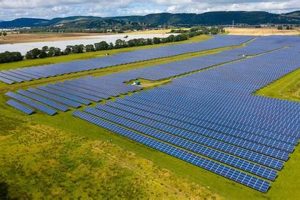
Harnessing power from natural sources like sunlight, wind, and water offers a compelling alternative to conventional energy generation. These sources replenish naturally over relatively short periods, minimizing reliance on finite resources like fossil fuels. For example, photovoltaic panels convert sunlight directly into electricity, while wind turbines capture the kinetic energy of moving air. This shift has profound implications for the planet’s ecological balance.
Reduced reliance on fossil fuels mitigates greenhouse gas emissions, a key driver of climate change. Clean energy sources offer a pathway toward a more sustainable energy future, lessening the environmental burden of energy production. Historically, reliance on fossil fuels has resulted in significant air and water pollution, habitat destruction, and contributions to global warming. The transition to renewable sources represents a significant step towards mitigating these adverse impacts and safeguarding the planet’s health.
Further exploration will delve into the specific environmental advantages and challenges associated with various renewable energy technologies, including solar, wind, hydroelectric, geothermal, and biomass. This examination will consider factors such as land use, resource requirements, and potential impacts on local ecosystems, offering a nuanced perspective on the complex interplay between renewable energy development and environmental sustainability.
Tips for Supporting Sustainable Energy Practices
Promoting environmentally responsible energy consumption requires a multifaceted approach. The following tips offer practical guidance for individuals and communities seeking to contribute to a more sustainable energy future.
Tip 1: Invest in Energy-Efficient Appliances: Choosing appliances with high energy efficiency ratings significantly reduces electricity consumption. Look for Energy Star certifications and consider the long-term operational costs when making purchasing decisions.
Tip 2: Reduce Energy Consumption at Home: Simple actions such as turning off lights when leaving a room, unplugging electronic devices not in use, and optimizing thermostat settings can cumulatively reduce energy waste.
Tip 3: Support Renewable Energy Initiatives: Explore opportunities to support the development and adoption of renewable energy technologies in local communities. This may include advocating for policy changes, participating in community solar projects, or investing in renewable energy companies.
Tip 4: Educate and Advocate: Raising awareness about the benefits of clean energy sources can encourage wider adoption. Sharing information with family, friends, and colleagues helps foster a culture of sustainable energy consumption.
Tip 5: Consider Transportation Choices: Opting for public transportation, cycling, walking, or electric vehicles reduces reliance on fossil fuels for transportation, minimizing carbon emissions and promoting cleaner air.
Tip 6: Reduce, Reuse, and Recycle: Embracing the principles of reducing consumption, reusing materials, and recycling waste minimizes the energy required for manufacturing new products and managing waste disposal.
Tip 7: Conduct an Energy Audit: A professional energy audit can identify areas for improvement in a building’s energy efficiency, providing tailored recommendations for reducing energy waste and optimizing consumption.
By incorporating these practices into daily routines, individuals and communities can contribute significantly to mitigating the environmental impact of energy consumption and fostering a more sustainable future.
These collective efforts play a crucial role in transitioning towards a future powered by clean, sustainable energy sources and ensuring a healthier planet for generations to come.
1. Reduced Emissions

A primary benefit of renewable energy sources lies in their potential to significantly reduce greenhouse gas emissions compared to conventional fossil fuel-based power generation. This reduction plays a critical role in mitigating climate change and improving air quality, directly addressing a key aspect of how renewable energy affects the environment.
- Greenhouse Gas Mitigation
Renewable energy sources like solar, wind, and hydro produce little to no greenhouse gases during operation. This contrasts sharply with fossil fuel power plants, which release substantial amounts of carbon dioxide, methane, and other pollutants into the atmosphere. The displacement of fossil fuels by renewable energy thus directly reduces the concentration of these harmful gases, mitigating their contribution to global warming and associated climate change impacts.
- Improved Air Quality
Reduced reliance on fossil fuels also leads to improved air quality. Combustion of fossil fuels releases pollutants such as sulfur dioxide, nitrogen oxides, and particulate matter, contributing to respiratory problems and other health issues. Renewable energy sources offer a cleaner alternative, minimizing these harmful emissions and promoting healthier environments, particularly in urban areas.
- Decarbonizing the Energy Sector
The transition to renewable energy is crucial for decarbonizing the energy sector, a major contributor to global greenhouse gas emissions. Replacing coal-fired power plants with solar or wind farms, for instance, significantly reduces the carbon footprint of electricity generation. This shift is essential for achieving global climate goals and transitioning towards a more sustainable energy future.
- Long-Term Climate Stability
Reducing emissions through renewable energy adoption contributes to long-term climate stability. By mitigating the drivers of climate change, renewable energy helps prevent further increases in global temperatures and reduces the risks associated with extreme weather events, sea-level rise, and other climate-related disruptions. This long-term perspective underscores the significant environmental benefits of renewable energy sources.
The reduced emissions associated with renewable energy represent a cornerstone of their positive environmental impact. By mitigating climate change and improving air quality, renewable energy offers a sustainable pathway towards a cleaner, healthier environment and plays a vital role in shaping a more environmentally responsible future.
2. Land use changes
Renewable energy technologies, while offering significant environmental advantages, necessitate land use changes for infrastructure development. Evaluating these changes is crucial for understanding the comprehensive impact of renewable energy on the environment. The extent and nature of land use modifications vary depending on the specific technology employed, requiring careful consideration of potential ecological and social consequences.
- Land Requirements for Solar Farms
Large-scale solar farms require substantial land areas, raising concerns about habitat loss and fragmentation. While solar farms can coexist with some agricultural activities (agrivoltaics), careful planning and site selection are crucial to minimize ecological disruption and ensure compatibility with existing land uses. For example, siting solar farms on already degraded land can minimize environmental impact.
- Wind Turbine Placement and Wildlife
Wind turbine placement can affect bird and bat populations through collisions or habitat disruption. Minimizing these impacts requires careful site selection, considering migratory patterns and sensitive habitats. Strategies such as implementing radar-based shutdown systems can further reduce wildlife fatalities. Research into optimal turbine design and placement continues to refine best practices for minimizing environmental impact.
- Hydroelectric Reservoirs and Ecosystem Disruption
Hydroelectric dams create reservoirs, inundating land and altering river ecosystems. These changes can affect fish migration patterns, water quality, and riparian habitats. Careful assessment of potential impacts is essential, along with mitigation strategies such as fish ladders and water flow management. Balancing energy generation with ecological preservation requires a comprehensive approach to reservoir management.
- Biomass Production and Land Use Competition
Biomass energy production can compete with food crops for land, potentially impacting food security and agricultural practices. Sustainable biomass production requires careful consideration of land use planning and resource management to avoid negative consequences for food production. Utilizing marginal lands or agricultural residues can minimize competition and promote sustainable bioenergy development.
Careful analysis of land use changes associated with renewable energy development is crucial for maximizing environmental benefits and minimizing potential negative impacts. Strategic planning, technological advancements, and ongoing research contribute to more sustainable land use practices within the renewable energy sector, fostering a harmonious balance between clean energy generation and environmental preservation.
3. Water Consumption

Water consumption represents a critical factor in assessing the environmental impact of various renewable energy technologies. While often perceived as inherently “clean,” certain renewable energy sources require substantial water resources for operation, impacting water availability and aquatic ecosystems. Understanding these water dependencies is crucial for developing sustainable renewable energy strategies.
Concentrated solar power (CSP) plants, for example, utilize water for cooling and steam generation, consuming significant amounts of water in arid and semi-arid regions where solar resources are abundant. Thermoelectric power plants, including those powered by geothermal energy, also require water for cooling processes. These demands can strain local water resources, particularly in water-stressed regions, highlighting the importance of careful water management and resource allocation in renewable energy development. Hydroelectric power generation, while not consuming water directly, alters river flows and ecosystems through dam construction and reservoir creation, impacting aquatic habitats and potentially affecting downstream water availability. Evaluating these trade-offs is crucial for minimizing environmental impacts and ensuring sustainable water management practices within the renewable energy sector.
Minimizing water consumption in renewable energy generation necessitates technological advancements and strategic planning. Dry cooling technologies, which utilize air instead of water for cooling, offer a promising approach for reducing water dependence in CSP and thermoelectric plants. Hybrid cooling systems, combining dry and wet cooling methods, offer another strategy for optimizing water use. Careful site selection for renewable energy projects, considering water availability and ecological sensitivity, also plays a vital role in mitigating water-related impacts. Integrating water conservation measures into renewable energy development and operation further contributes to sustainable water resource management and minimizes environmental trade-offs associated with clean energy generation. Addressing water consumption concerns is essential for achieving truly sustainable and environmentally responsible renewable energy deployment.
4. Ecosystem Impacts
Renewable energy development, while offering a crucial pathway towards a sustainable energy future, presents potential impacts on ecosystems. Understanding these ecological implications is essential for responsible development and deployment of renewable energy technologies. Evaluating these impacts requires considering a range of factors, from habitat alteration and fragmentation to species-specific vulnerabilities and the cumulative effects of multiple projects within a landscape.
- Habitat Alteration and Fragmentation
Construction of renewable energy infrastructure, such as solar farms, wind farms, and hydroelectric dams, can lead to habitat alteration and fragmentation. Large-scale solar farms, for instance, convert natural habitats into industrial areas, potentially displacing native species and disrupting ecological processes. Wind turbines, while occupying a smaller footprint, can fragment habitats and create barriers for wildlife movement. Hydroelectric dams alter river flows and inundate riparian areas, transforming aquatic and terrestrial ecosystems. Mitigation strategies, such as careful site selection, habitat restoration, and wildlife corridors, are crucial for minimizing these impacts.
- Wildlife Interactions
Renewable energy infrastructure can interact with wildlife in various ways, posing risks to certain species. Bird and bat collisions with wind turbine blades represent a well-documented concern. Hydroelectric dams can impede fish migration and alter aquatic food webs. Solar farms can create microclimate changes that affect reptile and insect populations. Understanding these species-specific vulnerabilities is crucial for developing appropriate mitigation measures, such as blade coatings to reduce bird reflectivity on wind turbines and fish passages to facilitate migration around dams. Ongoing research and technological advancements contribute to minimizing wildlife interactions and promoting coexistence between renewable energy development and ecological conservation.
- Altered Biogeochemical Cycles
Renewable energy development can influence biogeochemical cycles, such as nutrient cycling and water flow. Hydroelectric dams, for example, can trap sediments and nutrients, altering downstream river ecosystems. Biomass energy production can affect soil carbon sequestration and nutrient availability. Understanding these biogeochemical impacts is crucial for developing sustainable management practices and minimizing unintended consequences for ecosystem health. Integrated assessments, considering both energy production and ecological processes, are essential for informed decision-making.
- Cumulative Impacts
The cumulative impacts of multiple renewable energy projects within a landscape warrant careful consideration. While individual projects may have relatively localized impacts, the combined effects of multiple developments can exacerbate ecological pressures. For example, the construction of several wind farms within a region could significantly impact bird migration patterns. Strategic planning and regional assessments are crucial for evaluating cumulative impacts and ensuring that renewable energy development proceeds in an environmentally responsible manner. Collaborative approaches, involving stakeholders from various sectors, are essential for balancing energy needs with ecological conservation goals.
Minimizing ecosystem impacts associated with renewable energy development requires a comprehensive approach that integrates ecological considerations into all stages of project planning and implementation. Careful site selection, technological advancements, robust environmental impact assessments, and ongoing monitoring contribute to mitigating potential negative effects and ensuring that the transition to a sustainable energy future proceeds in a manner that safeguards biodiversity and ecosystem health.
5. Manufacturing Considerations

Renewable energy technologies, while offering a cleaner alternative to fossil fuels, require careful consideration of their manufacturing processes. The environmental impact of renewable energy extends beyond its operational phase, encompassing the extraction of raw materials, component production, assembly, and transportation. Evaluating these manufacturing considerations is crucial for a comprehensive understanding of how renewable energy affects the environment.
- Resource Extraction and Processing
Manufacturing renewable energy technologies requires the extraction and processing of various raw materials, such as silicon for solar panels, rare earth elements for wind turbine magnets, and lithium for batteries. These processes can have significant environmental impacts, including habitat disruption, water pollution, and greenhouse gas emissions. For example, mining operations can generate acid mine drainage, contaminating water sources and impacting aquatic ecosystems. Furthermore, the transportation of raw materials from extraction sites to manufacturing facilities adds to the overall environmental footprint.
- Energy Intensive Manufacturing Processes
Some renewable energy technologies involve energy-intensive manufacturing processes. Producing solar panels, for example, requires high temperatures and specialized equipment, consuming significant amounts of energy. If this energy comes from fossil fuel sources, it can offset some of the environmental benefits of using solar power. Transitioning to cleaner energy sources for manufacturing processes is essential for minimizing the overall environmental impact of renewable energy technologies.
- Waste Generation and Management
Manufacturing processes generate waste streams that require careful management. Production of solar panels, for instance, generates silicon dust and other byproducts. Wind turbine blades, nearing the end of their lifespan, pose a significant waste management challenge due to their size and composite materials. Developing recycling and reuse strategies for these materials is crucial for minimizing landfill waste and promoting a circular economy within the renewable energy sector. Furthermore, managing chemical waste from battery production is essential for preventing soil and water contamination.
- Transportation and Logistics
The transportation of components and finished products from manufacturing facilities to installation sites contributes to the overall environmental footprint of renewable energy technologies. Transporting large wind turbine blades, for example, requires specialized vehicles and logistical planning. Minimizing transportation distances, optimizing logistics, and utilizing cleaner transportation methods, such as rail or electric vehicles, can help reduce emissions and environmental impacts associated with transportation.
A comprehensive life-cycle assessment, considering all stages from resource extraction to end-of-life management, is essential for evaluating the true environmental impact of renewable energy technologies. Minimizing environmental impacts associated with manufacturing requires continuous improvement in manufacturing processes, technological innovation, and the development of sustainable supply chains. Addressing these manufacturing considerations is crucial for maximizing the environmental benefits of renewable energy and ensuring a truly sustainable transition to a cleaner energy future.
6. Waste Management Needs

Renewable energy technologies, while contributing significantly to environmental sustainability, generate waste streams that require careful management. Addressing these waste management needs is crucial for minimizing the overall environmental impact of renewable energy and ensuring a truly sustainable energy transition. Disposing of materials responsibly and exploring innovative recycling and reuse strategies are essential components of a comprehensive approach to renewable energy waste management.
- Solar Panel Recycling and Disposal
Solar panels have a finite lifespan, typically around 25-30 years. As solar installations age, the volume of decommissioned panels requiring disposal will increase substantially. Solar panels contain materials like silicon, glass, and metals, some of which can be recovered and recycled. However, the current recycling infrastructure for solar panels is limited, posing a potential waste management challenge. Developing efficient and cost-effective recycling technologies for solar panels is crucial for minimizing landfill waste and recovering valuable materials. Furthermore, addressing the potential environmental hazards associated with improper disposal of solar panels, such as heavy metal leaching, is essential for responsible waste management.
- Wind Turbine Blade Decommissioning
Wind turbine blades, composed primarily of fiberglass and composite materials, pose a significant waste management challenge due to their large size and complex composition. As wind farms reach the end of their operational life, the disposal of these massive blades requires specialized handling and transportation. Landfilling remains a common disposal method, but it consumes valuable landfill space and raises concerns about potential environmental impacts. Developing innovative recycling and repurposing strategies for wind turbine blades, such as using them in construction materials or infrastructure projects, is crucial for minimizing waste and promoting a circular economy within the wind energy sector.
- Battery Recycling and Resource Recovery
Energy storage technologies, such as batteries, are increasingly deployed alongside renewable energy sources to address intermittency challenges. These batteries contain valuable materials like lithium, cobalt, and nickel, which can be recovered and reused. Developing efficient and environmentally sound battery recycling processes is crucial for minimizing the environmental impact of battery disposal, reducing reliance on virgin materials, and ensuring a sustainable supply chain for battery production. Furthermore, responsible battery recycling helps mitigate potential environmental hazards associated with improper disposal, such as heavy metal contamination of soil and water resources. Research into advanced battery chemistries and recycling technologies continues to refine best practices for sustainable battery management.
- Waste Reduction in Manufacturing
Minimizing waste generation during the manufacturing process of renewable energy technologies is essential for reducing overall environmental impact. Implementing lean manufacturing principles, optimizing material use, and developing closed-loop systems for waste management within manufacturing facilities can significantly reduce waste streams. Furthermore, exploring opportunities for industrial symbiosis, where waste from one industry becomes a resource for another, can further minimize waste and promote a more circular economy. By prioritizing waste reduction throughout the manufacturing process, the renewable energy sector can further enhance its environmental sustainability.
Effective waste management strategies are integral to the environmental sustainability of renewable energy. Developing robust recycling infrastructure, promoting innovative reuse and repurposing initiatives, and minimizing waste generation throughout the lifecycle of renewable energy technologies are crucial for maximizing the environmental benefits of clean energy and mitigating potential negative impacts associated with waste disposal. These efforts contribute to a more circular economy and support the transition towards a truly sustainable energy future. By addressing waste management needs comprehensively, the renewable energy sector can minimize its environmental footprint and further contribute to a cleaner, healthier planet.
7. Resource Availability

Resource availability plays a critical role in determining the environmental impact of renewable energy technologies. While renewable energy sources themselves are virtually inexhaustible, the materials required for constructing and maintaining the associated infrastructure are finite. The extraction, processing, and transportation of these resources can generate environmental impacts, including habitat disruption, water pollution, and greenhouse gas emissions. Furthermore, the geographic distribution of these resources can influence the feasibility and environmental consequences of renewable energy projects. Understanding the interplay between resource availability and environmental impact is essential for developing truly sustainable renewable energy strategies.
For example, the production of solar photovoltaic panels requires significant quantities of silicon, a material derived from quartz. Mining and processing quartz can generate environmental impacts, including land disturbance and water contamination. Similarly, wind turbine magnets require rare earth elements, often mined in environmentally sensitive areas. The availability and accessibility of these resources influence the economic viability and environmental footprint of renewable energy technologies. Furthermore, the lifespan of renewable energy infrastructure necessitates eventual decommissioning and disposal, requiring careful consideration of material recycling and recovery to minimize environmental impacts and conserve valuable resources. The development of closed-loop systems for material reuse within the renewable energy sector represents a crucial step towards enhanced sustainability.
Sustainable development of renewable energy requires a comprehensive understanding of resource availability and its environmental implications. Life-cycle assessments, evaluating the environmental impacts of all stages from resource extraction to end-of-life management, are essential for informed decision-making. Promoting material efficiency, developing innovative recycling technologies, and exploring alternative materials with lower environmental footprints are crucial for mitigating the environmental impacts associated with resource extraction and processing. Furthermore, diversification of renewable energy sources and strategic deployment based on resource availability can minimize environmental trade-offs and enhance the overall sustainability of the energy transition. Addressing resource constraints through technological innovation and responsible resource management is essential for maximizing the environmental benefits of renewable energy and achieving a truly sustainable energy future.
Frequently Asked Questions
This section addresses common inquiries regarding the environmental impacts of renewable energy technologies, offering concise and informative responses.
Question 1: Do renewable energy sources have zero environmental impact?
While renewable energy sources offer significant environmental advantages over fossil fuels, they are not entirely without impact. Manufacturing processes, land use changes, and potential ecosystem interactions require careful consideration and mitigation strategies.
Question 2: How does land use for renewable energy compare to that of fossil fuels?
Land use requirements vary depending on the specific technology. While large-scale solar and wind farms can require substantial land areas, their lifecycle land use intensity is often lower than that of fossil fuel extraction and processing, considering the continuous need for fuel with fossil fuels.
Question 3: What are the primary environmental benefits of transitioning to renewable energy?
Key benefits include reduced greenhouse gas emissions, mitigating climate change, improved air quality, reduced water pollution (compared to fossil fuels), and decreased reliance on finite fossil fuel resources.
Question 4: What are some ecological considerations associated with renewable energy development?
Potential impacts include habitat alteration and fragmentation, wildlife interactions (e.g., bird and bat collisions with wind turbines), and altered biogeochemical cycles. Careful site selection and mitigation strategies are crucial for minimizing these effects.
Question 5: How does the manufacturing of renewable energy technologies impact the environment?
Manufacturing processes require resource extraction, energy consumption, and generate waste streams. Minimizing these impacts requires sustainable material sourcing, efficient manufacturing processes, and robust recycling and waste management strategies.
Question 6: What role does resource availability play in the sustainability of renewable energy?
The availability of materials required for renewable energy technologies, such as rare earth elements for wind turbine magnets, influences their environmental footprint and economic viability. Responsible resource management and the development of recycling technologies are crucial for long-term sustainability.
Understanding the multifaceted environmental impacts of renewable energy is essential for informed decision-making and responsible development. While challenges exist, the transition to renewable energy remains a crucial step towards a more sustainable energy future.
The following sections will delve deeper into specific renewable energy technologies, exploring their unique environmental attributes and associated challenges in greater detail.
Conclusion
Exploration of how renewable energy affects the environment reveals a complex interplay of benefits and challenges. While renewable sources offer a crucial pathway toward reducing greenhouse gas emissions and mitigating climate change, their implementation requires careful consideration of potential ecological impacts, resource constraints, and manufacturing considerations. Land use changes, water consumption, and potential interactions with wildlife necessitate strategic planning, technological advancements, and ongoing research to minimize negative consequences. Furthermore, responsible resource management, efficient manufacturing processes, and robust waste management strategies are essential for maximizing the environmental benefits of renewable energy technologies and ensuring a truly sustainable energy transition.
The transition to a renewable energy future requires a nuanced approach, balancing the imperative of decarbonizing the energy sector with the need to protect and preserve ecological integrity. Continued innovation, informed policy decisions, and collaborative efforts across sectors are essential for navigating the complexities of renewable energy development and maximizing its positive contributions to a sustainable future. The environmental impact of renewable energy sources, while demonstrably lower than that of fossil fuels, requires ongoing scrutiny and adaptive management to ensure long-term environmental sustainability and a healthy planet for future generations.