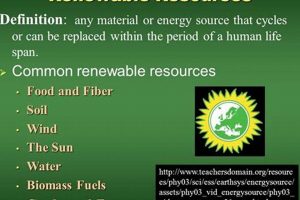
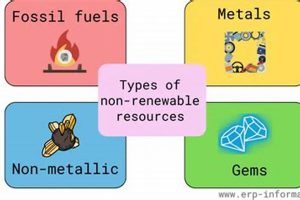
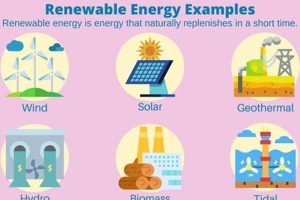
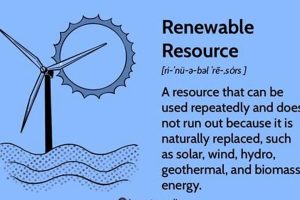
Sources of energy that replenish naturally and are essentially inexhaustible are crucial for a sustainable future. Examples include solar radiation, wind, flowing water (hydropower), geothermal heat, and biomass. These energy forms are continuously renewed by natural processes within a human lifespan.
Harnessing these power sources offers several advantages. Reduced reliance on finite fossil fuels mitigates greenhouse gas emissions, contributing to climate change mitigation. Furthermore, diversified energy portfolios enhance energy security and stimulate economic growth through innovation and job creation in relevant sectors. Historically, societies have utilized some of these – like wind and water – for centuries, though advancements in technology have drastically improved their efficiency and applicability.
The following sections will delve into specific types of sustainable energy, exploring their mechanisms, benefits, and challenges in more detail. From photovoltaic cells capturing sunlight to turbines converting wind into electricity, we will examine the technologies transforming how we power the world.
Harnessing Sustainable Energy
Effective implementation of sustainable energy requires careful planning and strategic approaches. The following tips provide guidance for maximizing the benefits of these resources.
Tip 1: Assess Resource Availability: Conduct thorough assessments of local resources. Solar insolation rates, wind speeds, geothermal gradients, and biomass potential vary geographically. Tailoring energy projects to available resources optimizes efficiency.
Tip 2: Prioritize Energy Efficiency: Implement energy-efficient technologies and practices across all sectors. Reducing overall energy demand lessens the need for new generation capacity, regardless of source.
Tip 3: Integrate Storage Solutions: Incorporate energy storage technologies, such as batteries or pumped hydro, to address the intermittent nature of some sources. Storage enhances grid stability and reliability.
Tip 4: Develop Smart Grids: Invest in smart grid infrastructure to optimize energy distribution and management. Smart grids enable bidirectional energy flow, enhance monitoring capabilities, and facilitate the integration of distributed generation.
Tip 5: Implement Supportive Policies: Governments should enact policies that incentivize deployment and development. These may include tax credits, feed-in tariffs, and streamlined permitting processes.
Tip 6: Foster Public Awareness: Educate the public about the benefits and importance. Increased public awareness can drive demand and support for sustainable energy projects.
Tip 7: Consider Lifecycle Impacts: Analyze the full lifecycle environmental impact. This includes resource extraction, manufacturing, operation, and decommissioning of energy technologies.
Tip 8: Promote Technological Innovation: Invest in research and development to advance performance and reduce costs. Continuous innovation is crucial for broader adoption.
Successfully implementing these strategies ensures that the transition to sustainable energy is efficient, effective, and beneficial for both the environment and the economy.
The subsequent discussion will address the potential challenges associated with the integration of sustainable energy and possible solutions.
1. Inexhaustible

The characteristic of being inexhaustible is a defining attribute of power sources that naturally replenish. The energy derived from solar radiation, wind, and geothermal heat, among others, represents continually renewed natural processes. Without continuous influx or replenishment, these would, like finite resources, diminish over time. The inexhaustible nature ensures long-term availability, a cornerstone of a sustainable energy future. Solar energy, for example, is constantly supplied by the sun, an energy source predicted to last for billions of years. Wind energy arises from atmospheric pressure gradients created by solar heating, making it indirectly linked to an inexhaustible source.
The interplay between ‘what naturally replenishes’ and ‘inexhaustible’ is causal. Natural replenishment enables the classification of a substance as inexhaustible. For example, consider geothermal energy, extracted from the Earth’s internal heat. Although the Earth’s internal heat is finite, the rate of heat loss is so gradual that it’s functionally inexhaustible on human timescales. This contrasts sharply with fossil fuels, which are finite and replenish on geological timescales far exceeding human lifespans. Water in the hydrological cycle is another clear illustration; evaporation, precipitation, and runoff constantly replenish freshwater sources. The “inexhaustible” nature allows ongoing human access.
Understanding the practical significance of the inexhaustible nature of power sources is vital for long-term energy planning and infrastructural development. Focusing on these sources enables a transition away from reliance on diminishing reserves. While technological constraints and cost considerations are factors, the inherent availability of solar, wind, and hydro resources provides a robust foundation for a sustainable energy future. The focus of energy policy and technology development rests on harnessing this perpetual nature efficiently and cost-effectively. The ability of the natural processes to continue replenishing the resouces is the only way energy planning can remain stable.
2. Sustainable

The term “sustainable,” when applied to energy, signifies the ability to meet present energy needs without compromising the ability of future generations to meet their own needs. A direct causal link exists between the use of naturally replenishing resources and the realization of sustainability. Because these sources are continuously renewed, their utilization does not deplete finite reserves, thereby preserving them for future use.
The concept of “sustainable” is not merely an adjunct to, but rather an intrinsic component of naturally replenishing resources. Examples illustrate this point. Wind farms, solar photovoltaic installations, and hydroelectric dams, properly managed, can provide power for decades or even centuries, reducing the necessity to exploit and deplete finite resources. Sustainable forestry practices enable the continued use of biomass for energy while maintaining ecosystem health. Conversely, the continued reliance on fossil fuels, a finite resource, is inherently unsustainable, leading to resource depletion and environmental degradation.
Therefore, understanding the interplay between natural replenishment and sustainability is critical for informed energy policy. By prioritizing development and deployment of naturally replenishing sources, societies can move toward energy systems that are not only environmentally sound but also economically stable and socially responsible. Challenges remain in terms of technological advancements, infrastructure development, and policy frameworks. However, the core imperative remains: to embrace naturally replenishing resources as the foundation for a truly sustainable energy future.
3. Environmentally Friendly
The characteristic of being “environmentally friendly” is a crucial attribute. Harnessing resources that naturally replenish offers a significant advantage in reducing the environmental impacts associated with energy production.
- Reduced Greenhouse Gas Emissions
Utilizing resources such as solar, wind, and hydropower generates electricity with minimal or no greenhouse gas emissions during operation. This contrasts sharply with fossil fuel combustion, a primary contributor to climate change. Lower emissions mitigate global warming and its associated consequences.
- Minimized Air and Water Pollution
These sources generally produce less air and water pollution than conventional energy sources. The burning of coal and natural gas releases particulate matter, sulfur dioxide, and nitrogen oxides, which contribute to respiratory problems and acid rain. Harnessing resources that naturally replenish reduces these pollutants, improving air and water quality.
- Lower Environmental Disturbance
While deployment can have environmental impacts, these are often less severe than those associated with fossil fuel extraction and transportation. For example, a wind farm requires land, but it can often coexist with agricultural activities. Oil spills and habitat destruction from mining are largely avoided.
- Waste Reduction
Many technologies do not produce significant amounts of hazardous waste during operation. Nuclear power, while low-carbon, generates radioactive waste that requires long-term storage. Solar panels and wind turbines, at the end of their lifespan, can be recycled, reducing the need for landfill disposal.
The “environmentally friendly” nature of resources that naturally replenish makes them vital for a sustainable energy transition. While challenges remain in terms of intermittency and upfront costs, the environmental benefits are substantial. Prioritizing these sources is essential for protecting ecosystems and human health.
4. Widely Distributed

The characteristic of being “widely distributed” is a significant advantage that stems from the nature of various natural resources. Unlike fossil fuel reserves, which are concentrated in specific geographical locations, sources like solar radiation, wind, and geothermal heat are accessible in varying degrees across the globe. This widespread availability has profound implications for energy security and decentralized power generation.
The causal link between “naturally replenished energy” and “widely distributed” lies in the fundamental processes that generate these resources. Solar radiation reaches almost every part of the Earth, although intensity varies with latitude and climate. Wind patterns, driven by solar heating and the Earth’s rotation, exist worldwide. Geothermal resources, while requiring specific geological conditions, are found in numerous regions. This contrasts with oil or natural gas deposits, which necessitate specific geological formations and a long period for formation. Examples include the Sahara Desert, which offers immense solar energy potential, or the Great Plains of North America, known for consistent wind resources. Iceland effectively utilizes its geothermal potential, while coastal regions benefit from offshore wind resources. The geographical dispersion of this abundance enables energy self-sufficiency for individual communities, reducing dependence on large-scale centralized infrastructure.
Understanding the widespread distribution is vital for effective energy planning. It allows nations and communities to leverage local resources, enhancing energy independence and resilience. Decentralized power generation from solar panels on rooftops, wind turbines in rural areas, or geothermal plants in volcanic regions reduces transmission losses and strengthens grid stability. While challenges remain in terms of intermittency, technological development, and investment, the widely distributed nature of resources that naturally replenish offers a pathway towards a more equitable and sustainable energy future. By prioritizing local resource assessment and tailored energy solutions, societies can unlock the full potential of this natural energy.
5. Technologically Feasible
The “technologically feasible” aspect is crucial for determining the practical utility of naturally replenished energy sources. It refers to the existence of established and functional technologies capable of harnessing and converting these resources into usable energy forms, such as electricity or heat. The presence of such technologies directly dictates whether a renewable source can be effectively integrated into existing energy systems. Solar photovoltaic panels, wind turbines, and hydroelectric dams exemplify technologies that render the energy inherent in sunlight, wind, and flowing water accessible. Without these devices, the raw energy remains untapped and unusable.
Technological feasibility is not a static concept; it evolves with ongoing innovation and development. Early iterations of solar panels, for instance, were significantly less efficient and more expensive than current models. Continuous advancements in materials science, engineering, and manufacturing have improved performance and reduced costs, making solar energy more economically competitive. Similar trends are observable in wind turbine technology, where larger rotor diameters and improved aerodynamics have increased power output. Further practical applications exist, like geothermal power plants drawing heat from underground reservoirs and converting it into electricity, or biomass gasification systems that convert organic materials into combustible gases. Technological feasibility ensures that these resources can provide reliable energy and offer alternative and more efficient means of achieving desired outputs.
The understanding of technological feasibility directly influences energy policy and investment decisions. It allows governments and businesses to assess the viability of implementing renewable energy projects, considering factors such as energy conversion efficiency, system reliability, and grid integration challenges. It also highlights areas where further research and development are needed to overcome technological barriers and unlock the full potential of naturally replenished energy resources. Ultimately, technological feasibility is a critical determinant of the widespread adoption and successful integration of naturally replenished energy into a sustainable energy mix.
6. Economically Viable
Economic viability is a critical factor determining the widespread adoption of renewable energy sources. The ability of solar, wind, hydro, geothermal, and biomass energy to compete with traditional fossil fuels in terms of cost is essential for a sustainable energy transition.
- Levelized Cost of Energy (LCOE)
LCOE is a measure of the average net present cost of electricity generation for a power plant over its lifetime. It includes all costs: initial investment, operations, maintenance, and fuel. Reducing LCOE is crucial for making sources competitive with fossil fuels. For instance, the LCOE of solar and wind power has decreased dramatically in recent years, making them cost-competitive or even cheaper than coal or natural gas in many regions.
- Incentives and Subsidies
Government policies, such as tax credits, feed-in tariffs, and renewable energy certificates, can significantly improve the economics of projects. These incentives help to offset the higher upfront costs often associated with building sources. For example, the Investment Tax Credit (ITC) in the United States has played a pivotal role in driving solar energy deployment by reducing the financial burden on project developers.
- Grid Integration Costs
Integrating sources into the existing power grid involves costs related to transmission infrastructure, grid stabilization, and energy storage. The intermittent nature of some – like solar and wind – can necessitate investments in grid upgrades and storage solutions to ensure reliable electricity supply. Smart grid technologies and energy storage systems, such as batteries or pumped hydro, are becoming increasingly important for managing these costs.
- Job Creation and Economic Growth
The renewable energy sector can stimulate economic growth by creating jobs in manufacturing, installation, maintenance, and research. Investments in this sector can lead to new industries and technological innovations, boosting local and national economies. For example, Germany’s early investments in solar and wind power created a thriving industry and established the country as a leader in renewable energy technology.
The economic viability of these sources is continually improving due to technological advancements, economies of scale, and supportive policies. As costs decline and performance improves, the deployment of these resources is likely to accelerate, contributing to a cleaner, more sustainable energy future. This progress is crucial for achieving global climate goals and ensuring a reliable and affordable energy supply for all.
Frequently Asked Questions
The following questions address common inquiries regarding sources that replenish naturally, clarifying their characteristics, benefits, and challenges.
Question 1: What constitutes a naturally replenished energy source?
A naturally replenished energy source is derived from natural processes that are continuously renewed. Solar radiation, wind, flowing water (hydropower), geothermal heat, and biomass are primary examples. These sources are sustainable due to their ability to regenerate within a human timescale.
Question 2: How do sources that replenish naturally contribute to environmental sustainability?
These sources reduce greenhouse gas emissions and minimize air and water pollution compared to fossil fuels. Their use reduces dependence on finite resources, preserving them for future generations and mitigating climate change.
Question 3: What are the main challenges associated with integrating sources that replenish naturally into existing energy grids?
Intermittency poses a significant challenge, as solar and wind power availability fluctuates with weather conditions. Grid integration requires infrastructure upgrades, energy storage solutions, and smart grid technologies to ensure a reliable electricity supply.
Question 4: Are sources that replenish naturally economically competitive with fossil fuels?
The economic viability of these sources has improved significantly in recent years, with decreasing costs and increased efficiency. Government incentives, technological advancements, and economies of scale are making them increasingly competitive, and sometimes even cheaper, than fossil fuels in many regions.
Question 5: How does the geographic distribution of these sources impact energy security?
The wide distribution enhances energy security by allowing nations and communities to leverage local resources, reducing dependence on centralized infrastructure and imported fossil fuels. This localized energy production contributes to resilience and energy independence.
Question 6: What role does technology play in harnessing sources that replenish naturally?
Technology is crucial for converting these resources into usable energy forms. Ongoing innovation in solar photovoltaic panels, wind turbines, geothermal plants, and energy storage systems is essential for improving efficiency, reducing costs, and expanding the applicability of these sources.
Understanding these key aspects clarifies the role of sources that replenish naturally in building a sustainable energy future. Addressing the challenges and leveraging the benefits will drive the transition to cleaner, more reliable energy systems.
The following section provides additional insights into emerging trends and future outlooks for these power sources.
Conclusion
This exploration has detailed the fundamental nature of what constitutes substances that replenish naturally, including solar, wind, hydro, geothermal, and biomass energy. Their inexhaustible character, environmental friendliness, wide distribution, technological feasibility, and increasing economic viability have been examined. The integration of these energy sources is vital for mitigating climate change, enhancing energy security, and fostering sustainable development.
Continued investment in research and development, supportive policy frameworks, and strategic planning are crucial to overcome the remaining challenges associated with harnessing these sources. The transition toward widespread adoption requires a concerted effort from governments, industries, and individuals to build a cleaner, more resilient energy future for all. The long-term benefits of this transition far outweigh the upfront costs and technological hurdles, making it an imperative for a sustainable global society.
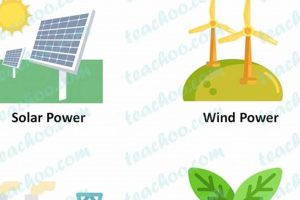
![Guide to What Energy Resources Are Renewable [+Future] | Renewable Energy Solutions for a Sustainable Future | Clean & Green Power](https://pplrenewableenergy.com/wp-content/uploads/2026/03/th-516-300x200.jpg "Guide to What Energy Resources Are Renewable [+Future] Renewable Energy Solutions for a Sustainable Future | Clean & Green Power")